10 Bad Cleaning Habits That Make Things Dirtier Long-Term
Some cleaning routines give the illusion of cleanliness while actually making your house grungier in the long run.
Whether it’s using the wrong tools or skipping steps, these habits are more common than people realize—and they quietly create more work for you down the road.
Skipping Pre-Cleaning Steps
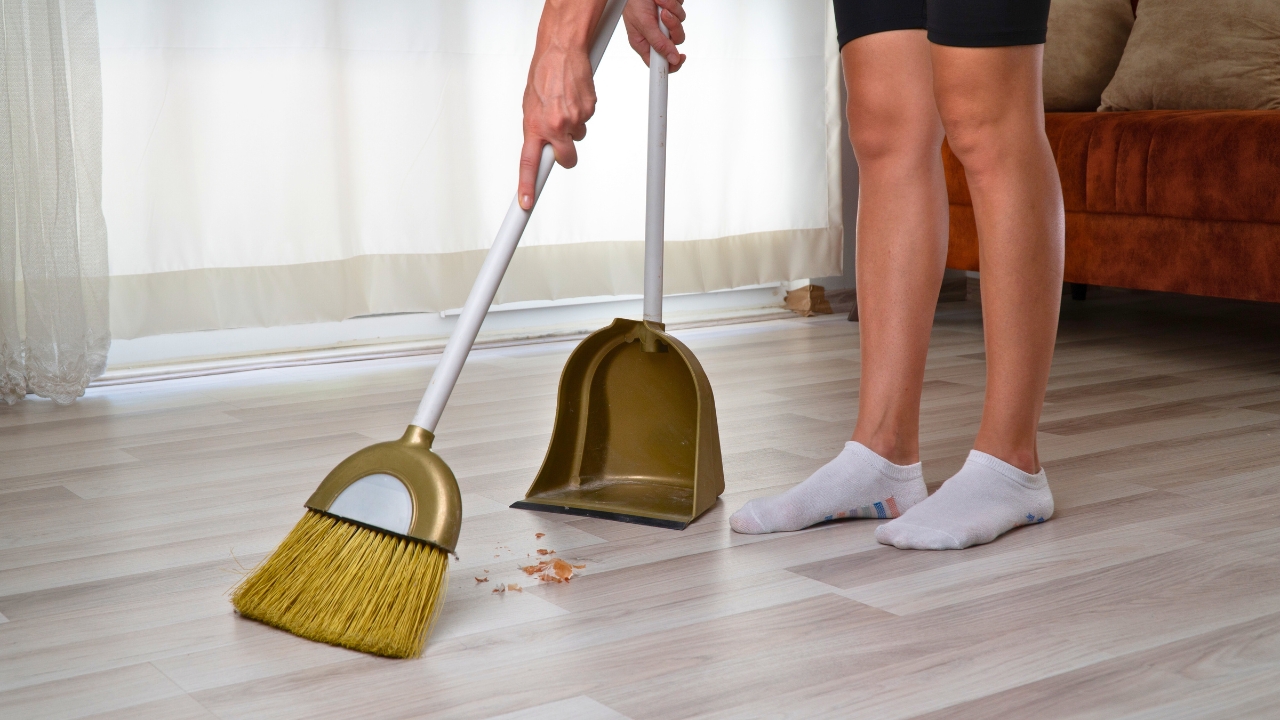
If you don’t dust before spraying cleaner or sweep before mopping, you’re just moving dirt around. Starting with a dry clean (like sweeping, vacuuming, or dusting) makes your actual cleaning way more effective. Otherwise, you’re working against yourself.
Letting Cleaning Cloths Sit Damp
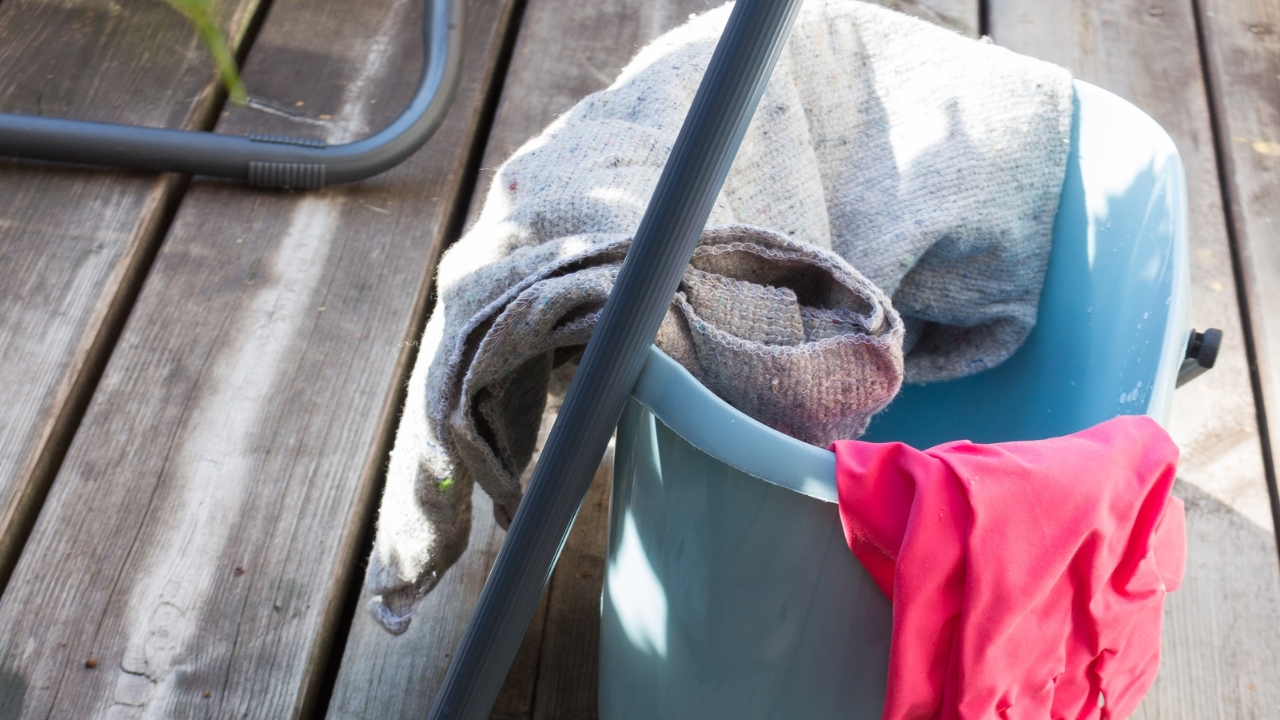
A wet rag left in the sink or over the mop bucket is a breeding ground for bacteria. It starts to smell, spreads germs, and can even make surfaces stink the next time you use it. Wash and dry them thoroughly—or swap them out more often.
Forgetting to Wash Sponges

Sponges trap bacteria fast, and using them over and over again without disinfecting is a fast track to spreading grime. Throw them in the dishwasher or microwave regularly—or better yet, swap them for a washable cloth that can go in the laundry.
Reusing Dirty Mop Water
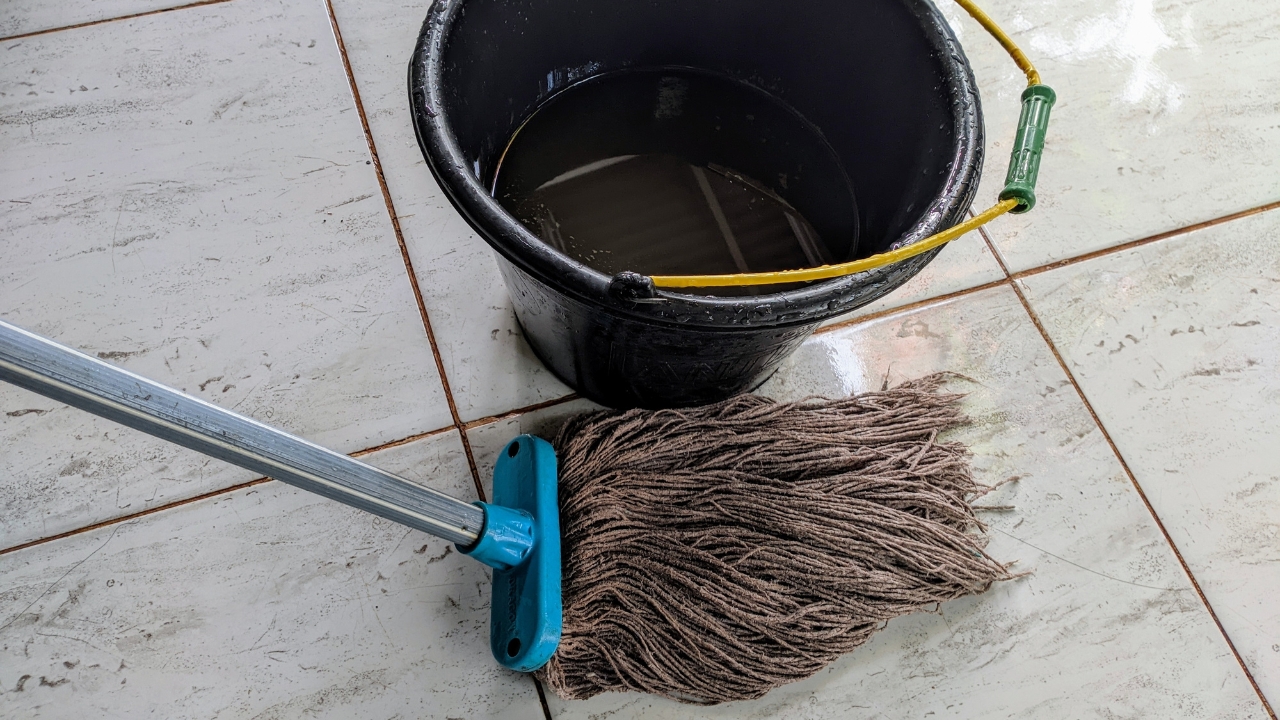
Once the mop water turns gray, it’s full of dirt and bacteria. If you keep going, you’re not cleaning—you’re reapplying grime. Change the water when it gets murky. Otherwise, you’re wasting time and your floors will still look dingy.
Cleaning With Old Vacuums
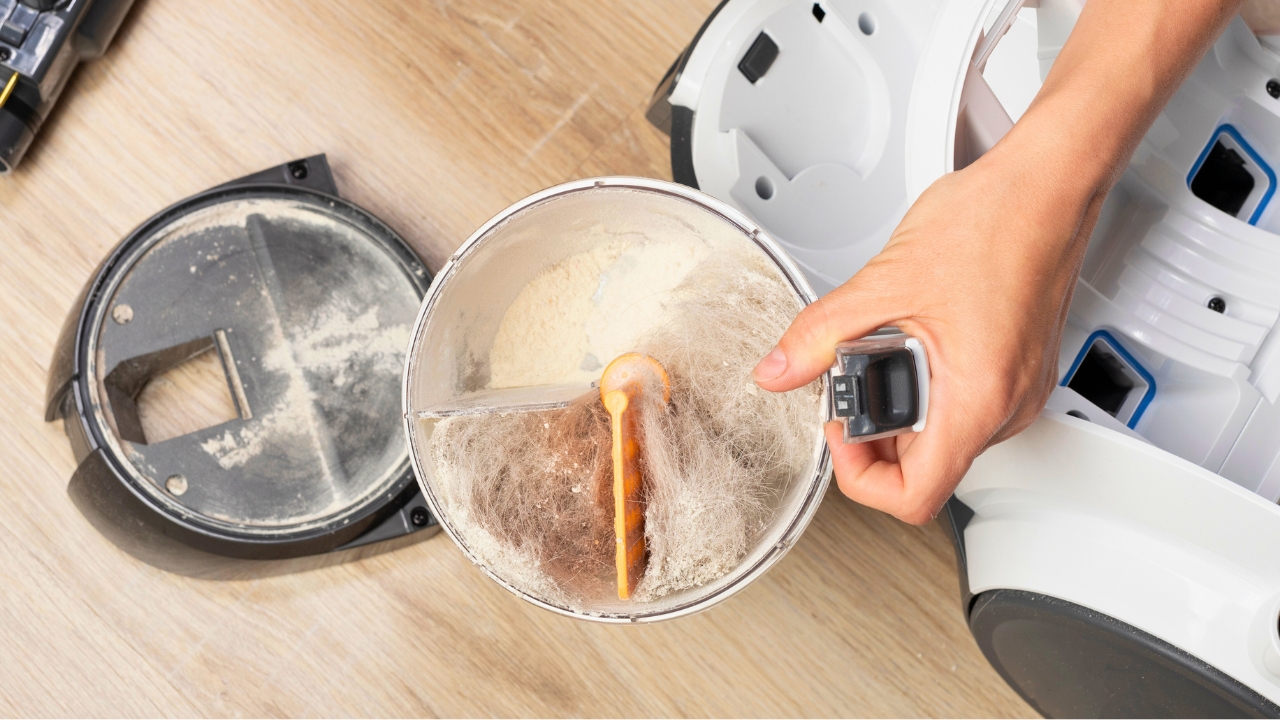
If your vacuum’s filter is clogged or the bag’s full, it’s doing a terrible job. You’re basically stirring up dust and missing debris. Maintenance matters—empty the bin, clean the filter, and check the rollers. A poorly kept vacuum is worse than no vacuum at all.
Using Too Much Cleaner
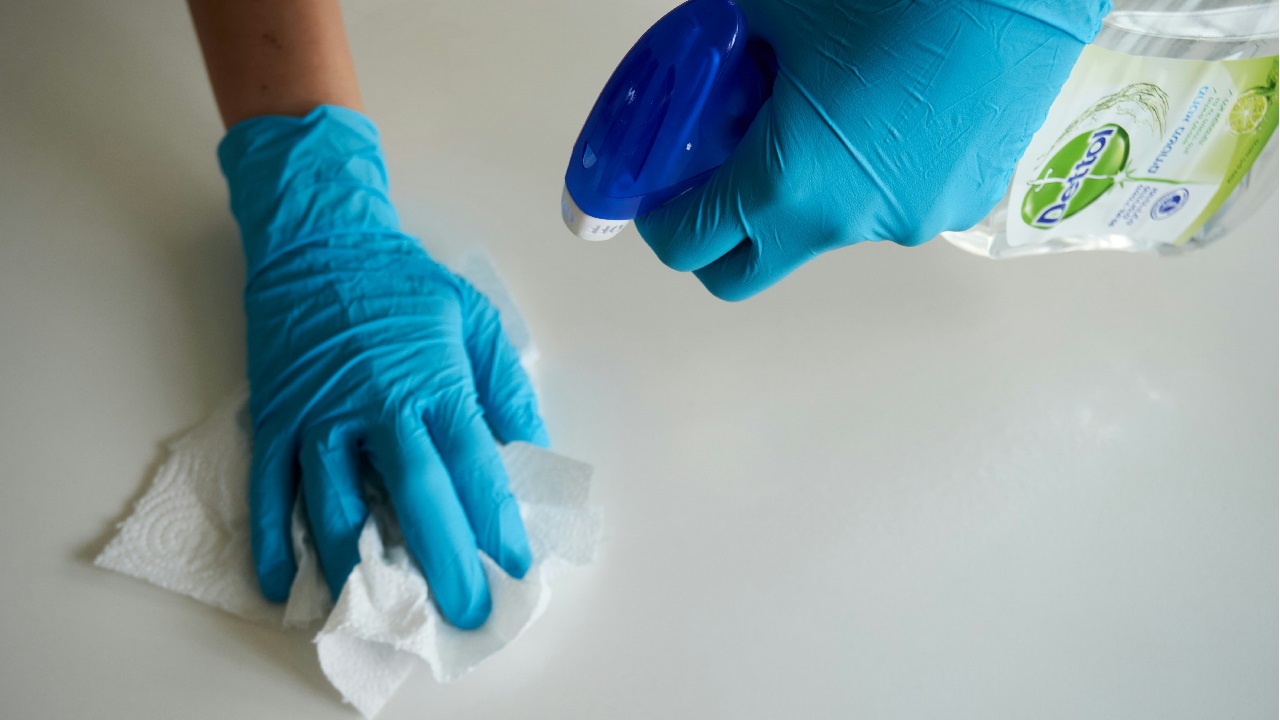
Soaking everything in product doesn’t mean it’s cleaner. In fact, residue from excess cleaner attracts dust and dirt. It also creates a buildup that makes things look dull and greasy. Follow the directions and go easy on the spray bottle.
Spraying Directly Onto Electronics

You should never spray cleaner right onto a screen or keyboard. Moisture can sneak into tiny crevices and cause long-term damage. Use a damp cloth or screen-safe wipe instead. The damage might not be instant, but it adds up.
Ignoring High-Touch Spots
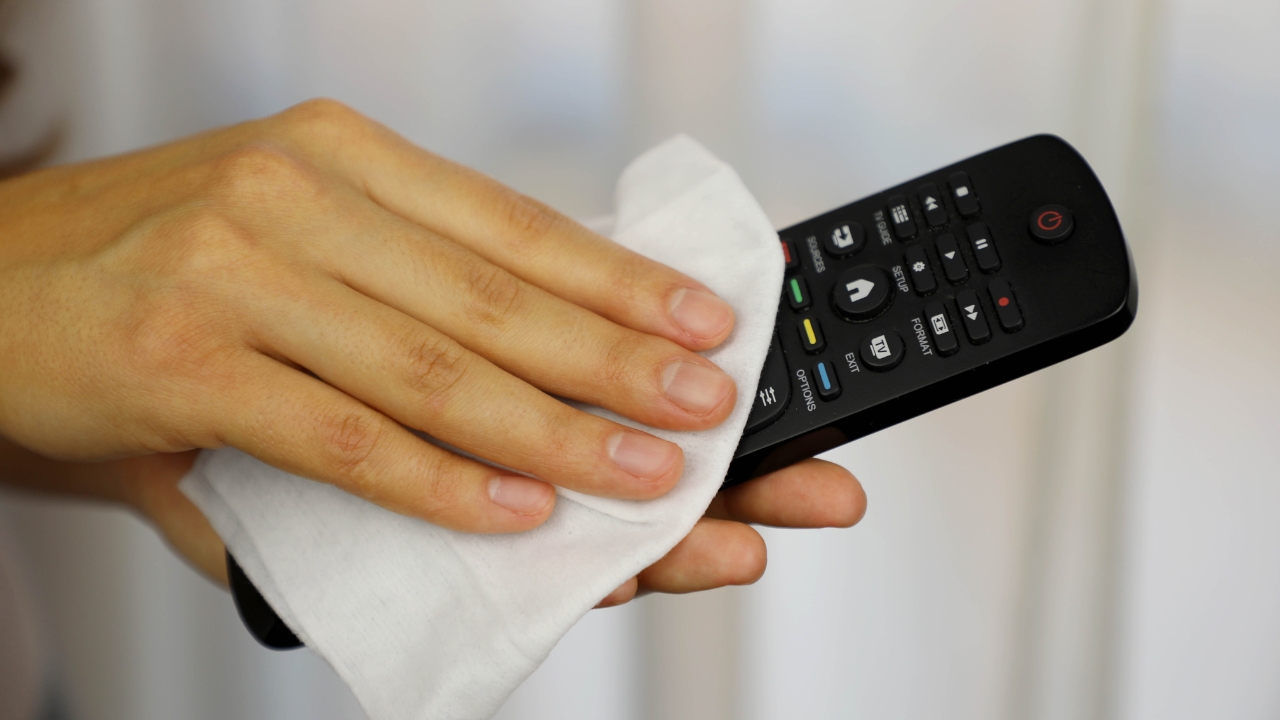
Doorknobs, remotes, cabinet handles, and light switches collect tons of grime but often get skipped. If they’re not cleaned regularly, they can quietly spread bacteria around your house—even if everything else looks spotless.
Not Letting Things Dry
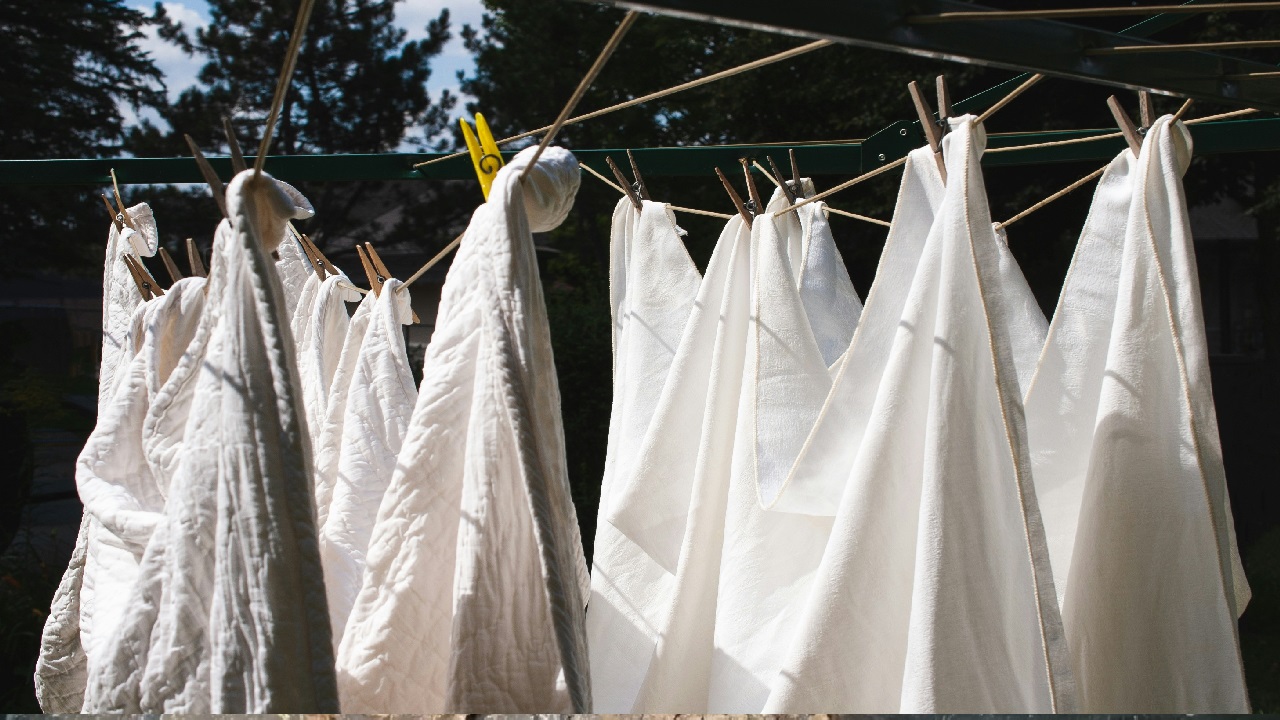
Whether it’s the shower, the toilet brush, or your countertops—leaving things wet invites mold and mildew. Wipe down surfaces, hang up towels, and give everything time to breathe. A constantly damp space is a problem waiting to happen.
Using the Same Products Everywhere
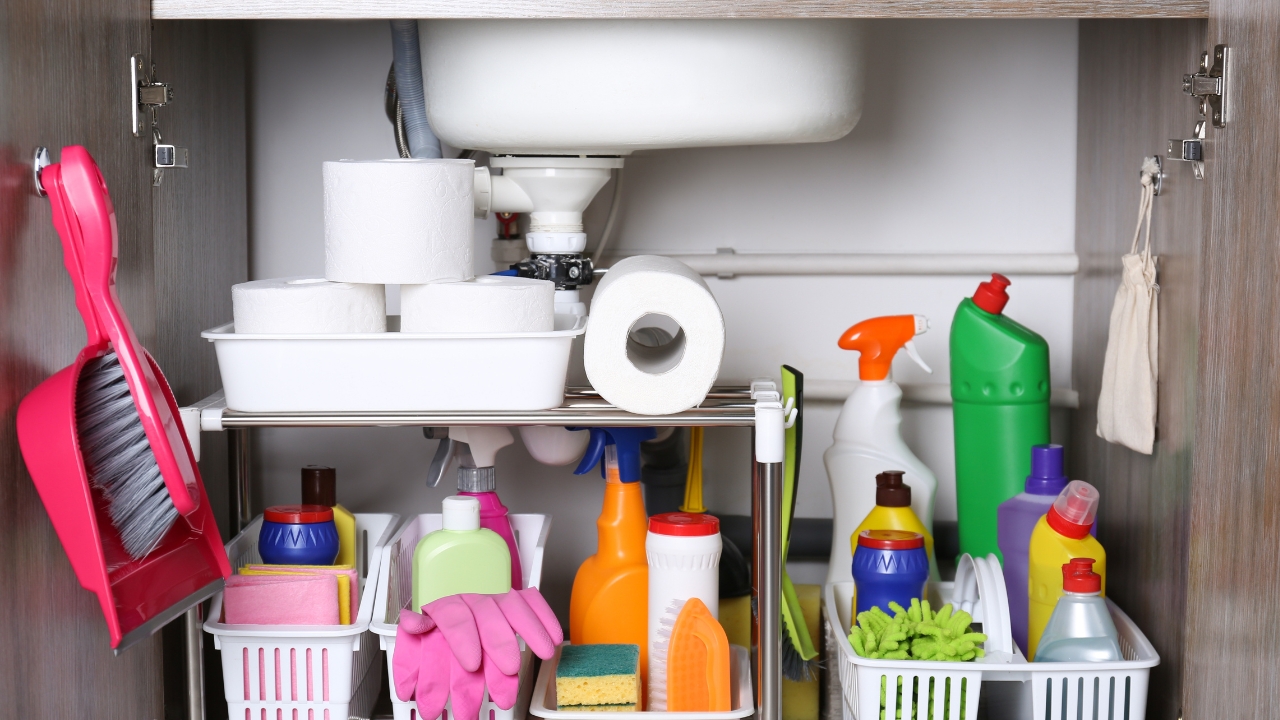
One-size-fits-all rarely works in cleaning. What’s safe for your counters might damage your wood trim. Using the wrong cleaner dulls finishes, corrodes materials, and leaves you wondering why things never stay clean. Match the product to the surface every time.
*This article was developed with AI-powered tools and has been carefully reviewed by our editors.