10 “budget hacks” that actually waste more money
Everybody loves a good shortcut, but some of the so-called “budget hacks” floating around end up costing more in the long run. They sound smart at first, but when you look closer, you’re actually throwing money away or creating problems you’ll pay to fix later.
Knowing which ones to avoid will save you real money, not just the illusion of it.
Buying in Bulk Without a Plan

Warehouse stores make it tempting to buy giant packs of food or household goods. While bulk can be smart, it’s only worth it if you’ll actually use it before it expires. Spoiled produce, expired pantry goods, and even cleaning supplies that lose effectiveness all add up to wasted money. You’re better off buying what your family can realistically consume instead of chasing “savings” that end up in the trash.
Cheap Air Filters
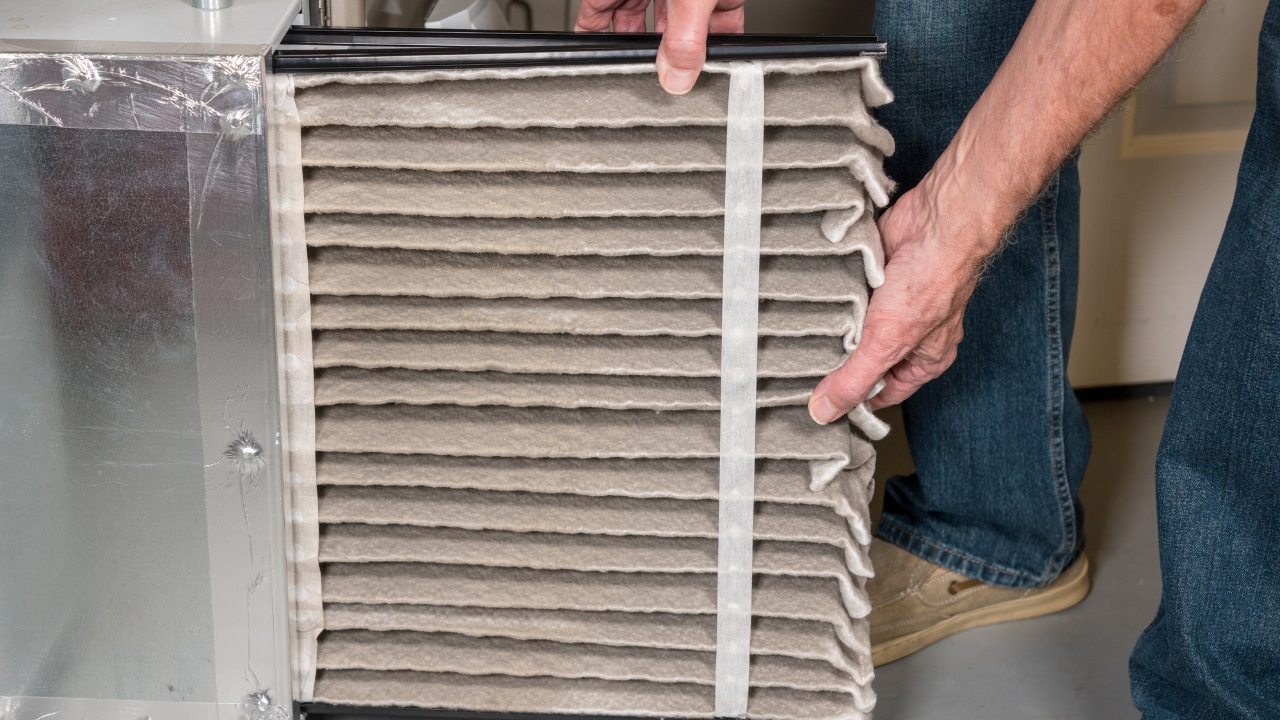
Opting for the lowest-cost HVAC filters feels like a savings, but it actually forces your system to work harder. Cheap filters clog quickly and let dust circulate, which means higher bills and more frequent breakdowns. Spending a few extra dollars on mid-range or high-quality filters extends the life of your system and lowers your energy use. This is one of those cases where the “hack” backfires quickly.
Making Your Own Laundry Detergent

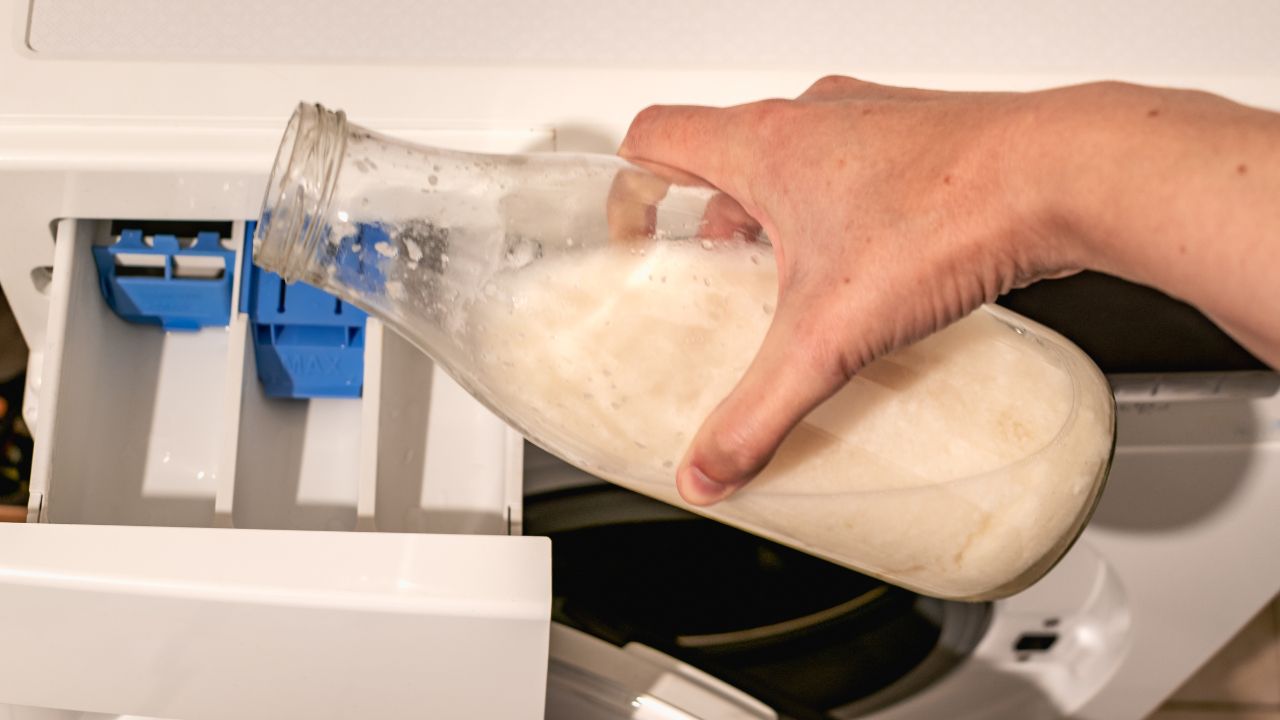
DIY detergent recipes get passed around like they’re guaranteed money-savers. The truth is, many homemade mixes don’t clean as well and can actually damage washing machines over time. If clothes aren’t coming out clean, you’ll end up rewashing them and wasting water, electricity, and detergent. Sticking to concentrated, store-bought formulas often stretches further and saves more in the long run.
Skipping Regular Maintenance

Delaying oil changes, roof inspections, or HVAC tune-ups may feel like you’re saving, but repairs after neglect cost thousands more. A “hack” some push is to wait until something breaks to fix it. In reality, preventative care is always cheaper than major replacements. Regular upkeep keeps your house and equipment running efficiently, lowering bills and avoiding emergencies.
Buying Cheap Tools

A bargain drill or saw may get through one or two projects, but it won’t last. Then you’re buying replacements again and again. Professionals know that quality tools pay for themselves because they last for years and get the job done right. Even if you can’t splurge on top-of-the-line, picking mid-grade tools saves more than wasting money on the cheapest option every time.
Unplugging Everything Daily
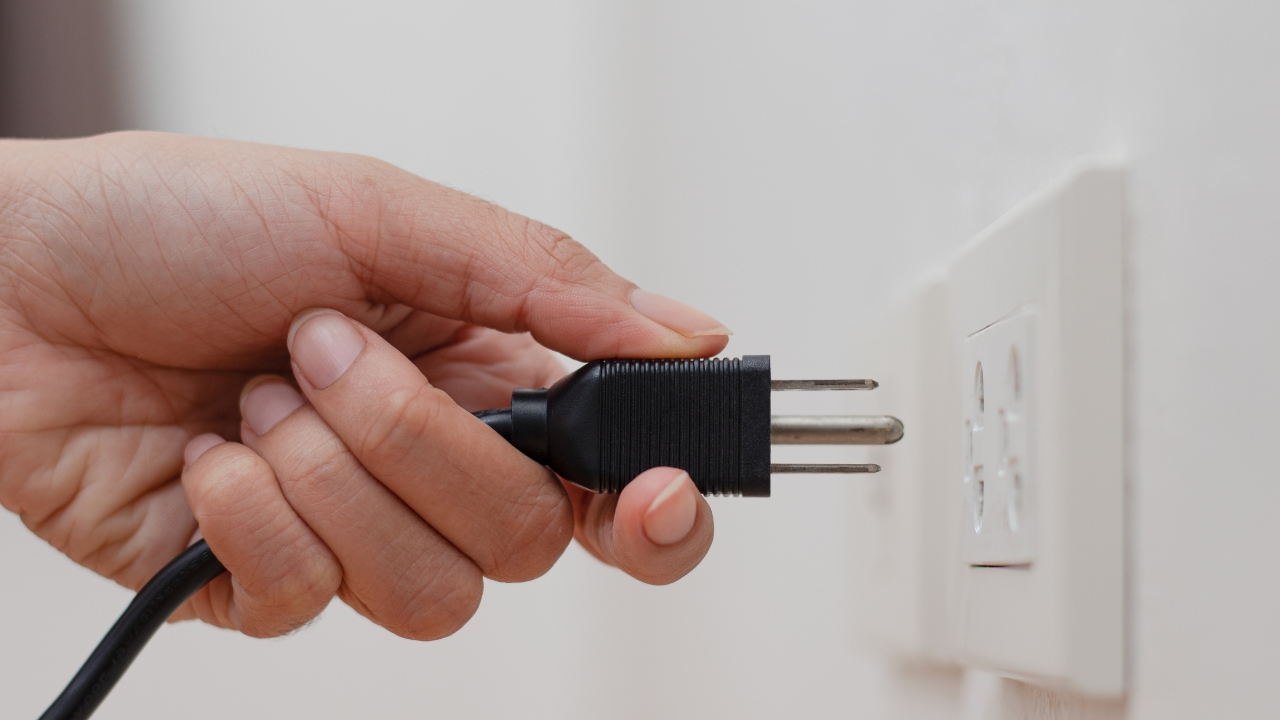
Unplugging devices to cut phantom energy use gets recommended a lot, but in practice, the savings are pennies a month. Constantly plugging and unplugging can even wear outlets and cords faster, which creates bigger costs. If you want to cut standby power, smart plugs or power strips are more practical. That way, you actually reduce waste without chasing a “hack” that doesn’t pay off.
Reusing Old Food Storage Bags

Washing out and reusing sandwich bags feels thrifty, but it can go wrong fast. Many aren’t designed for repeated use, and cleaning them thoroughly takes time, soap, and water. On top of that, some plastics break down and leach after multiple uses. In many cases, you’d save more switching to reusable silicone bags or glass containers than stretching single-use items past their lifespan.
Cheap Paint
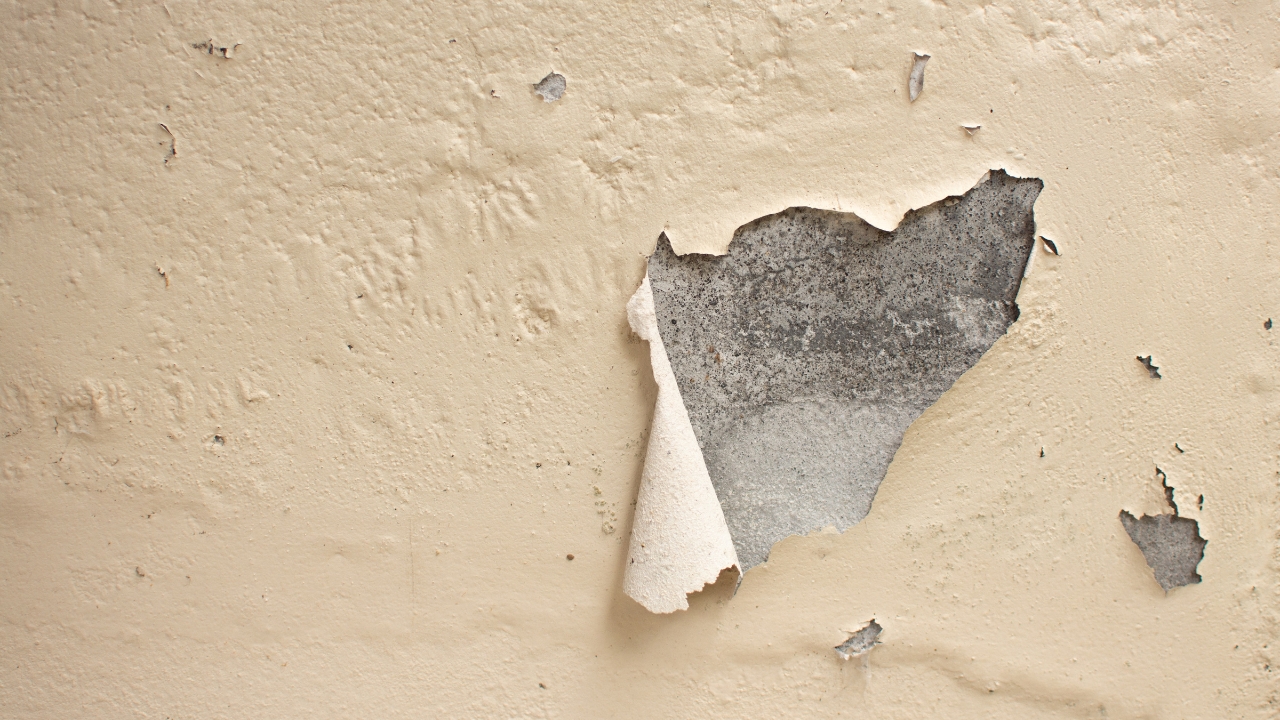
Cutting corners on paint always comes back to bite you. Bargain paints usually require more coats to cover, which means you buy more anyway. They also fade, chip, and stain faster, leading to more frequent repaints. Spending a little more upfront on quality paint saves both money and time because the finish actually holds up.
Using Too Much DIY Cleaner

Mixing vinegar, baking soda, and other household items has become a budget-cleaning trend. But many of these mixes don’t work as well as people claim, and some combinations (like vinegar with baking soda) cancel each other out. You end up scrubbing longer, using more, and sometimes damaging surfaces. Sticking to proven store-bought cleaners — or using DIY methods correctly — saves money over gimmicky hacks.
Extreme Couponing Without Limits
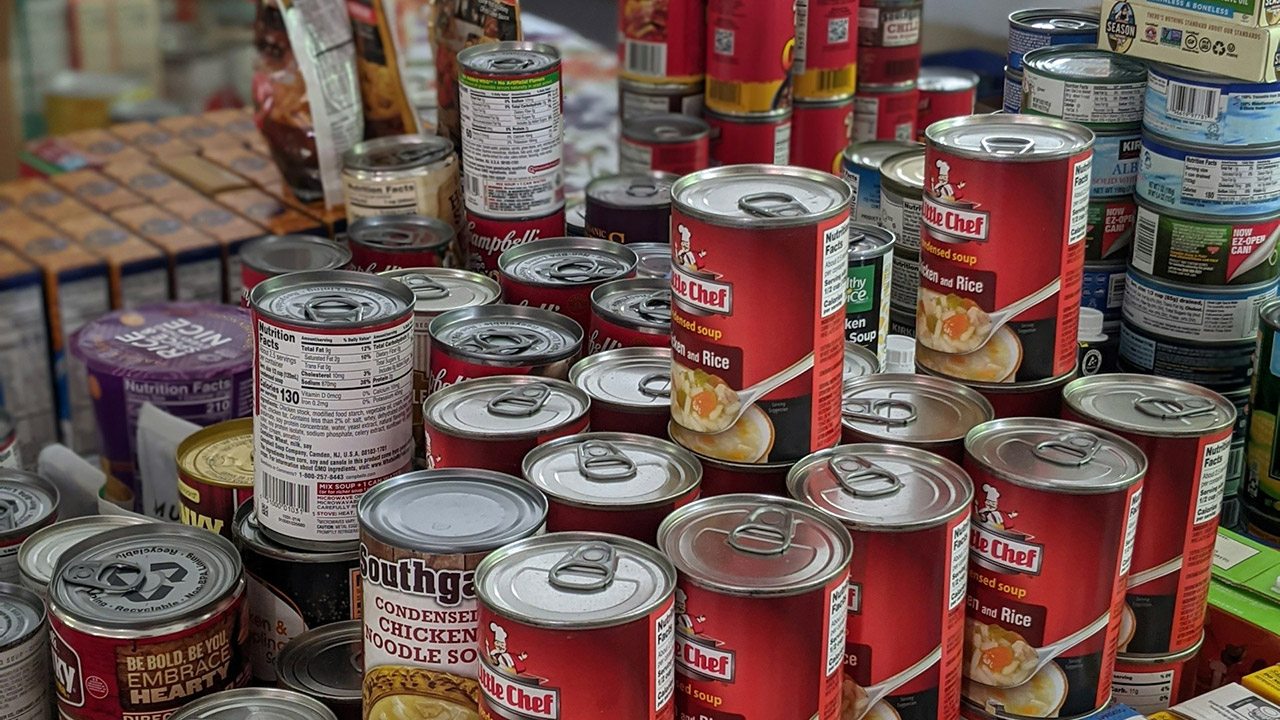
Stockpiling with coupons looks thrifty on paper, but if you’re buying items you don’t need, you’re still overspending. It also takes hours of effort that rarely pays off like it used to. Unless coupons line up with things you regularly use, you’re wasting money and storage space. Targeted savings beat over-the-top stockpiling every time.
*This article was developed with AI-powered tools and has been carefully reviewed by our editors.