10 Dangerous Home DIY Projects You Should Leave to the Pros
Some DIY projects are fine with a YouTube tutorial and a free weekend. Others? They’re better left to someone who actually knows what they’re doing. Trying to save a buck can turn into a disaster if you’re messing with things like gas lines or wiring.
Here are 10 home projects that might seem doable but can go seriously wrong fast. It’s not just about skill—it’s about safety, permits, and knowing when to hand the wrench (or saw) to someone who does this for a living.
Electrical Panel Work

Messing with your home’s electrical panel isn’t the same as swapping out a light fixture. One wrong move here and you’re looking at serious injury or even a house fire.
Electricians train for years to handle live circuits and load balancing. If you’re not 100% sure what every wire does, this is not the place to experiment.
Roof Repairs

Replacing a few shingles sounds simple until you’re up there dealing with steep angles, loose footing, and wind gusts. Falls from roofs are one of the top causes of DIY-related injuries.
Even if you manage to stay upright, poor sealing or misaligned shingles can lead to leaks down the line. Professional roofers have the gear and know-how to do it right.
Gas Line Installation or Repair

If you smell gas, your first call should not be to Google. Working on gas lines without the right tools, training, or permits is a recipe for an explosion—or worse.
It might seem like you can tighten a connection or reroute a pipe, but even a small leak can be deadly. This one’s best left to the licensed techs.
Tree Removal

Cutting down a tree might feel like a solid weekend project—until that trunk swings through your roof. Trees don’t always fall the way you expect, especially if they’re leaning or rotted.
Arborists know how to assess danger zones and use ropes and rigging to drop things safely. If it’s more than a sapling, skip the chainsaw and make the call.
Major Plumbing Overhauls
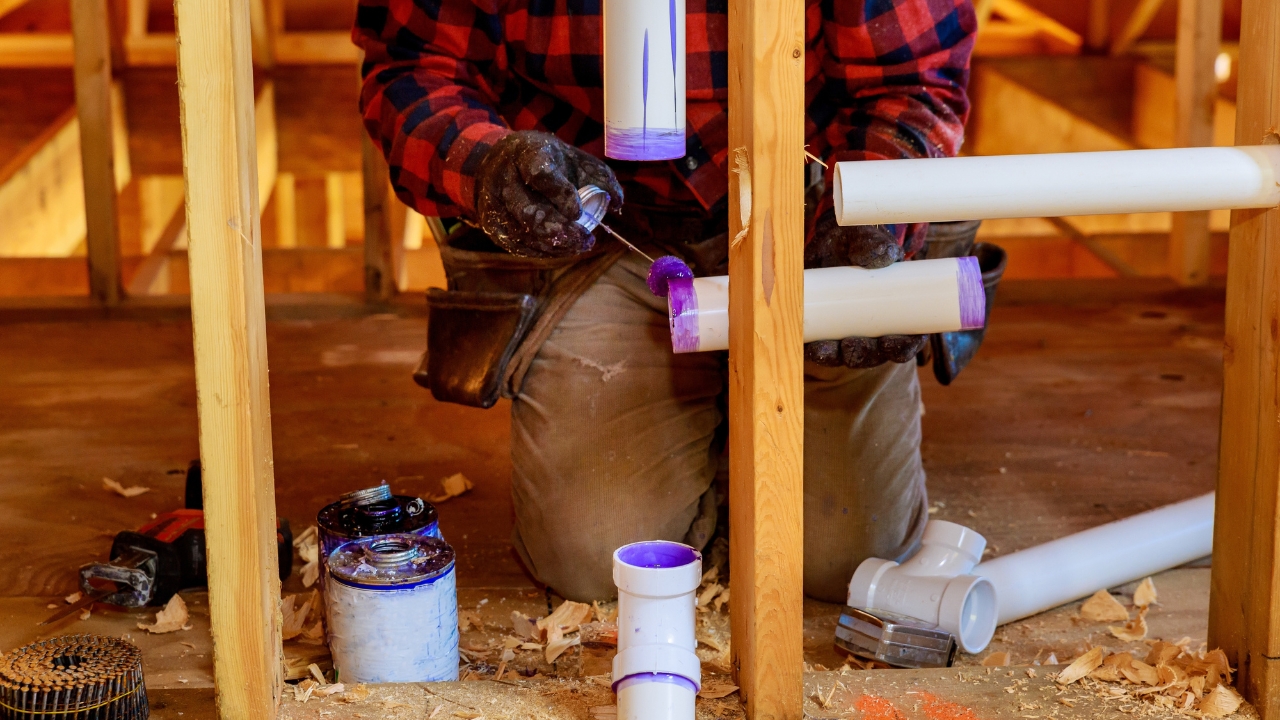
Unclogging a sink is one thing. Rerouting pipes or messing with the main line? That’s an entirely different game. Water damage is fast, expensive, and unforgiving.
A wrong connection can flood your basement or contaminate drinking water. Plumbers know how to handle pressure, grading, and code. You don’t want to guess your way through that.
Structural Wall Removal
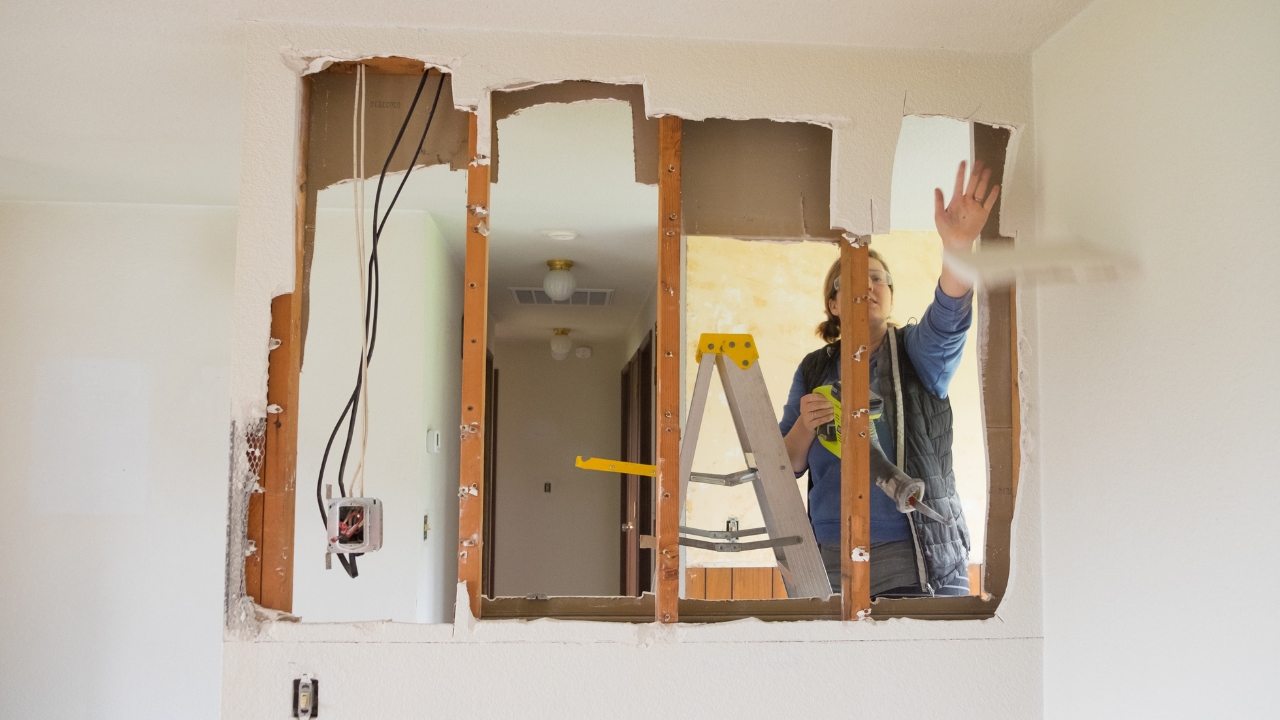
Taking out a wall to “open up the space” sounds great until you realize it was holding up half your house. Load-bearing walls aren’t always obvious.
Even with a sledgehammer in hand, this kind of job requires a structural assessment and proper support. Otherwise, you’re risking major collapse—and a massive repair bill.
HVAC Installation
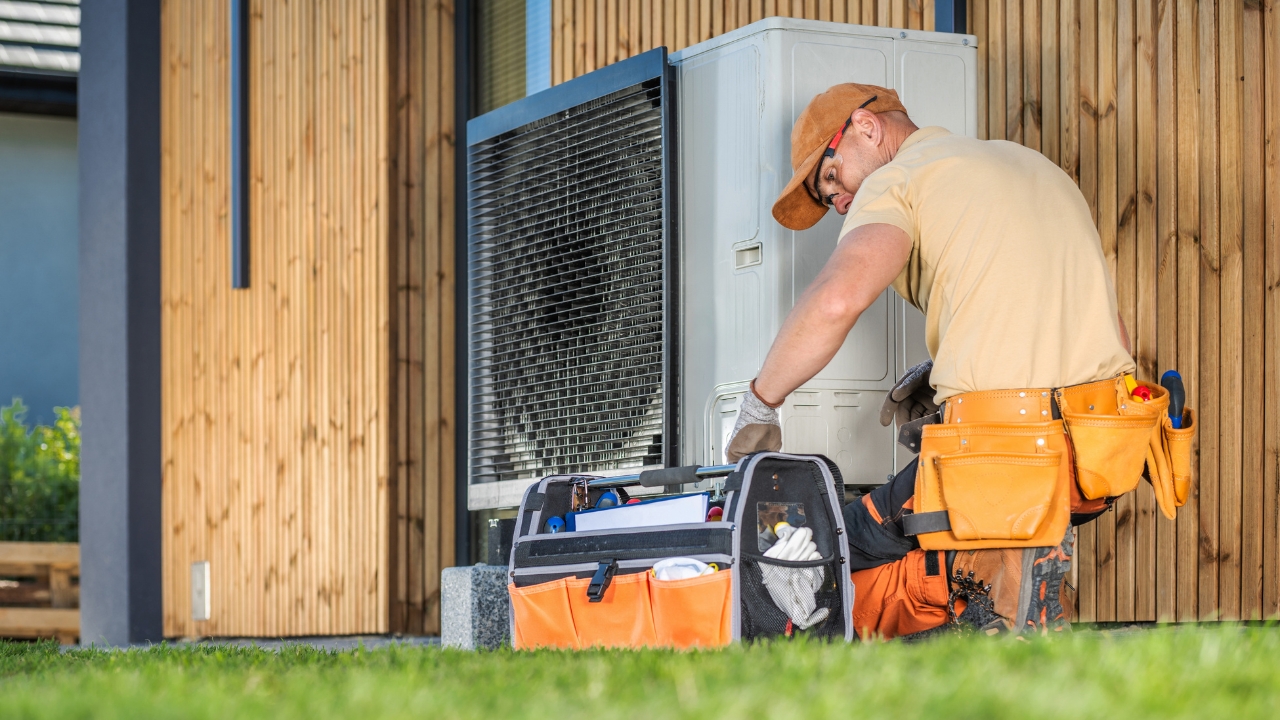
Heating and cooling systems seem straightforward, but installation requires more than hooking up some ducts. Improper sizing or venting can mess with air quality, energy bills, and system lifespan.
Plus, refrigerants and pressurized lines add a whole new layer of risk. This is a job that pays off long-term when it’s done by a licensed HVAC pro.
Chimney Repairs
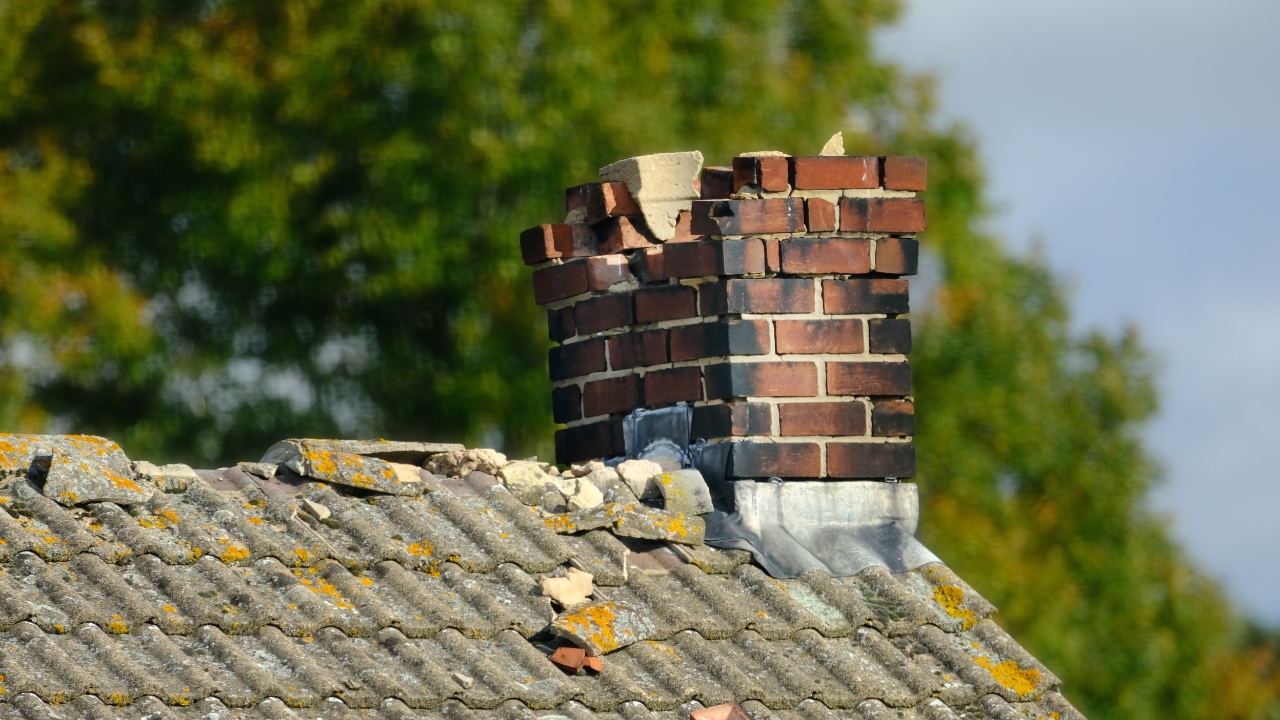
Cracks in your chimney or missing bricks might not look like a big deal, but trying to fix it yourself could cause dangerous ventilation issues.
Chimney flue problems can lead to carbon monoxide buildup. That’s not something you want to gamble on. Masons and chimney sweeps have the tools and training to do it safely.
Window Replacement
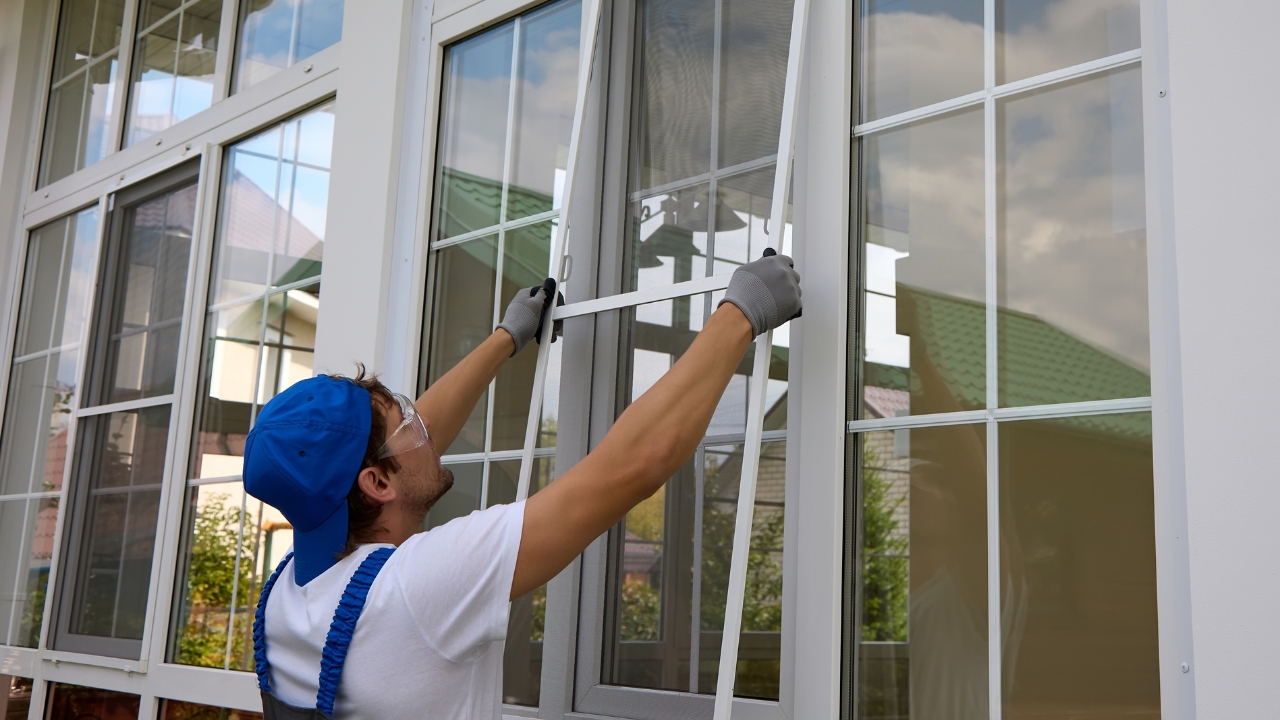
Pulling out and installing new windows sounds easy until you run into rot, uneven framing, or gaps that leak air or water. Poorly sealed windows wreck insulation and drive up bills.
Window pros know how to measure, fit, and flash the area correctly. A slightly crooked DIY job can cost you a lot more than just cold drafts.
Asbestos or Lead Paint Removal
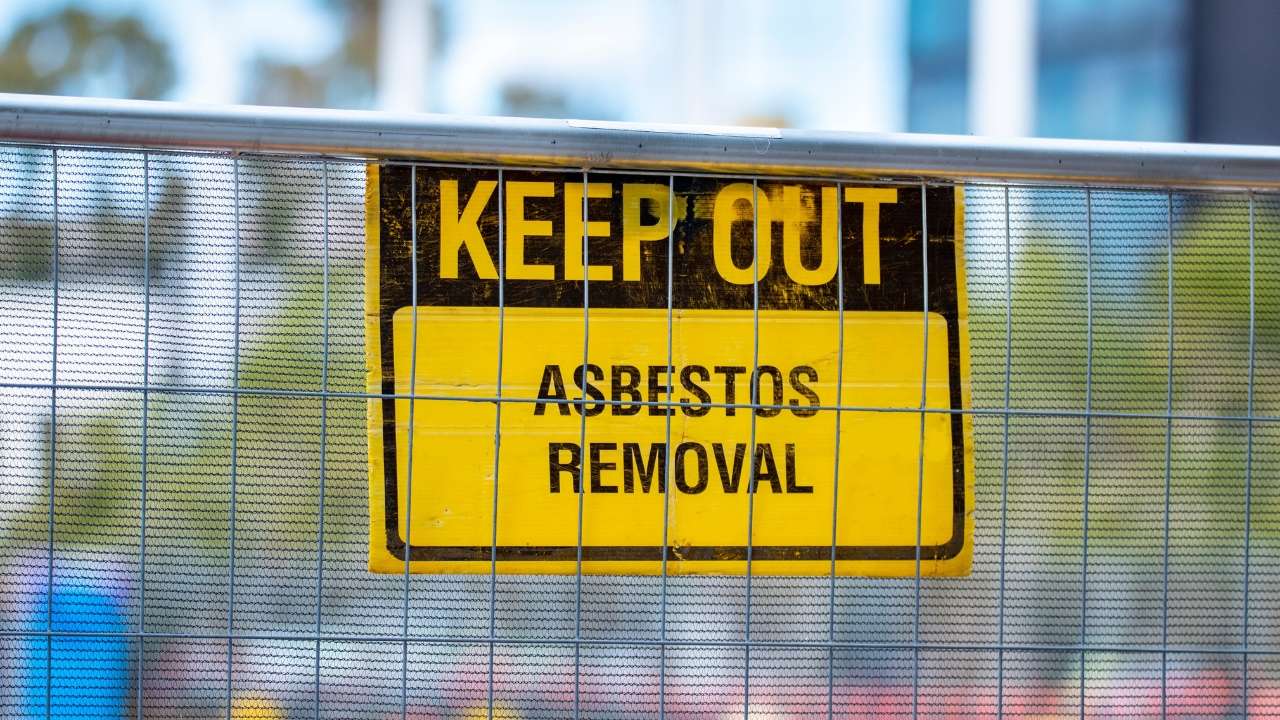
If you live in an older home, don’t assume everything behind the walls is safe. Cutting into drywall or sanding old trim could expose you to hazardous materials.
Both asbestos and lead require specialized containment and disposal. It’s not just risky—it’s illegal to remove some of it without proper certification. Always get a pro to handle it.
*This article was developed with AI-powered tools and has been carefully reviewed by our editors.