10 decorating tricks that instantly date your whole house
Trends move fast, and what looked stylish five or ten years ago can start to feel stale now. Some decorating choices don’t age well—not because they were bad ideas, but because they became overdone. You can usually spot them right away, even in otherwise updated homes. The good news is that most of these fixes are easy once you know what to look for.
Here are the decorating tricks that instantly make your home look older than it is—and what designers are doing instead.
Gray everything

For a while, gray floors, gray walls, and gray furniture were the default in every remodel. But now, that all-gray look feels cold and dated. It flattens a room and makes it hard to add depth or warmth, no matter how nice your furniture is.
Designers are leaning toward warm neutrals like beige, greige, and soft white instead. These tones still feel clean but bring in more light and dimension. Even swapping gray accents for warmer ones can make a space feel current again.
Matching furniture sets
Buying an entire living room or bedroom set used to be the go-to move. Now, that kind of matchy-matchy decorating feels flat and staged. It doesn’t show personality or make a room feel lived in.
Mixing materials, finishes, and styles adds character and makes a home feel layered. Try pairing a modern sofa with a vintage side table or mixing wood tones instead of keeping everything identical. The goal is to make your home feel collected over time, not bought in one weekend.
Word art and scripted signs

“Live, Laugh, Love” and farmhouse-style word art had their moment—but that moment has passed. These pieces were everywhere for years, and now they instantly read as outdated.
If you want to personalize your space, framed art, photography, or even meaningful objects look far more intentional. Designers have shifted toward decor that tells a story without spelling it out. It feels natural, not staged for a catalog.
Heavy accent walls
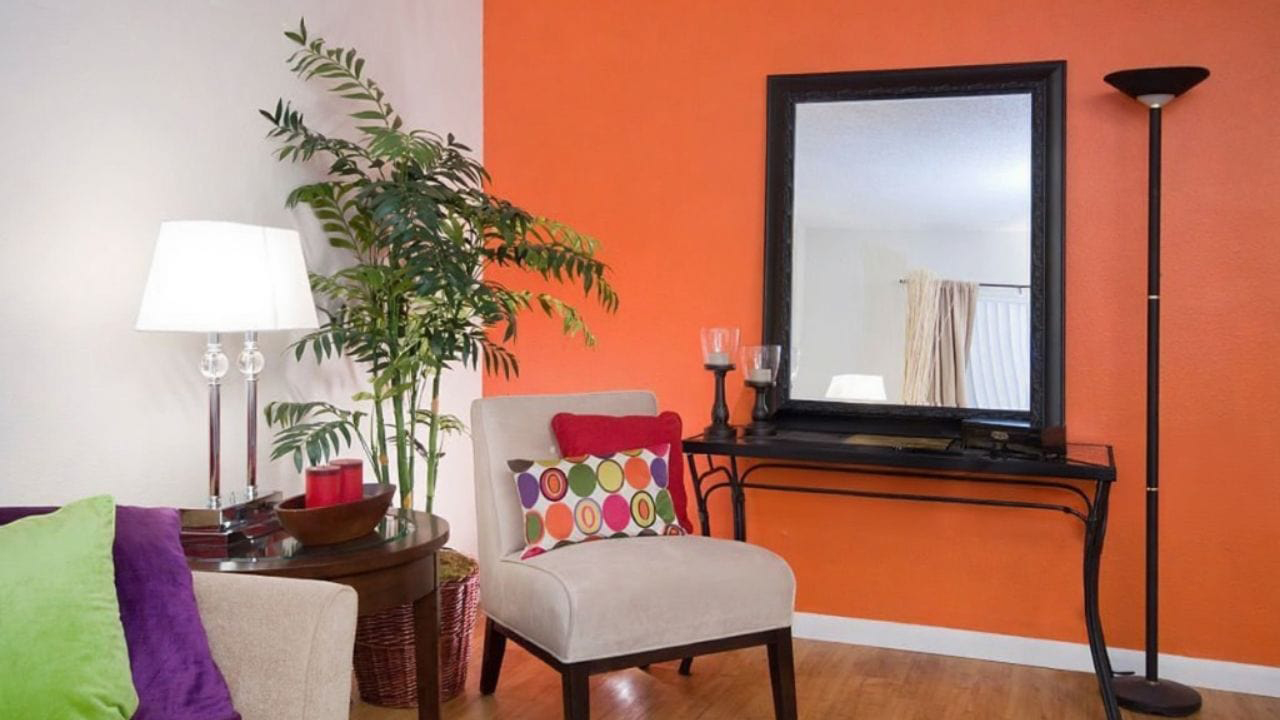
Accent walls used to be the easiest way to “add interest,” but now they tend to break up spaces in an awkward way. A single wall painted navy or wallpapered with a pattern can feel more distracting than stylish.
Designers are going for continuity instead—painting all the walls in the same tone or using texture and materials to add depth. Subtle limewash, wood paneling, or tone-on-tone color schemes feel more elevated and less forced.
Overdone shiplap
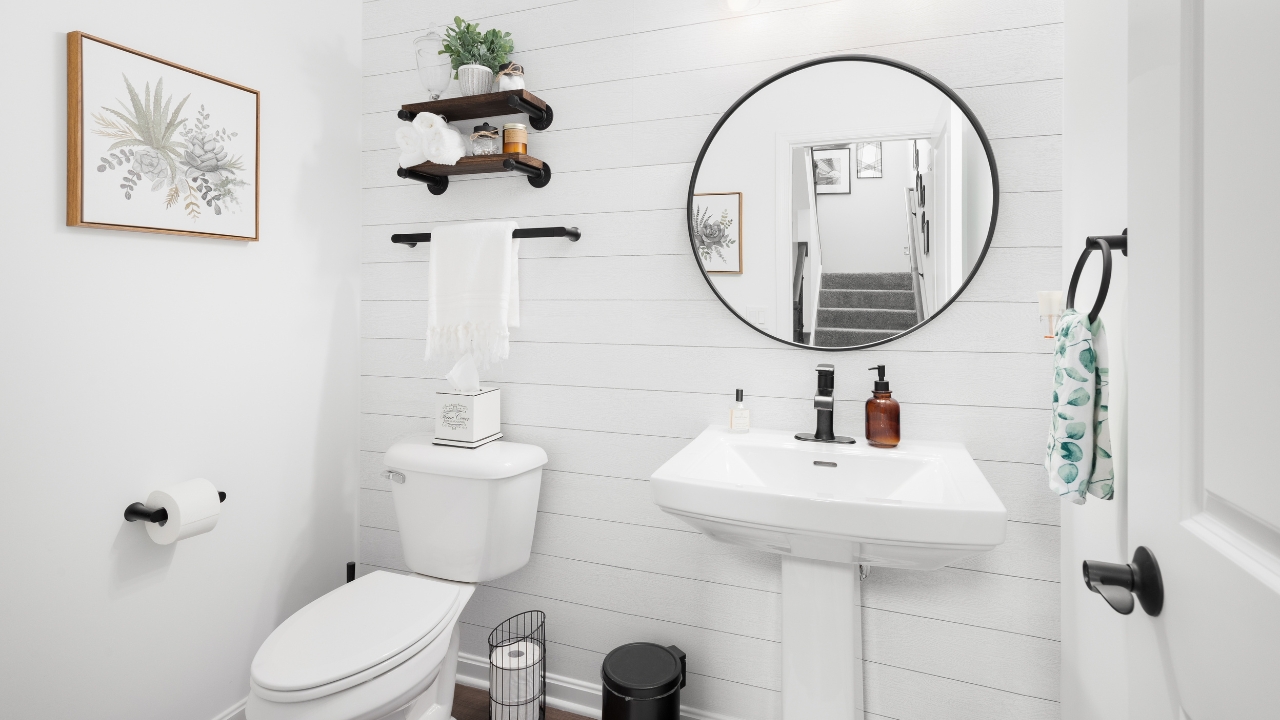
Thanks to HGTV, shiplap spread far beyond farmhouse-style homes. But after years of overuse, it’s one of the quickest giveaways that a house was decorated in the 2010s.
Designers are keeping some texture but moving to more natural materials like vertical paneling, beadboard, or plaster finishes. These looks bring dimension without locking your home into a specific trend that’s already peaked.
Tuscan-style kitchens
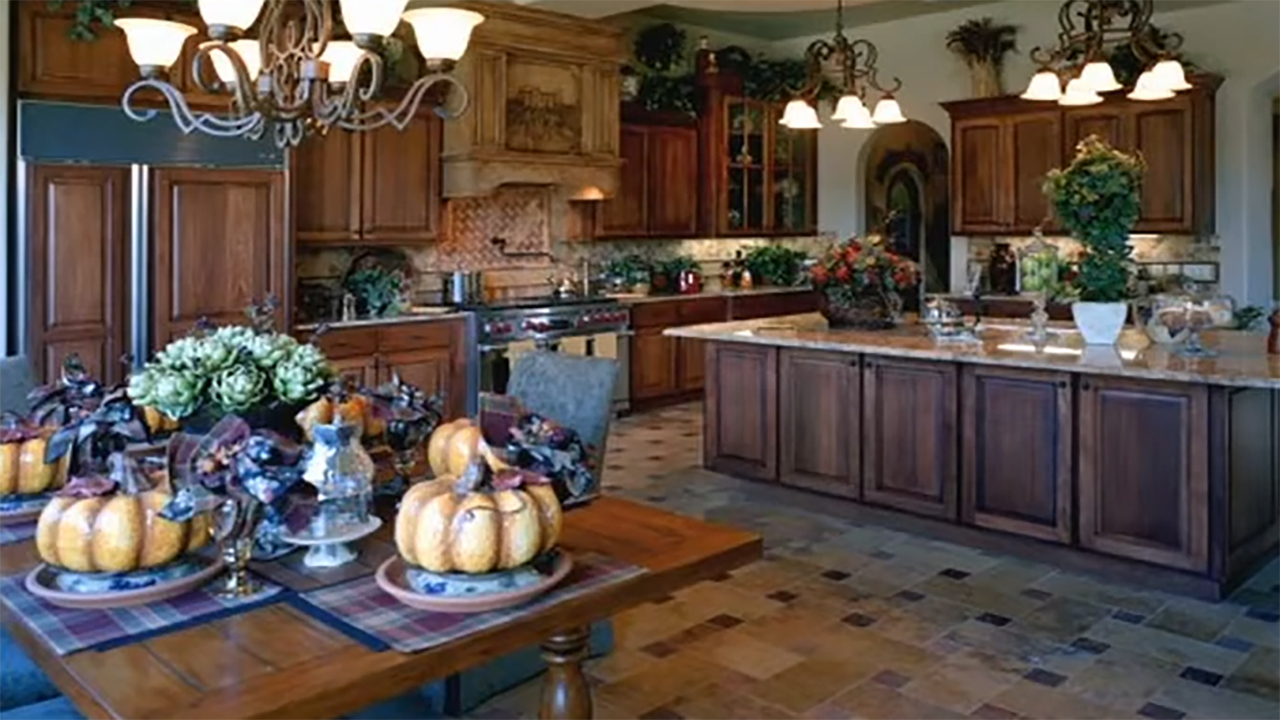
Dark cherry cabinets, ornate iron accents, and beige granite countertops once screamed “luxury.” Now, they make kitchens look stuck in the early 2000s. The heavy finishes and warm reds feel out of place next to today’s cleaner, lighter trends.
Updating doesn’t have to mean a full remodel. Painting or refacing cabinets, swapping hardware, and adding lighter counters can modernize the space fast. Designers are replacing all that heaviness with natural wood tones, soft whites, and streamlined fixtures.
Edison bulb lighting

Those exposed bulbs looked cool when the industrial trend first hit, but now they’re everywhere—and they’re harsh on the eyes. That dim amber glow makes rooms look dark and unfinished.
Designers have moved on to softer, diffused lighting that actually flatters your space. Frosted bulbs, fabric shades, and layered light sources feel warmer and more functional. It’s an easy switch that makes a big difference in how your home feels.
Overly themed rooms
Decorating an entire room around a theme—like “coastal,” “farmhouse,” or “Parisian”—can make your space feel more like a set than a home. It’s easy to go overboard with matching colors, signs, and accessories.
Designers now focus on inspiration instead of replication. You can take hints from your favorite style without making every item match the same look. The result feels timeless instead of trendy.
Faux plants everywhere
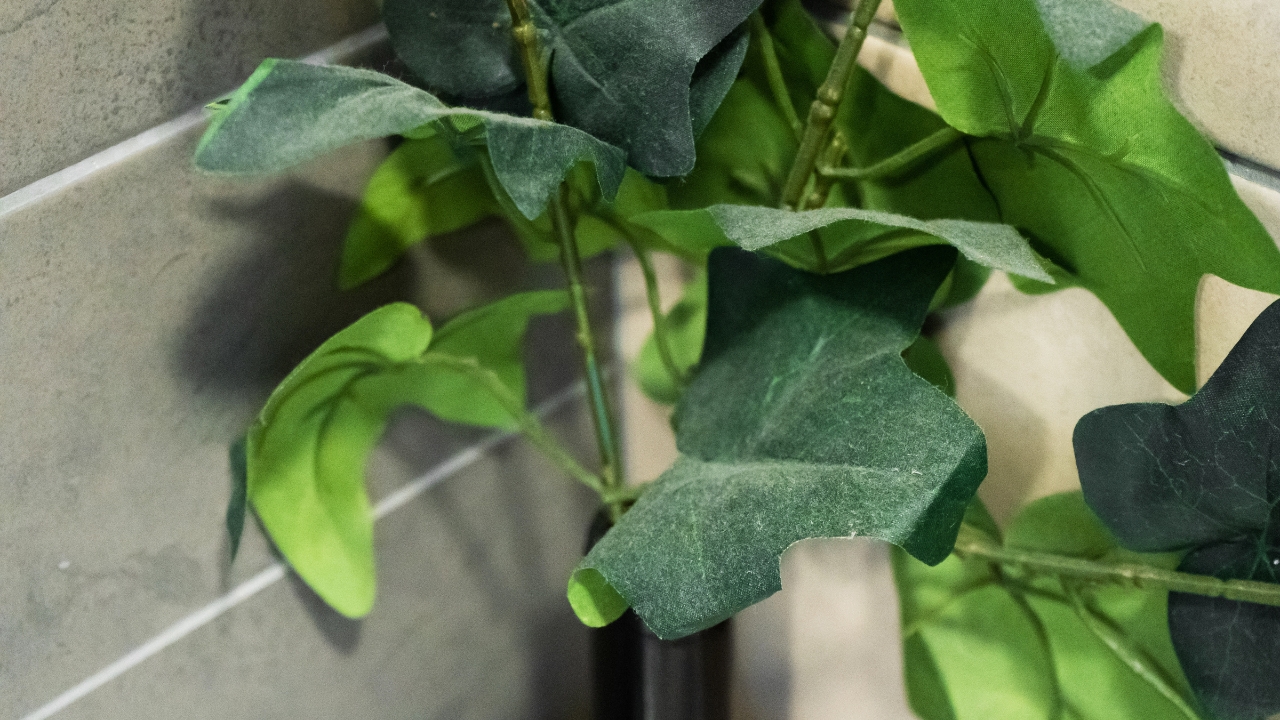
A few faux stems are fine, but rooms filled with plastic greenery immediately look dated. They collect dust, fade over time, and lack the texture of real plants.
Swapping a few out for real greenery—even low-maintenance options like snake plants or pothos—instantly refreshes a room. Designers are also using dried branches and preserved arrangements for a natural look that lasts.
Too much staging

The “model home” look, where every pillow is perfectly placed and there’s no sign of life, feels unnatural now. It used to signal luxury, but these days it reads as impersonal.
Designers are favoring homes that look lived in—books left open, throws casually draped, and a few imperfect touches that make it feel real. Comfort and authenticity are what make modern spaces feel inviting, not perfection.
*This article was developed with AI-powered tools and has been carefully reviewed by our editors.