10 Details That Really Make Your Front Yard Feel Off-Balance
Even if your yard is clean and maintained, something can still feel “off” without you knowing why. Front yards are all about balance—how plants, walkways, lighting, and features work together.
One awkward placement or size mismatch can throw everything out of sync. If something doesn’t feel right when you pull up to your house, these are the spots worth checking.
A Tree That’s Too Close to One Side

If you’ve got one large tree crammed into a corner or pressed up near the house, it can make the whole yard look lopsided. The size and placement draw the eye, especially if there’s nothing to balance it on the other side. You may not need to remove it—but adding weight elsewhere can help even it out.
Uneven Flower Beds or Borders
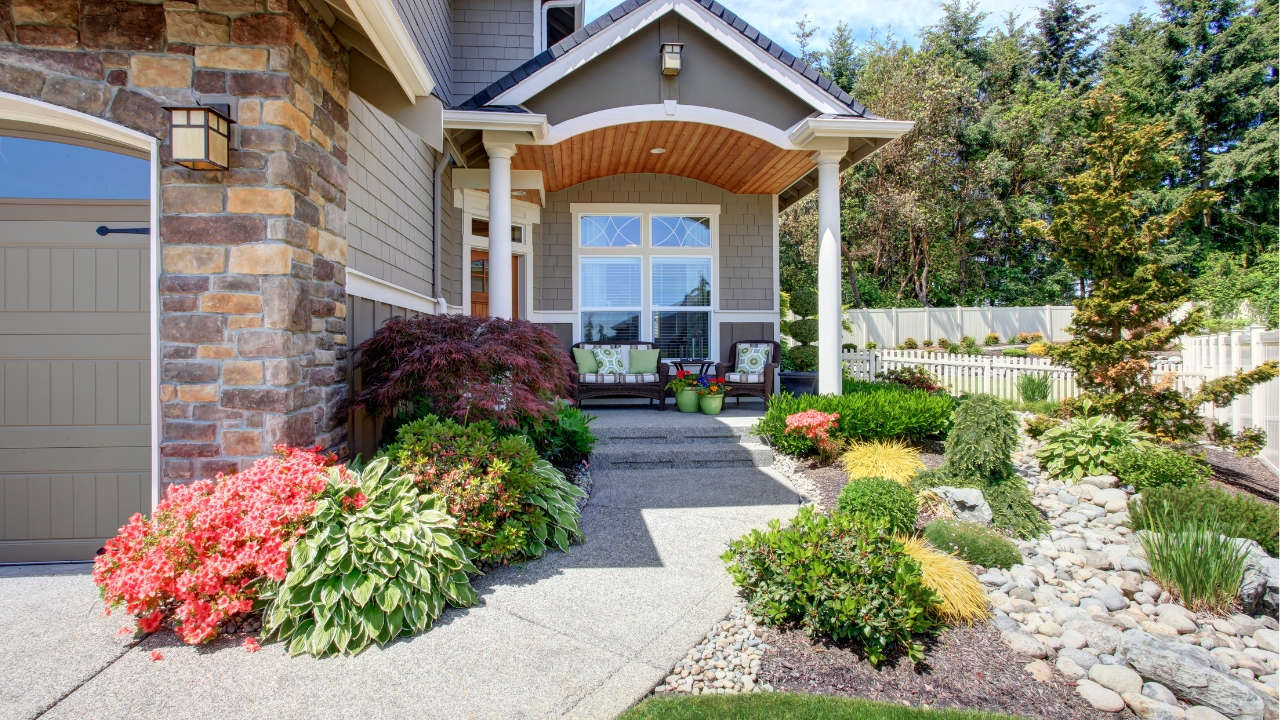
If one side of your walkway is full and colorful while the other’s sparse or empty, it creates an obvious imbalance. Even if you’re not going for symmetry, you want both sides to feel purposeful. Mulch, pots, or even shrubs can help fill gaps without overdoing it.
A Walkway That’s Off-Center

A walkway that doesn’t lead naturally from the street to the door can make the yard feel disconnected. If it curves too sharply or hugs one edge, it pulls attention away from the house itself. Even a small adjustment with lighting or edging can help guide the eye back to center.
Plants That Are All the Same Height
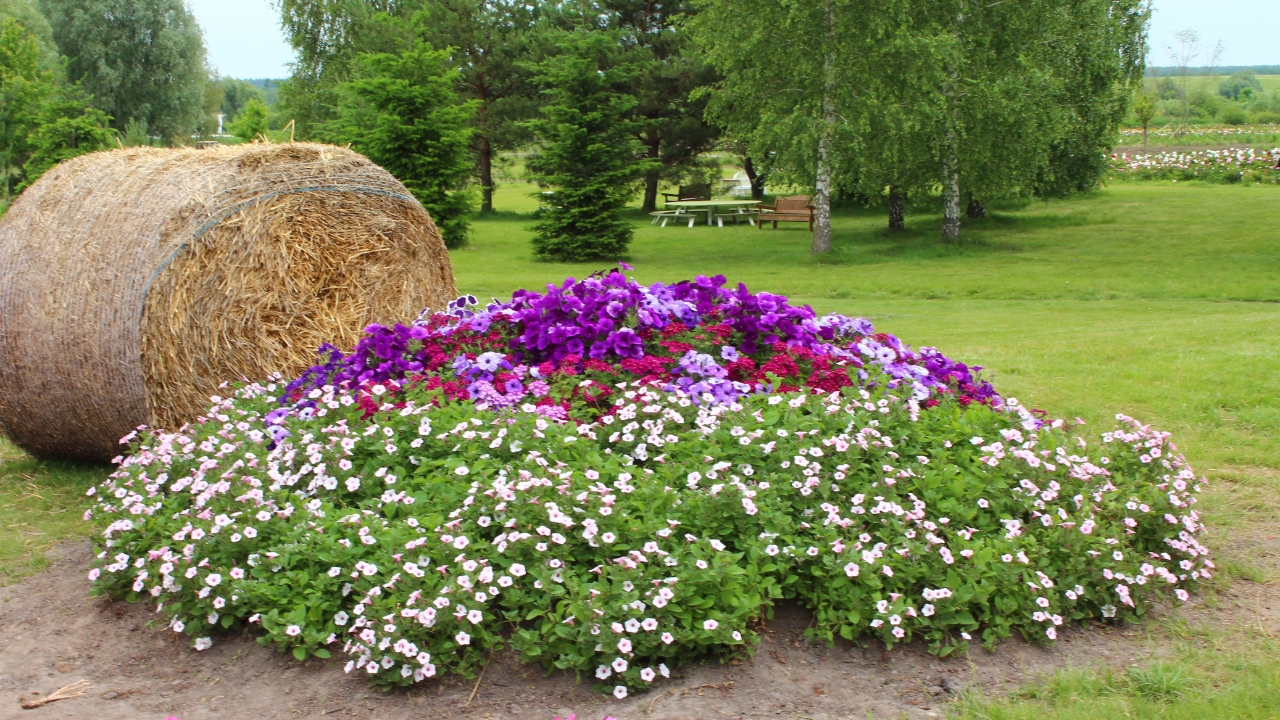
A row of shrubs or flowers that’s the same height across the board ends up looking flat. Layering height—from ground covers to mid-size shrubs to taller accents—adds structure. Without those layers, the yard feels unfinished and almost too tidy.
Overcrowded Decor on One Side
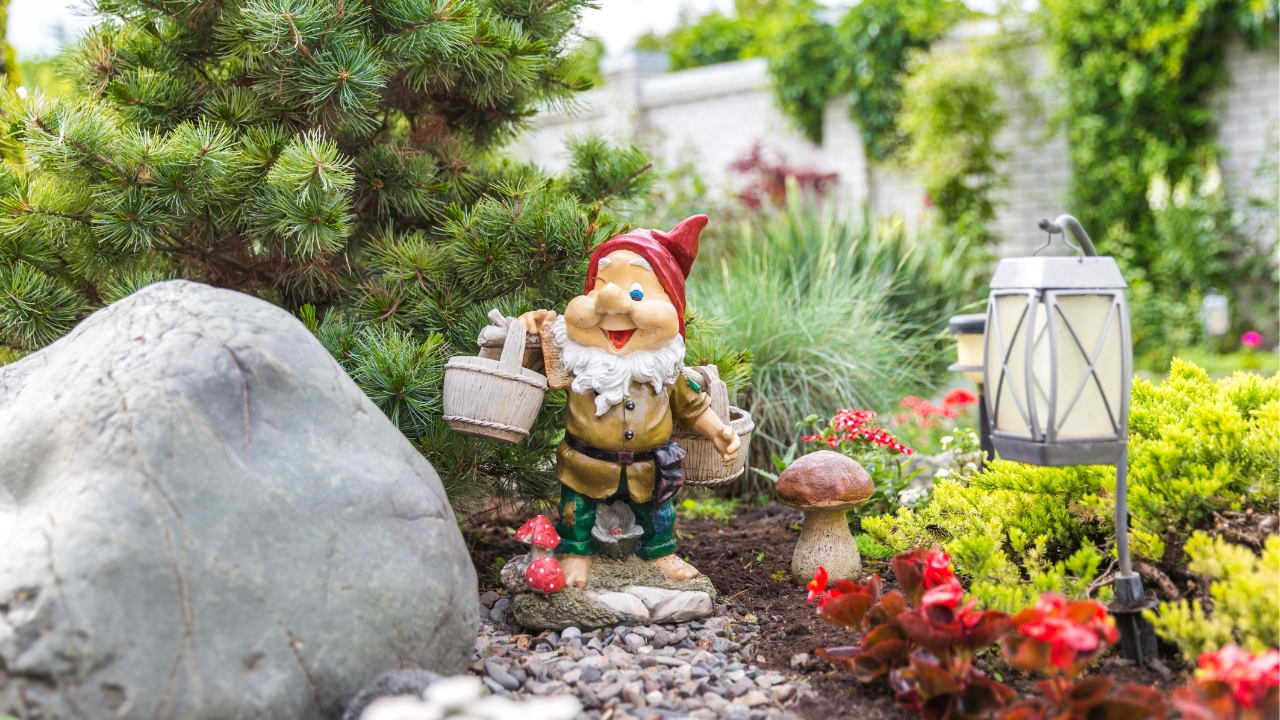
When all the yard décor—planters, statues, benches—is clustered in one spot, it throws things off. A few items grouped together can work, but balance it with weight or color on the other side. Otherwise it starts to feel cluttered instead of curated.
A Bare Spot That’s Always Muddy
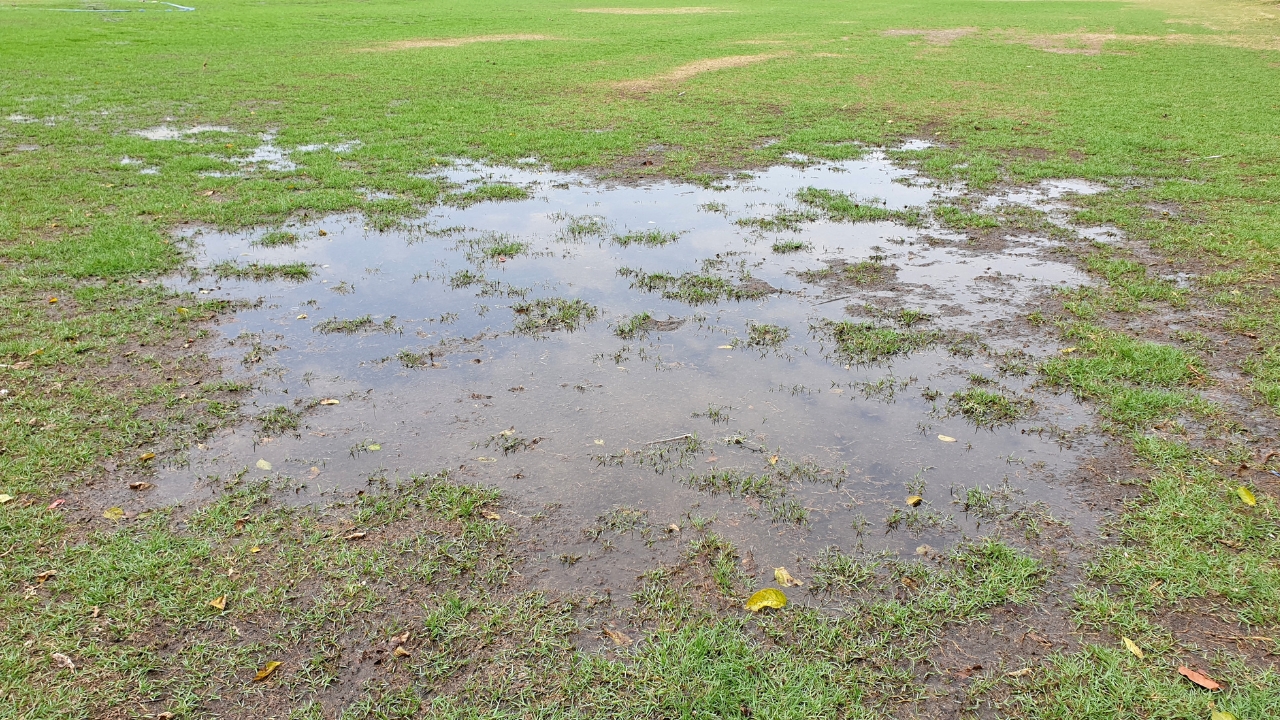
If one patch of the yard never seems to grow anything and stays wet, it draws attention for the wrong reasons. That imbalance stands out, even if everything else looks good. Consider improving drainage or covering it with gravel or stepping stones so it stops being a visual sore spot.
Lights That Don’t Match or Line Up
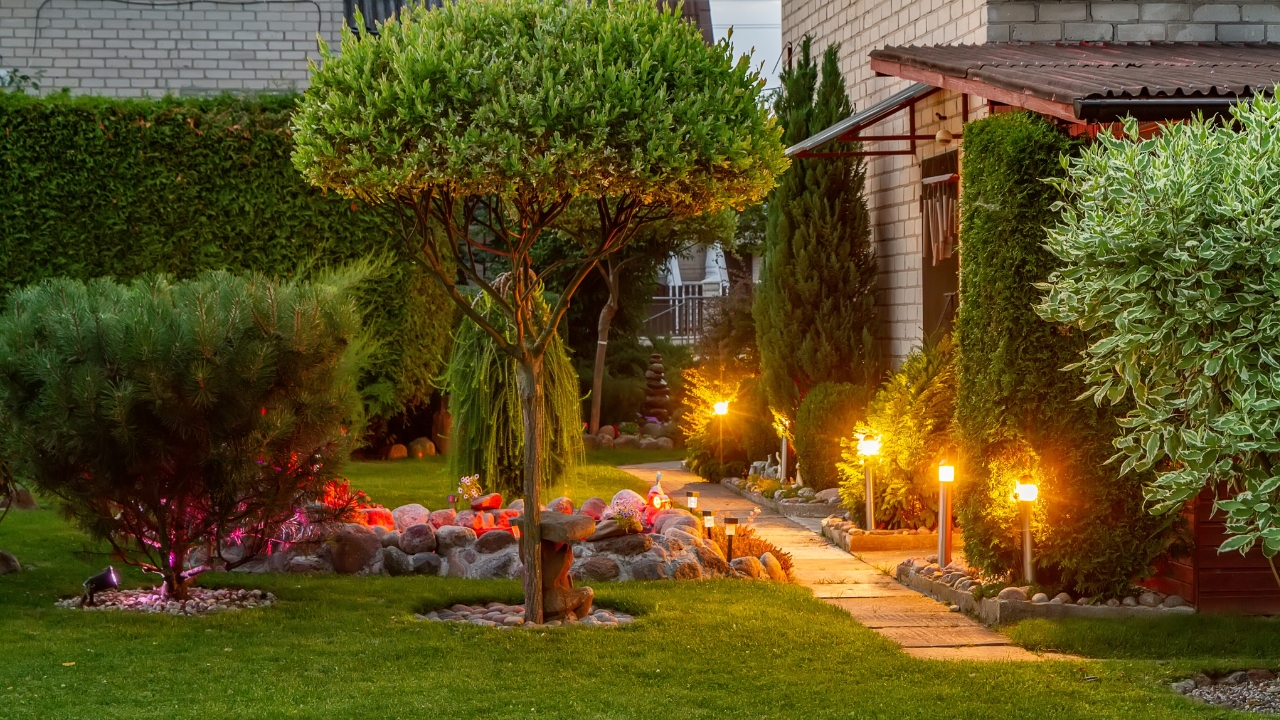
Mismatched lighting—especially solar lights—can quickly make things look patchy. If they’re leaning, different styles, or randomly spaced, it makes the whole setup feel uneven. Stick to one type, space them consistently, and double-check they’re aimed where they’re supposed to be.
One Side of the House Has a Bed—The Other Doesn’t
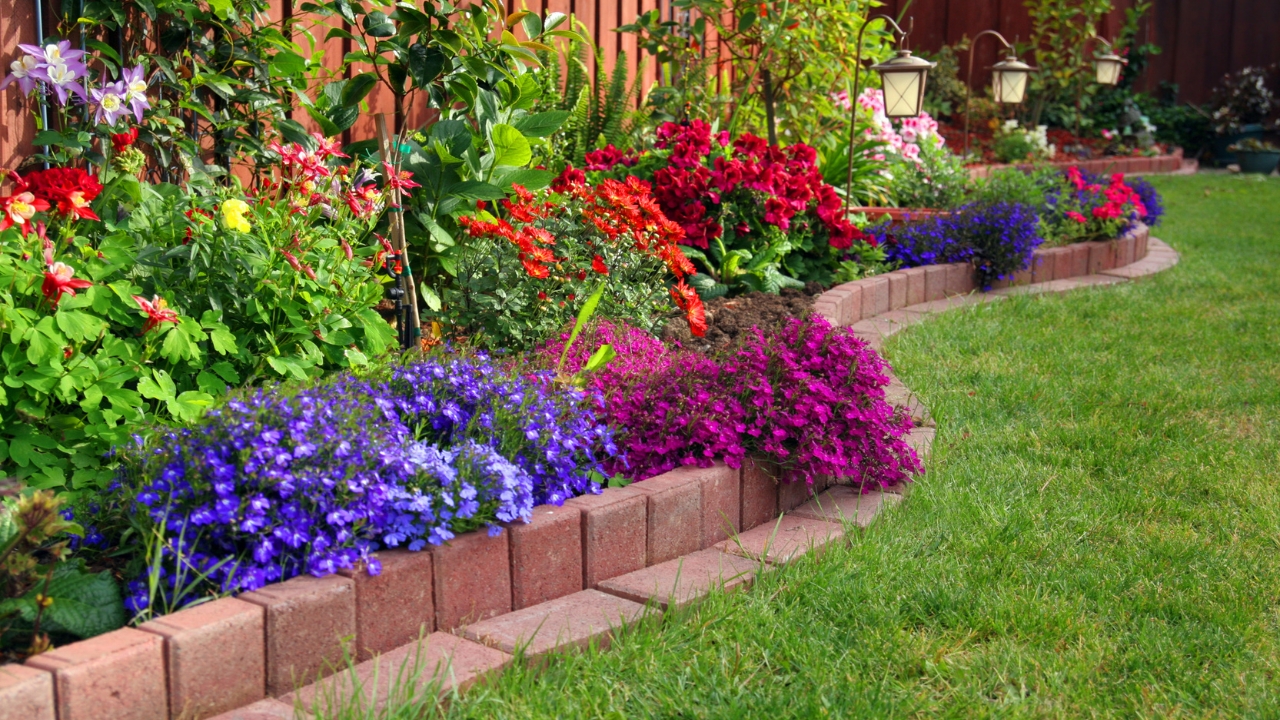
Planting a flower bed along one side of the porch or foundation without mirroring or offsetting it makes the front feel heavy on one side. You don’t need to copy it exactly—just add something that visually carries weight across both sides of the home.
Shrubs That Block Part of the House
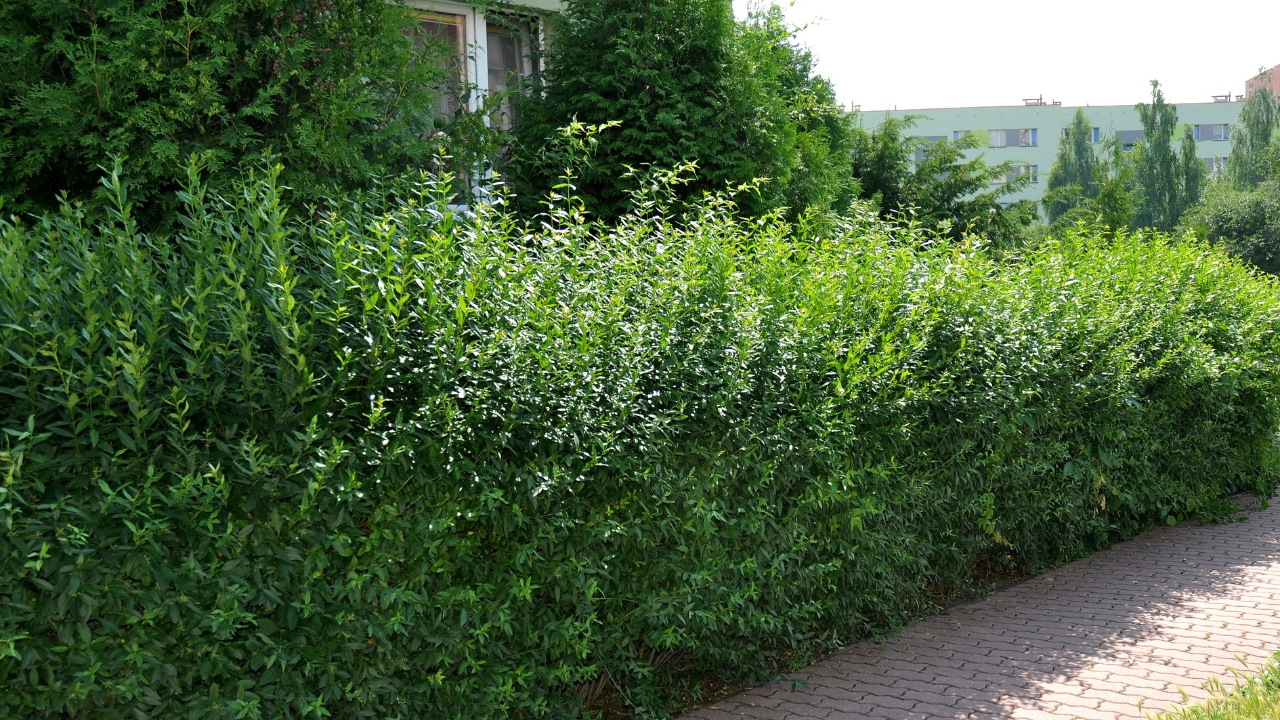
Large, bushy shrubs that cover windows or stretch across half the front entry throw off the balance between house and yard. Trim them back or swap them for something lower that frames the home instead of hiding it. You want to highlight the architecture, not smother it.
Fencing That Cuts Across at a Weird Angle
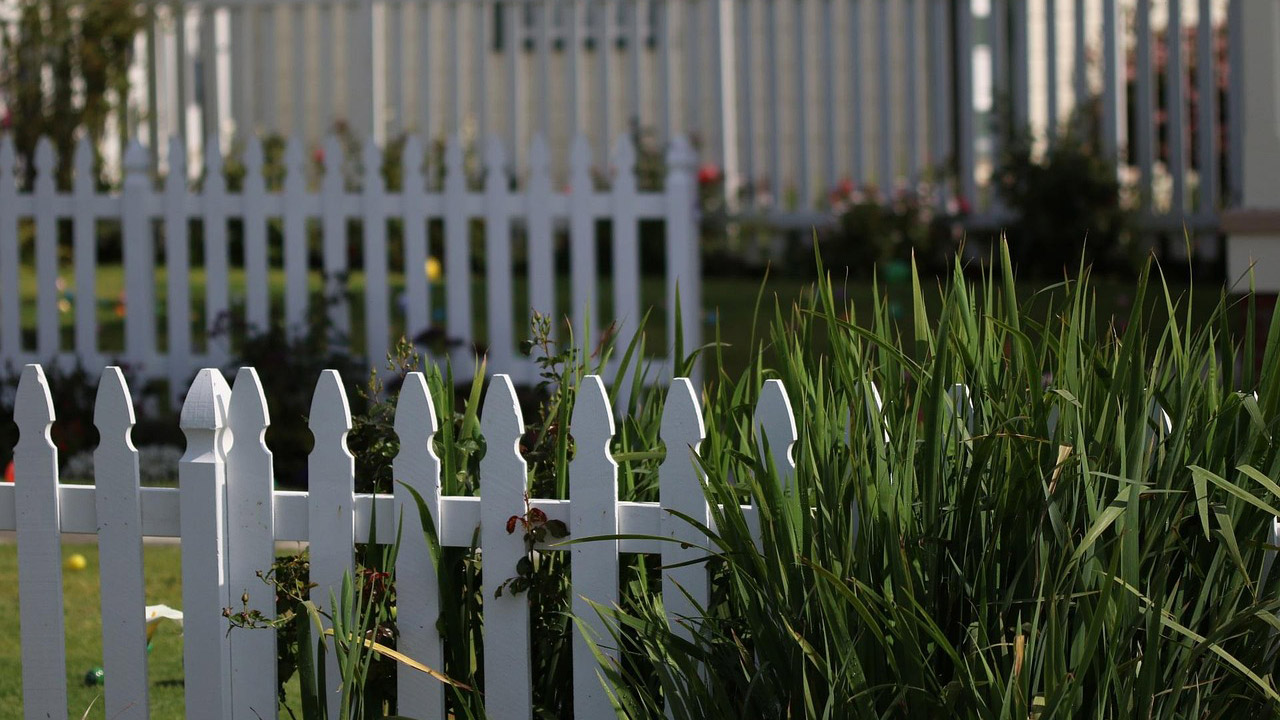
Partial fences or barriers that cut the yard diagonally—or start in an odd spot—make everything feel off. Unless it’s absolutely necessary, fences should frame a space, not fight it. If you need one for function, look for ways to soften the visual with landscaping.
*This article was developed with AI-powered tools and has been carefully reviewed by our editors.