10 Electrical Fixes You Should Absolutely Never Touch Yourself
Electricity isn’t something you mess with lightly. A little mistake can cause fires, injury, or worse. While changing a light fixture or swapping out an outlet cover is usually fine, there are certain electrical jobs that cross the line into dangerous territory fast. If it involves wiring that feeds multiple circuits, the breaker panel, or anything near water, it’s time to pick up the phone and call a licensed electrician.
These are the electrical fixes you should absolutely never tackle yourself—no matter how many YouTube videos you watch.
Upgrading or Replacing a Breaker Panel
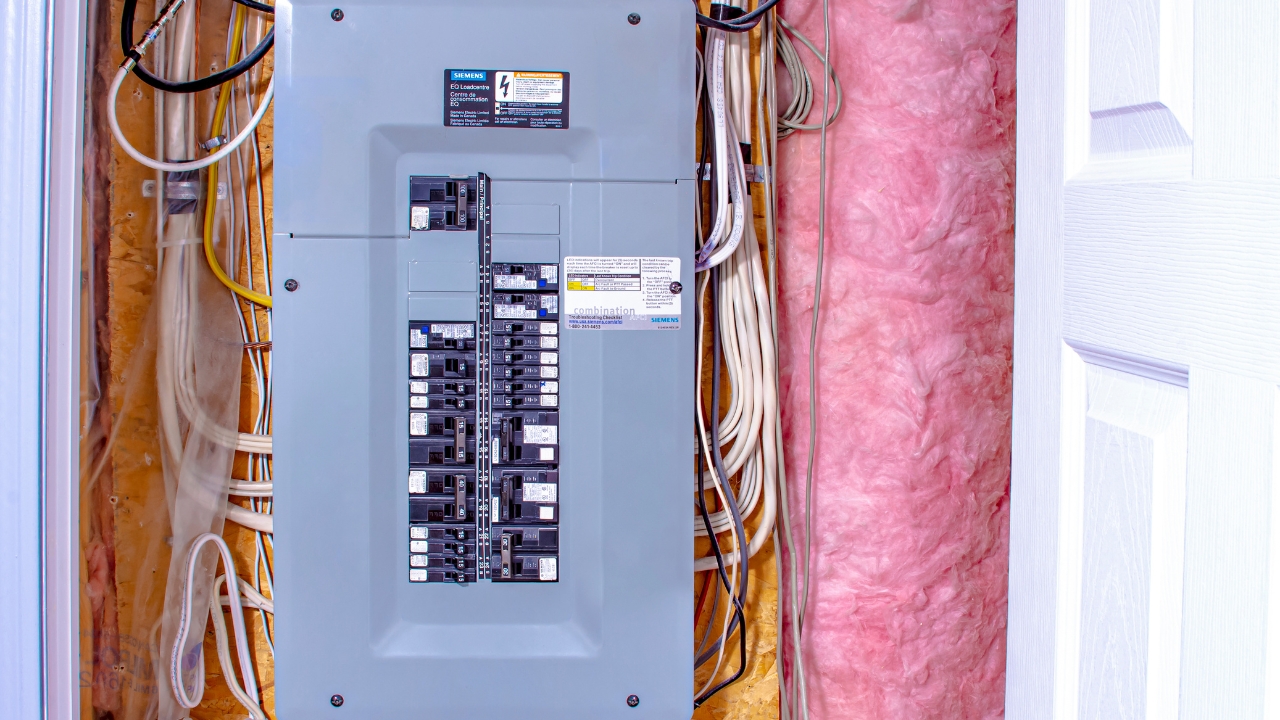
Messing with the main breaker box is flat-out dangerous. You’re dealing with high-voltage lines that stay live even if the breakers are shut off.
One wrong move can cause severe injury, start a fire, or damage every circuit in your house. If your panel’s outdated, undersized, or faulty, this is always a job for a professional.
Running New Circuits

Adding a new outlet might seem simple, but running a completely new circuit is a different ballgame. It involves connecting to the main panel and correctly calculating load limits.
Do this wrong, and you can overload the system or cause shorts that damage appliances—or worse. This job has to be done to code, and it’s worth every penny to leave it to an electrician.
Wiring Hot Tubs or Pools
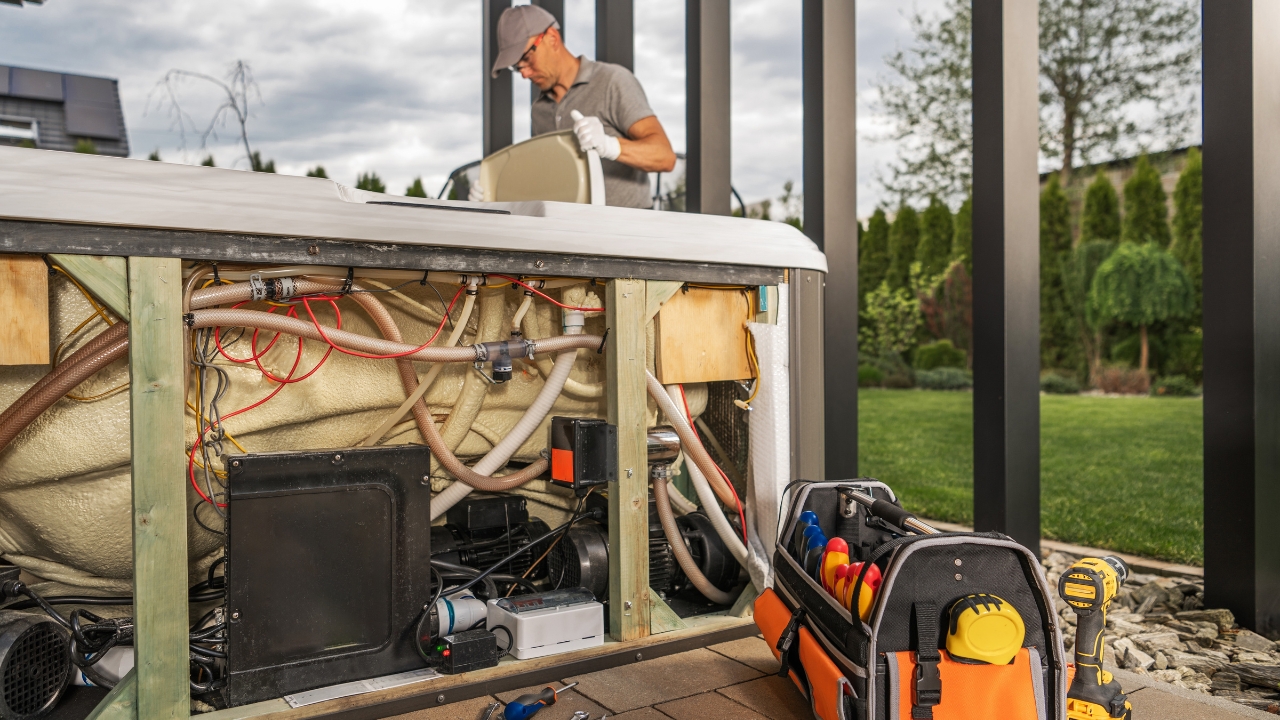
Anything that mixes water and electricity needs to be handled by someone who knows exactly what they’re doing. Pool pumps, hot tubs, and backyard spas require special wiring, grounding, and GFCI protection.
Bad wiring here can cause electrical shocks or fires. This isn’t the place to take chances or guess your way through.
Installing 240-Volt Outlets
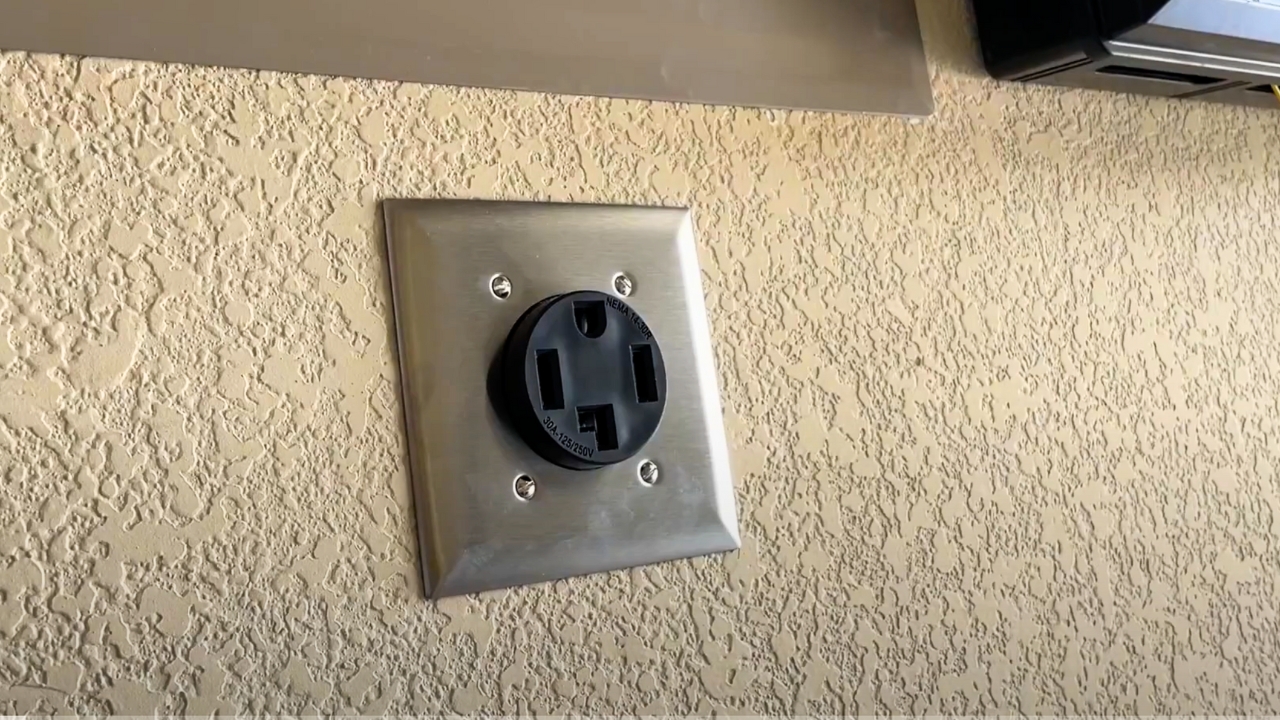
If you’re adding appliances like dryers, welders, or EV chargers, you’re looking at 240-volt lines. These carry double the voltage of regular household outlets.
Getting this wrong isn’t just dangerous—it can wreck the appliance and cause a fire. These setups demand exact wiring, correct breakers, and grounding. Definitely a pro job.
Fixing Aluminum Wiring Problems
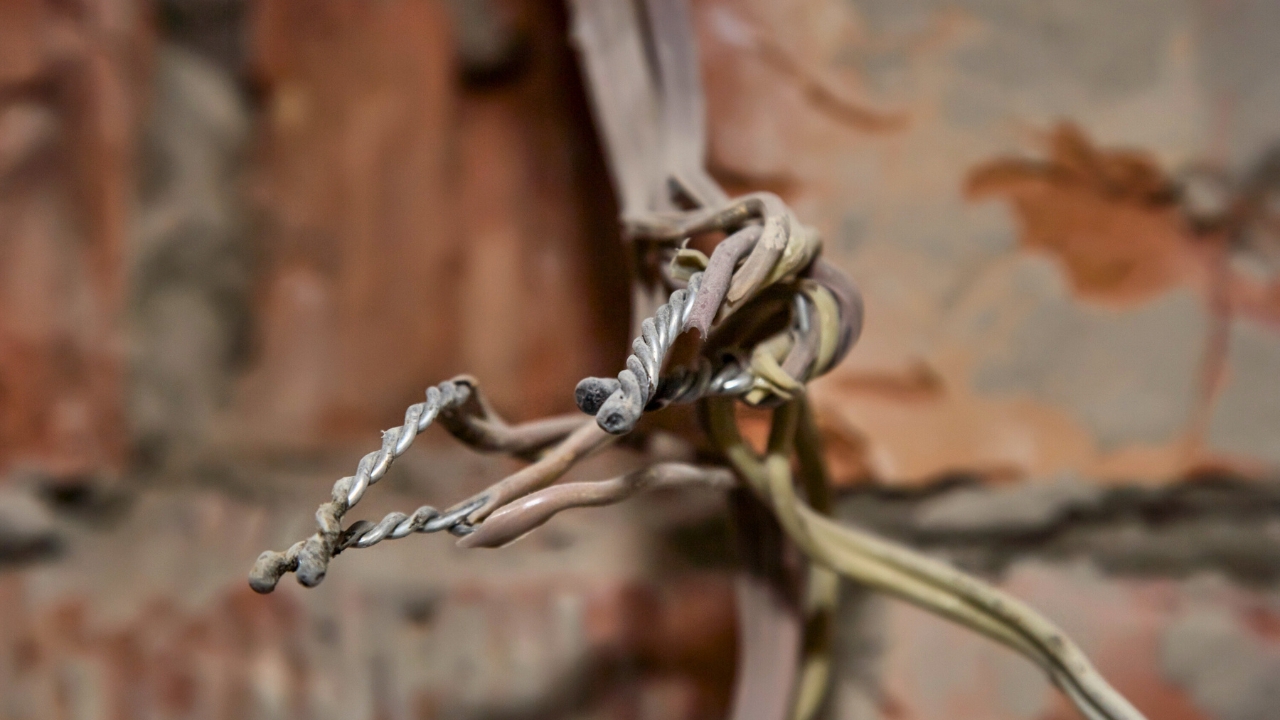
If your house was built in the ‘60s or ‘70s, it might have aluminum wiring, which is a fire risk if not handled correctly. Repairing or upgrading these circuits isn’t a DIY job.
Aluminum expands and contracts more than copper, which can cause loose connections and overheating. Only electricians know the safe methods to deal with this.
Working on Old or Knob-and-Tube Wiring
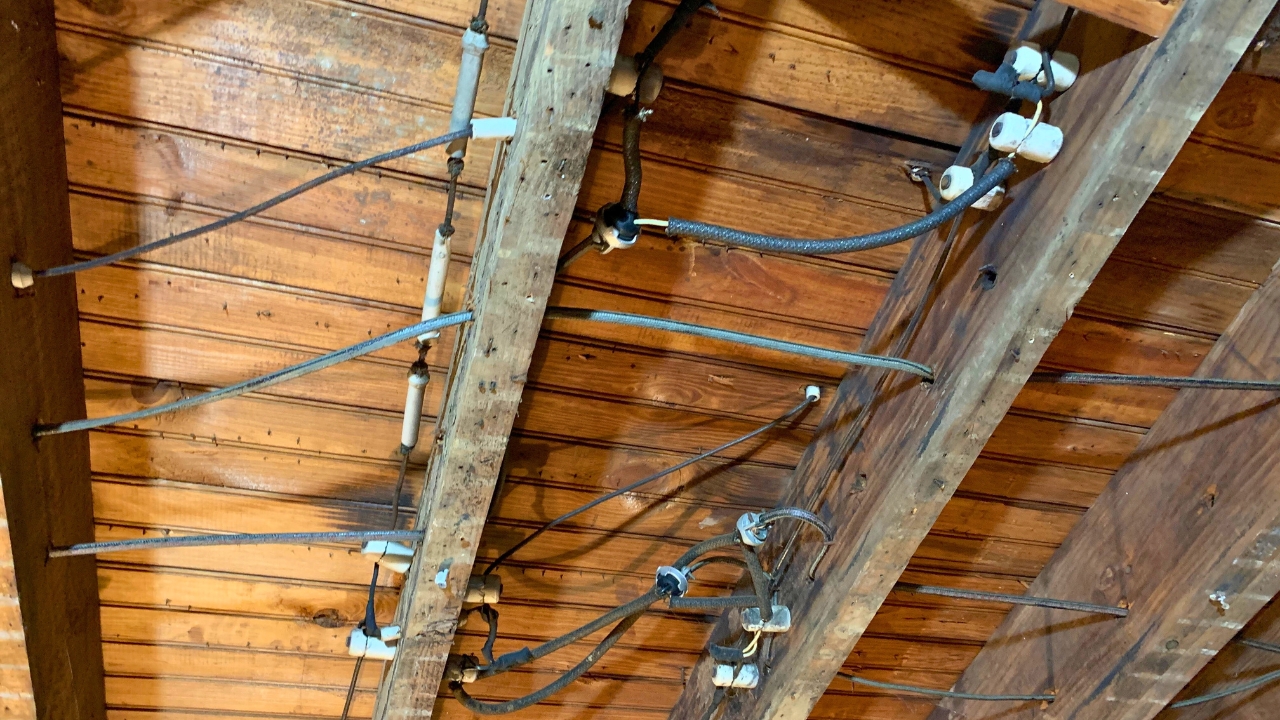
Older homes with knob-and-tube wiring or other outdated systems are an accident waiting to happen if you try to patch or modify it yourself.
These systems weren’t designed for modern power loads. They often lack grounding and proper insulation. Fixing it means more than splicing wires—it’s full-on rewiring, and it’s dangerous without the right training.
Installing or Repairing Transfer Switches
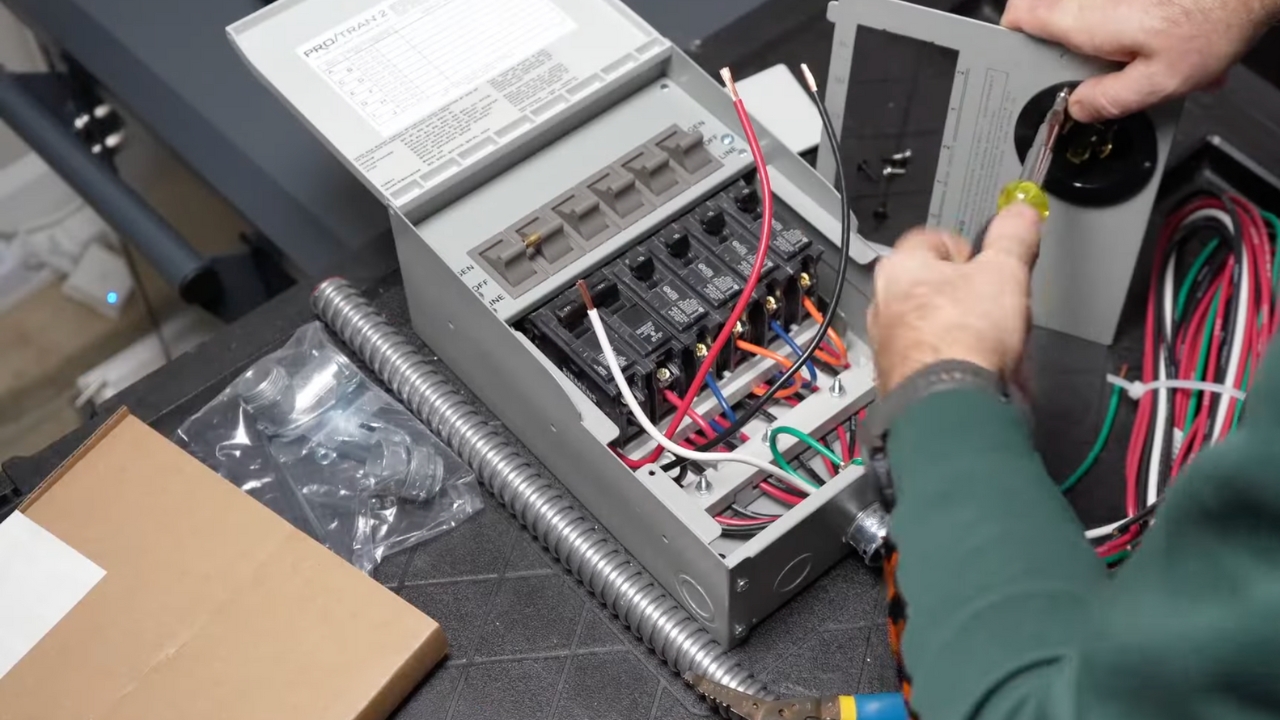
Want to hook up a backup generator? That requires a transfer switch, which connects directly to your electrical panel.
Installed incorrectly, it can send power back onto the grid during an outage, risking the lives of line workers. This is highly regulated for a reason—it has to be installed by a licensed electrician.
Rewiring After Flood or Fire Damage
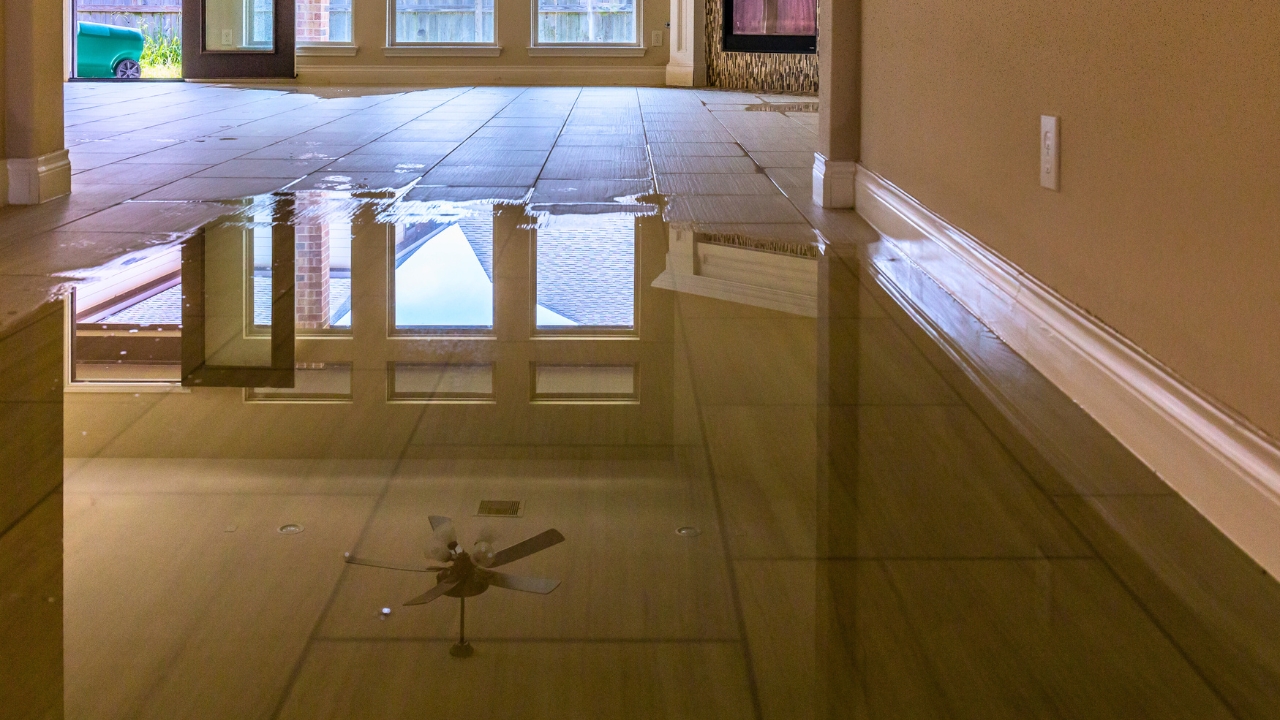
If your house has had a fire or flood, the wiring may be damaged in ways you can’t even see. Moisture and heat can degrade insulation and corrode connections.
Trying to salvage or repair this wiring yourself is asking for an electrical fire. Only a licensed electrician can inspect, test, and replace it safely.
Adding Subpanels
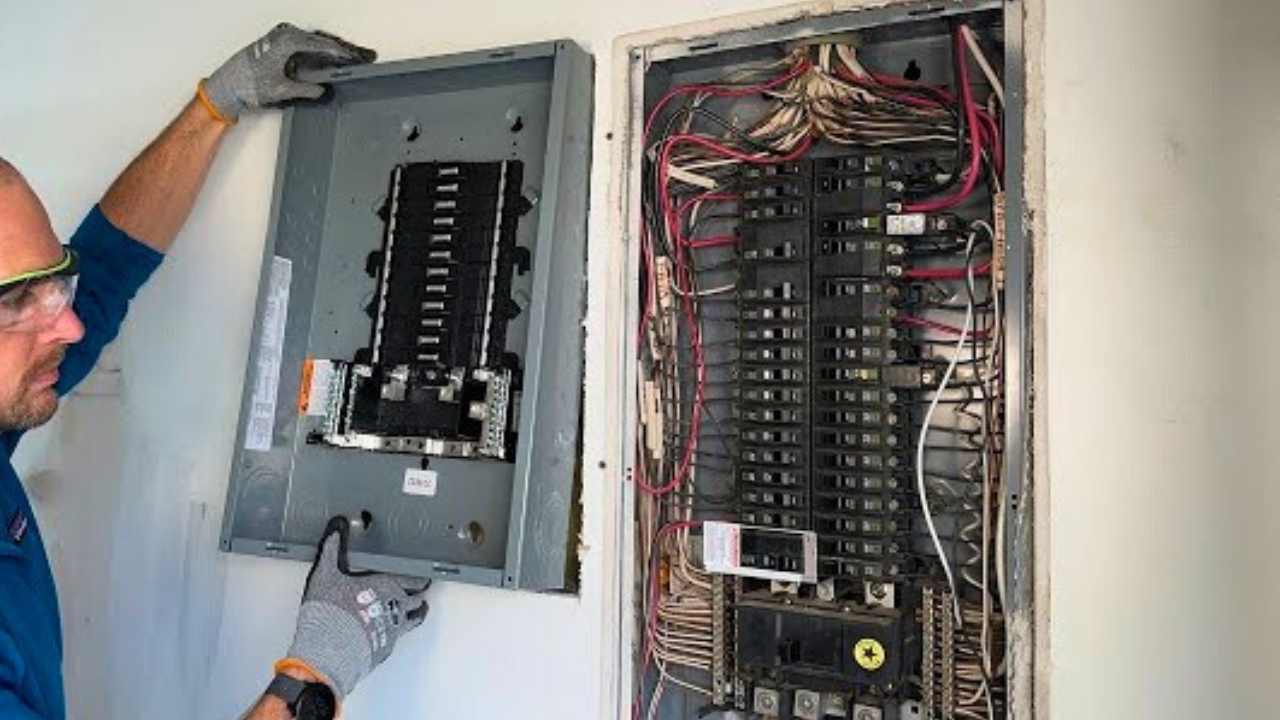
Adding a garage subpanel or workshop power sounds like a great idea until you realize it means running large gauge wire, correctly balancing load across phases, and installing proper breakers.
If you do this wrong, it can fry tools, trip constantly, or worse—start a fire. Leave subpanel installs to the pros.
Repairing Hidden or Buried Wiring
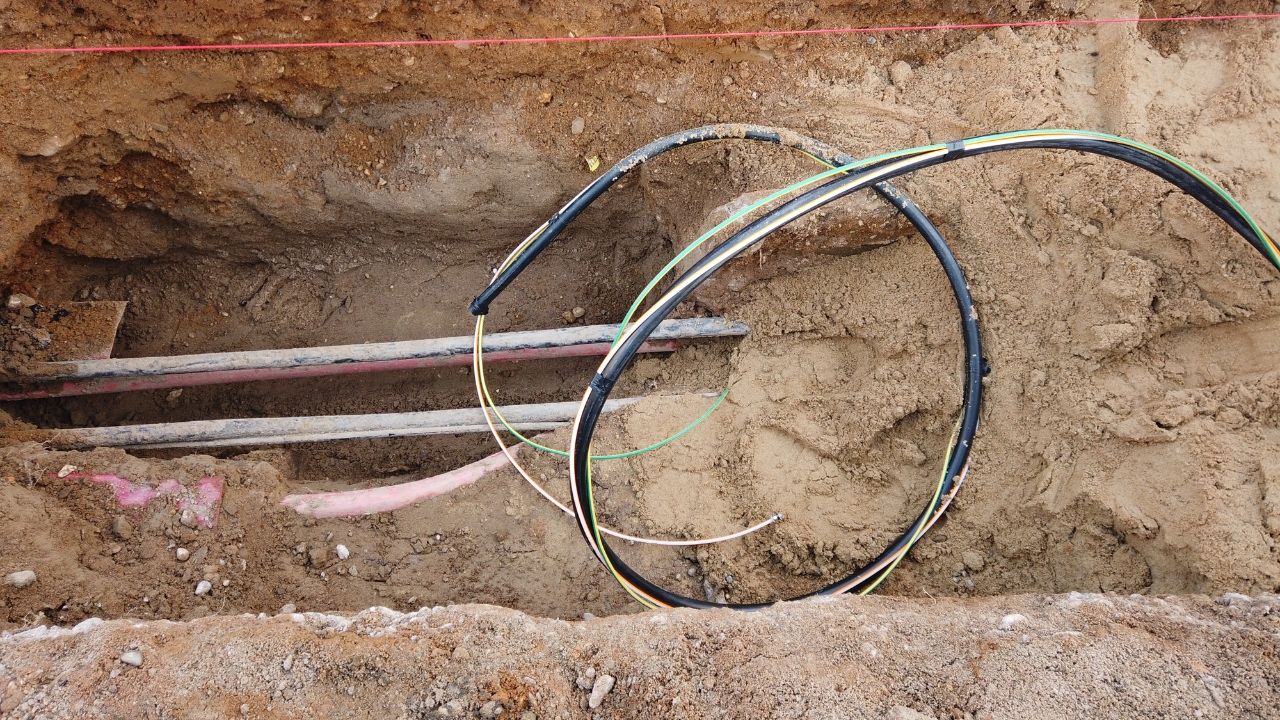
Outdoor lighting, sheds, and underground wiring come with extra risks. If the cable’s damaged underground or behind walls, you’re risking shorts or shocks every time it rains.
Locating and repairing buried lines safely takes special equipment and knowledge of how to insulate and protect connections properly.
*This article was developed with AI-powered tools and has been carefully reviewed by our editors.