10 Fixes That Made a Big Difference in Indoor Temperature
Keeping the inside of your house comfortable during a hot summer or a freezing cold snap doesn’t always mean cranking the AC or blasting the heater. A few small, smart upgrades can make a noticeable difference.
Some fixes are surprisingly low-effort, but they go a long way in stabilizing temperature and making your space feel better year-round. If your house is always too warm or too drafty, these are the kinds of improvements worth knocking out.
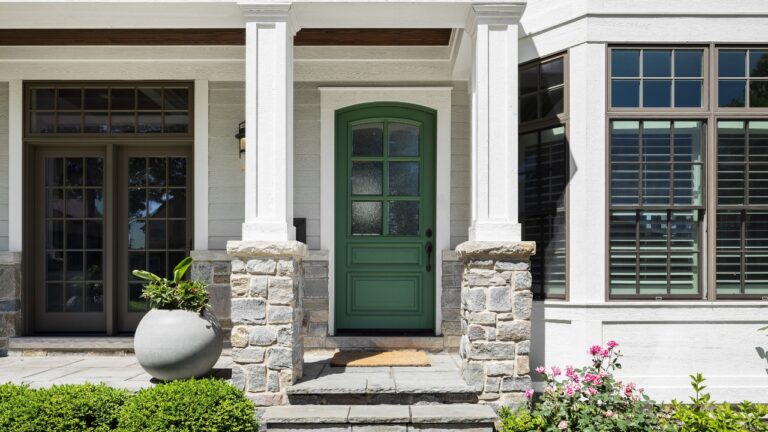
Adding Weatherstripping Around Doors

If you feel a breeze near your door when it’s closed, you’re likely losing air—and money. Adding fresh weatherstripping is one of the quickest ways to cut drafts and help your home hold its temperature longer.
This fix doesn’t take much time or money, but it makes a clear difference, especially around exterior doors. It helps the AC or heat work more efficiently and keeps bugs and dust out, too.
Sealing Gaps Around Windows
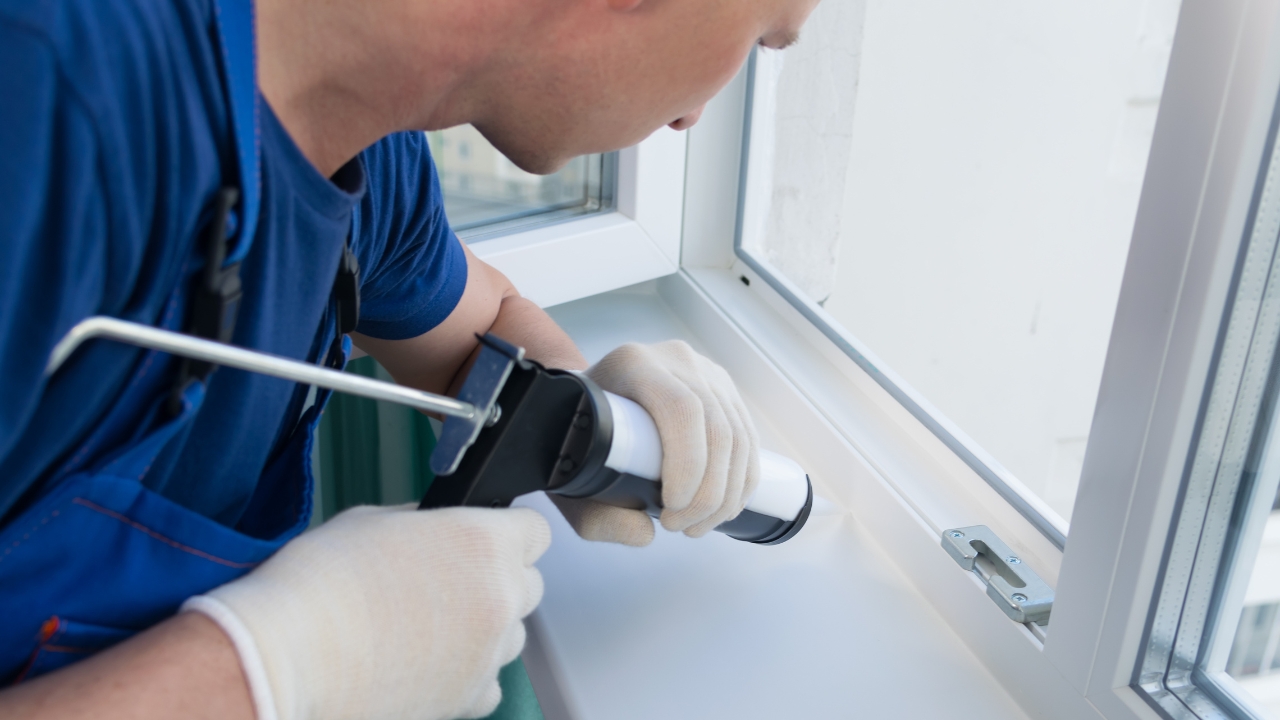
Even newer homes can have small gaps around window frames that leak air. A quick bead of caulk or foam sealant in the right spots helps stop hot air from sneaking in during the summer.
This is one of those fixes that’s easy to overlook until you realize how much of your cooled air is escaping. Once sealed up, you might notice your rooms stay cooler longer—and your energy bill might even thank you.
Installing Blackout Curtains
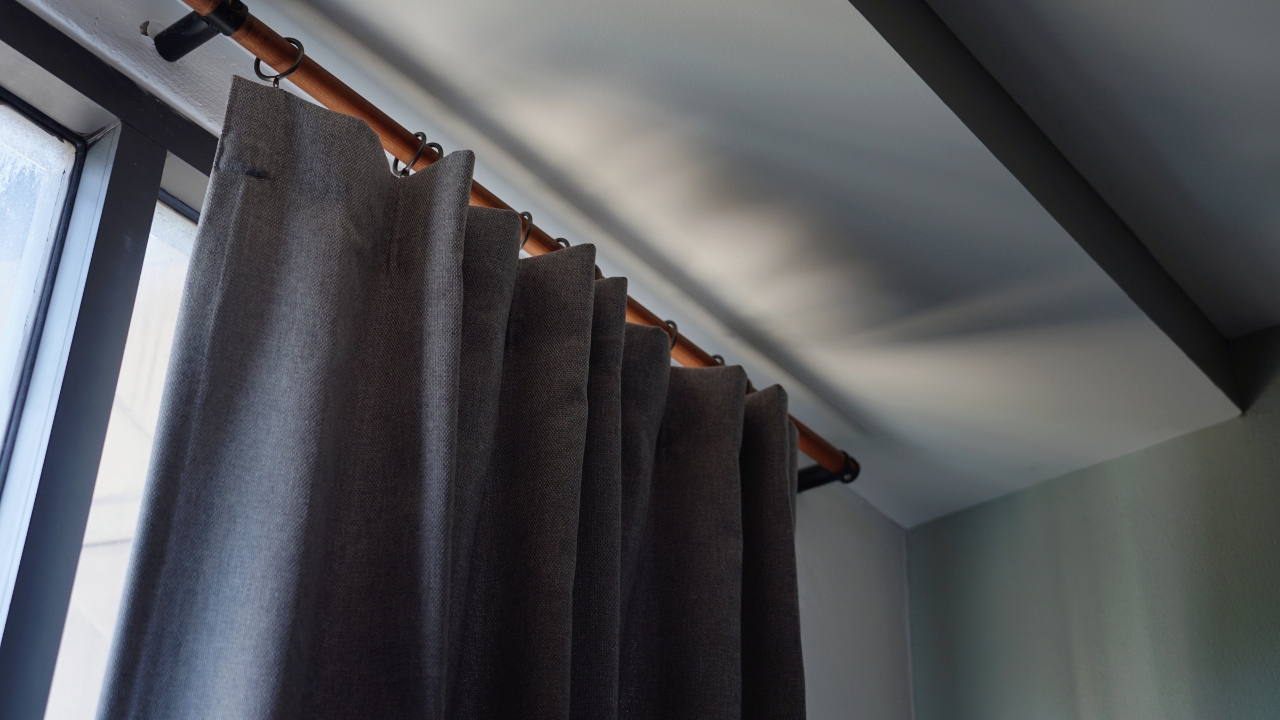
Blackout curtains don’t just help you sleep in. They also block out heat in the summer and hold it in during the winter. If you’ve got sun-facing windows, this swap can make a noticeable difference.
You’ll feel the change almost immediately in the afternoons. Rooms that used to heat up like a greenhouse stay cooler, and you don’t have to fight the thermostat to feel comfortable.
Swapping Ceiling Fan Direction
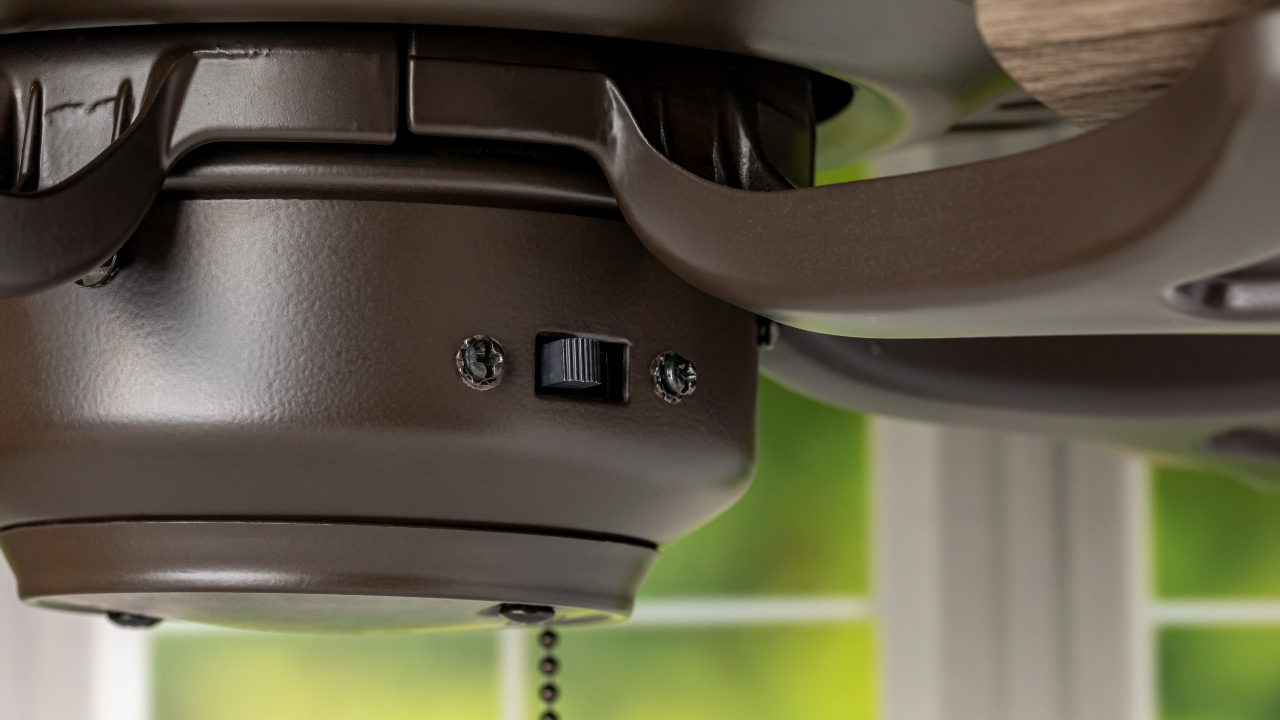
Your ceiling fan has a switch on it for a reason. In summer, it should spin counterclockwise to push cool air down. In winter, flip it clockwise to pull warm air up and circulate it.
This tiny change helps your heating and cooling systems work more effectively, especially in rooms with higher ceilings. You’ll feel more consistent temps throughout the house without running your AC or heat nonstop.
Adding a Door Sweep
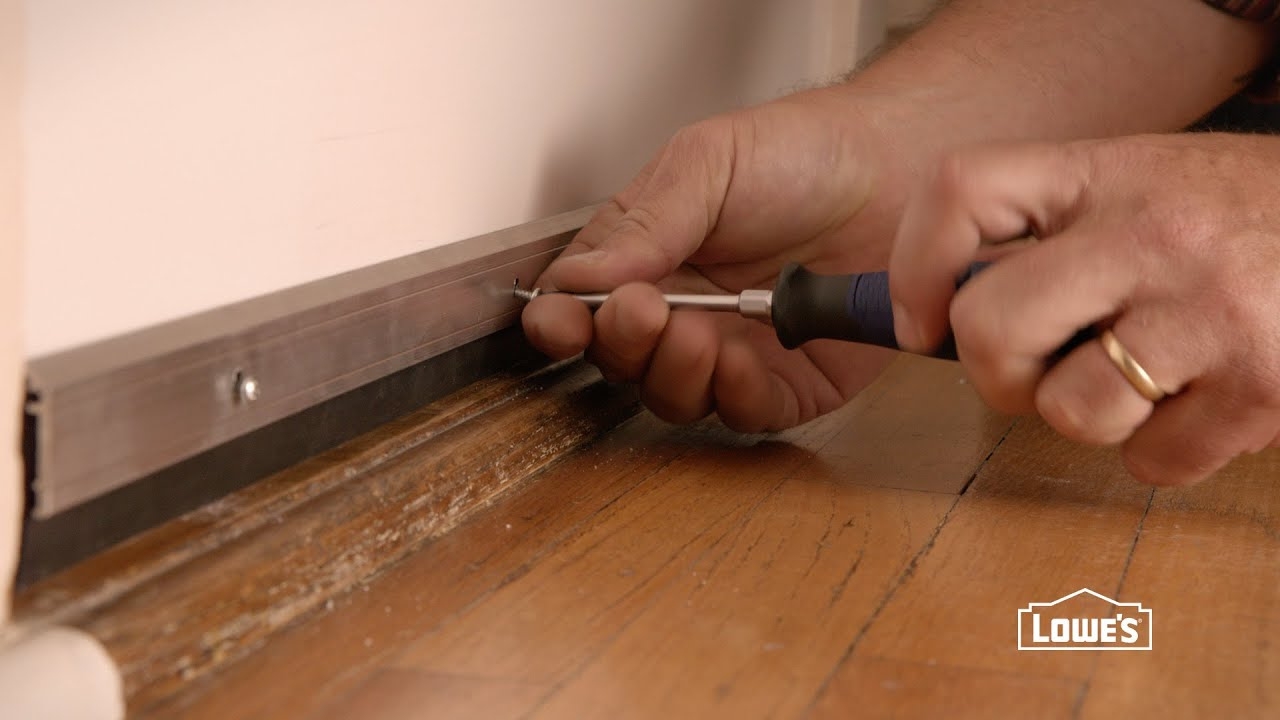
A gap under the door can let in more heat or cold than you’d think. A door sweep covers that space and helps control indoor temperature without having to fully replace the door.
It’s a quick fix that makes a big difference, especially if the door leads to a garage or outside. You might be surprised how much cooler or warmer the room stays once it’s sealed up better.
Insulating the Attic Hatch

Even if your attic is insulated, the hatch door often isn’t—and that thin panel can let a lot of heat in during summer. Adding insulation to the hatch helps create a better seal.
You can buy an insulation cover or make one with foam board and weatherstripping. Once in place, it helps keep your hallway or upstairs area from heating up like an oven.
Covering Vents in Unused Rooms
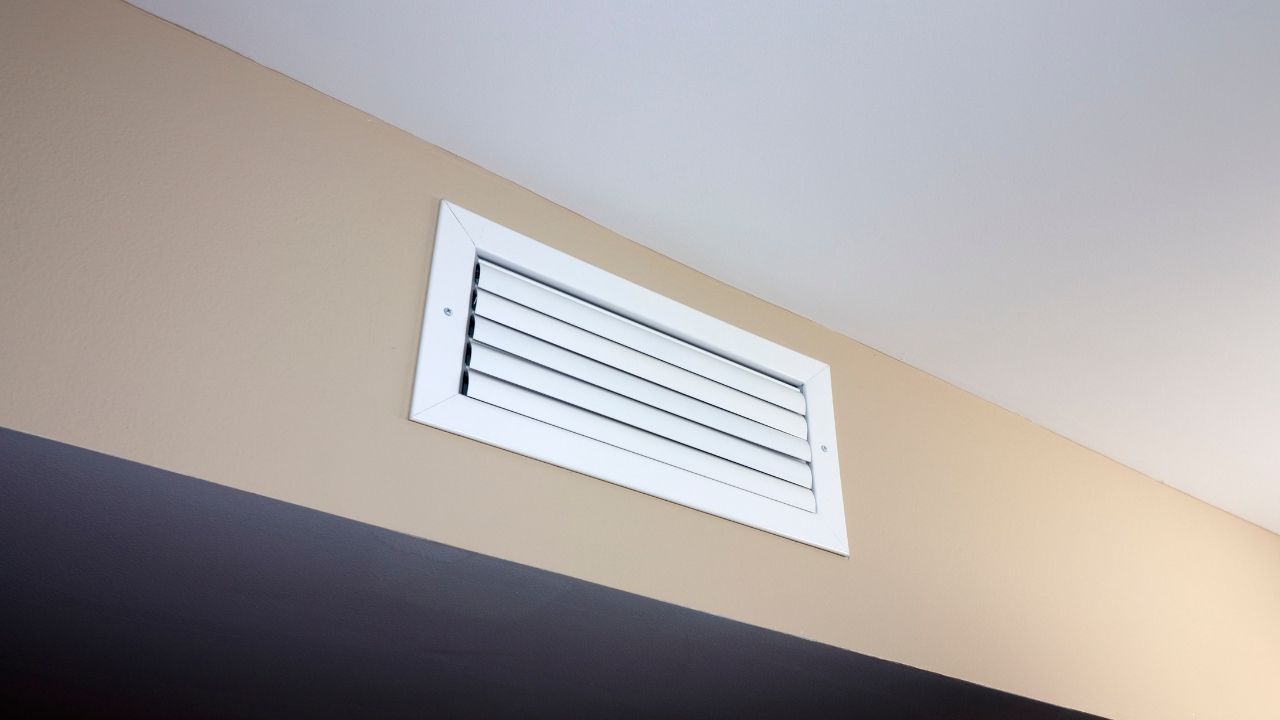
If you’ve got rooms you don’t use much—like a guest room or storage room—closing the vent and covering it can help redirect airflow where it’s actually needed.
This doesn’t mean sealing vents permanently, but temporarily blocking airflow can help the rest of your house cool or heat faster. It’s a smart seasonal trick that takes seconds to do.
Adding Insulated Outlet Covers
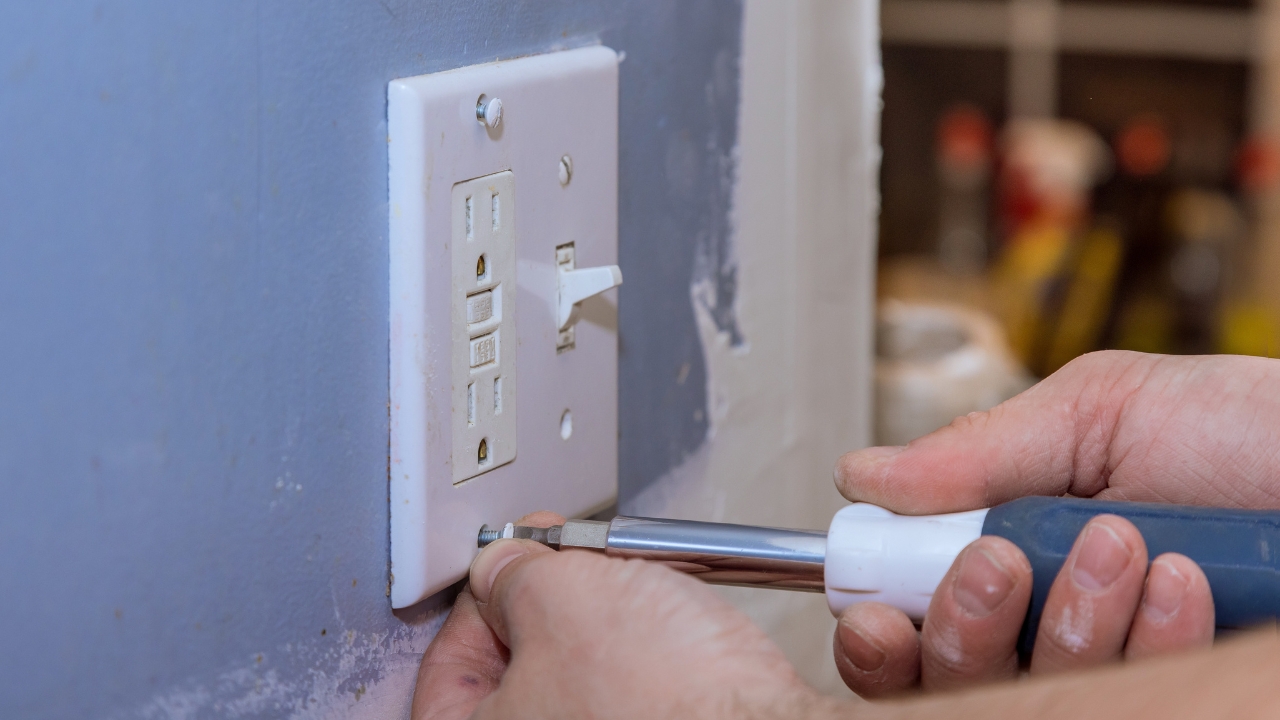
Exterior wall outlets and light switches can leak air through the tiniest gaps. Installing foam outlet gaskets behind the faceplates helps block heat and cold from sneaking in.
This fix is cheap, easy, and surprisingly effective—especially in older homes. It won’t transform your whole house overnight, but it’s one of those “stacked wins” that adds up with the others.
Cleaning or Replacing Air Filters
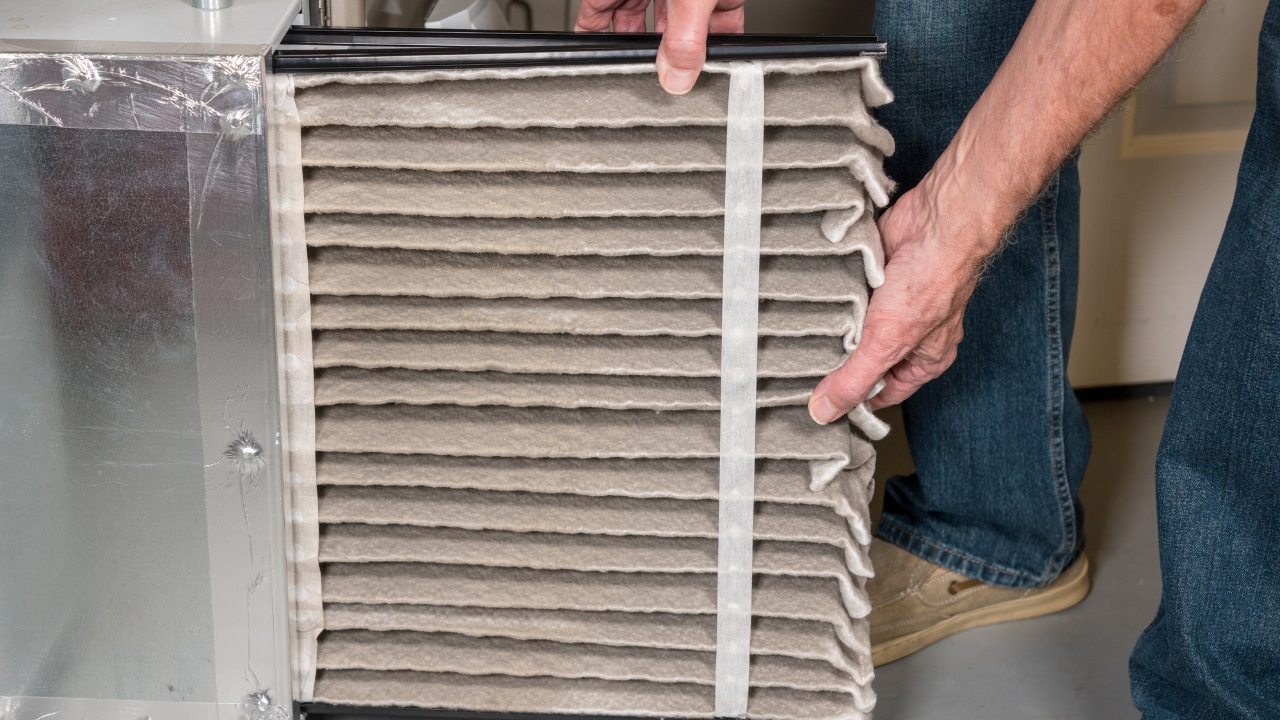
Dirty air filters restrict airflow and make your HVAC system work harder. Swapping them out every few months keeps the air moving freely and helps your system work better.
When airflow improves, so does temperature regulation. It’s one of the easiest maintenance tasks that has a real impact on how comfortable your home feels.
Sealing the Garage Door
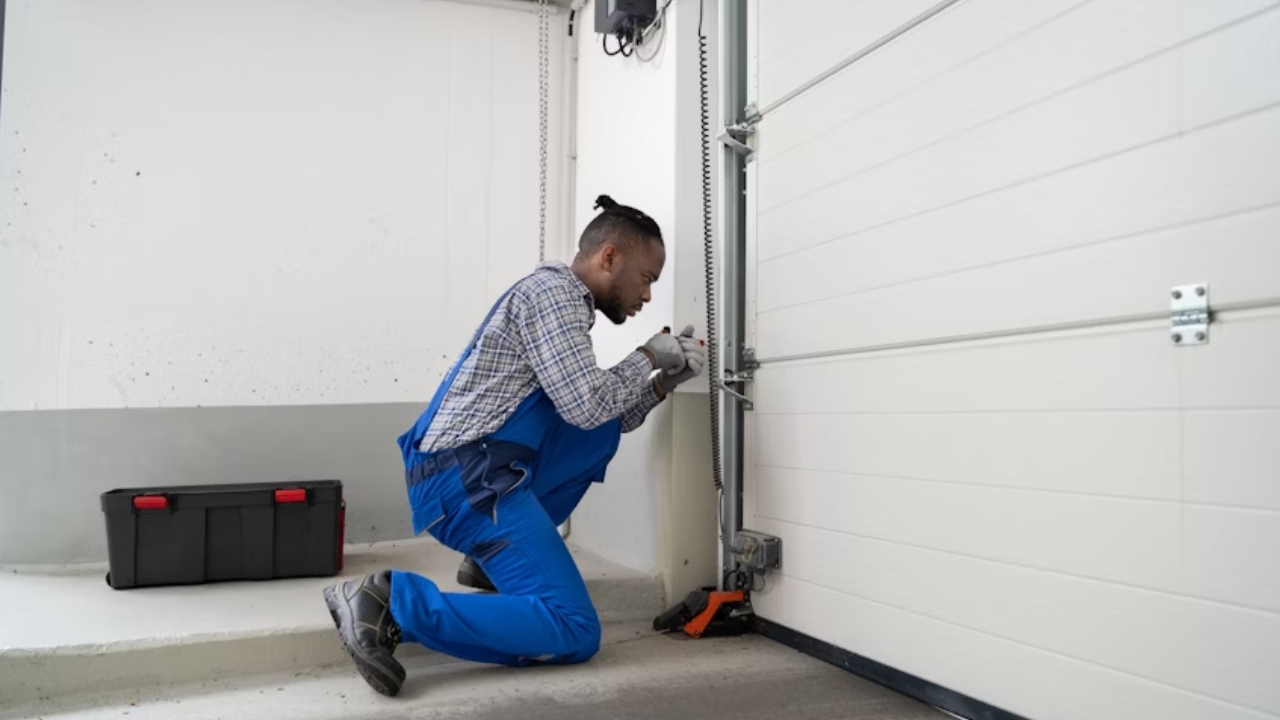
An unsealed garage door lets hot air bake the space, which can heat up any rooms next to or above it. Weatherstripping the edges and base helps buffer that temperature shift.
This fix won’t cool the garage like magic, but it does reduce heat transfer to the rest of the house. If you’ve got bedrooms or living space nearby, you’ll likely feel the difference.
*This article was developed with AI-powered tools and has been carefully reviewed by our editors.