10 Habits That Keep Kitchen Counters Clear Without Trying
A clear kitchen counter makes the whole house feel calmer, but keeping it that way can feel impossible with kids, groceries, and real life happening all day long. The trick isn’t more willpower—it’s building habits that quietly keep things from landing there in the first place.
These are the small shifts that make clear counters feel normal, not like a special occasion.
Have one “drop zone” that isn’t the counter
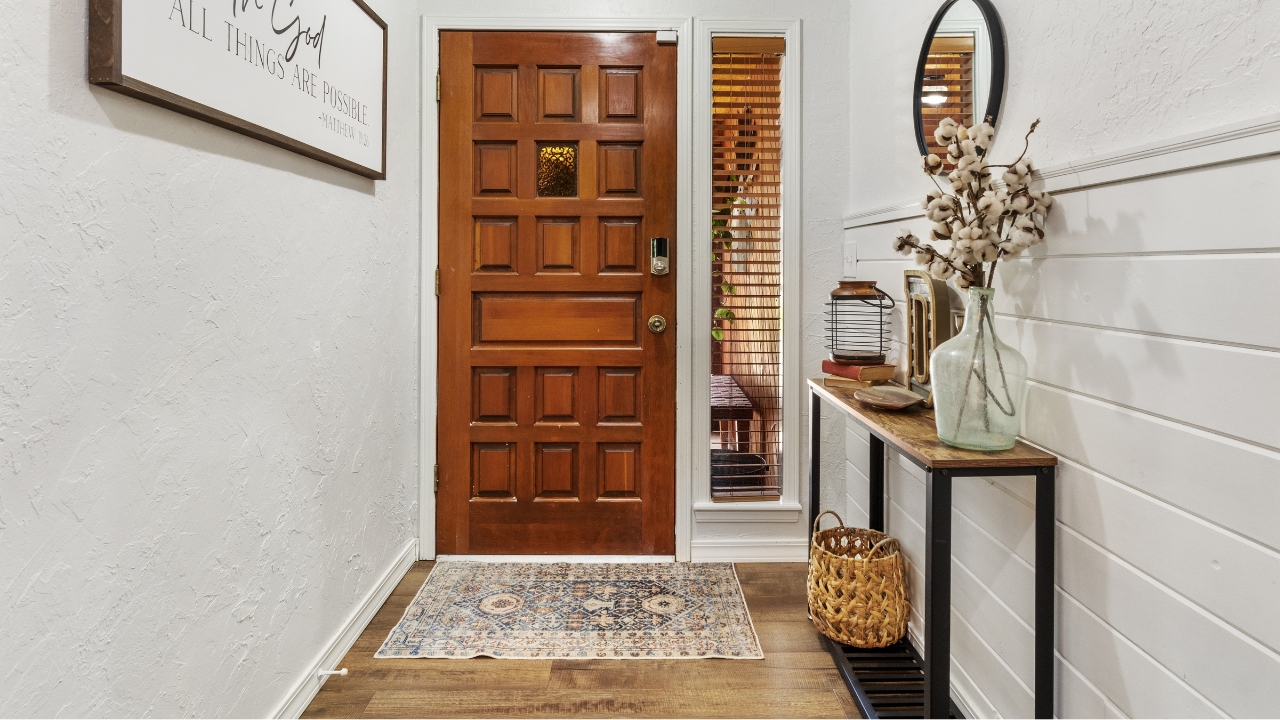
When you walk in with mail, keys, sunglasses, snacks, and kid things, all of it wants to land on the counter. Giving that stuff a tray, bowl, or small basket by the door or on a side table keeps it from taking over the kitchen.
Make it the official landing spot for mail, keys, and anything that needs to leave again. Once that habit sticks, you’ll notice a lot less random clutter sliding across the counters, because it never reaches them to begin with.
Clear and reset the sink before bed
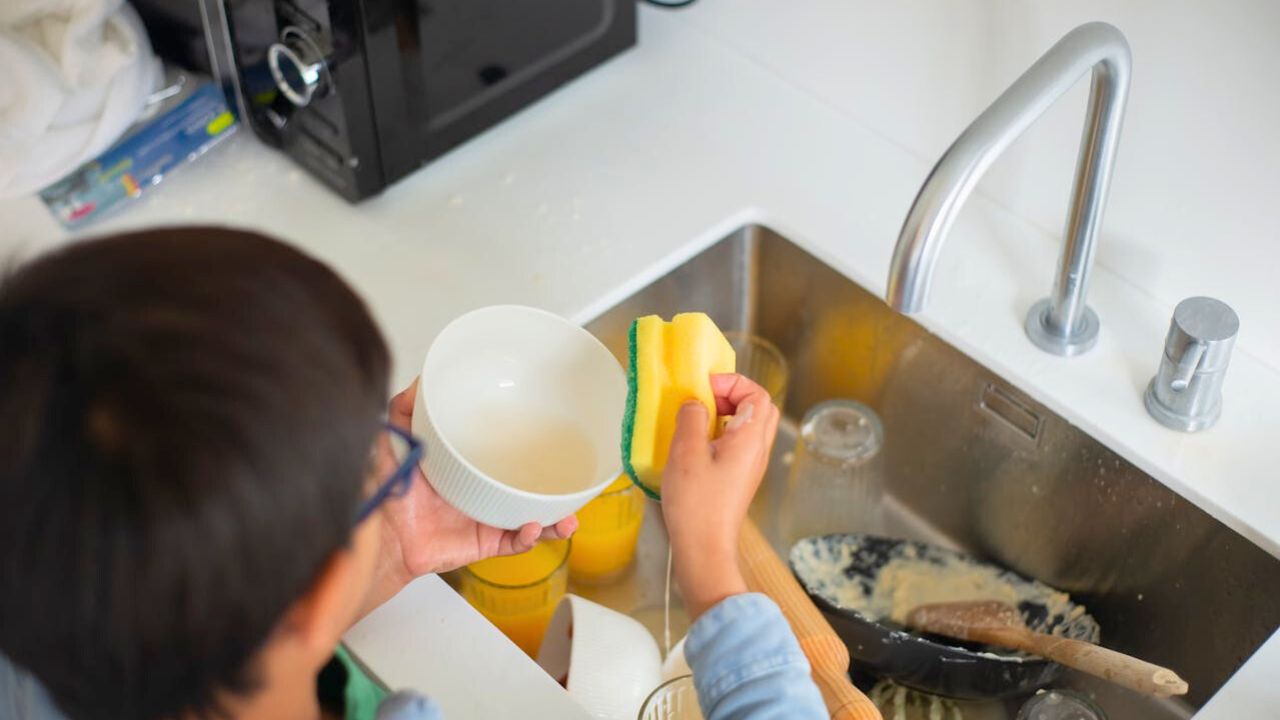
The sink sets the tone. If it’s full, the counters get full. Making it a nightly habit to load the dishwasher, hand wash what’s left, and wipe the sink means you wake up with a clean start instead of last night’s mess.
You don’t have to deep clean. Just aim for “no dishes sitting.” When the sink is open, you’re more likely to tuck new dirty dishes straight in the dishwasher instead of stacking them around the kitchen all day.
Keep appliances you use daily, store the rest
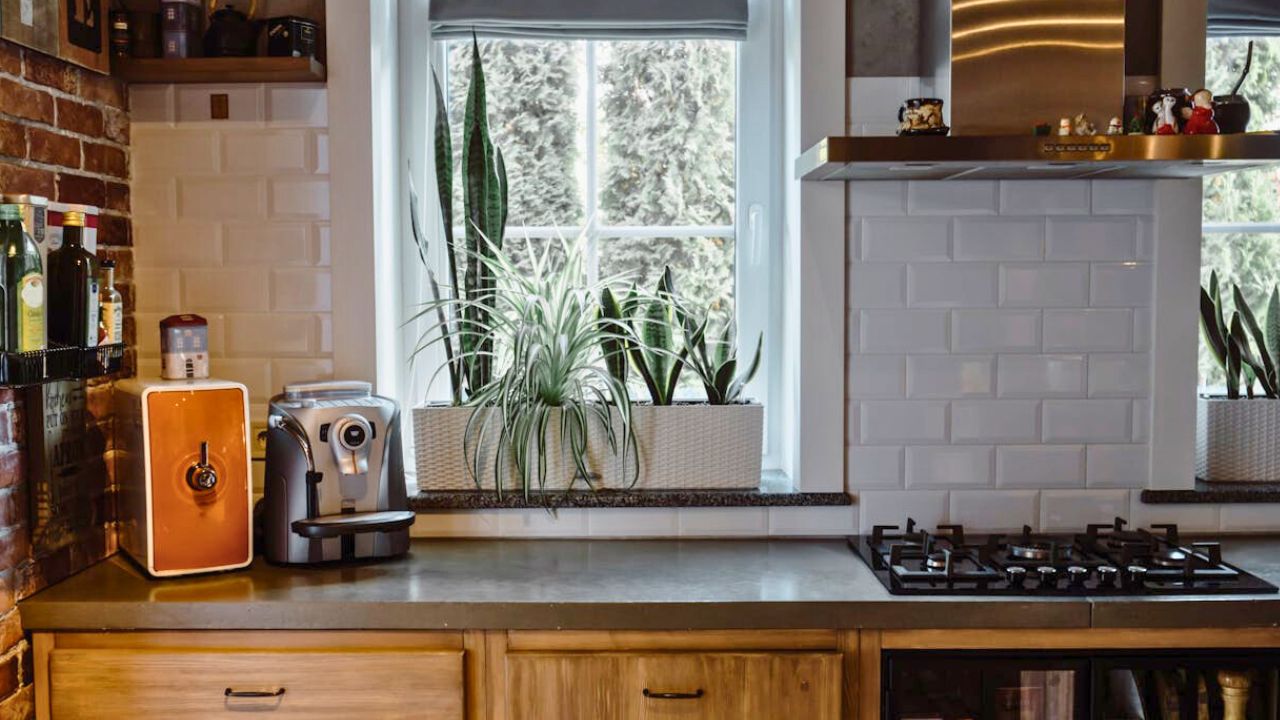
If every appliance lives on the counter, you’ll never have space to cook. Pick the two or three you truly use most days—maybe the coffee maker, toaster, and air fryer—and give them a permanent spot. Everything else gets a cabinet or pantry shelf.
Yes, it might be slightly less convenient to grab the blender or mixer, but you’ll gain a whole stretch of work space. Once you see how different the room feels, you won’t miss having every gadget out.
Give papers a home that isn’t the island
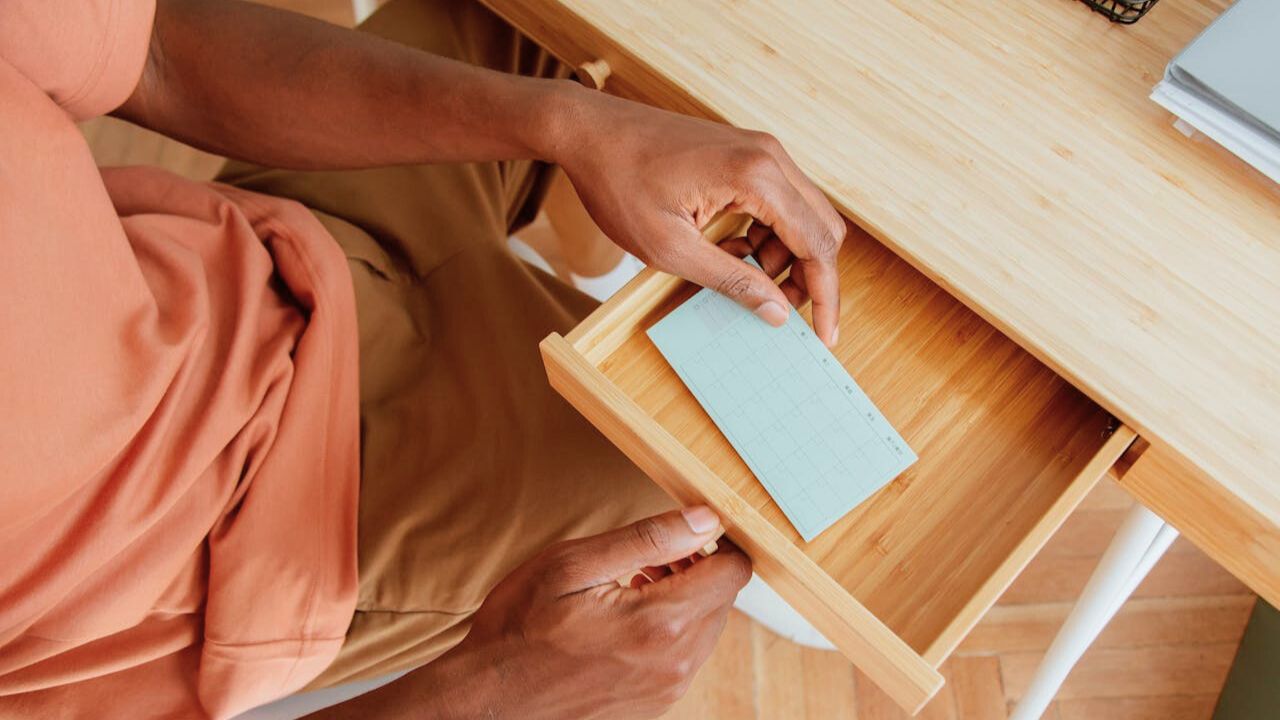
School forms, coupons, church flyers, and random notes all drift toward the island or counter. A wall file, magazine holder, or simple labeled folder in a nearby drawer can be your “paper parking lot” instead.
Make it a habit to put papers there as soon as they come in, even if you don’t deal with them right away. Once a week, sit down, toss what you don’t need, and handle what’s left. The counters stay clear, and you still know where everything is.
Do a two-minute counter sweep after meals

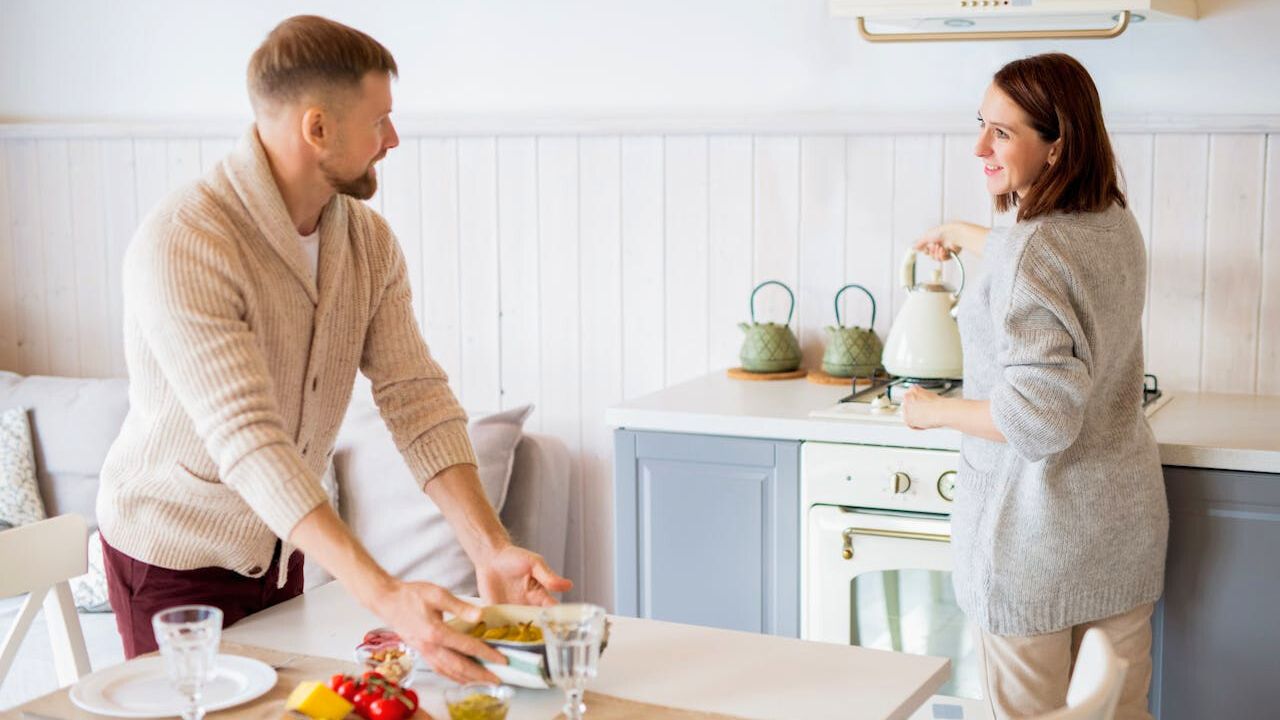
Counters don’t get buried in one moment. They get there from little things left all day. After each meal, set a mental two-minute rule: put away food, toss trash, wipe crumbs, and return anything that wandered in from other rooms.
You’re already in the kitchen, so it doesn’t feel like an extra chore. That quick sweep keeps clutter from building up to the point where it feels like a whole project just to see the surface again.
Use trays and baskets for “allowed” items
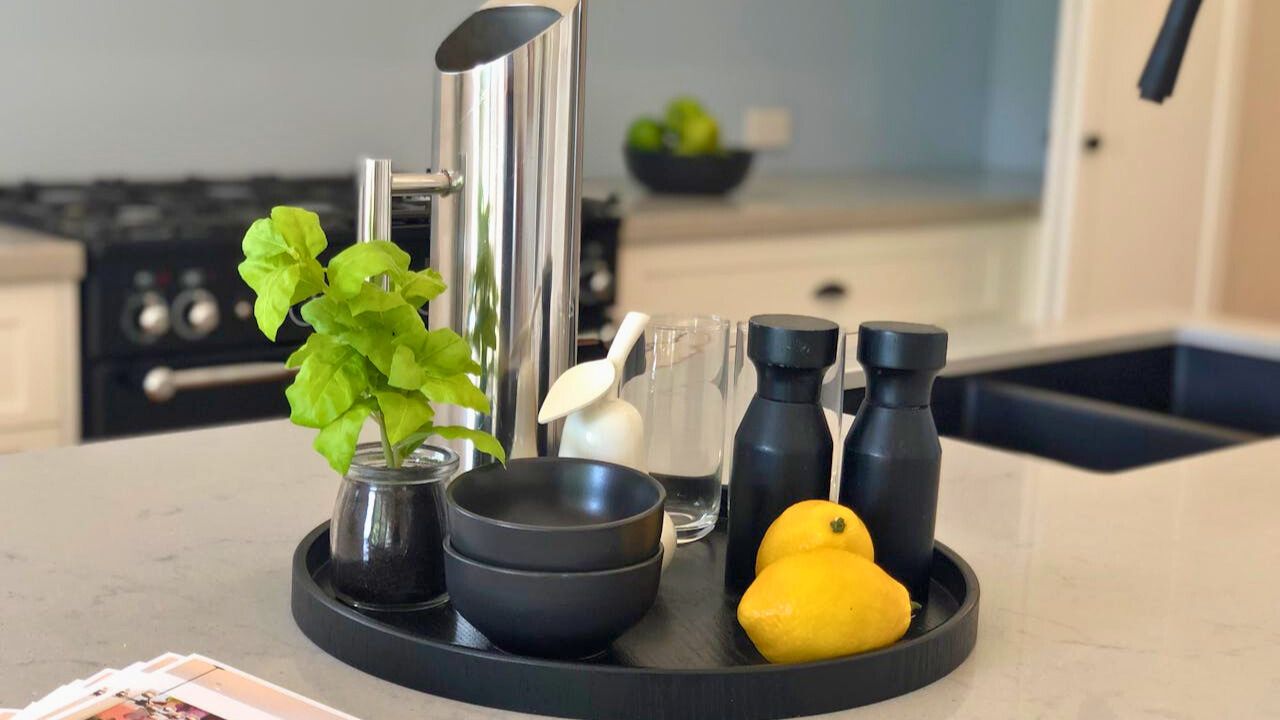
Some things do need to live on the counter—coffee supplies, cooking oils, salt, maybe a fruit bowl. Group those on a tray, lazy Susan, or small basket. Suddenly they look like a set instead of random clutter.
When everything else is cleared, those little groupings make the kitchen feel styled, not messy. And if you want to clean or wipe underneath, you can move one tray instead of ten small things.
Keep a small trash and recycling setup close by
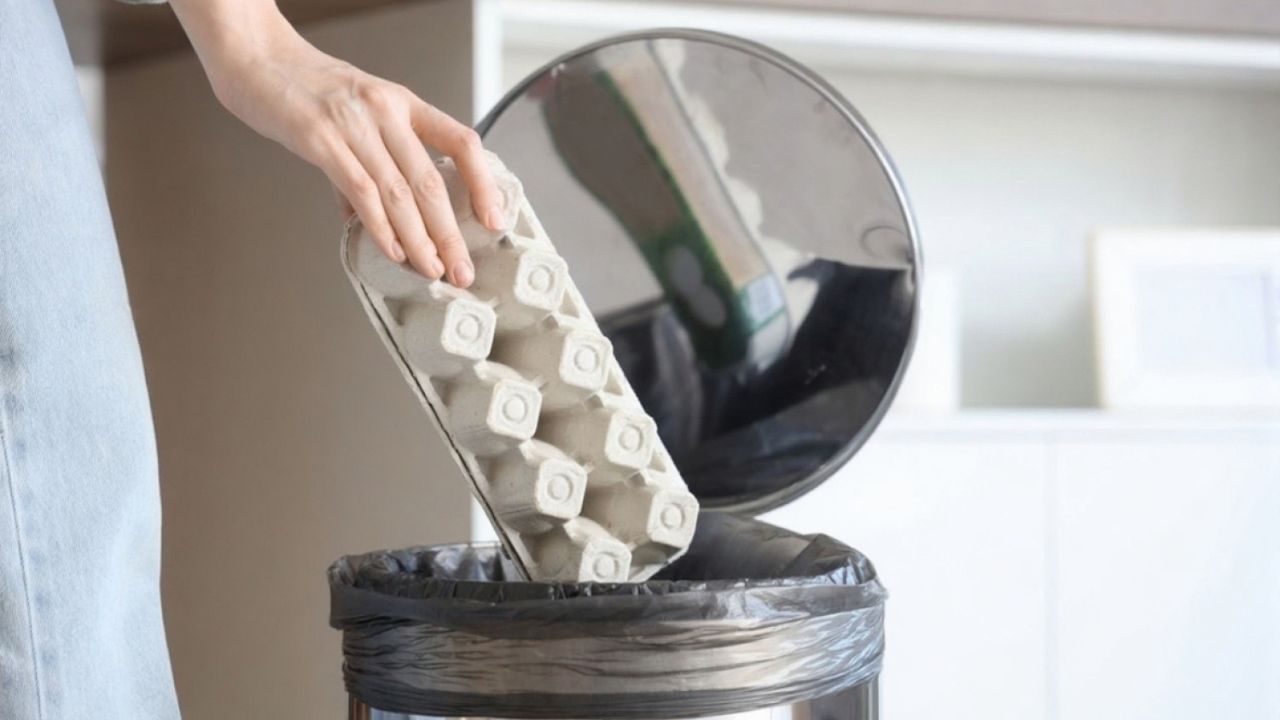
If the trash can or recycling bin is too far away, people leave packaging, wrappers, and cans on the counter “for later.” Keeping trash and recycling within a couple of steps of your main prep zone makes it easier to toss things immediately.
If space is tight, even a small countertop compost pail or under-sink bin helps. The less distance between you and the place trash belongs, the fewer “I’ll set this down for now” moments you’ll have.
Decide what never belongs on the counter

Sometimes you need a hard rule. Pick a few categories that are officially banned from living on the counter: toys, clean laundry, tools, makeup bags, or whatever tends to drift in. When you see those things, you know they have to move, not “hang out” until tomorrow.
Give each of those categories a real home elsewhere, then hold the line. The clearer your own rules are, the less mental energy it takes to keep counters under control.
Empty and reset one “clutter magnet” once a week
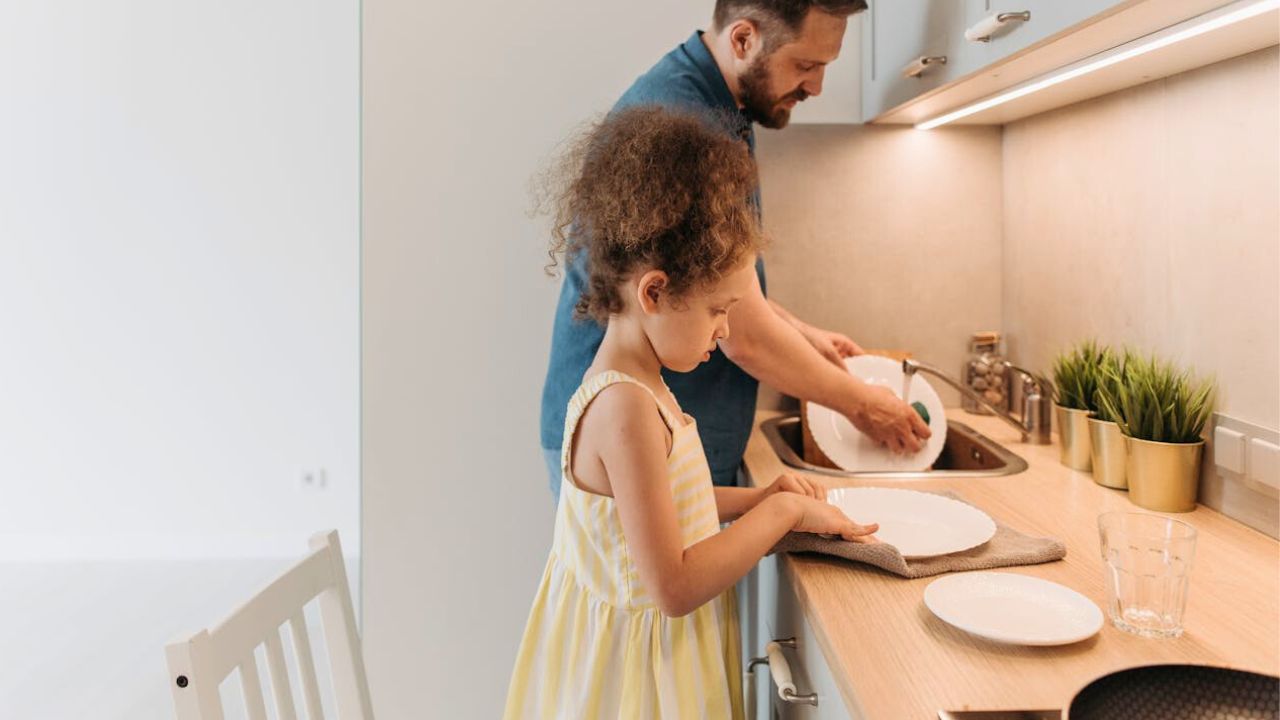
Most kitchens have one problem spot—a corner, the end of the island, or next to the microwave—where things pile up. Once a week, completely clear that spot and put everything away, not just shifted to another pile.
Over time, you’ll start noticing when it starts to crowd up again and catch it earlier. That area becomes your gauge: if it’s staying pretty clear, your habits are working; if it’s constantly full, something else needs a better home.
Don’t leave the room empty-handed

Any time you leave the kitchen, grab one thing that doesn’t belong and take it with you—a toy, a cup, a hair tie, a book. It’s tiny, but if you do this consistently, clutter doesn’t linger on counters for days.
You’re not doing a full pickup every time, you’re just using the trip you were already making. By the end of the day, you’ll have quietly cleared dozens of items without a big “cleaning session.”
Like Fix It Homestead’s content? Be sure to follow us.
- I made Joanna Gaines’s Friendsgiving casserole and here is what I would keep
- Pump Shotguns That Jam the Moment You Actually Need Them
- The First 5 Things Guests Notice About Your Living Room at Christmas
- What Caliber Works Best for Groundhogs, Armadillos, and Other Digging Pests?
- Rifles worth keeping by the back door on any rural property
*This article was developed with AI-powered tools and has been carefully reviewed by our editors.