10 habits that wreck your tools every winter
Cold weather is rough on tools. Metal contracts, moisture sneaks in, and before you know it, your go-to gear is rusted, cracked, or half-dead by spring. Most people don’t realize how much damage happens in storage, not from use. If your tools always seem to “age” every winter, these are probably the reasons why.
Leaving tools dirty before storage
Grease, sawdust, and soil hold onto moisture—and that’s the perfect recipe for rust. When you pack up dirty tools, all that grime eats away at the metal while they sit. Wipe them down with a rag and a little oil or WD-40 before storing. It’s five minutes of work that’ll save you hours of scrubbing and sharpening later.
Storing tools directly on cold concrete
Concrete floors pull moisture from the air, and when your tools are sitting directly on them, that condensation creeps up fast. Even sealed concrete sweats in temperature swings. Keep tools on a shelf, pallet, or hook instead. It doesn’t take much space, but it makes a big difference in preventing rust and corrosion.
Skipping oil or lubrication
Anything with moving parts—hinges, blades, gears—needs a light coating of oil before winter. Cold air thickens lubricants and dries out metal fast. Without protection, joints seize and seals crack. Wipe on a thin layer before storing to keep things from freezing up or grinding down come spring.
Forgetting to drain gas-powered tools
Old fuel turns gummy, and that gunk clogs up carbs and fuel lines. If you store mowers, trimmers, or chainsaws with gas inside, you’re asking for trouble. Either run them dry before storage or add a fuel stabilizer and let them run a few minutes to circulate it through the system.
Leaving batteries in tools

Cold drains batteries fast, and if they leak, that acid eats up the contacts. Take batteries out of cordless tools, label them, and store them in a warmer spot inside. You’ll keep both the battery life and the tool’s connection points in good shape for spring.
Ignoring the humidity level in your shop
Even if it doesn’t feel damp, winter humidity changes can do serious damage. Moisture builds up inside boxes, drawers, and bins where air doesn’t circulate. A small dehumidifier or a few silica gel packs can help keep rust at bay. It’s one of those quiet habits that pays off long-term.
Failing to sharpen or oil blades before storing
Blades dull faster when they’re stored dirty or dry. A thin layer of oil protects the metal and prevents oxidation, especially on pruners, axes, and mower blades. Sharpening before winter also means you’re ready to go in spring without fighting through dull edges.
Leaving power tools plugged in
Even when they’re off, plugged-in tools can pull a small charge or be damaged by power surges during winter storms. Unplug them completely before storage, especially if your workshop isn’t insulated. It’s an easy safeguard that can save your tool’s motor or internal wiring.
Overpacking or stacking heavy tools
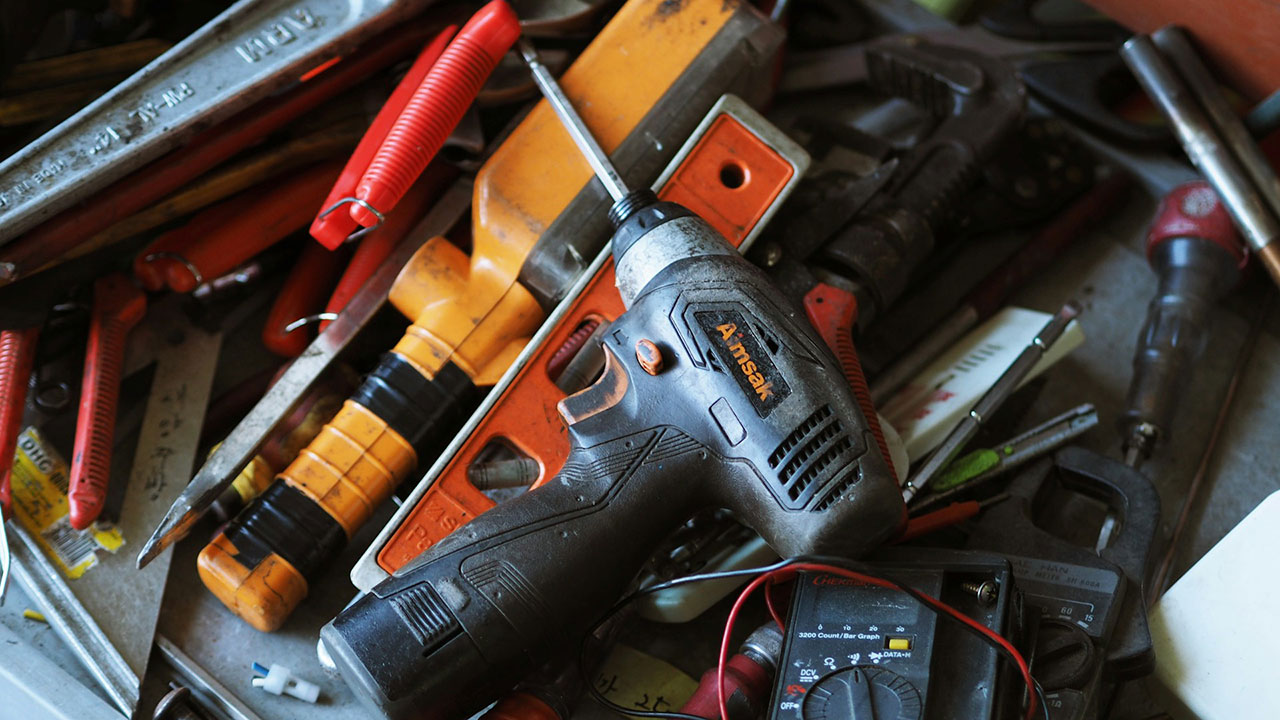
It’s tempting to shove everything into a corner or pile boxes high, but that kind of pressure can warp handles, crack casings, or bend blades. Store heavy items on the bottom, hang lightweight ones on walls, and keep sharp edges covered. Organization prevents damage more than most people think.
Forgetting a spring check-up
Winter storage isn’t “set it and forget it.” Checking on your tools mid-season—especially during major temperature swings—can help you catch condensation, leaks, or pest issues before they ruin your equipment. A five-minute look once a month keeps your investment in good shape year after year.
*This article was developed with AI-powered tools and has been carefully reviewed by our editors.