10 habits that’ll cost you $600 in vet bills this year
Keeping animals healthy is a lot cheaper than paying vet bills later. The problem is, many common habits people don’t think twice about can add up to serious costs over the course of a year.
From feeding the wrong things to skipping preventative care, these mistakes can drain your budget quickly. If you want to avoid hundreds of dollars in unnecessary vet visits, here are ten habits worth breaking right now.
Feeding Too Many Table Scraps

Giving animals table scraps feels harmless, but it can lead to stomach problems, obesity, or even poisoning if the food isn’t safe for them. A single case of pancreatitis in a dog, for example, can easily cost you several hundred dollars at the vet.
Sticking to proper feed or pet food is always cheaper long-term. Treats are fine in moderation, but avoid making scraps a daily habit.
Skipping Regular Deworming

Parasites spread fast, especially in farm animals, and waiting until you “see a problem” usually means it’s already gotten expensive. Dewormers are inexpensive compared to the cost of treating severe infestations.
Making deworming part of your regular care schedule saves you money and keeps your animals healthier overall.
Ignoring Dental Care
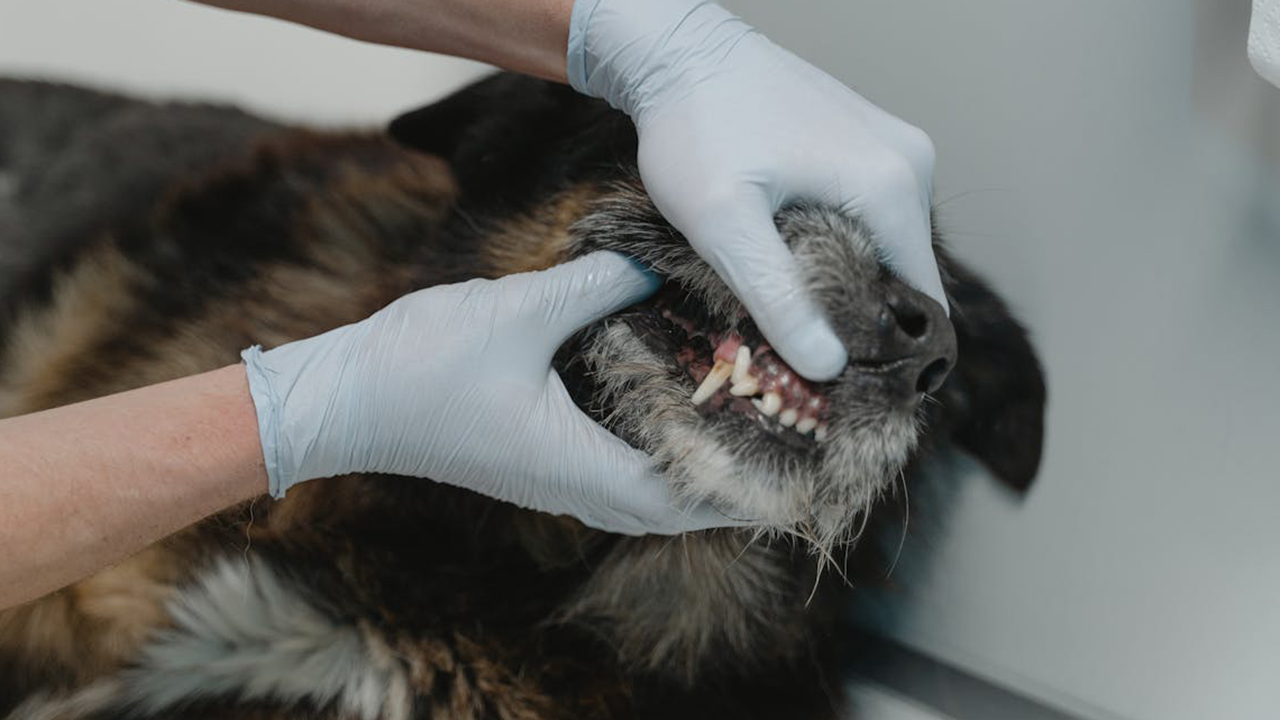
Dental issues in pets and livestock often go unnoticed until they’re severe. A cracked tooth or gum infection can lead to big vet bills, and many times it could have been prevented with regular checks.
Brushing a dog’s teeth or having livestock checked during routine care is a lot cheaper than surgery or extractions down the road.
Letting Vaccines Slide

Skipping vaccines to save money can backfire badly. Many preventable diseases require expensive treatments once they show up, and some can spread through your entire herd or flock.
Vaccines are usually affordable and protect both your animals and your wallet. Keeping a yearly schedule is a small investment with big payoffs.
Overfeeding Grain
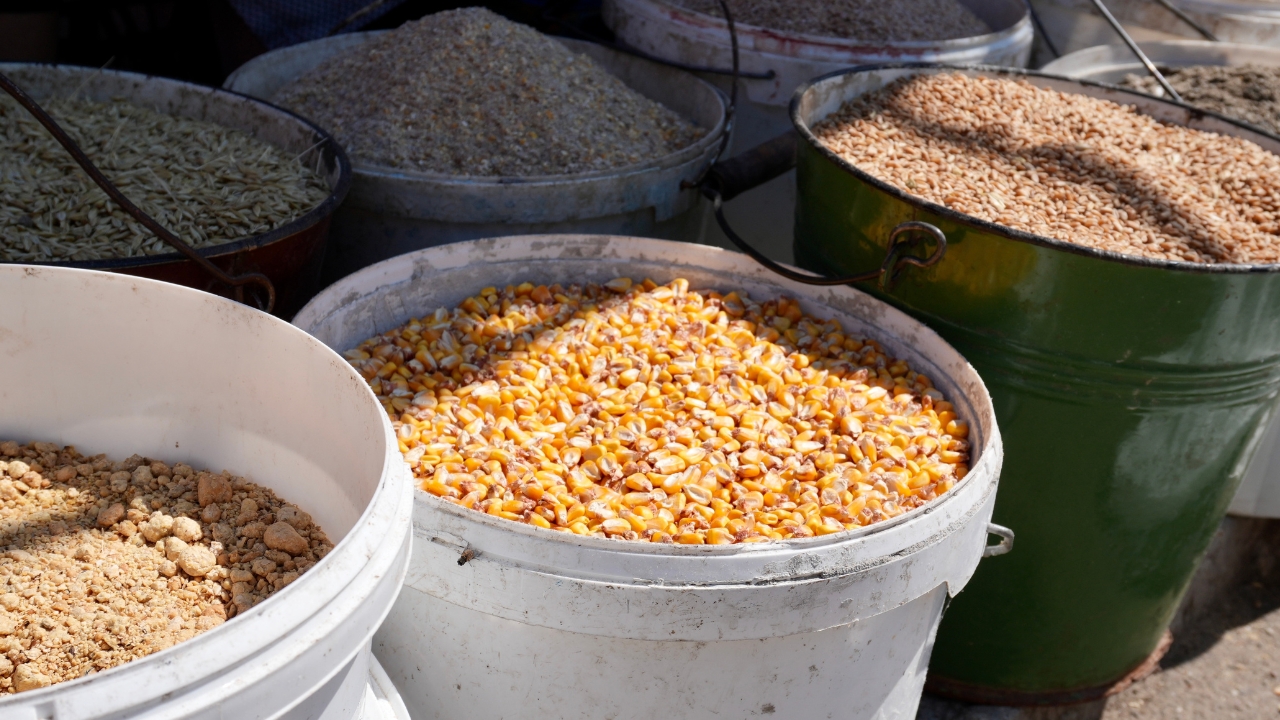
With livestock, too much grain can cause digestive issues like bloat or laminitis. Both can lead to emergency vet visits that cost way more than careful feeding ever would.
Balanced diets with the right mix of forage and supplements prevent problems before they happen. It’s one of the cheapest ways to keep animals healthy.
Neglecting Hoof Care
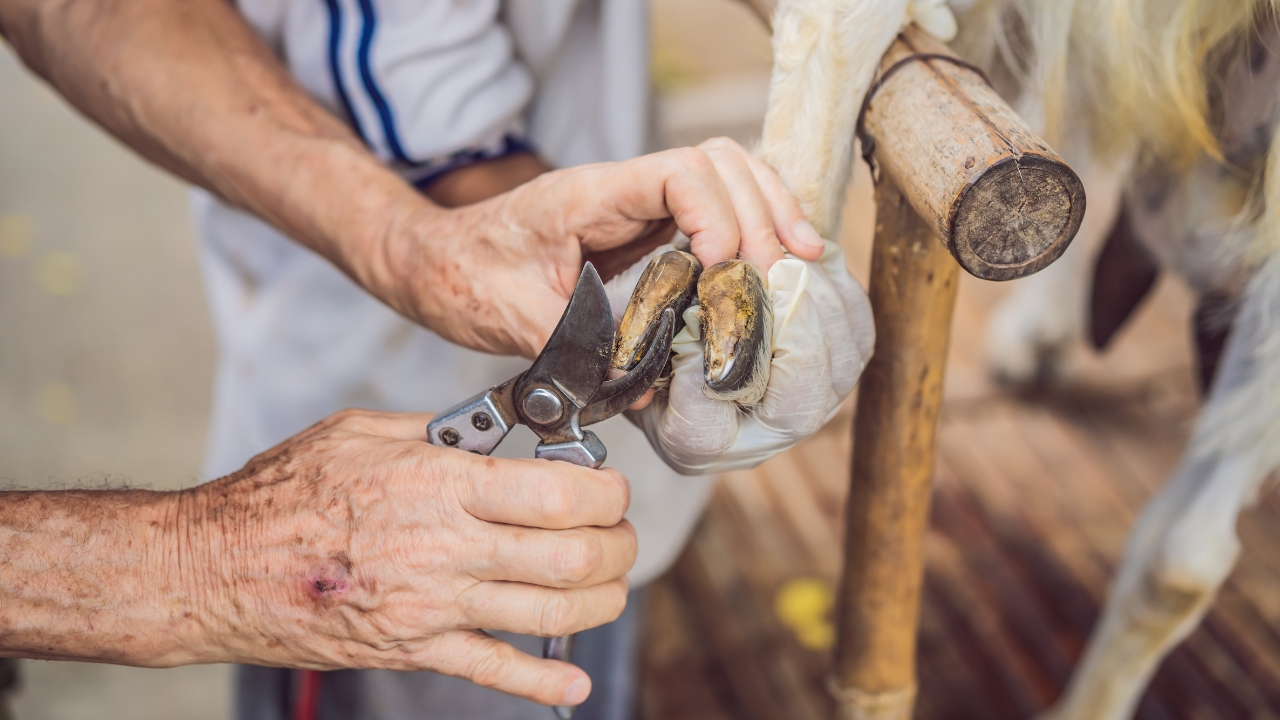
Overgrown hooves lead to infections, pain, and expensive treatments. Skipping trims to save time or money only guarantees you’ll spend more later fixing avoidable damage.
Scheduling regular hoof trims and checking feet often helps avoid major issues. The cost of prevention is always less than a vet bill for lameness.
Not Controlling Fleas and Ticks

Parasites like fleas and ticks don’t just cause itching—they carry diseases that require costly vet care. A bad infestation in pets or livestock is expensive and time-consuming to treat.
Monthly preventatives or natural control methods cost far less than dealing with infections, anemia, or tick-borne illness.
Leaving Unsafe Items Around
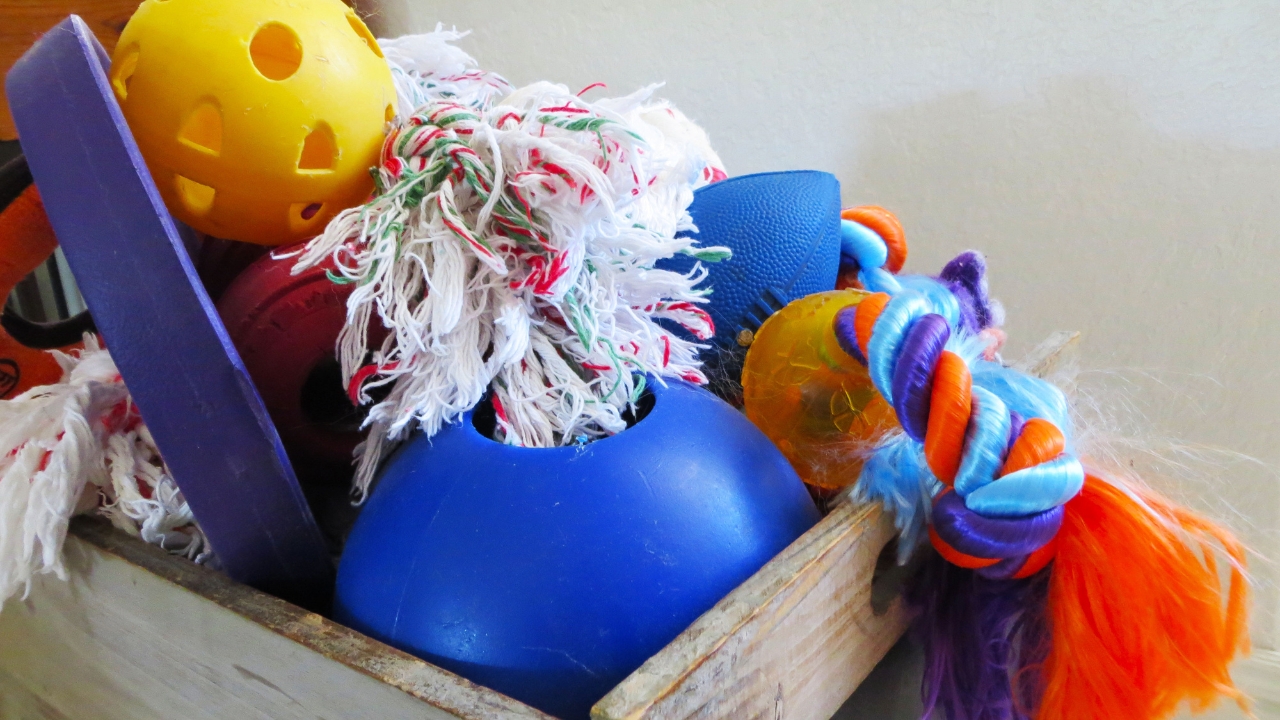
Chewed-up toys, swallowed string, or livestock getting into sharp fencing can all mean an emergency vet trip. These accidents are common and add up quickly.
Keeping pastures, barns, and homes free of hazards is one of the simplest ways to avoid surprise bills.
Skipping Regular Checkups
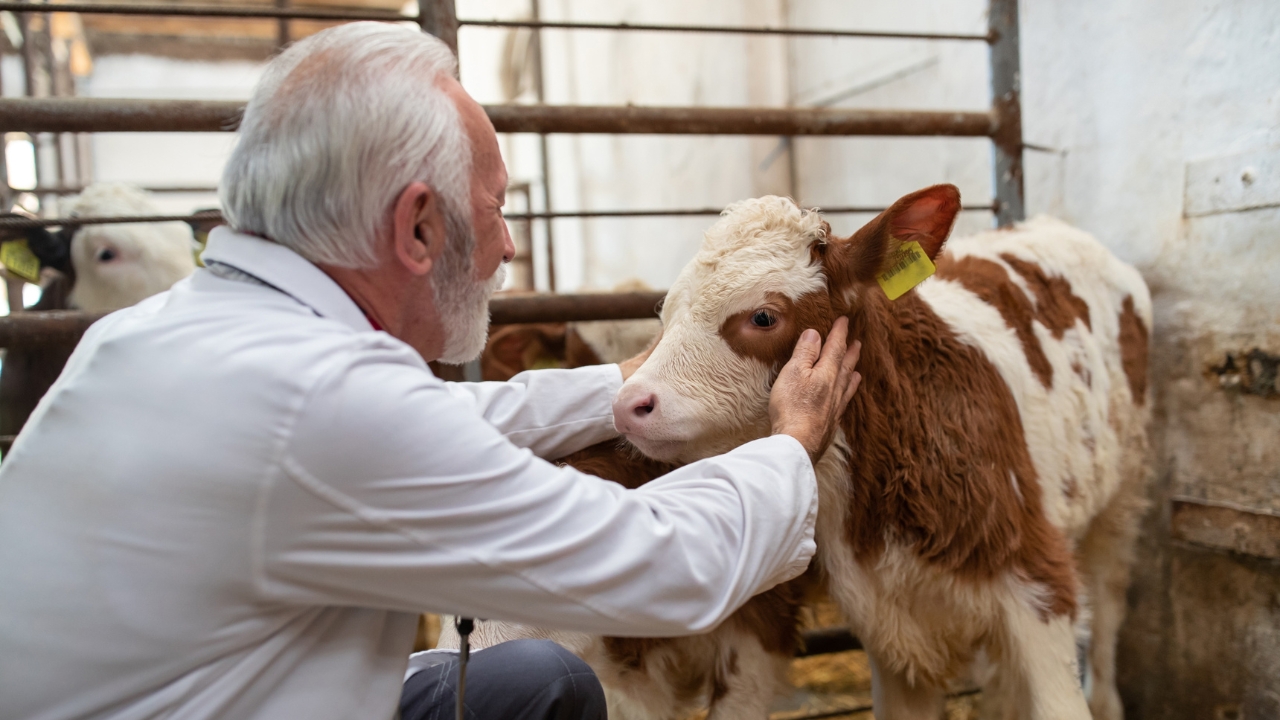
Vet checkups may feel like an unnecessary expense, but they often catch small problems before they explode into big ones. Early detection usually means lower treatment costs.
Even once-a-year exams for pets or routine herd checks for livestock can save you hundreds in the long run.
Overusing Home Remedies

Treating illnesses with unproven home fixes can delay real treatment, making problems worse and more expensive later. While some natural methods help, relying on them alone often costs more than calling the vet early.
The safest approach is combining preventative care with professional advice when things look serious.
*This article was developed with AI-powered tools and has been carefully reviewed by our editors.