10 home purchases that are riskier during recall season—and how to check before you buy
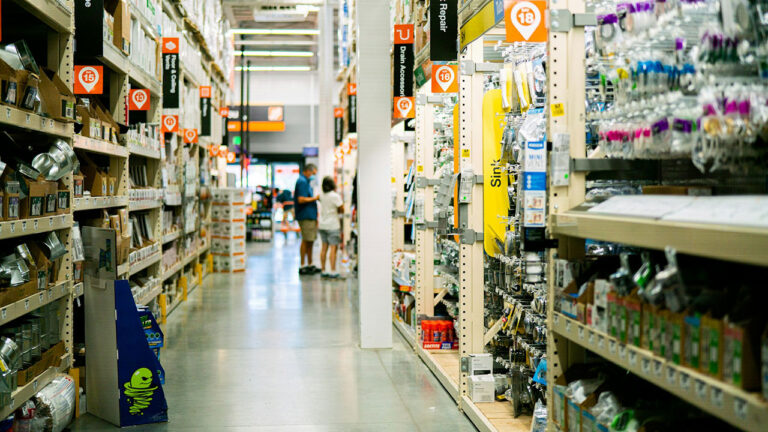
You face more product risk during heavy recall seasons, when flawed items move quickly through stores and online marketplaces. By focusing on categories that historically generate serious safety alerts, you can reduce the odds that a new purchase ends up back in the box or, worse, in an emergency room report. Use these ten riskier buys as a checklist, and pair each with a quick recall search before you click “add to cart” or roll a big-ticket item into your driveway.
1) Used cars and SUVs with open safety recalls
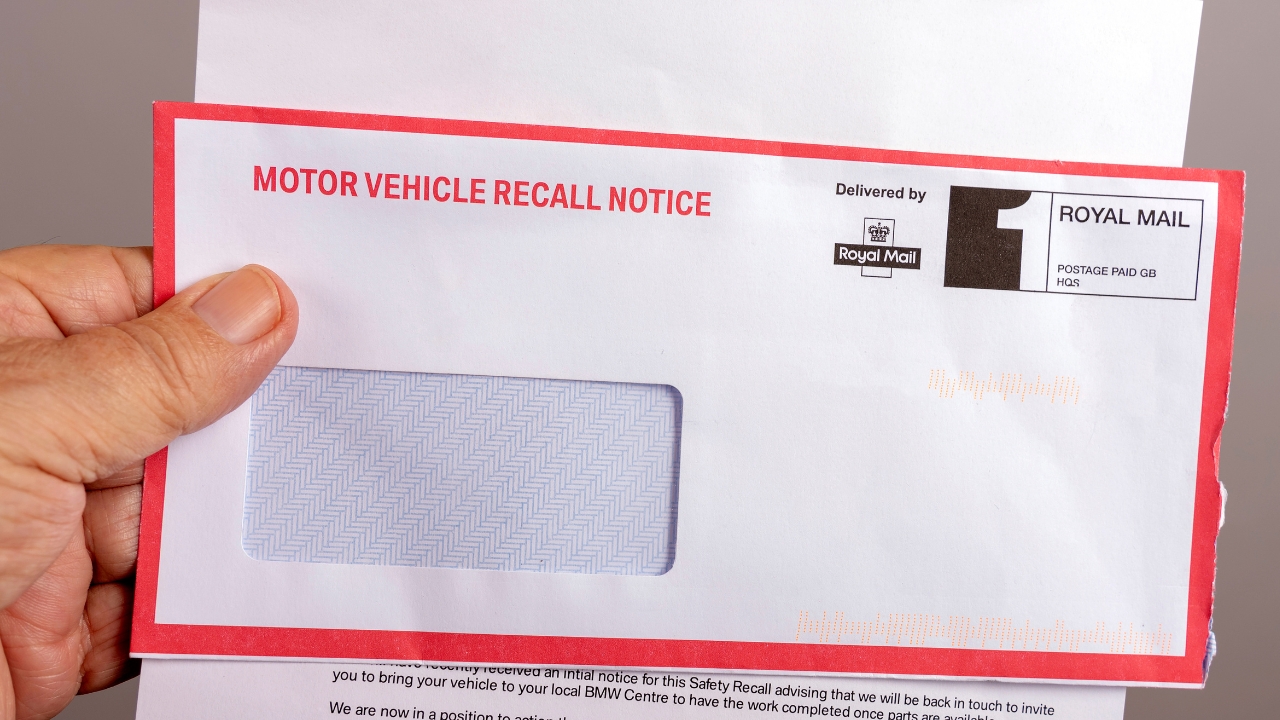
Used vehicles are among the riskiest purchases during recall season because serious safety defects can linger for years. The National Highway Traffic Safety Administration (NHTSA) has repeatedly warned that millions of vehicles remain on the road with unresolved issues such as defective air bags, stalling engines, or fire risks. When you shop a used car, you may be looking at a model that has already been recalled for a critical defect, yet never repaired. That gap matters, because unresolved recalls can affect crash performance, air bag deployment, and even basic drivability.
Before you buy, run the vehicle identification number through the official NHTSA recall search to see if any safety campaigns are still open. You should also ask the seller for service records that show recall work was completed, especially for high-profile issues like air bag inflators or fuel system problems. If a recall is open, insist that the repair be done at a franchised dealer at no cost to you, or walk away. The stakes are high, because you are not just buying transportation, you are taking responsibility for how that vehicle behaves in a crash or at highway speeds.
2) Children’s car seats and booster seats
Child restraints are heavily regulated, which means they are also frequently recalled when testing uncovers buckle failures, flammable materials, or incorrect labeling. A car seat that looks brand new on a resale site can still be subject to a safety campaign that affects its ability to protect a child in a collision. Harness webbing that tears, shells that crack, or bases that detach can all trigger recalls, and those flaws are not always visible during a quick inspection. Because car seats are often handed down or sold secondhand, older recalled models can circulate for years.
Before you purchase, especially from a marketplace or consignment shop, check the model name and manufacture date against the searchable database on the NHTSA child seat recall page. Confirm that any remedy kit or replacement parts have been installed, and avoid seats with missing labels, as you will not be able to verify recall status or expiration. For parents and caregivers, the implications are direct: a recalled seat can turn a routine drive into a life-altering crash outcome, so a two-minute recall check is nonnegotiable.
3) Strollers, high chairs, and other nursery gear
Strollers, high chairs, and similar nursery products often appear safe but can hide design flaws that only emerge after widespread use. Safety regulators have documented recalls for issues such as collapsing frames, faulty brakes, and restraint systems that allow dangerous falls. Because these items are used daily and often near stairs, streets, or hard floors, even a minor defect can lead to head injuries or fractures. Hand-me-down gear is especially risky during recall season, since older models may have been pulled from the market without every owner receiving the notice.
To protect yourself, search the specific product name and model number in the Consumer Product Safety Commission’s online recall database before you buy. Pay close attention to recalls that mention entrapment, strangulation, or fall hazards, and avoid products that require complex repair kits to be safe. If a recall remedy involves a full refund or replacement, treat that as a red flag that the underlying design is fundamentally flawed. For families, the broader trend is clear: nursery gear is evolving quickly, and older designs that once seemed acceptable may no longer meet current safety expectations.
4) Home appliances like ranges, refrigerators, and dishwashers
Major home appliances are expensive, installed for years, and capable of causing fires, gas leaks, or flooding when something goes wrong. Safety agencies have recorded recalls for ranges that turn on by themselves, refrigerators with wiring that overheats, and dishwashers that leak and damage flooring. During recall-heavy periods, retailers may still be selling affected inventory while manufacturers coordinate repairs. If you are renovating or replacing a broken appliance, you could unknowingly bring a known hazard into your kitchen or laundry room.
Before finalizing a purchase, look up the exact model number on the CPSC’s recall search tool and on the manufacturer’s own recall page. If you are considering a floor model or discounted unit, ask whether any safety bulletins or retrofit kits apply and get written confirmation that work has been completed. For homeowners, the stakes extend beyond inconvenience: an appliance recall can affect insurance claims, rental obligations, and even your ability to safely occupy the space while repairs are pending.
5) Space heaters and portable cooling units
Space heaters and portable air conditioners are classic recall-season risks because they concentrate heat or electrical load in compact housings. Regulators have cited units for overheating, melting components, and failing safety shutoffs, all of which can lead to fires or burns. These products often surge in popularity during cold or hot spells, which means recalled models may still be in warehouses or listed online as sellers rush to meet demand. A bargain heater or portable AC can therefore carry a disproportionate risk compared with a central system installed by a licensed contractor.
Before you plug anything in, search the brand and model against the CPSC’s list of recent recalls and review any mention of fire or shock hazards. Check that the unit carries a recognized safety certification mark and avoid products with counterfeit or missing labels. For renters and homeowners alike, the implications are serious: a recalled heater can threaten not only your unit but neighboring apartments or attached homes, and a documented recall may influence how insurers view any resulting damage.
6) Power tools and outdoor equipment
Power tools, lawn mowers, and other outdoor equipment combine sharp blades, high torque, and fuel or electricity, which makes design flaws particularly dangerous. Safety authorities have ordered recalls for tools with switches that fail to shut off, guards that detach, and fuel systems that leak or ignite. During peak home-improvement seasons, retailers may discount older inventory, including models that have been quietly recalled while updated versions roll out. If you are stocking a workshop or tackling yard projects, you could end up with equipment that has a known history of lacerations or fires.
Protect yourself by checking the exact model and serial range in the CPSC’s product recall listings before you buy, especially if you see unusually steep discounts. Ask whether the manufacturer has issued replacement parts or retrofit kits and whether those have already been installed. For do-it-yourselfers and professionals, the broader trend is that safety features are improving, but legacy designs can linger in clearance aisles and online marketplaces, leaving you to shoulder the risk of outdated engineering.
7) Smart home devices and connected locks
Smart locks, connected cameras, and other internet-linked devices introduce a different kind of recall risk: software and security flaws. Regulators and security researchers have documented cases where vulnerabilities allowed unauthorized access, disabled alarms, or exposed live video feeds. While some issues are fixed with software updates, others require hardware replacements or full product recalls. During recall season, you may see aggressive promotions on older smart home models that are being phased out, including devices that no longer receive security patches.
Before you invest in connected hardware, search the product name alongside the CPSC’s recall database and review any advisories from NHTSA if the device interfaces with vehicles. Confirm that the manufacturer offers ongoing firmware updates and that you can enable automatic patching. For homeowners, the stakes go beyond convenience: a recalled smart lock or camera can undermine physical security and privacy, and unresolved vulnerabilities may expose you to unauthorized entry or data theft long after the initial purchase.
8) Mattresses, upholstered furniture, and bedding
Mattresses and upholstered furniture seem low risk, but they are frequent subjects of recalls for flammability and chemical exposure. Safety standards require specific fire resistance, and regulators have pulled products that ignite too easily or shed hazardous fibers. Bedding and mattress toppers have also been recalled for failing to meet labeling rules that help consumers understand materials and care instructions. During recall-heavy periods, discounted inventory or online closeouts may include items that have already been flagged for safety issues but are still circulating through secondary sellers.
Before you bring a new mattress or sofa home, search the brand and model in the CPSC’s recall search and look for any mention of flammability or chemical concerns. Check tags for accurate fiber content and required safety statements, and be wary of products that lack permanent labels. For households, the implications are long term: you will live with these items for years, and a recalled mattress or couch can affect fire risk, indoor air quality, and even landlord or building-code compliance.
9) Baby sleep products and inclined loungers
Baby sleep products, especially inclined loungers and certain bassinets, have been at the center of some of the most serious recall actions in recent years. Safety investigations have linked specific designs to suffocation risks when infants roll or their airways become compromised. As a result, regulators have ordered recalls and warned caregivers to stop using certain products entirely, not just modify them. During recall season, older stock or secondhand listings may still feature these designs, often marketed as cozy or convenient solutions for naps.
Before you buy anything marketed for infant sleep, check the exact product name against the CPSC’s dedicated recall listings and review any warnings from pediatric safety groups. Avoid inclined products for unsupervised sleep and prioritize flat, firm surfaces that meet current safety standards. For parents and caregivers, the stakes are profound: a recalled sleeper is not a minor defect issue but a product category that regulators have explicitly tied to infant deaths, making recall checks and adherence to guidance essential.
10) Electric bikes, scooters, and lithium-ion battery packs
Electric bikes, scooters, and standalone lithium-ion battery packs have generated a growing number of recalls tied to fire and explosion risks. Safety agencies have cited batteries that overheat during charging, packs that lack proper protection circuits, and chargers that fail to cut off power. These products are often sold online, sometimes under multiple brand names, which can complicate recall notices. During recall-heavy periods, you may see steep discounts on older models that use battery designs already flagged for safety problems.
Before purchasing, search the specific model and battery pack in the CPSC’s recall database and review any warnings from local fire departments about storage and charging. Confirm that the product includes an approved charger and that replacement batteries are sourced from the original manufacturer. For riders and homeowners, the implications extend beyond personal injury: a recalled battery can ignite in garages, hallways, or apartments, putting entire buildings at risk and complicating insurance coverage if you ignored documented safety alerts.
Like Fix It Homestead’s content? Be sure to follow us.
- Man Says He Found Out the Fence He Paid For Wasn’t Actually on His Property
- Woman Says Her Neighbor Started Taking Mulch From Her Delivery Pile Before She Could Even Spread It
- I made Joanna Gaines’s Friendsgiving casserole and here is what I would keep
- What Caliber Works Best for Groundhogs, Armadillos, and Other Digging Pests?
*This article was developed with AI-powered tools and has been carefully reviewed by our editors.