10 houses neighbors can spot as a future problem
Your street can quietly shape your financial future long before a For Sale sign goes up. Certain homes telegraph trouble ahead, from noise and clutter to neglect that spreads one property at a time. Learning to spot those warning signs early gives you more leverage to protect both your peace of mind and your property value.
Below are ten types of houses that often become tomorrow’s disputes, police calls or appraisal surprises, along with ways to respond before they pull your block in the wrong direction.
1. The chronic clutter and junk collector
You recognize this house the moment you drive past it: tarps, broken furniture, a sagging trampoline, maybe a nonrunning sedan from the late 1990s that has not moved in years. Real estate agents in one survey singled out junked appliances, scrap piles and too many cars as the top yard issues that can cut nearby prices, with respondents warning that excess vehicles in particular are a red flag for buyers who worry about parking and congestion. Once that clutter spills into the front yard, it stops being a private quirk and starts to look like a neighborhood problem.
Online, buyers openly say a single yard like this would stop them from even touring an otherwise tidy street, echoing what you see in discussions where people ask if a front yard full would scare them off. Mortgage and investor guides warn that these visual annoyances can ripple into lower appraisals for adjacent homes, especially when the mess is visible from the curb. If you live nearby, protect yourself by documenting the condition with date-stamped photos, checking any local ordinances on inoperable vehicles or debris, and approaching the owner with a specific, limited request, such as clearing items that cross a property line or block sightlines at a driveway.
2. The neglected “eyesore” property
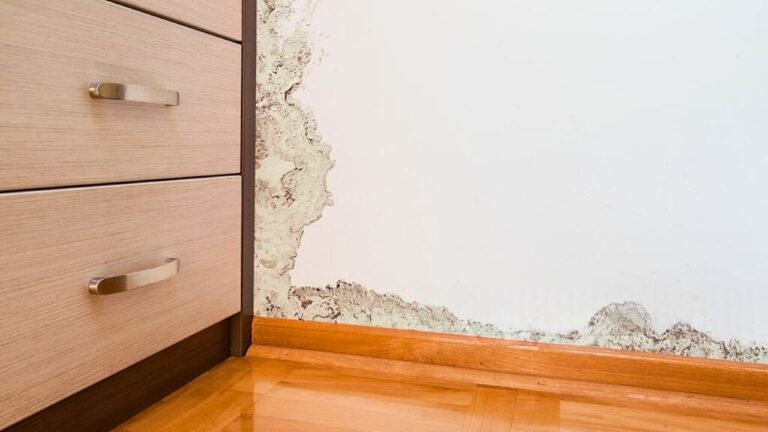
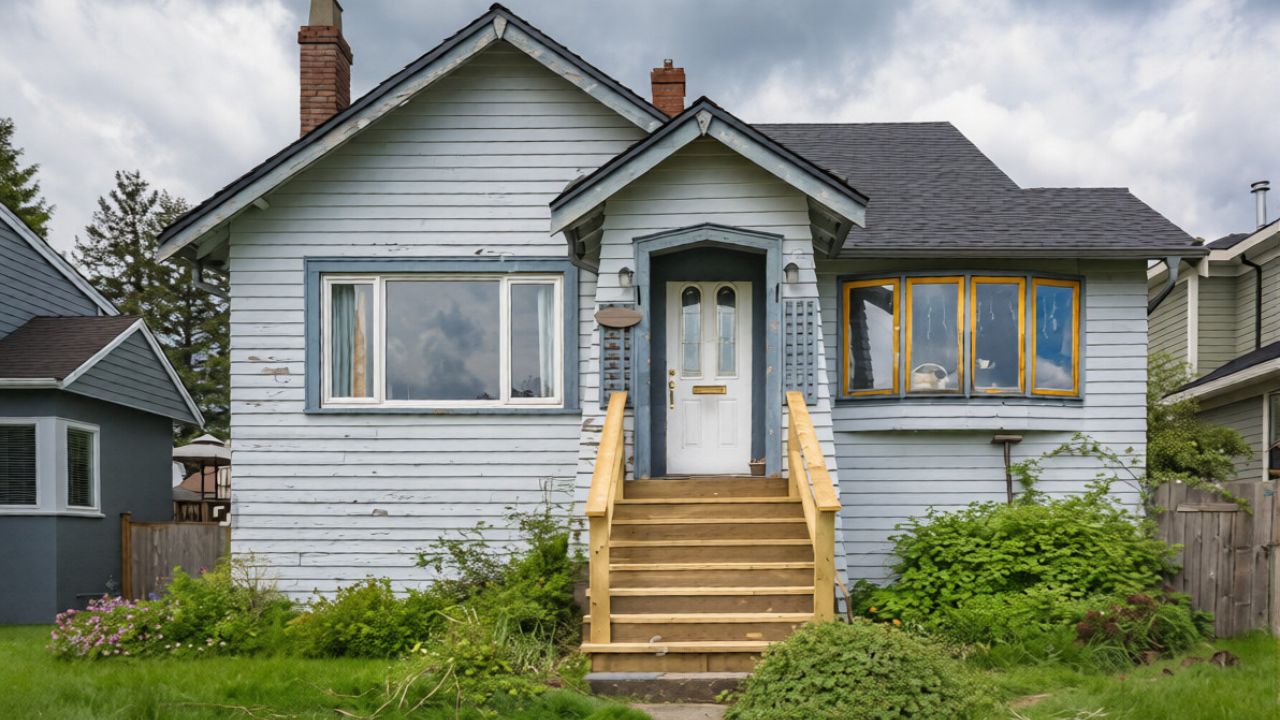
Other houses are not chaotic so much as clearly abandoned by their owners’ attention. Peeling paint, rotting trim, missing shingles and knee-high grass all signal that a property is sliding into disrepair. Inspectors list issues like Improper Surface Grading and Drainage among the most common house problems, and when you see pooling water around a neighbor’s foundation or gutters hanging loose, you can assume there are hidden structural headaches behind the siding. Those problems rarely stay contained; they can lead to pests, mold and shared drainage headaches that affect adjoining yards.
Investors who specialize in distressed homes describe how a single Neighbor Home Eyesore can drag down the perceived quality of an entire block, especially in otherwise uniform subdivisions with manicured lawns and matching fences. When you spot sagging gutters, cracked driveways and long-term tarps on a roof, you are seeing what one guide calls Small Signs Your. Your best move is to keep your own place in strong condition to create contrast, and if the neglect is severe, talk with your municipality about code enforcement that focuses on safety hazards rather than cosmetic preferences.
3. The noise and nuisance magnet
Another class of problem house looks fine in listing photos but wears you down every night. Poll-based research into neighbour disputes highlights Examples of conflicts such as Playing loud music late at night, Light pollution from floodlights, and constant barking as some of the most common flashpoints. Real estate professionals warn that noisy and disruptive neighbors can reduce nearby home values by as much as 5 to 10 percent, because buyers mentally price in the hassle of trying to sleep or work next to that property.
Statewide surveys of housing complaints echo the same pattern, with By Hope Walborn documenting how Complaints about dogs, loud gatherings and parking conflicts dominate what residents raise with local agents and associations. If you live beside a noise magnet, keep a simple log of incidents, then start with a calm, specific ask, such as moving subwoofers away from a shared wall or setting a cut-off time for backyard parties. If that fails, you can escalate through mediation services or, as a last resort, local nuisance rules, but written records and measured communication will help you if the conflict ever touches a sale or legal process.
4. The smelly or unsanitary yard
Odor is one of the fastest ways a house turns into a neighborhood problem. When a neighbor lets garbage pile up, leaves pet waste uncollected or stores materials that attract vermin, you feel it the moment the weather warms. One resident described on social media how, as temperatures rose, they noticed a worsening stench from a nearby property and wrote that What makes that is that the hotter it gets the worse the smell gets, turning simple tasks like opening windows into a daily dilemma.
Mortgage guidance on neighborhood impact points out that these kinds of Visual annoyances often sit alongside hygiene issues, and that they can even lead to Legal problems when they attract pests or violate health codes. If you are downwind of a yard like this, start by documenting the pattern with dates and temperatures, since odors can be intermittent. A respectful conversation might solve a missed trash pickup or a forgotten compost bin, but if you see rodents or standing garbage, you are justified in contacting local health or code officials who can frame the issue as a public sanitation concern rather than a personal feud.
5. The parking and traffic headache
Certain houses tip a street from calm to chaotic simply by how many vehicles they introduce. When driveways overflow and cars choke both sides of the road, you start to see blocked mailboxes, narrowed fire lanes and frayed tempers. Research into neighbor grievances shows that Complaints about parking and other road/parking obstacles sit alongside noise and pets as top issues, which tracks with what you see in any online forum where residents vent about neighbors who treat the street like a private storage lot.
Real estate agents who were asked which yard issues hurt value pointed directly to too many cars as a major turnoff for buyers, ranking it alongside visible junk and neglected landscaping. When one property regularly fills the curb with vehicles, it also affects emergency access and snow removal, which can become municipal concerns rather than just neighborly annoyances. Your best move is to learn your city’s parking rules, including restrictions near intersections and hydrants, then raise specific violations rather than broad complaints about “too many people.” That keeps the focus on safety and access, which are easier for both neighbors and officials to address.
Like Fix It Homestead’s content? Be sure to follow us.
Here’s more from us:
- I made Joanna Gaines’s Friendsgiving casserole and here is what I would keep
- Pump Shotguns That Jam the Moment You Actually Need Them
- The First 5 Things Guests Notice About Your Living Room at Christmas
- What Caliber Works Best for Groundhogs, Armadillos, and Other Digging Pests?
- Rifles worth keeping by the back door on any rural property
*This article was developed with AI-powered tools and has been carefully reviewed by our editors.