10 Landscaping Choices That Look Good in March and Bad by June
Early spring can tempt you to plant every bright bloom and trendy accent in sight, only for those same choices to look tired, leggy, or simply vanish once summer heat settles in. If you want a yard that still looks intentional by June, you need to know which March showstoppers are short-term performers and which ones can carry the season.
By paying attention to how plants respond to rising temperatures, longer days, and shifting moisture, you can avoid the common trap of a yard that peaks in March and collapses by early summer. Rather than chasing quick color that fizzles, you can plan a sequence of plantings that keeps your beds and borders attractive from late winter through the hottest months.
1. Spring ephemerals that vanish by early summer
When you pack beds with spring ephemerals in March, you get a breathtaking display that can seem to disappear almost overnight once the weather warms. These woodland wildflowers and bulbs are part of a broad group of plants that leaf out and bloom in cool weather, then retreat underground once heat and longer days arrive. Guidance on spring ephemerals explains that they flower for a season, then enter dormancy until the following year, which leaves bare soil if you have not layered other plants around them.
Sources describing Common Plants That note that many of these species appear in spring and then vanish by summer, a survival strategy that protects them from heat and prolonged drought. If you rely on them alone for structure, your March garden looks lush while your June beds look like someone cleared them with a shovel. To avoid that, treat ephemerals as a first layer, then underplant them with later emerging perennials or low shrubs so that as the early foliage dies back, something else steps forward and keeps the space filled.
2. Virginia bluebells and other disappearing shade stars
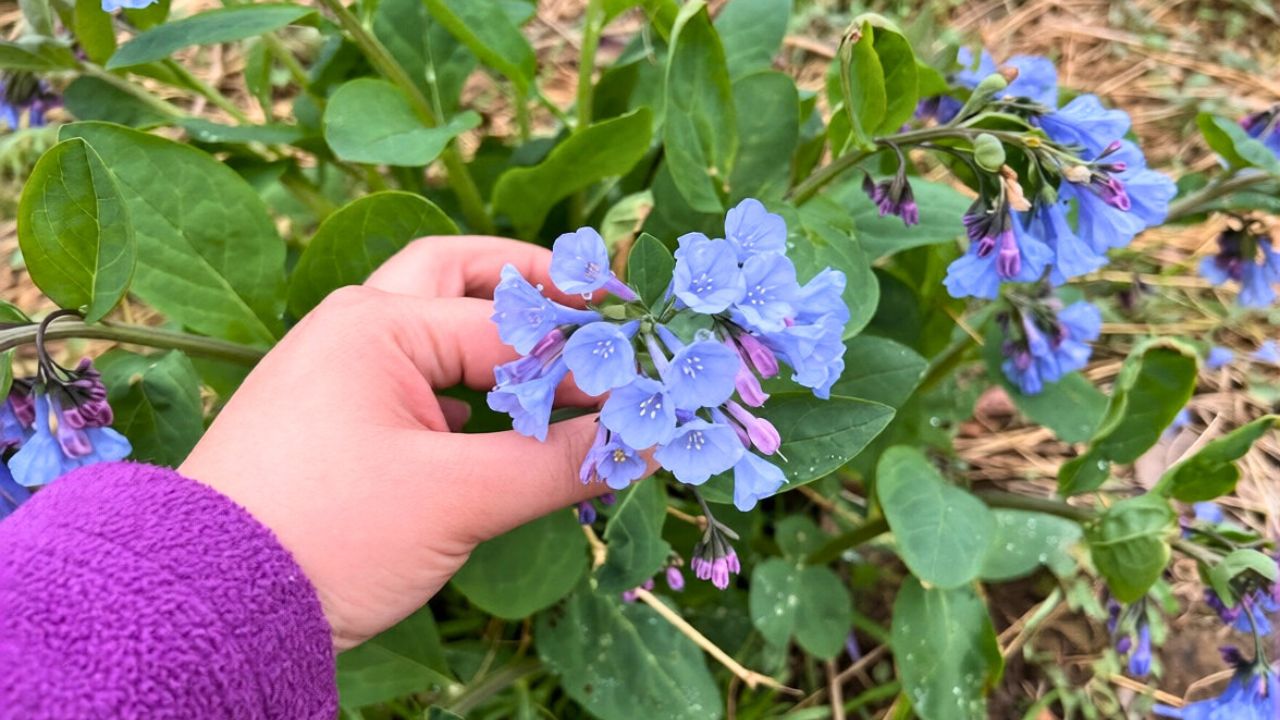
Virginia Bluebells are a perfect example of a plant that dazzles in March and April but leaves a gap by early summer. Descriptions of Virginia Bluebells explain that this native is ephemeral, dying back to the ground once blooming has finished yet capable of forming large colonies if you leave it undisturbed. Another source notes that the pink buds of Virginia bluebells open to sky blue flowers that carpet woodland areas in early spring, then their foliage disappears completely.
In a shaded border, that pattern means your March and April views are full of soft blue and fresh green, then suddenly pocked with empty soil once the plants slip into dormancy. Recommendations for small yards in Maryland even highlight that Virginia Bluebells thrive in shaded, moist, well drained soil but should be paired with ferns or sedges to keep gardens visually appealing year round. If you plant them as your only shade feature, your March landscape will impress visitors while your June shade bed looks like it was forgotten. You can avoid that by following the same advice and mixing them with evergreen groundcovers or later blooming shade perennials such as Jacob’s Ladder (Polemonium) that send up Clusters of blue flowers and fresh foliage in late spring.
3. Oriental poppies that collapse after flowering
Oriental poppies are another plant that can fool you in March and April, when their ferny foliage and swelling buds promise a dramatic show. Once they bloom, the huge, brilliantly colored flowers of Oriental poppies (Papaver) are unforgettable, but advice on Your Oriental poppy makes clear that the plant is not dying when it falls apart after flowering. The explanation for Papaver oriental poppies is that once the blossoms fade, the foliage begins to collapse and the plant enters dormancy, which leaves a glaring hole in your border by early summer.
If you mass these poppies at the front of a bed, you get spectacular photos in late spring and a patch of bare soil by June. That sudden change clashes with the deeper, more saturated greens that appear when Then June rolls around and tree leaves lose their acid tones and settle into darker color. To keep your design from looking unfinished, treat Oriental poppies as a middle layer and tuck them behind compact shrubs or perennials that leaf out later, so when Papaver foliage disappears, something else is already filling the visual gap.
4. Cold lovers like pansies and violas that hate heat
Cool season annuals such as pansies and violas are marketed heavily in late winter, and for good reason. Advice for early planters notes that Pansies and violas are cold tolerant flowers that you can plant as early as February or March in Ohio, and that they perform well in temperatures between 40 and 60 degrees Fahrenheit. Another guide on Front Yard Landscaping even encourages you to Plant First Violas, primroses, and pansies in very early spring once they are hardened off, because they can live through winter weather in places like Indianapolis.
The problem comes once late May and June bring higher temperatures and stronger sun. A local discussion of March Ohio flower options points out that What pansies cannot tolerate is heat, and that Maybe the confusion about their toughness comes from the fact that they are not heat tolerant, so Since they struggle in warm conditions they decline quickly as summer approaches. When you pack your beds with these cool lovers, your yard looks charming in March yet tired and leggy by June. You can still enjoy them by treating them as a seasonal layer and planning to swap them for heat tolerant annuals once night temperatures stay consistently warm.
5. Ornamental cabbage and kale that bolt or melt
Ornamental cabbage and kale are another March crowd pleaser that can turn ugly as summer approaches. A year round design guide notes that Ornamental cabbage and kale do not flower in the usual way, but their leaf colors create a strong visual mix when the rest of the garden is quiet. Another recommendation explains that ORNAMENTAL, CABBAGE, KALE, and Ornamental Cabbage and are favorite plants for cool seasons, with rich green colors and various leaf shapes that are a great choice for your sun loving garden when temperatures are low.
As heat builds, these decorative brassicas either stretch into tall, awkward flower stalks or collapse under stress. One report on fall plantings explains that Cabbage and kale have been turned into cool season ornamentals because of their bright colorful leaves, and that They are designed for show, not to eat, which hints at their short performance window. Another local gardening column notes that Another annual plant that provides color and texture in early spring is flowering kale or ornamental cabbage, and that While this plant is widely available in March, it is not built for the sustained heat of summer. If you mass them along a front walk, you get sculptural rosettes in March and spindly, yellowing foliage by June. To keep your entry looking intentional, treat them as a temporary accent and replace them with summer annuals before they bolt.
6. Cool season vegetables that bolt in the heat
Many homeowners tuck cool season vegetables into front yard beds in March because the foliage is attractive and the harvest is convenient. A March checklist for gardeners highlights that Cool season vegetables to plant in March include Lettuce, Spinach, Carrots, Peas, and broccoli, all of which thrive in cool soil and mild temperatures. Another guide on choosing vegetables warns that Lots of mild loving plants cannot handle summer heat at all, while many sun loving crops will not reach maturity unless they have full sun beating down on them as they grow.
Once June arrives, lettuce and spinach in particular respond to long days and high temperatures by bolting, which means they send up flower stalks and turn bitter. A report on heat and high humidity explains that More acclimated to cooler spring temperatures, these leafy vegetables tend to bolt in hot weather, and that Seemingly overnight the plant sends up a flower stalk and bolts, rendering the leaves bitter and tough. If you use them as a decorative edging in March, you end up with tall, ragged seed stalks by June that make your beds look neglected. To keep your front yard tidy, you can either harvest and replant with summer edibles or move your cool season vegetables to a dedicated kitchen plot where their decline will not undermine your curb appeal.
7. Winter bloomers that stall once real spring arrives
Late winter and very early spring plants can be a gift when nothing else is flowering, but they can also look out of place by June if you rely on them for your main display. A list of winter bloomers includes Algerian Iris (Iris unguicularis), photographed by Beverly Buckley on Pixabay, as one of 10 winter flowers that bloom in the cold, with lovely lilac colored petals that open in chilly weather. Another guide to winter flowering shrubs notes that Below a list of the best flowering options you will find Hamamelis × intermedia (hybrid witch hazel), Japa themed cultivars, and other shrubs that carry scented blooms when most plants are still bare.
These species are invaluable from late winter into March, but by June their main show is long finished and you are left with plain foliage that can look heavy or dull next to fresher spring and summer growth. A regional gardening guide suggests that if you Want early flowers in your yard you can Plant hellebores, which often begin blooming in late winter and continue into March, and that if you are Looking for more color you should pair them with bulbs and later blooming perennials. Another source on garden design around Hellebores explains that these plants bloom very early, sometimes in the March snow, and that their foliage later on is a great garden filler. If you only plant winter specialists like Algerian Iris and Hamamelis without considering what follows, your March garden feels magical while your June garden can feel flat. You can prevent that by layering these shrubs and perennials behind later blooming plants so they shift into a supporting role once their flowers fade.
8. Bulb-heavy beds that look ragged by June
Bulbs such as daffodils and tulips are often the first splash of color you add in March, especially along walks and foundations. One early spring blog encourages you to Consider planting daffodils, tulips, and crocuses for March color that signals the arrival of spring, and another guide on preparing for winter planting notes that Late fall or early winter is a great time to divide and plant spring bulbs such as daffodils and crocuses because that is when their foliage has died back and they are ready to be dug up, divided, and replanted. The catch is that you cannot tidy them too quickly once they finish blooming.
Seasonal advice from one landscape company spells this out bluntly, stating that you should NOT cut back tulips, daffodils, and other bulbs until foliage is yellowed, because the leaves need time to recharge the bulb for next year. That guidance appears in a list of NOT to do items for spring gardeners. The result is that if you plant bulbs densely at the front of beds, you will have a sea of flopping, yellowing leaves in May and June that you are not supposed to remove yet. Your March display looks like a postcard, but by early summer the same area reads as messy. You can avoid that visual slump by tucking bulbs among emerging perennials or low shrubs so that as the bulb foliage declines, other plants hide the fading leaves.
9. Trendy early-spring designs that ignore summer structure
Like Fix It Homestead’s content? Be sure to follow us.
Here’s more from us:
- I made Joanna Gaines’s Friendsgiving casserole and here is what I would keep
- Pump Shotguns That Jam the Moment You Actually Need Them
- The First 5 Things Guests Notice About Your Living Room at Christmas
- What Caliber Works Best for Groundhogs, Armadillos, and Other Digging Pests?
- Rifles worth keeping by the back door on any rural property
*This article was developed with AI-powered tools and has been carefully reviewed by our editors.