10 Lawn Products You’re Wasting Money On Right Now
You don’t need a shed full of overpriced lawn products to keep your grass healthy. In fact, some of the things marketed as “must-haves” are either overkill, outdated, or flat-out ineffective.
If you’re wondering why your yard still isn’t where you want it and your wallet feels lighter, it might be time to look at what you’re buying. A few of these common lawn products aren’t pulling their weight—and some might even be doing more harm than good.
Weed and Feed Combos
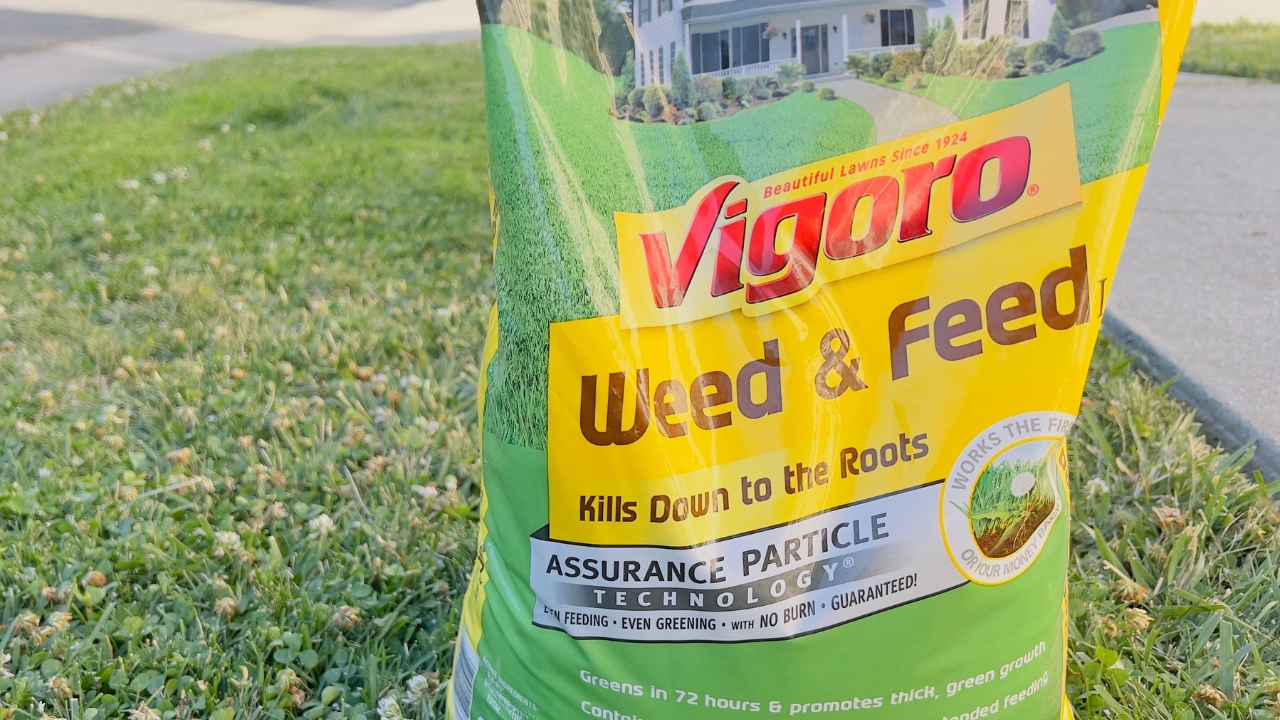
Weed and feed seems convenient, but the two ingredients rarely need to be applied at the same time. The timing for weed control doesn’t always line up with the best time to fertilize, so you end up either feeding weeds or wasting nutrients.
You’re better off spot-treating weeds and fertilizing separately when your grass actually needs it. It takes a few extra steps, but you’ll save money and avoid dumping chemicals into places that don’t benefit from them.
Lawn Paint
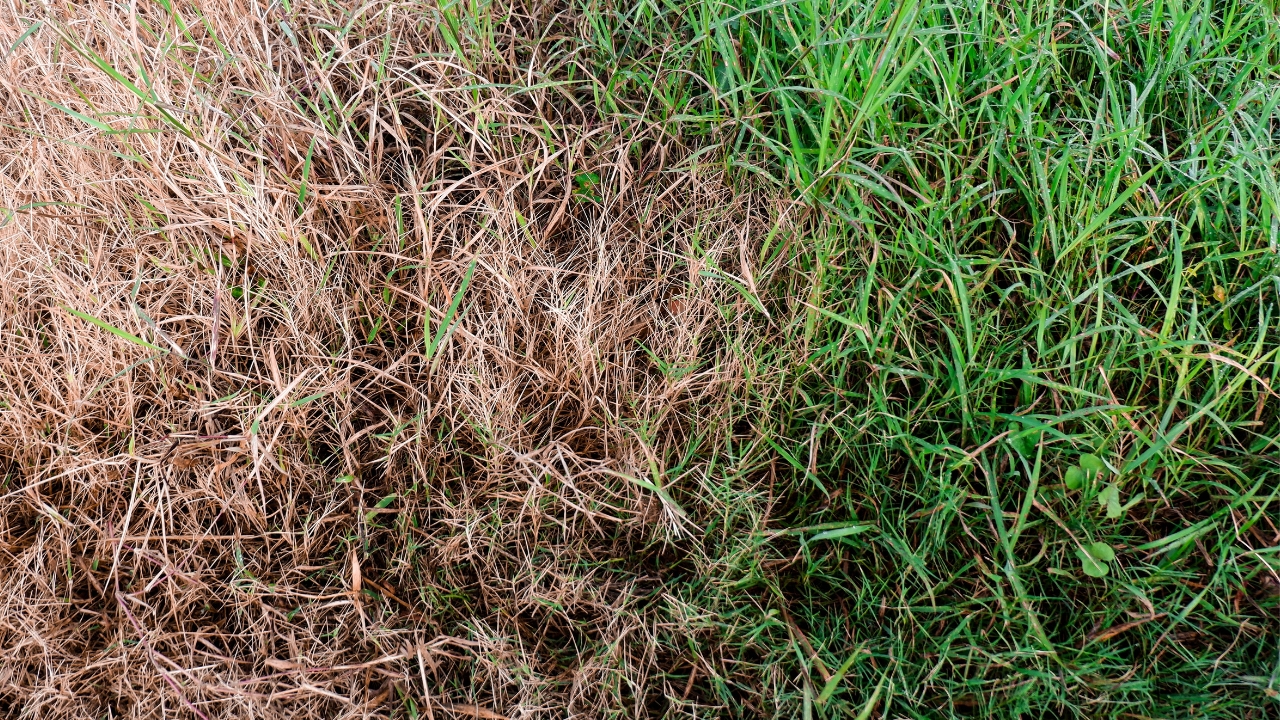
Lawn paint sounds like a shortcut when things go brown, but it doesn’t fix anything long term. It might cover up a problem temporarily, but it doesn’t help your grass recover or grow better.
If your lawn needs color, it needs water, nutrients, or better mowing habits—not a coat of spray-on green. Save your money for actual fixes instead of masking the issue.
Moisture-Retaining Crystals

These are often sold as water-saving helpers, but they don’t work well in established lawns. Most moisture-retaining crystals were designed for container gardening, not turf, and they can interfere with root development over time.
If your lawn is drying out fast, it’s usually a soil or irrigation issue—not something a few granules tossed around will fix. Focus on proper watering and aeration instead.
Annual Grass Seed Mixes

Some bargain grass seed blends include a high percentage of annual varieties. These sprout fast and look good for a season, but then die off, leaving bare spots and making you reseed all over again.
Always check the label. Stick with perennial seed mixes that match your region and lawn type. Otherwise, you’re spending money on something that disappears after a few months.
“Miracle” Lawn Sprays from TV or Social Media

If it promises a lush lawn in three days with zero effort, it’s probably not worth your time. Many of these sprays are either dye-based or full of vague ingredients that don’t do much.
You’re better off sticking with proven basics: soil health, mowing right, and watering consistently. Skip the miracle bottle. It’s usually all marketing and no results.
Starter Fertilizer for Every Application
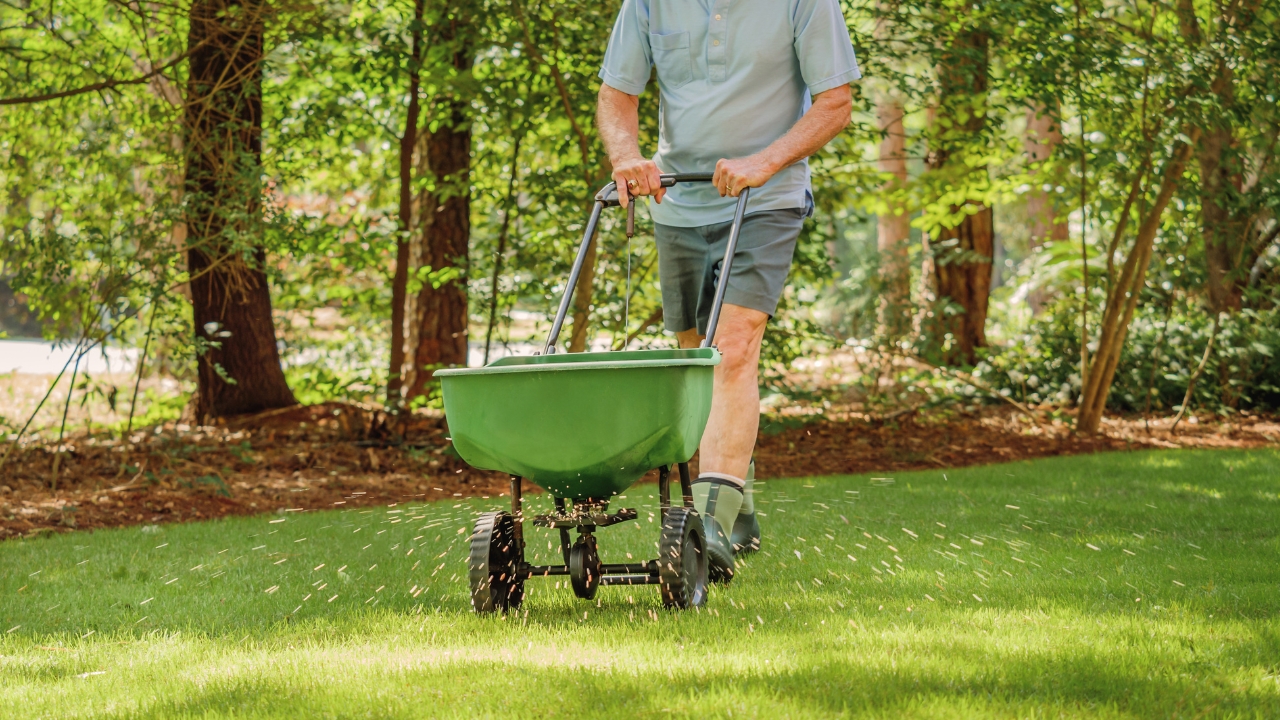
Starter fertilizer is helpful for new sod or seed, but it’s not something you need to apply year-round. Using it regularly won’t help mature grass and could even cause imbalances.
If your lawn is established, use a balanced fertilizer that suits your soil’s actual needs. Get a soil test before throwing money at products that promise a generic fix.
Hose-End Weed Sprayers

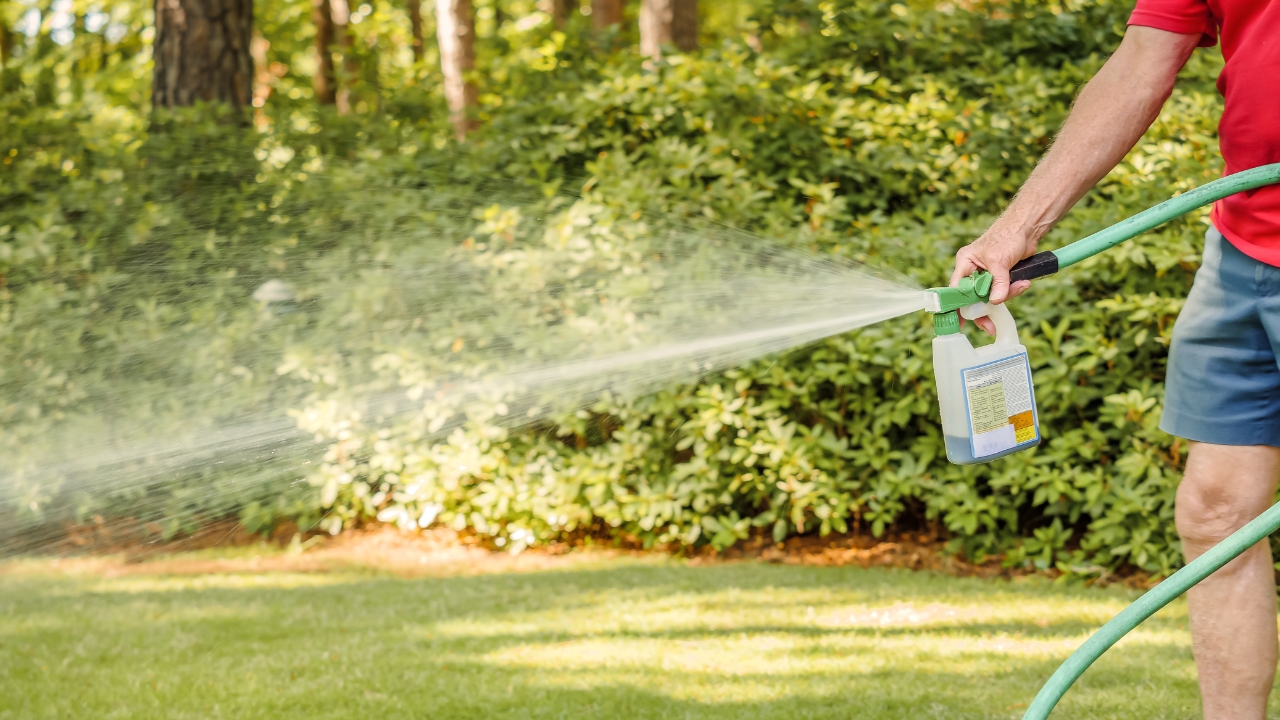
These often give uneven coverage and waste product. It’s hard to control how much you’re actually spraying, and a lot ends up on areas that don’t need treatment.
You’re better off using a pump sprayer or spot-treatment bottle. That way you can control what gets sprayed, use less product, and actually target the weeds that are causing problems.
Artificial Lawn Thatch
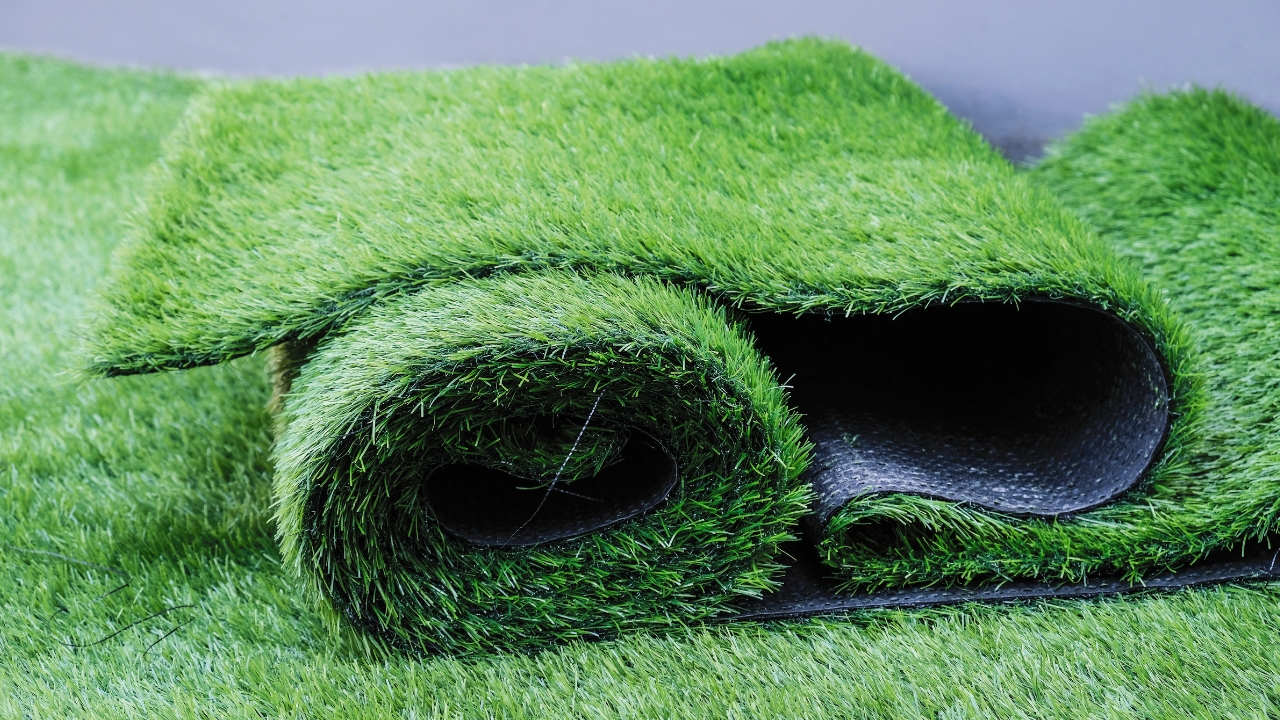
Some folks buy artificial thatch rolls or mats to fill in bare patches or give a “greener” look, but they usually stand out—and not in a good way. They don’t blend naturally and can trap moisture in a way that hurts nearby grass.
Fixing the real issue—whether it’s bad drainage, poor soil, or too much traffic—is a better use of your time and money. Artificial patches rarely age well.
Pre-Measured Fertilizer Pods
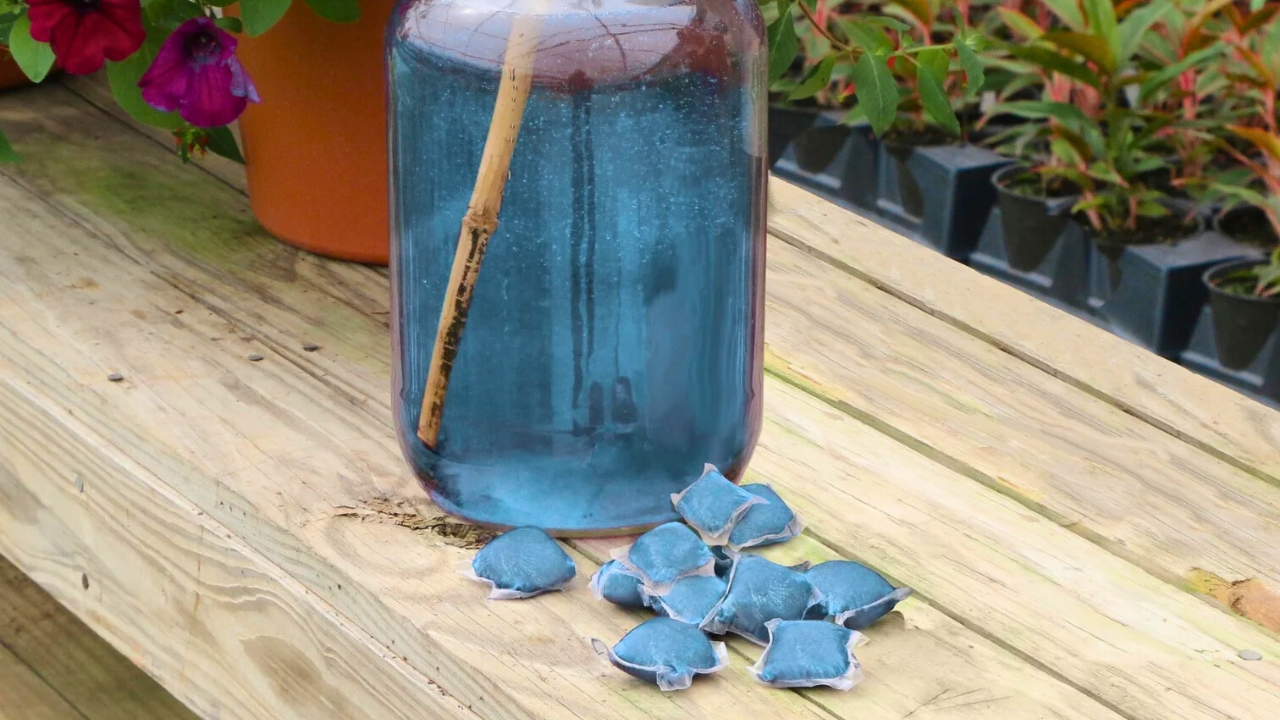
These little pods look tidy, but they’re overpriced and limit how much control you have over what your lawn actually needs. It’s a one-size-fits-all approach, and that rarely works well for grass.
Bulk fertilizer gives you more product for less money, and you can adjust the application to fit your lawn’s size and condition. Those fancy pods might look clean on a shelf, but they’re not worth the price tag.
Lawn-Specific pH Adjusters
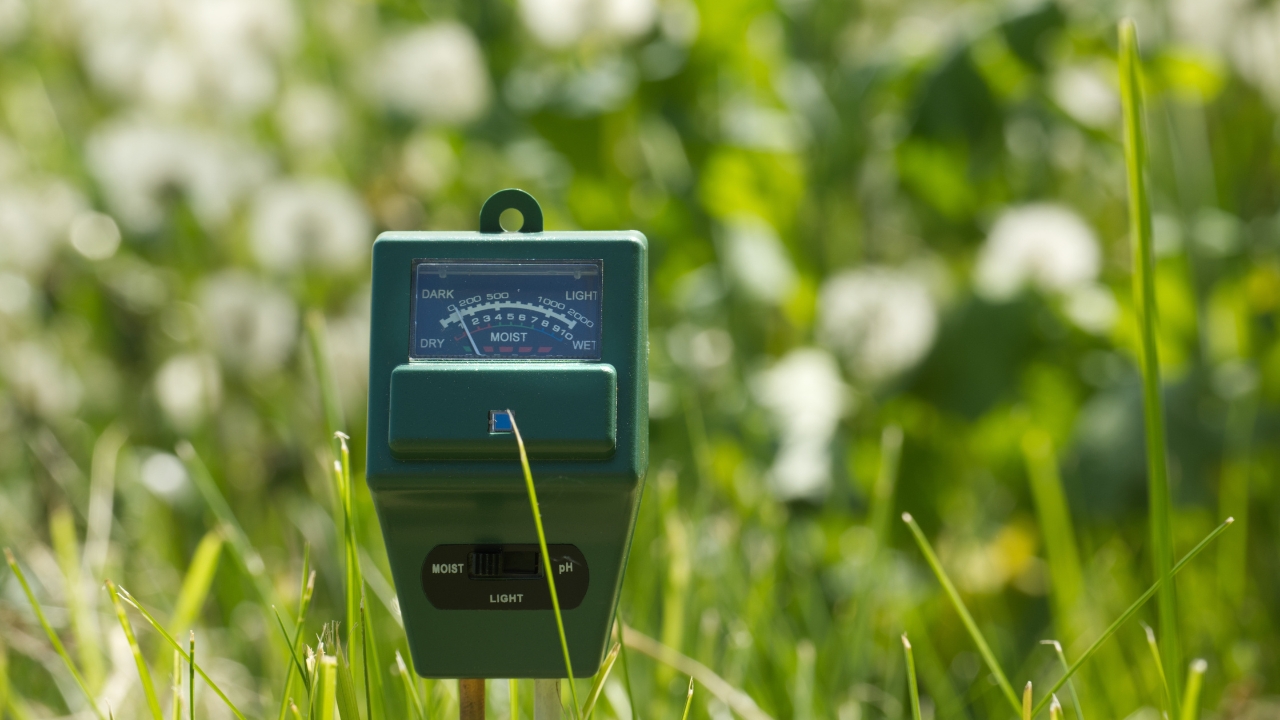
Unless a soil test shows you have a real pH problem, you probably don’t need this. Products labeled to “fix” pH in lawns often don’t move the needle much and are usually overpriced compared to agricultural lime or sulfur.
If your pH is fine, adding more won’t help—and it could actually make things worse. Always test before you treat. Otherwise, you’re guessing and spending on a problem that may not exist.
*This article was developed with AI-powered tools and has been carefully reviewed by our editors.