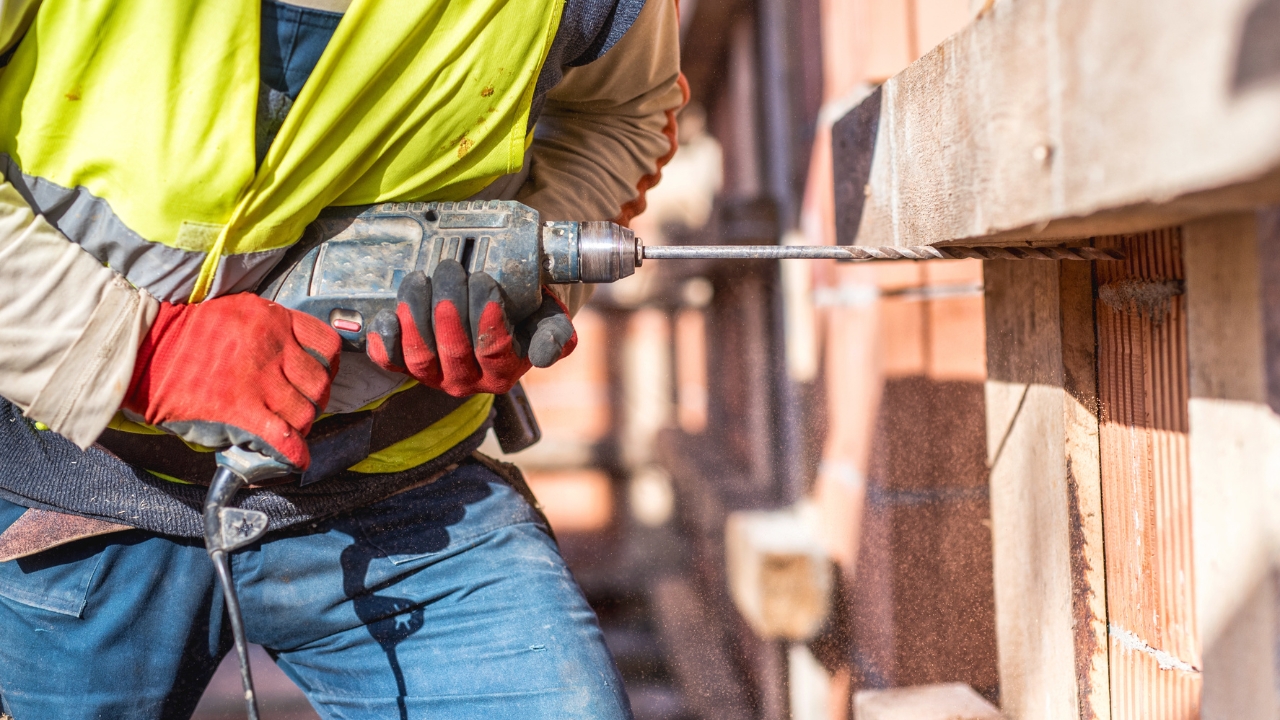
10 mistakes that destroyed $500 worth of power equipment
Power equipment isn’t cheap, and the smaller stuff still adds up fast when things break before they should. A lot of the damage comes down to basic maintenance—or skipping it. If you’ve ever lost a chainsaw, trimmer, or power tool before its time, chances are one of these habits had something to do with it. These are the mistakes that cost us over $500, and if you’re trying to keep your gear in good shape, they’re worth avoiding.
Leaving Batteries in Chargers Too Long

Letting a battery sit on the charger overnight doesn’t sound like a big deal, but it can shorten the life of lithium-ion packs—especially if the charger doesn’t have overcharge protection. Some brands are better about it than others, but budget tools are usually where this damage happens.
Once the battery’s full, unplug it. Leaving it baking in the charger day after day is a good way to slowly kill its capacity. When the battery’s gone, you’re out $60–$150 right there—and most warranties won’t cover it.
Running Tools on the Wrong Extension Cord

Using a lightweight extension cord for something like a shop vac, table saw, or air compressor can choke off the power flow. It forces the motor to work harder than it should, and over time, that extra heat wears it down.
If your cord’s too long or too thin, you’re stressing the tool. For most power-hungry equipment, you want a 12- or 14-gauge cord rated for the amps you’re pulling. Undersized cords are one of those behind-the-scenes killers people don’t notice until the motor’s fried.
Using Fuel That’s Too Old
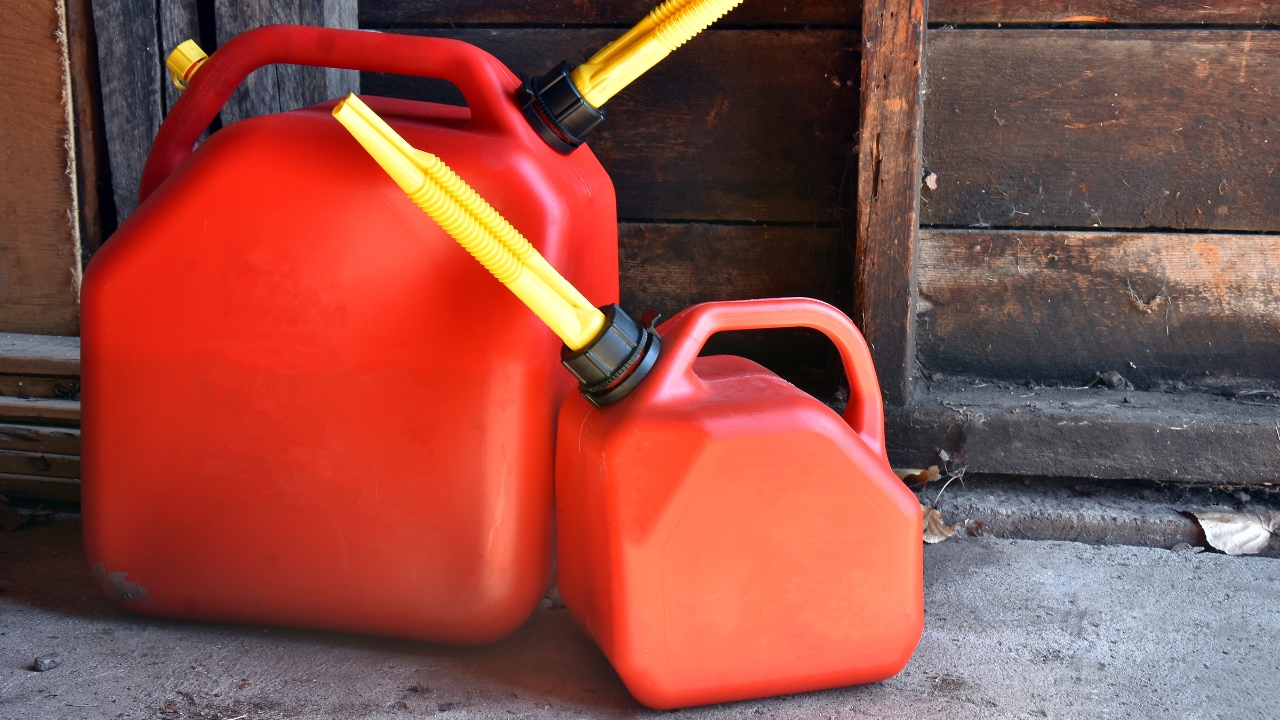
Gas goes bad faster than you think—especially with ethanol mixed in. After a few months, it starts breaking down and drawing in water, which gums up small engines like chainsaws and pressure washers fast.
If you’re using fuel that’s been sitting since last season, you’re risking carburetor clogs, hard starts, and complete failure. Either use a stabilizer or dump it and refill. A $5 jug of fresh gas beats a $200 repair on a gummed-up motor.
Skipping Air Filter Checks
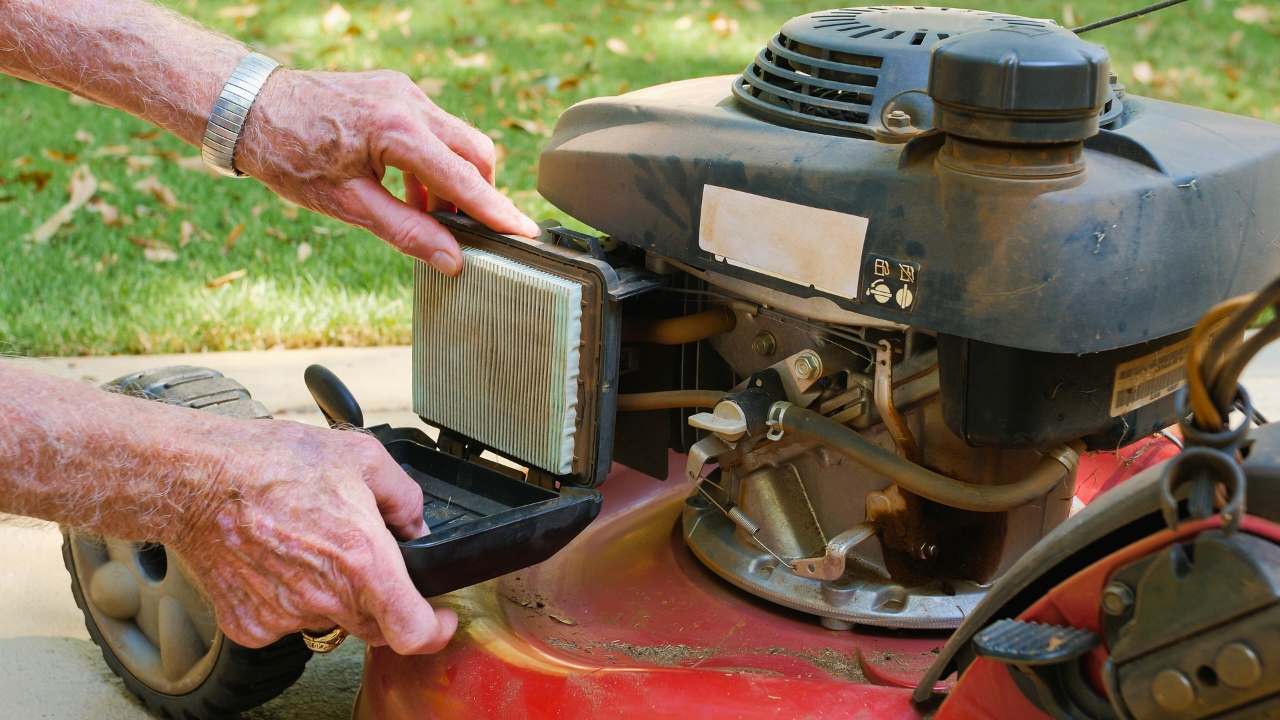
A dirty or clogged air filter makes your engine run rich—burning more fuel and throwing off performance. Eventually, it strains the motor and can lead to full-on breakdowns in tools like mowers, trimmers, and generators.
It only takes a minute to pull and check the filter. Knock off the dirt, or swap it out if it’s falling apart. It’s a cheap part that protects an expensive machine. Skip it, and you’ll end up paying for it one way or another.
Storing Tools in a Damp Shed or Garage
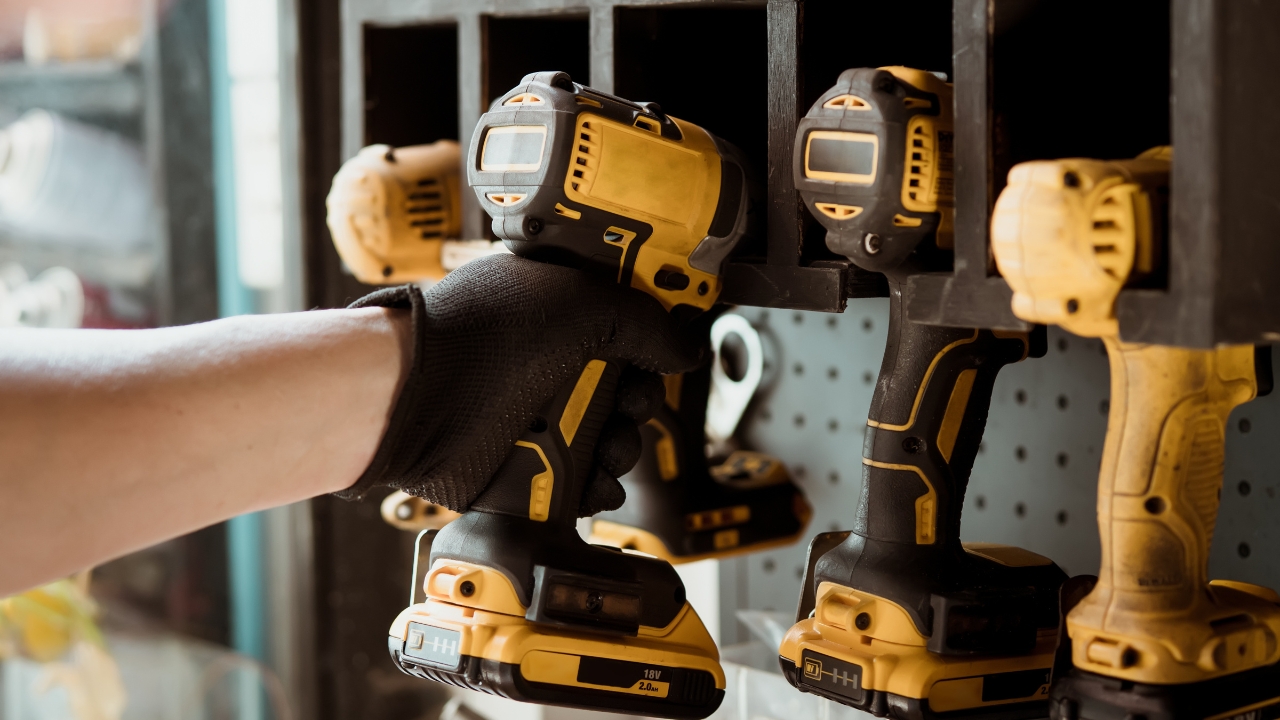
Humidity is brutal on cords, batteries, and motors. If your gear sits in a shed or garage that sweats in the summer and freezes in the winter, it’s getting hit from both ends.
Moisture creeps into switches, rusts contacts, and eventually stops tools from working altogether. Tossing them in a tote or cabinet can help, but if your space doesn’t stay dry, even your backups can start failing faster than expected.
Pushing Tools Past Their Limits

Trying to cut something too thick with a cheap circular saw or using a light-duty drill on a heavy job can smoke the motor. Power tools are rated for a reason, and overworking them is one of the fastest ways to kill them.
If your tool starts smelling hot, bogs down, or throws sparks, back off. Running it past its capacity for the sake of one more cut or screw isn’t worth the $75–$150 you’ll be paying to replace it later.
Forgetting to Oil Moving Parts

Anything with a chain, blade, or hinge needs lube once in a while. Chainsaws, hedge trimmers, and even some drills rely on oil or grease to keep things moving without overheating.
It doesn’t take much, but forgetting this step leads to wear and tear that you can’t undo. Once a chain gets scorched or a bushing grinds itself down, that tool’s life is shortened whether it still turns on or not.
Tossing Tools in a Pile After Use
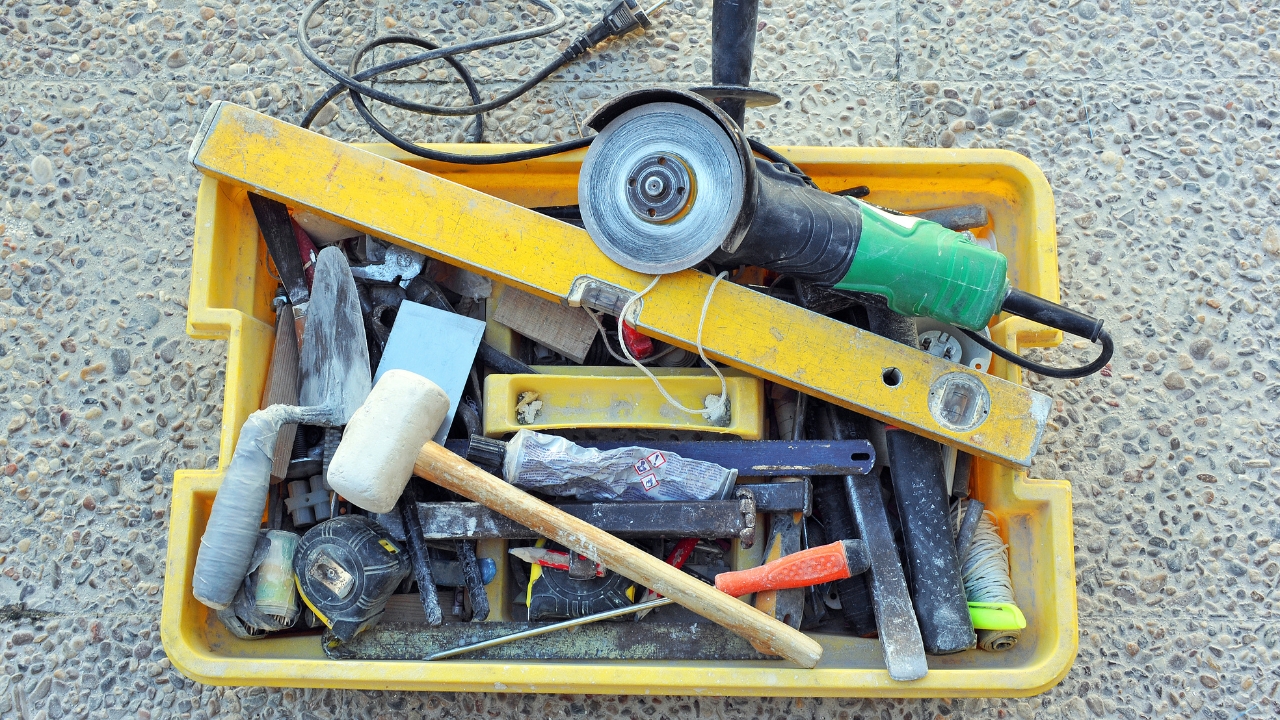
Letting your gear get knocked around in the back of a truck bed or tossed in a bin can lead to busted switches, cracked housings, and bent blades. Some damage shows up immediately, but a lot of it builds up over time.
A $40 drill might survive the abuse, but a $180 impact driver won’t take it forever. Even setting up a shelf or padded tote can keep your tools from taking hits that shorten their life.
Ignoring Burnt Smells or Sluggish Starts

When a power tool starts smelling like burnt plastic or takes longer to spin up, something’s off. It could be worn brushes, heat damage, or early signs of motor failure. But a lot of people push through until it completely dies.
Catching problems early is how you stop small wear from turning into major damage. If it’s acting weird, open it up or take a break and look into it. Waiting until it fully stops working is how you end up replacing something that could’ve been saved.
Letting Tools Sit for a Season Without Maintenance
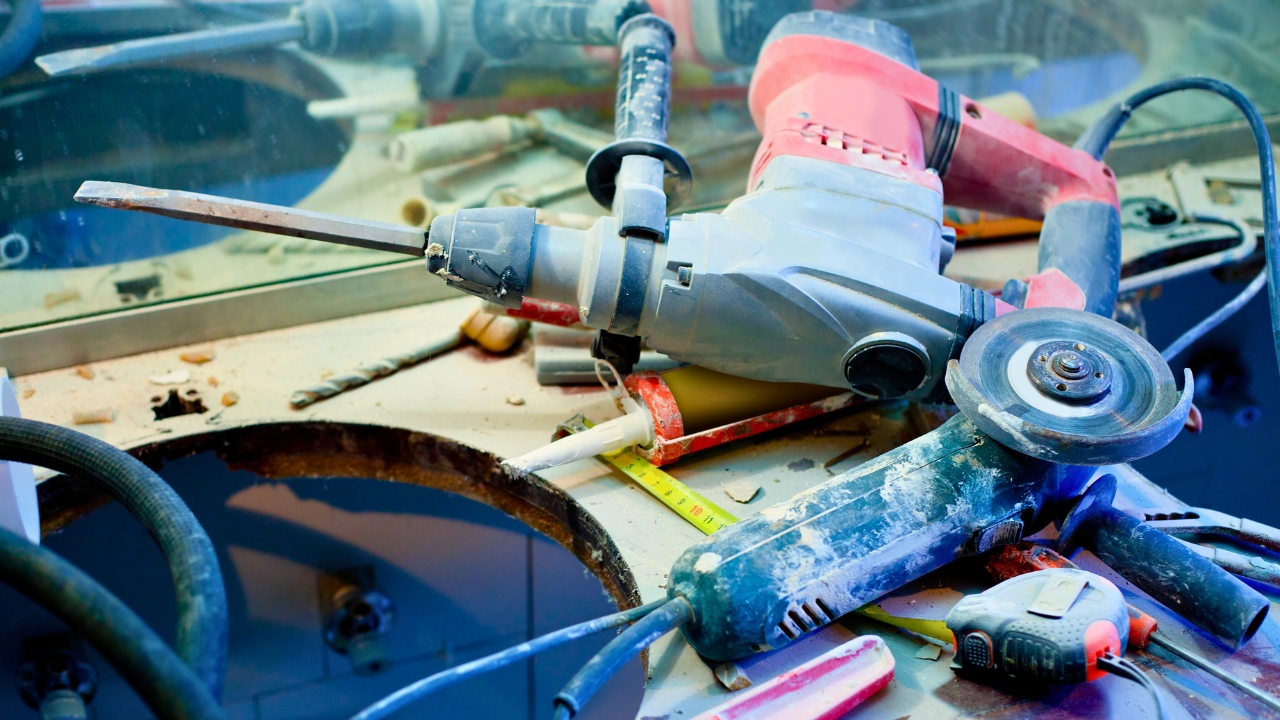
Letting something sit for months without draining fuel, charging batteries, or giving it a once-over sets it up for failure. The next time you go to use it, you’re dealing with clogs, corrosion, or dead packs.
A little prep before storage makes all the difference. Run the gas out of small engines. Wipe things down. Charge batteries every couple of months. It’s not about babying your gear—it’s about keeping it from dying before it’s paid for itself.
*This article was developed with AI-powered tools and has been carefully reviewed by our editors.