10 “normal” house habits that wreck resale value over time
Everyday routines inside your home can quietly chip away at what a future buyer is willing to pay. You may keep up with the mortgage and utilities, yet “normal” habits, from skipping small repairs to living with clutter, gradually turn into red flags that buyers price in. If you want your place to hold its value, you need to spot these patterns early and course-correct before they become expensive surprises.
Rather than focusing only on big-ticket renovations, you get better results by protecting what you already have. That means treating your home less like a storage unit or science experiment and more like a long-term investment that reacts to wear, neglect, and taste just as predictably as any stock chart.
1. Ignoring “little” maintenance problems
You probably tell yourself you will get to that dripping faucet, sticky window, or hairline crack in the ceiling when life slows down. In practice, those small issues often snowball into structural or safety concerns that scare buyers and appraisers. Guidance on Ignoring necessary repairs highlights how a leaky roof, faulty plumbing, or damaged windows can evolve into bigger problems that cost far more than the original fix.
Letting these jobs slide creates a pattern of Deferred Maintenance that buyers read as a warning about what else might be lurking behind the walls. One analysis of Deferred Maintenance points out that small problems always become big problems if you give them enough time, and that is exactly how you end up with inspection reports full of red ink. By treating minor repairs as monthly line items instead of emergency events, you protect both your budget and your eventual sale price.
2. Letting clutter and grime become the default
Living in a space day after day, you stop seeing the piles of mail, the overstuffed closets, and the toys under every chair. Buyers do not have that blind spot. Research on Clutter shows that too much stuff makes rooms feel smaller and prevents people from imagining themselves living there, which directly reduces what they think the home is worth. Even if you promise to clear everything out before closing, the first impression has already lowered your negotiating power.
Grime works the same way. Built-up soap scum, stained grout, and greasy kitchen cabinets signal that you might have skipped deeper maintenance too. Sources that track Poor curb appeal and interior neglect explain that beyond the obvious repairs, buyers respond strongly to small visual cues about how you care for the property. A regular habit of decluttering, deep cleaning, and editing what you own keeps your square footage working for you instead of against you.
3. Living with tired finishes and heavy personalization
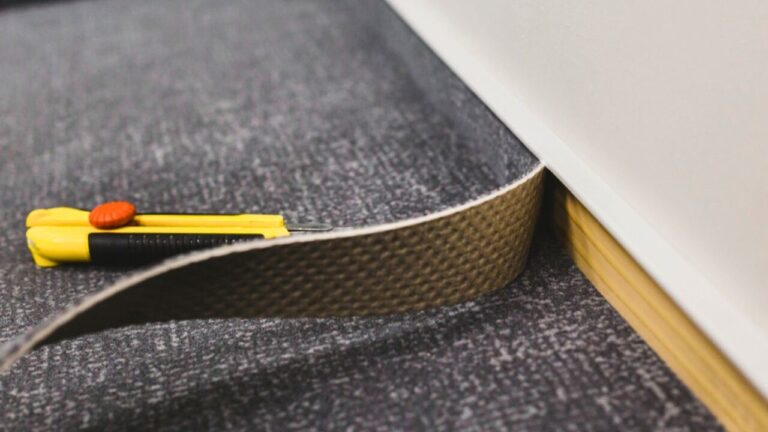
You should absolutely enjoy your home, but some “normal” style choices quietly shrink your future buyer pool. Wall-to-wall carpet that felt cozy a decade ago now reads as a liability to many shoppers. One renovation guide notes that Many people dislike because it holds dust and allergens, traps moisture, and can even lower your home’s value compared with hard flooring. The same goes for heavily themed rooms, from floor-to-ceiling sports murals to neon accent walls that require multiple coats of primer to tame.
Over time, you might also add built-ins, unusual shelving, or elaborate light fixtures that suit your taste but feel like homework to the next owner. Guidance on Common Home Improvements to reconsider points out that too much wallpaper and overly specific built-in elements can backfire when buyers mentally subtract the cost of removal from their offer. Keeping your permanent finishes neutral and expressing your personality with art and furniture instead helps protect your resale value while still letting you feel at home.
4. Neglecting curb appeal and exterior care
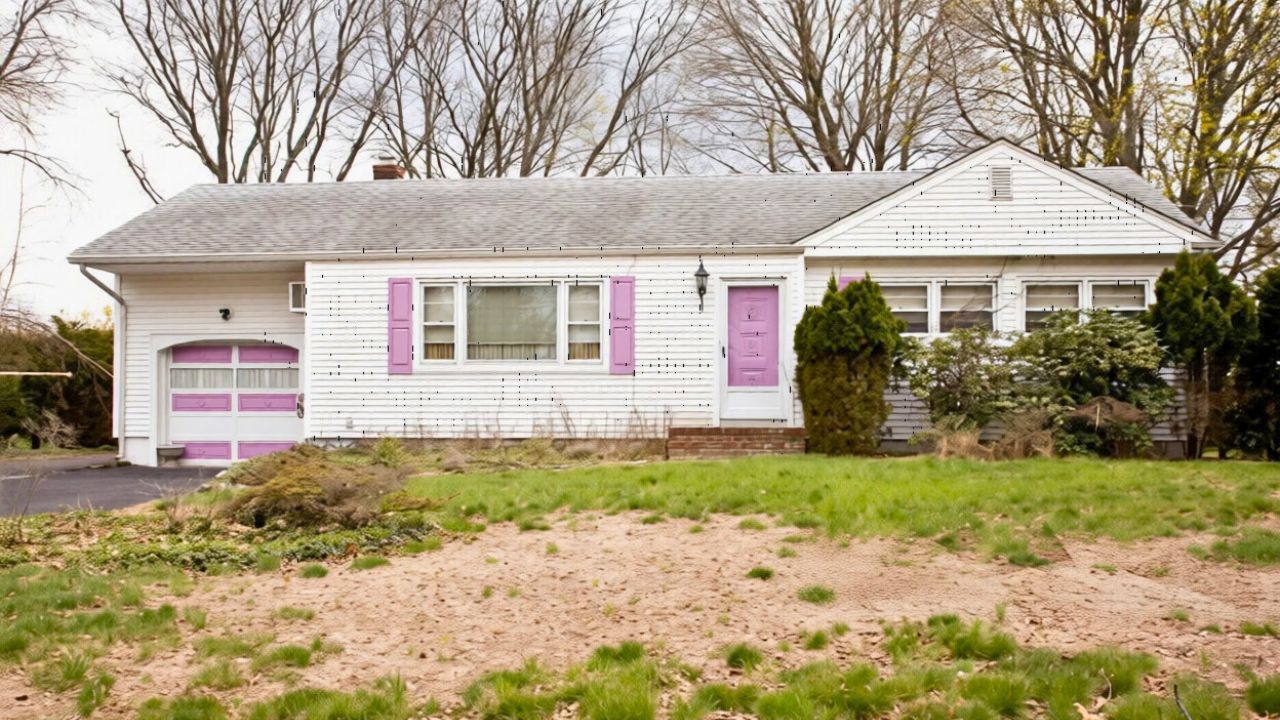
Because you usually enter through the garage or side door, you might forget what your home actually looks like from the street. Buyers do not. They form an opinion before they touch the front steps, and that opinion is hard to reverse. Analysts who track Unappealing Curb Appeal note that peeling paint, overgrown landscaping, and cracked walkways signal both cosmetic neglect and potential safety issues. Even if the interior is pristine, a shabby exterior invites lower offers.
Your siding, roof, and gutters also age faster if you ignore them. Advice on Small Leaks Can to Big Regrets explains that your home’s exterior is its first line of defense and that deferred care here undermines long-term value. Moss on the roof, clogged gutters, and flaking trim might feel like weekend chores you can postpone, but they are also gateways to water intrusion, rot, and pest damage. A habit of seasonal exterior inspections and quick touch-ups keeps those slow-motion problems from eroding your equity.
5. Overlooking systems, safety, and inspection red flags
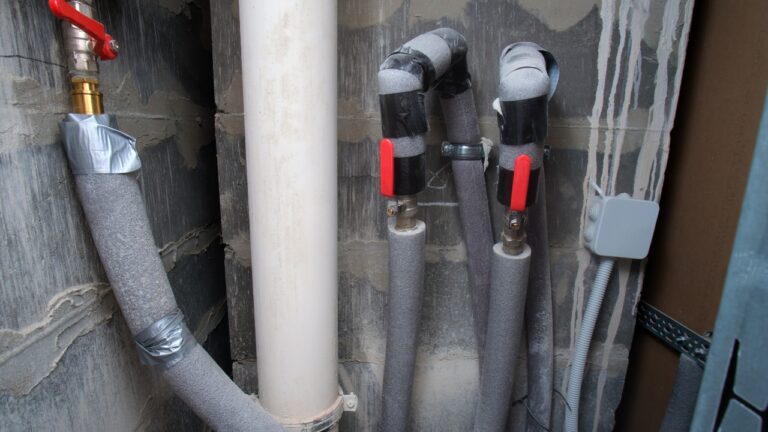
You rarely think about your electrical panel, plumbing lines, or HVAC system when they are working. Buyers and inspectors think about them constantly. Guidance on HVAC systems emphasizes that heating and cooling affect comfort, air quality, and energy costs, which means neglected equipment shows up as a major red flag. The same inspection checklists flag outdated wiring, past water damage, and signs of pests as issues that can derail a sale or invite demands for steep credits.
When you normalize living with tripped breakers, slow drains, or musty smells, you are effectively choosing to store up inspection problems for your future self. Experts who advise sellers on structural and safety stress that buyers and lenders may not close if significant hazards remain unresolved. Making a habit of annual servicing for your HVAC, checking for leaks, and addressing any sign of mold or pests early keeps your inspection report boring, which is exactly what you want when money is on the line.
Like Fix It Homestead’s content? Be sure to follow us.
Here’s more from us:
- I made Joanna Gaines’s Friendsgiving casserole and here is what I would keep
- Pump Shotguns That Jam the Moment You Actually Need Them
- The First 5 Things Guests Notice About Your Living Room at Christmas
- What Caliber Works Best for Groundhogs, Armadillos, and Other Digging Pests?
- Rifles worth keeping by the back door on any rural property
*This article was developed with AI-powered tools and has been carefully reviewed by our editors.