10 Places Rats Could Be Nesting Without You Knowing
Rats don’t need much to feel at home—just warmth, food, and a hidden space. Once they find that, they’ll settle in and multiply quickly. Here are some of the less obvious places they could be nesting right under your nose.
Inside Walls

If you hear scratching at night or odd sounds in one part of the house, there’s a good chance they’ve gotten into the wall cavity. They chew through insulation and leave droppings behind.
They often enter through small cracks near plumbing or rooflines. Look for gaps and seal them with steel wool and caulk.
Behind Kitchen Appliances

Warmth, food, and tight spaces make your fridge and stove the perfect hiding spot. They can nest behind the insulation or in the motor area.
Pull appliances out and check for droppings or chewed wiring. If you spot signs, you’ll need to set traps and seal access points fast.
Attics and Crawl Spaces
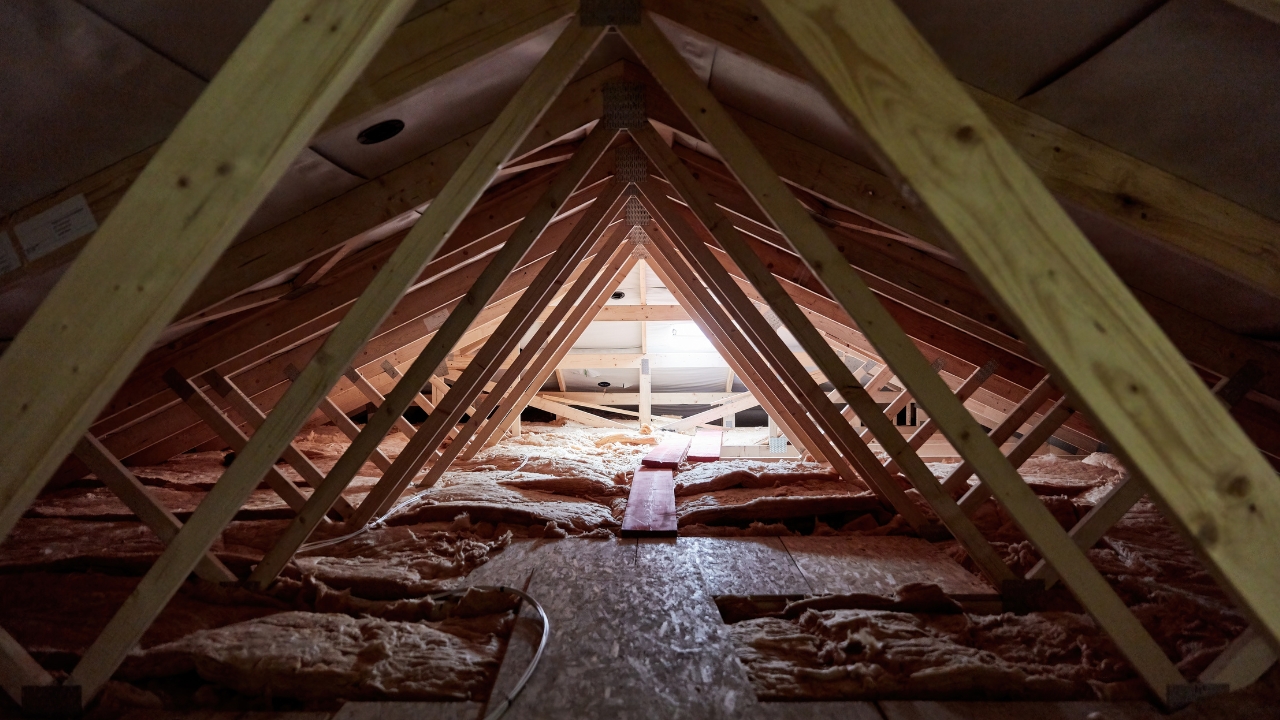
These spaces are usually dark, quiet, and full of insulation rats love to shred. They’ll nest in corners or under boards where you rarely check.
Look for droppings, tunnels through insulation, or urine smell. Set traps near entry points and inspect the attic regularly.
Under Decks or Porches

The space under decks and porches is cozy and out of sight. If there’s trash, stored lumber, or access to water, it’s even more appealing.
Skirt the base and block any holes with hardware cloth. If it’s already infested, bait and trap before sealing it up.
Inside the Garage

Rats will chew into cardboard, nest behind shelves, or tuck themselves into storage bins that rarely get opened.
Declutter and check behind anything that hasn’t moved in a while. Keep pet food sealed and sweep regularly to avoid giving them a food trail.
Inside Old Furniture
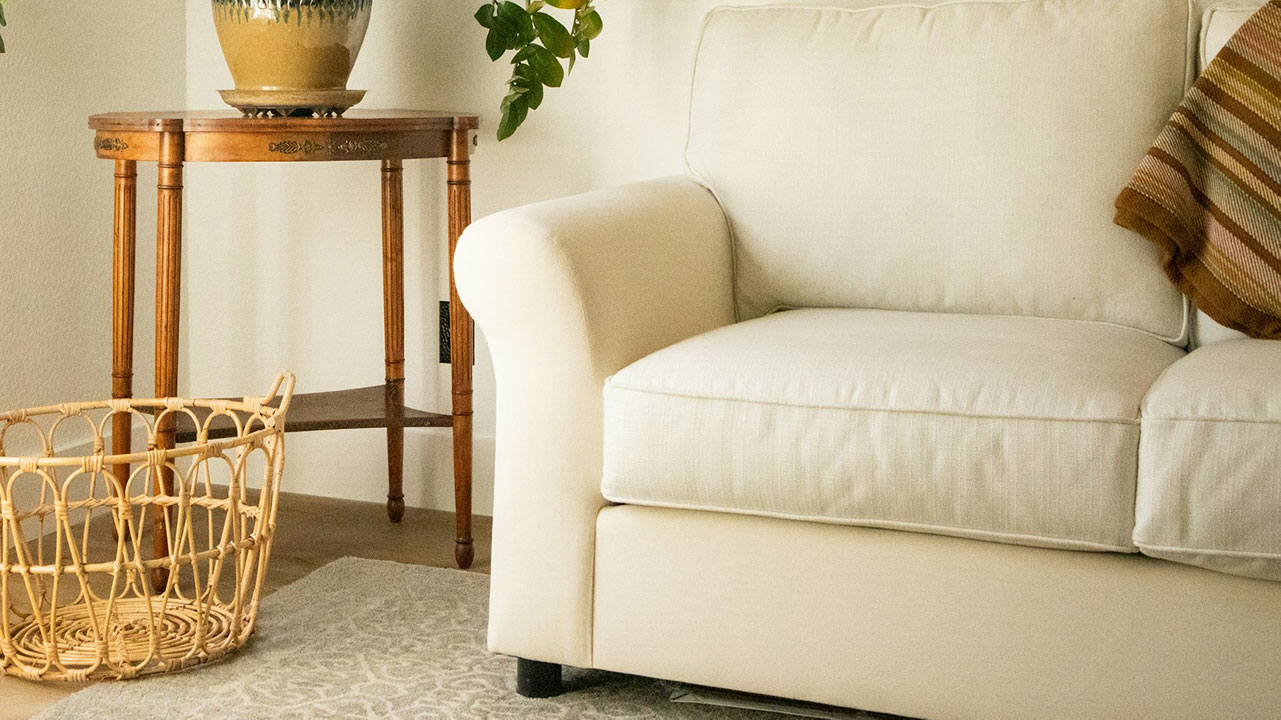
Stuffed chairs, couches, and even mattresses stored in sheds or garages are a nesting dream—soft, hidden, and undisturbed.
If you’re storing furniture outside the house, check for signs before bringing it back in. Rats don’t need much time to move in.
Under the Sink
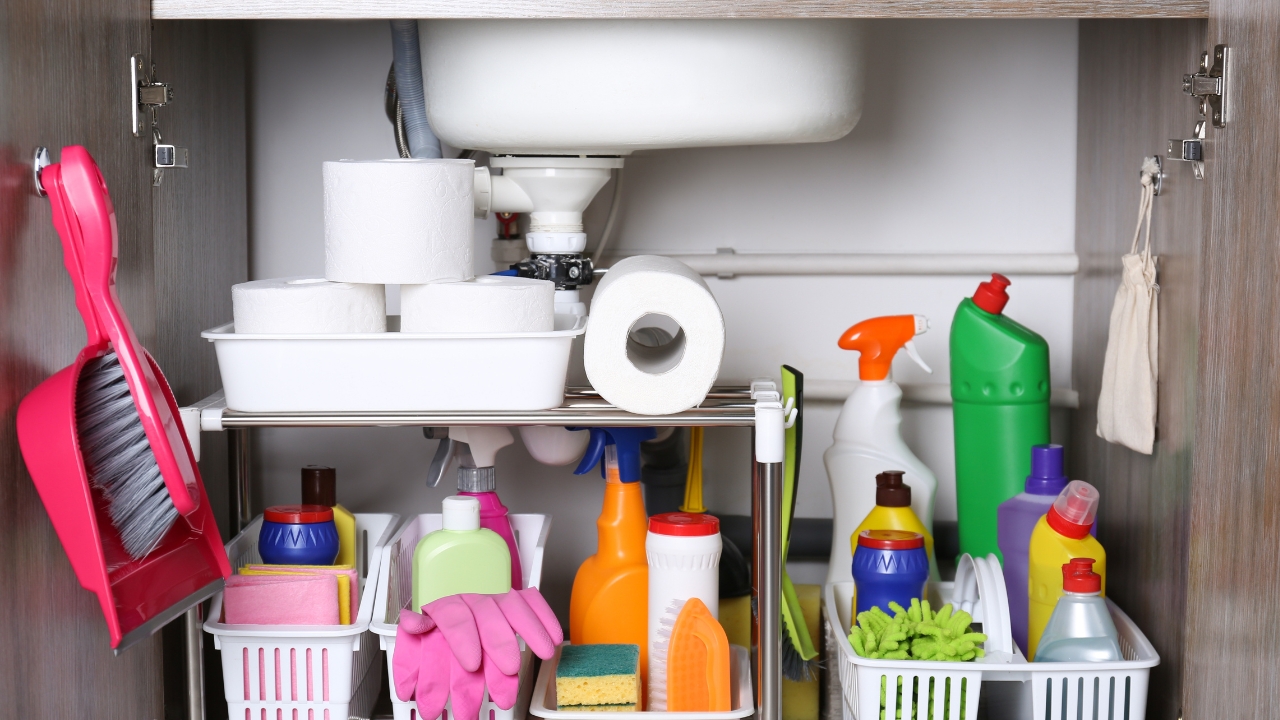
Cabinets under sinks often have unsealed gaps where plumbing enters. Rats can squeeze in and nest behind the cabinet walls or inside insulation.
Check for chewed pipes or insulation bits. If it smells off, it’s worth inspecting deeper.
In Sheds or Outbuildings
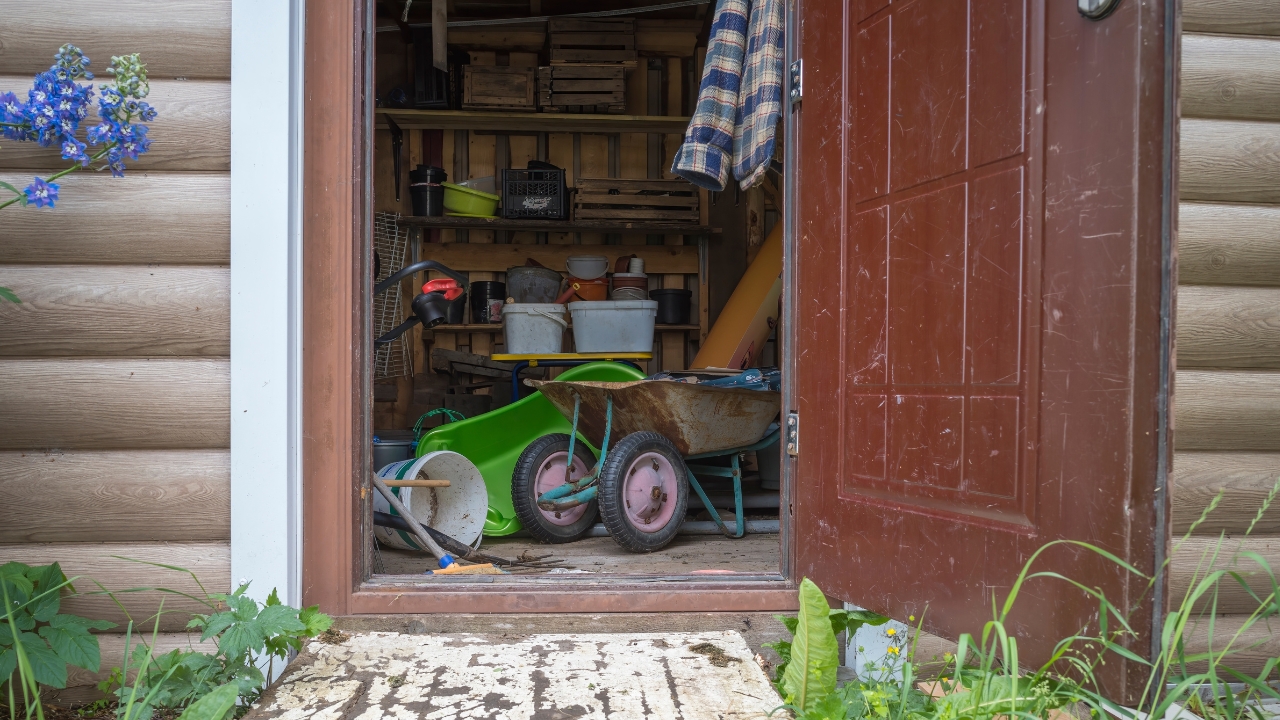
If your shed stays closed up for weeks at a time, it can easily become a rat motel—especially if it’s used for feed, seed, or storage.
Sweep it out, secure all bins, and check rafters and corners for signs of nesting. Even an open bag of grass seed can draw them in.
Inside Ductwork

If your ductwork has a tear or wasn’t sealed properly, rats can crawl inside and nest. You might hear rustling when the heat kicks on or notice a foul smell.
Have your ducts inspected if you suspect something’s hiding in the vents. Rats will chew through soft insulation fast.
Behind Insulation in the Garage or Barn
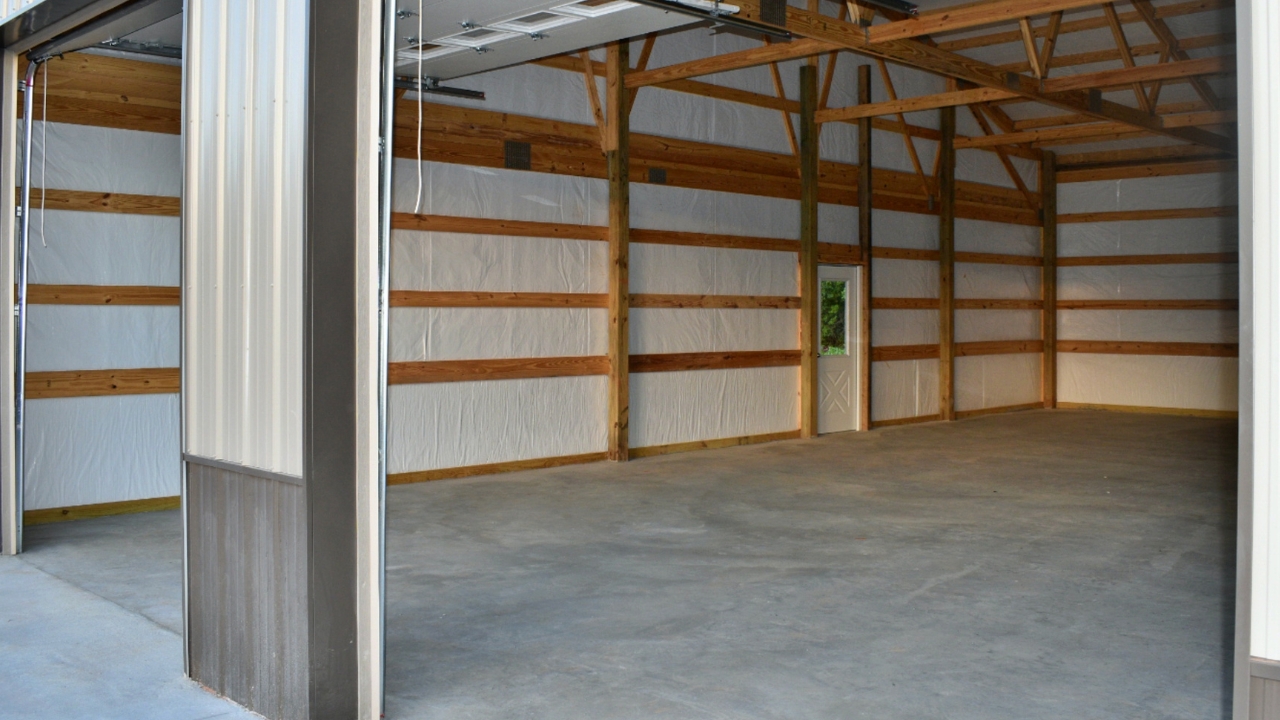
If your walls are unfinished and insulated with batting, rats will burrow behind it and build a nest. You won’t see them unless you peel it back.
They usually enter near floor gaps or utility openings. Use metal flashing or foam board to close it up after confirming they’re out.
*This article was developed with AI-powered tools and has been carefully reviewed by our editors.