10 Plants That Are Shockingly Easy to Keep Alive in Winter
Winter doesn’t have to mean a house full of sad, crispy plants. Some handle dry furnace air and low light way better than others. If you’ve killed more plants than you care to admit, these are the ones that forgive you.
They’re not fussy, they don’t need constant misting, and they don’t panic every time the temperature swings.
1. Snake plant (Sansevieria)
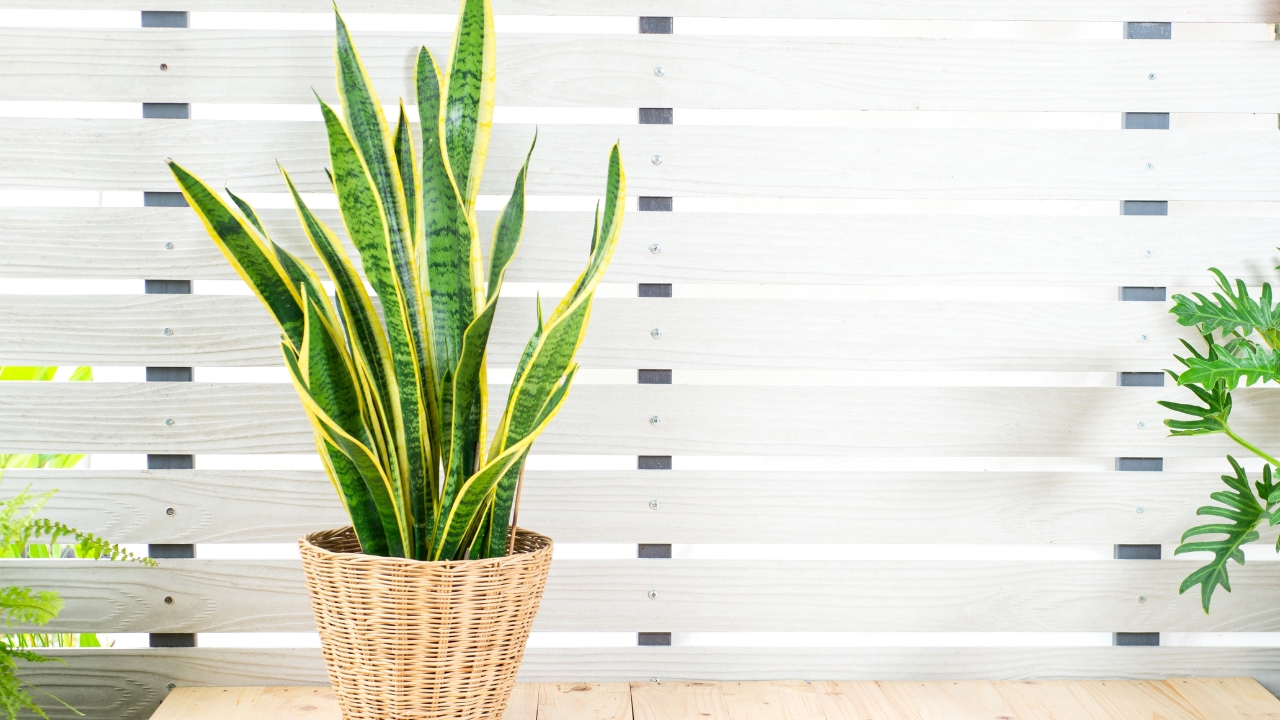
Snake plants are nearly impossible to offend. They handle low light, missed waterings, and dry indoor air like it’s nothing. Their thick, upright leaves store water, so they don’t need constant attention.
In winter, give them bright indirect light if you can, but they’ll still survive in that hallway you forget about. Let the soil dry almost completely between waterings—overwatering is the main way to cause problems. They’re happy in a snug pot and don’t need feeding until spring. If you want something you can practically ignore, this is it.
2. ZZ plant
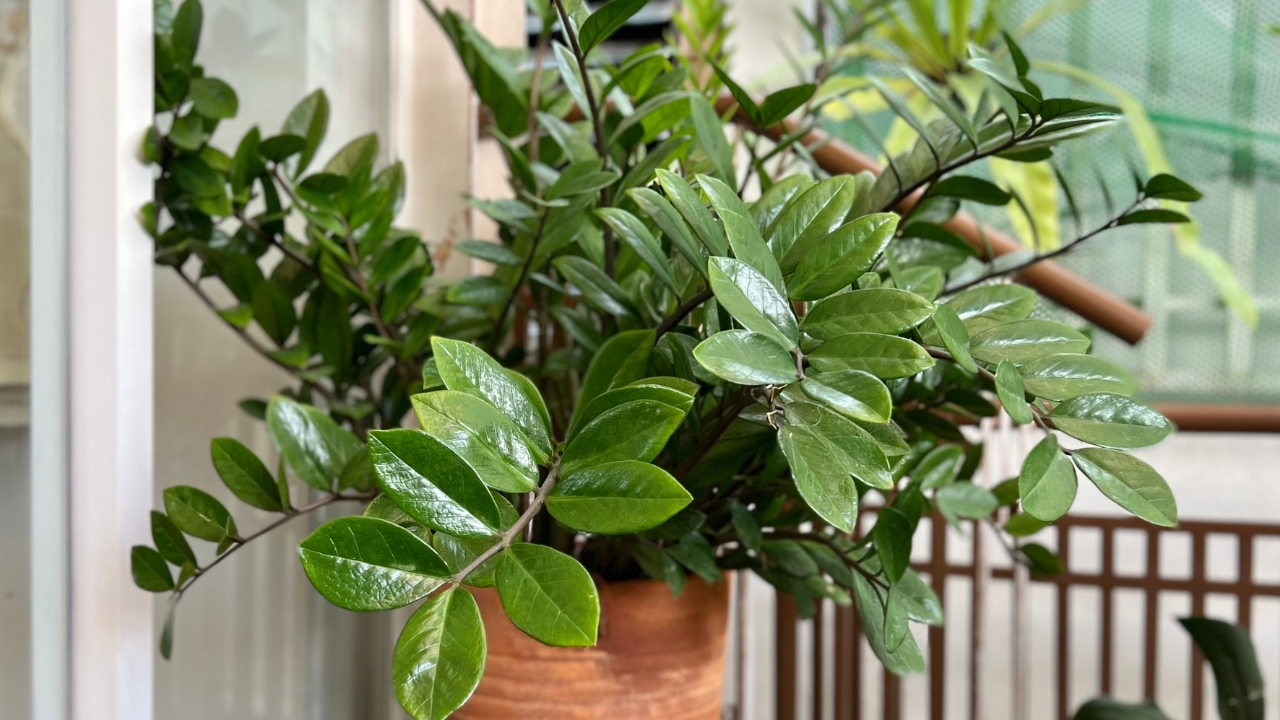
ZZ plants look glossy and fancy but behave like a plant that’s seen some things. Their thick stems and tuber-like roots hold onto water, making them very forgiving if you forget to water.
They tolerate low light, though they’ll grow faster in medium light. In winter, keep them out of cold drafts and water only when the top couple of inches of soil are dry. They don’t mind being a bit root-bound and usually stay pest-free. This is a great option for offices, bedrooms, or corners that don’t get much love.
3. Pothos
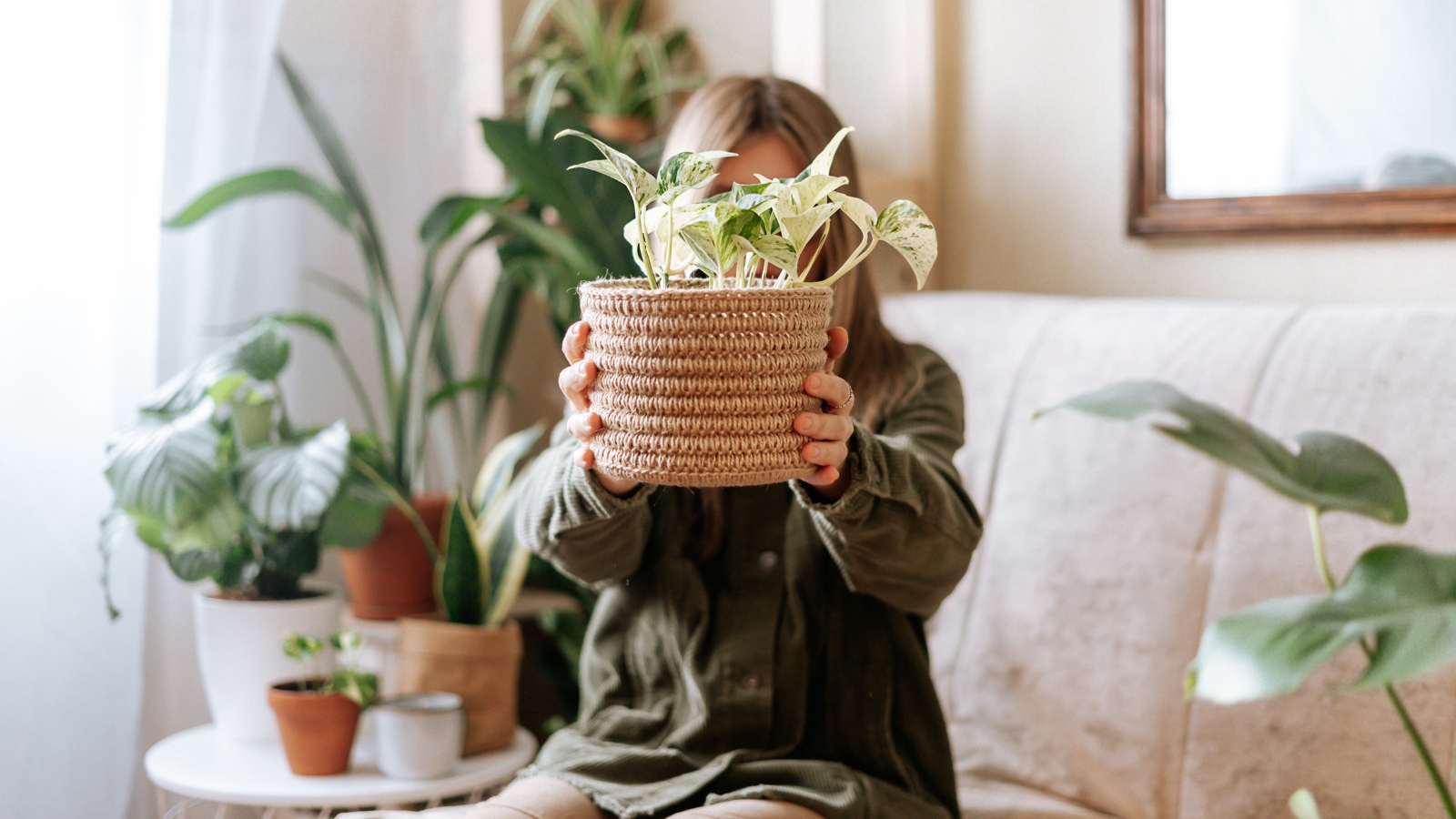
Pothos is the overachiever of houseplants. It’ll trail, climb, or sit quietly in a pot and still look decent even when you’re not on top of care. It handles winter better than many leafy plants because it doesn’t get dramatic about lower light.
Put pothos where it gets medium to bright indirect light and let the top of the soil dry between waterings. If it starts to look leggy, you can trim it back and stick the cuttings in water to root more plants. Even if a few leaves yellow in winter, it usually bounces back hard once days get longer.
4. Spider plant
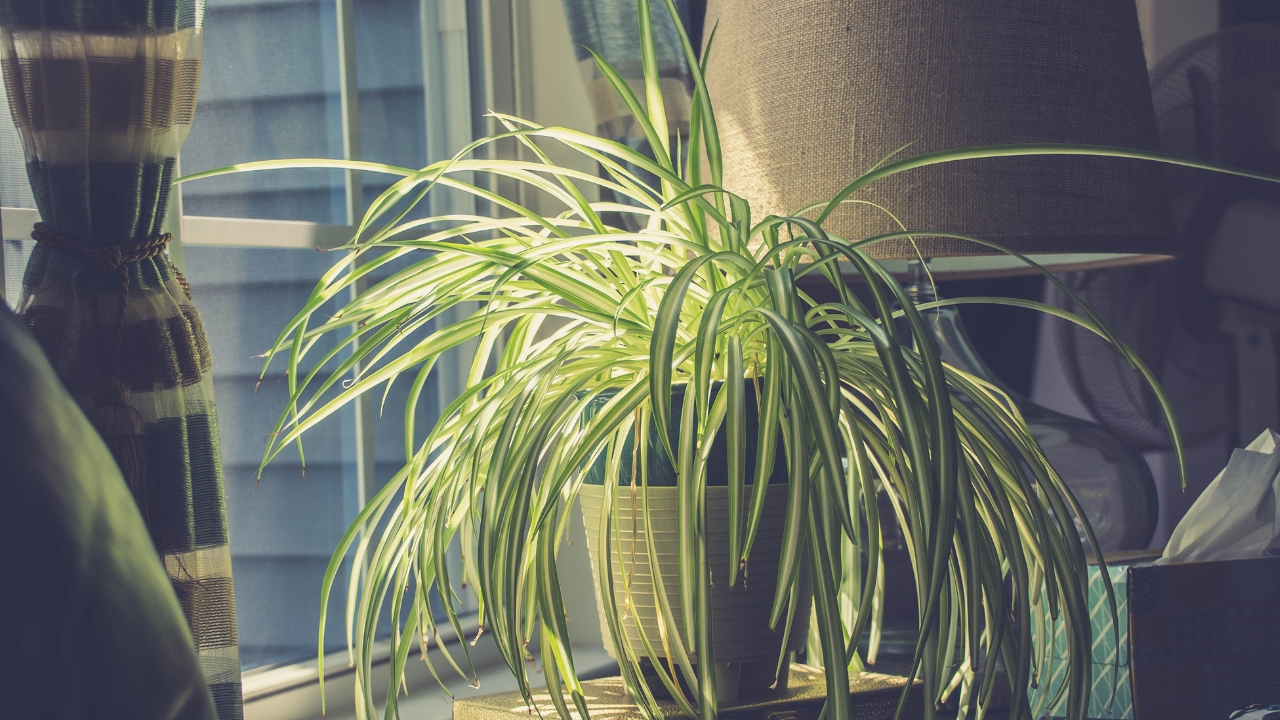
Spider plants handle a wide range of conditions and still pump out little baby “spiders” on long stems. They’re tough enough for bathrooms, kitchens, and living rooms with varying light.
In winter, give them bright, indirect light if you can and keep the soil lightly moist, not soaked. They can handle the dry air from heat better than many plants, though they might get a few brown tips. A quick trim and occasional water is usually all they ask for. They’re also easy to share—just pot up the baby offshoots.
5. Cast iron plant (Aspidistra)
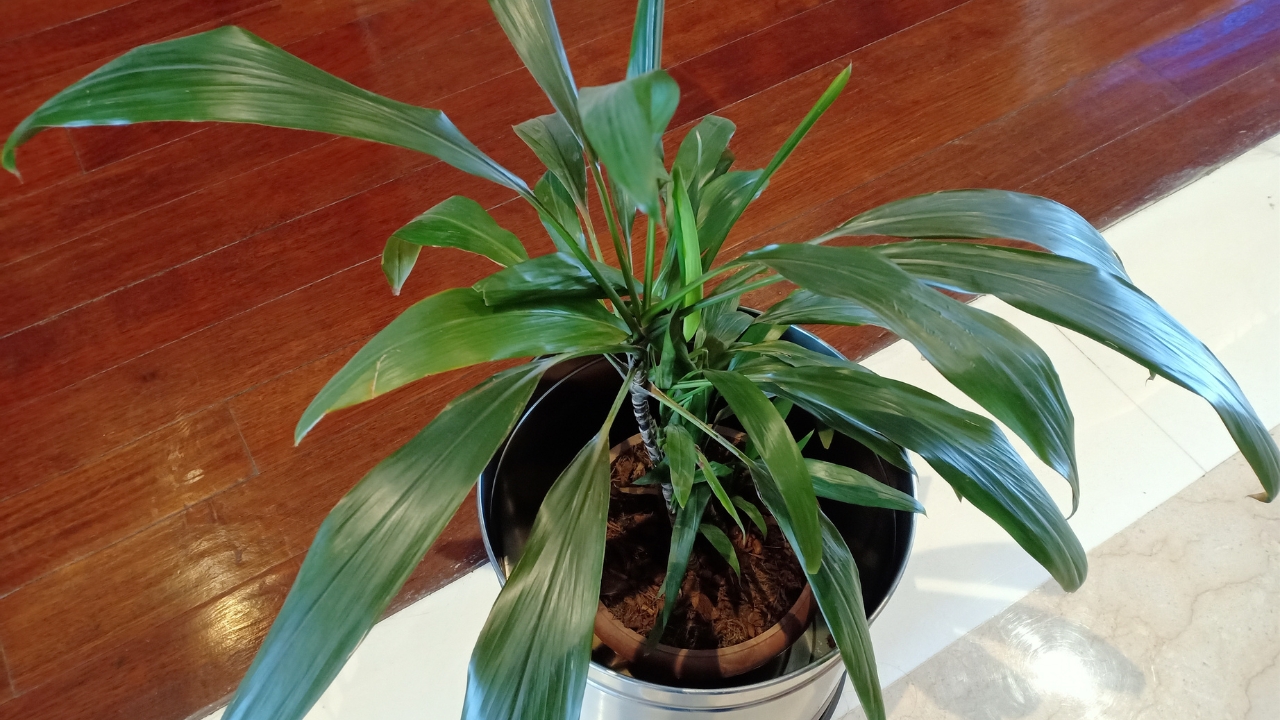
The name fits. Cast iron plants are slow-growing but incredibly tough. They tolerate low light, uneven watering, and cooler rooms better than most.
They’re great for darker corners where other plants sulk. In winter, water when the top couple of inches of soil are dry and don’t drown them. They don’t need bright light or high humidity to keep their deep green leaves. If you want a plant you barely have to think about, this one belongs on your list.
6. Peace lily (with a little restraint)
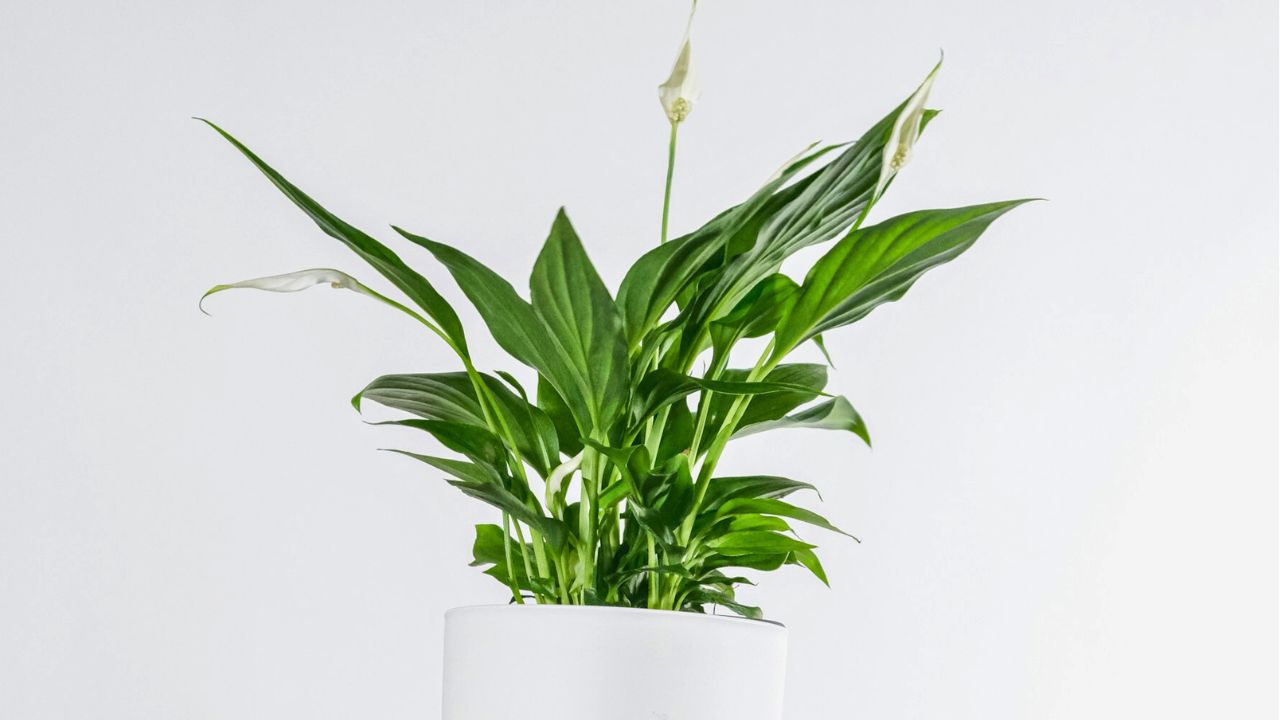
Peace lilies are known more for drooping dramatically when they’re thirsty, but that actually makes them easy to read. They perk right back up once you water them.
In winter, give them medium light and don’t overdo the water—wait for that slight droop, then water thoroughly and let excess drain away. They appreciate slightly higher humidity, but they’ll still hang in there in regular indoor air. Even if they bloom less in winter, their dark green leaves still make a room feel alive.
7. Chinese evergreen (Aglaonema)

Chinese evergreens can handle low to medium light and are pretty unfazed by typical indoor winter conditions. Their patterned leaves make them look more “special” than their care routine suggests.
They like their soil to dry slightly between waterings, especially in cooler months. They’re not picky about humidity and do well in living rooms, bedrooms, and even offices. If you want something with more visual interest than plain green but don’t want extra work, this is a good pick.
8. Dracaena (several varieties)
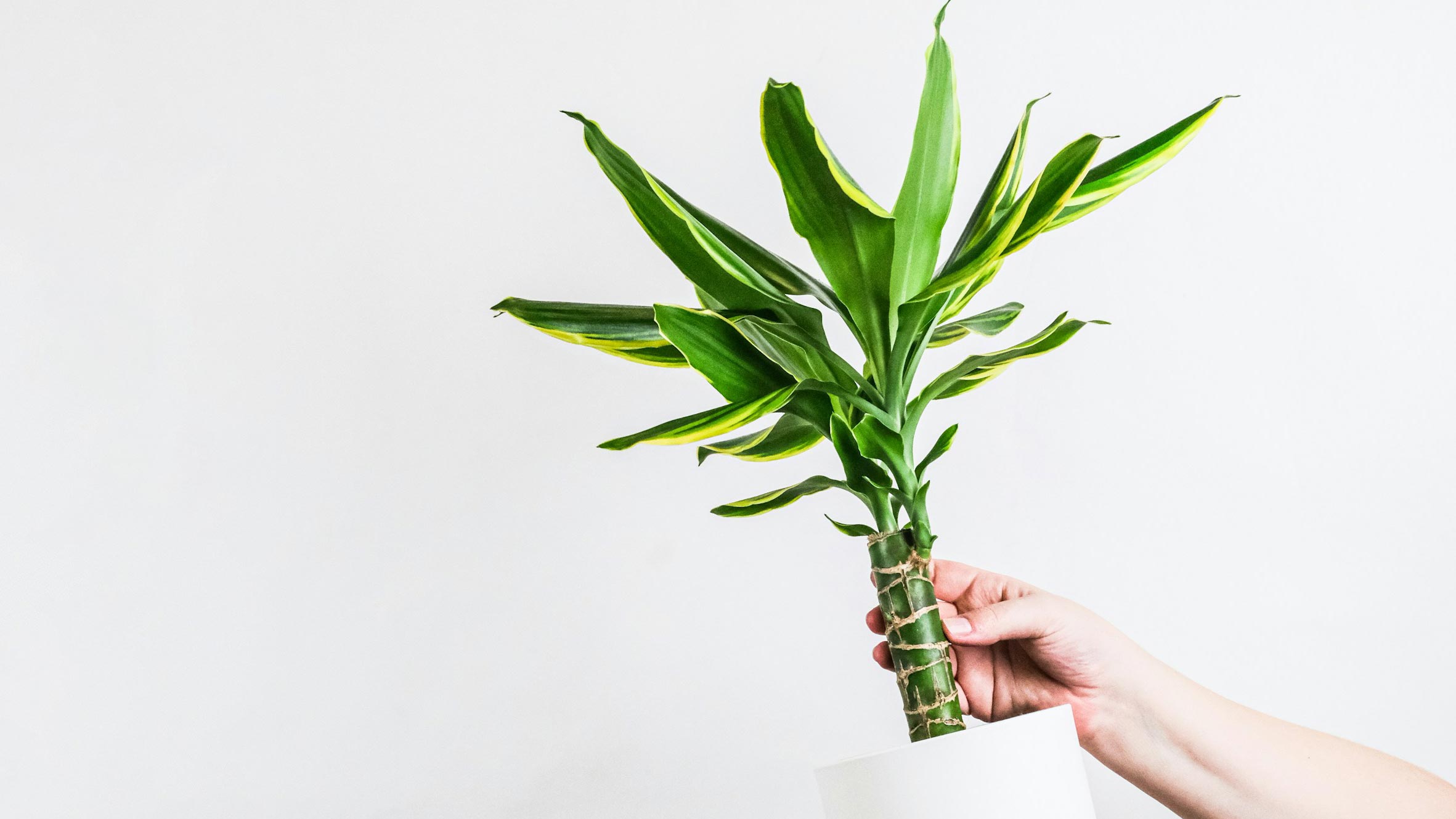
Dracaena comes in a bunch of forms—tall cane types, bushy ones, variegated leaves—and most of them handle winter well. They prefer bright, indirect light but can tolerate less, especially once established.
In colder months, let the top of the soil dry out before watering again. They don’t love sitting in cold, soggy soil. They’re forgiving if you forget a watering or two and usually bounce back quickly once you get back on track. Their height makes them nice “floor plants” that fill an empty corner without a lot of effort.
9. Jade plant
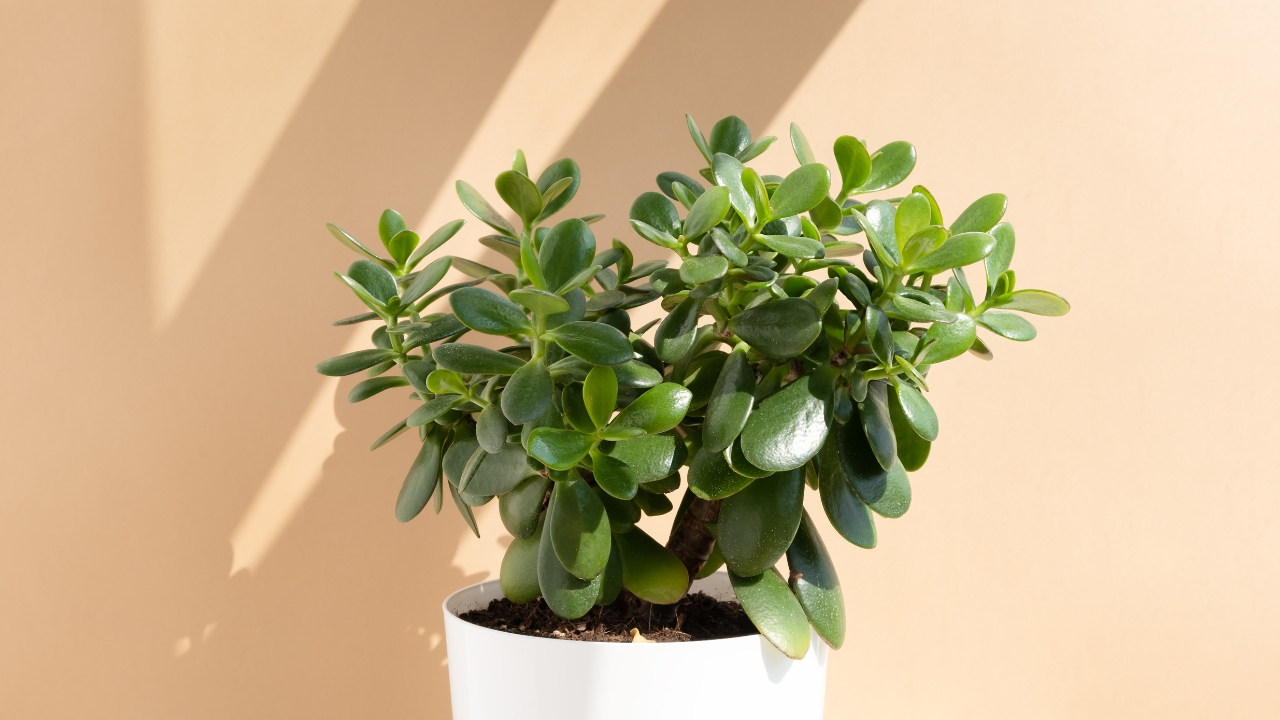
Jade is a succulent, but it’s a sturdier, tree-like one that does great indoors through winter. It holds water in its thick leaves, so it doesn’t mind when you forget it for a bit.
Give it bright light—a sunny window is ideal. In winter, water sparingly, letting the soil dry out between waterings. Too much water in cool months is what causes root issues. Treated right, it can live for years and slowly turn into a little tree that barely notices when the temperature drops.
10. Philodendron (especially heartleaf types)

Heartleaf philodendrons are like pothos cousins—easygoing, trailing plants that forgive a lot. They handle lower light and drier air better than many leafy plants and still look decent in winter.
In colder months, let the top inch or two of soil dry before watering again. Keep them out of cold drafts from doors or windows. They’ll keep putting out leaves, just a bit slower. If a vine gets too long or spindly, give it a trim and root the cuttings in water. It’s an easy way to fill more rooms without spending more money.
Like Fix It Homestead’s content? Be sure to follow us.
- I made Joanna Gaines’s Friendsgiving casserole and here is what I would keep
- Pump Shotguns That Jam the Moment You Actually Need Them
- The First 5 Things Guests Notice About Your Living Room at Christmas
- What Caliber Works Best for Groundhogs, Armadillos, and Other Digging Pests?
- Rifles worth keeping by the back door on any rural property
*This article was developed with AI-powered tools and has been carefully reviewed by our editors.