10 Plants That Repel Mosquitoes (And Where to Plant Them)
Some plants can help cut down on mosquitoes, but you’ve got to know where to put them—and what to expect. They’re not bug zappers, and they won’t clear your entire yard, but they can help discourage mosquitoes in the spots you care about most. Most of the benefit comes from the scent they give off, especially when leaves are brushed or crushed.
Here’s what actually helps and where each one works best if you’re trying to make mosquitoes think twice before settling in.
Citronella Grass
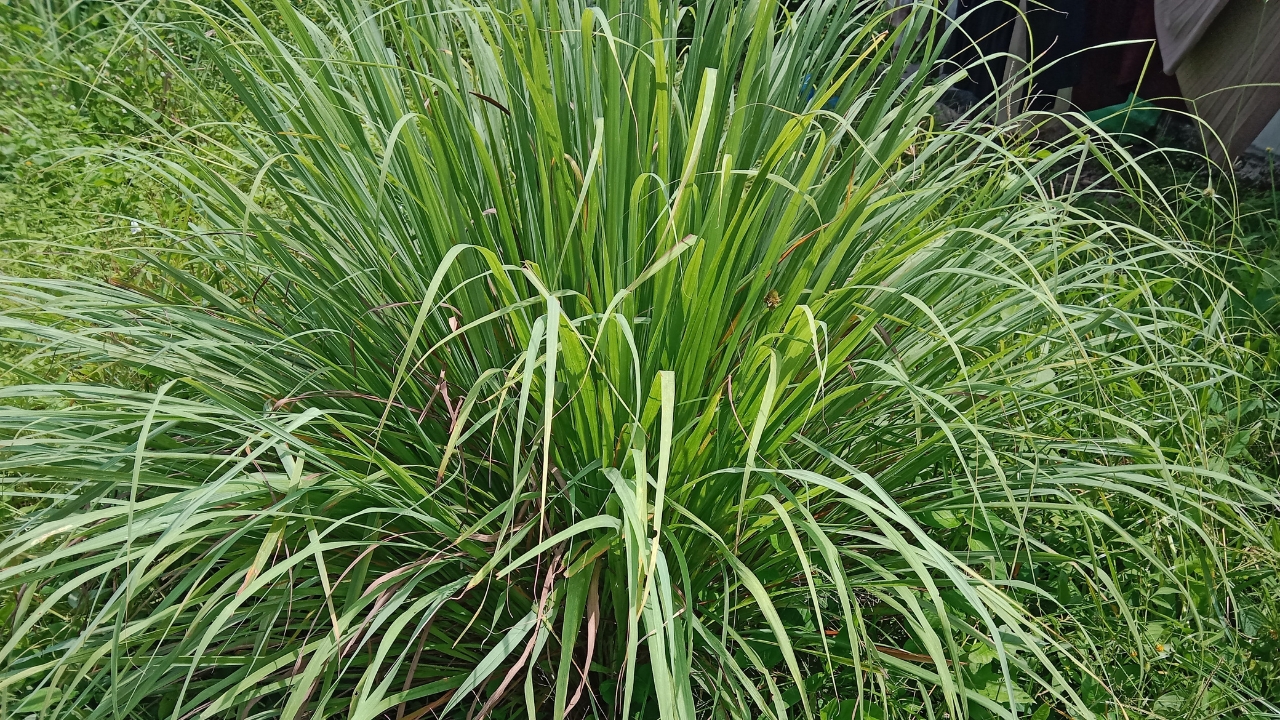
This is the plant that citronella oil comes from—not the “mosquito plant” geranium you see at garden centers. Citronella grass has a strong citrus scent mosquitoes don’t like, especially when it’s crushed or rustled by wind.
It grows large and needs warm weather, so plant it in big pots or raised beds near patios or entry points. Place it where people walk by so the movement helps release the scent.
Lemon Balm

Lemon balm smells strong and grows fast. Mosquitoes don’t like the scent, especially when the leaves are disturbed. It’s in the mint family, so once it takes off, it spreads aggressively.
Stick it in containers near seating areas, doorways, or outdoor dining spots. Don’t plant it directly in the ground unless you’re ready to keep it in check—it can overtake smaller garden spaces quickly.
Basil

Basil does double duty in the kitchen and in the yard. It contains compounds like eugenol and citronellal that help repel mosquitoes—especially when the leaves are crushed or brushed.
Keep it in pots near outdoor tables or around porch steps. You’ll get the best effect when the plant is full and bushy, so pinch it back regularly to keep it growing strong.
Lavender

Lavender’s scent helps deter mosquitoes, and it thrives in full sun and well-drained soil. It’s a tougher plant that holds up in heat, which makes it a solid choice for dry, open areas.
Plant it along walkways or under windows where the breeze can move the scent around. It also works well in raised beds near patios, but it needs space and sun to really do its job.
Rosemary

Mosquitoes don’t like rosemary’s strong, resinous smell—especially when it’s heated or burned. The scent gets stronger when you trim it or toss a few sprigs on the grill.
Grow it in pots near your grill or outdoor kitchen area. You can also use it as a border plant in sunny, dry areas of the yard where you want both structure and bug control.
Mint
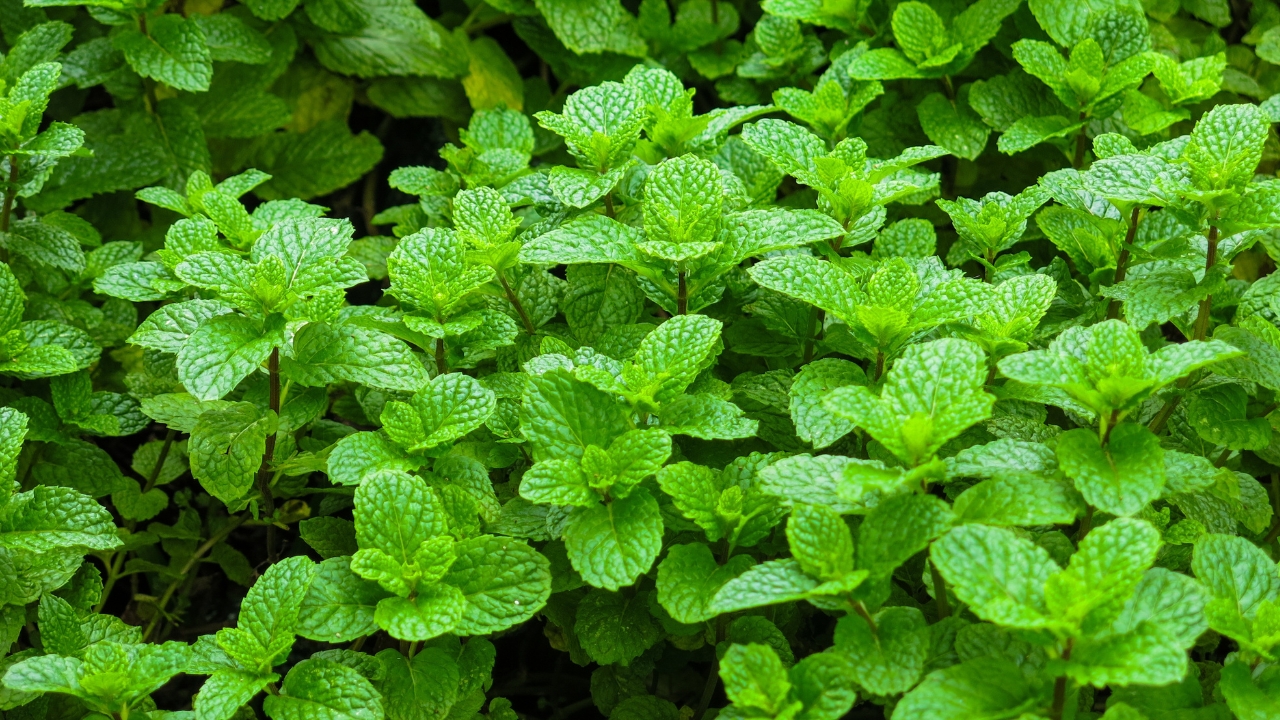
Mint has a strong scent that bugs avoid, including mosquitoes. The oils in the leaves can help repel them, especially if you crush or bruise the plant now and then.
Like lemon balm, mint spreads aggressively, so it’s better off in containers. Place it near porches, patio edges, or wherever your pets hang out—mosquitoes often swarm low to the ground, and mint can help keep them at bay.
Marigold
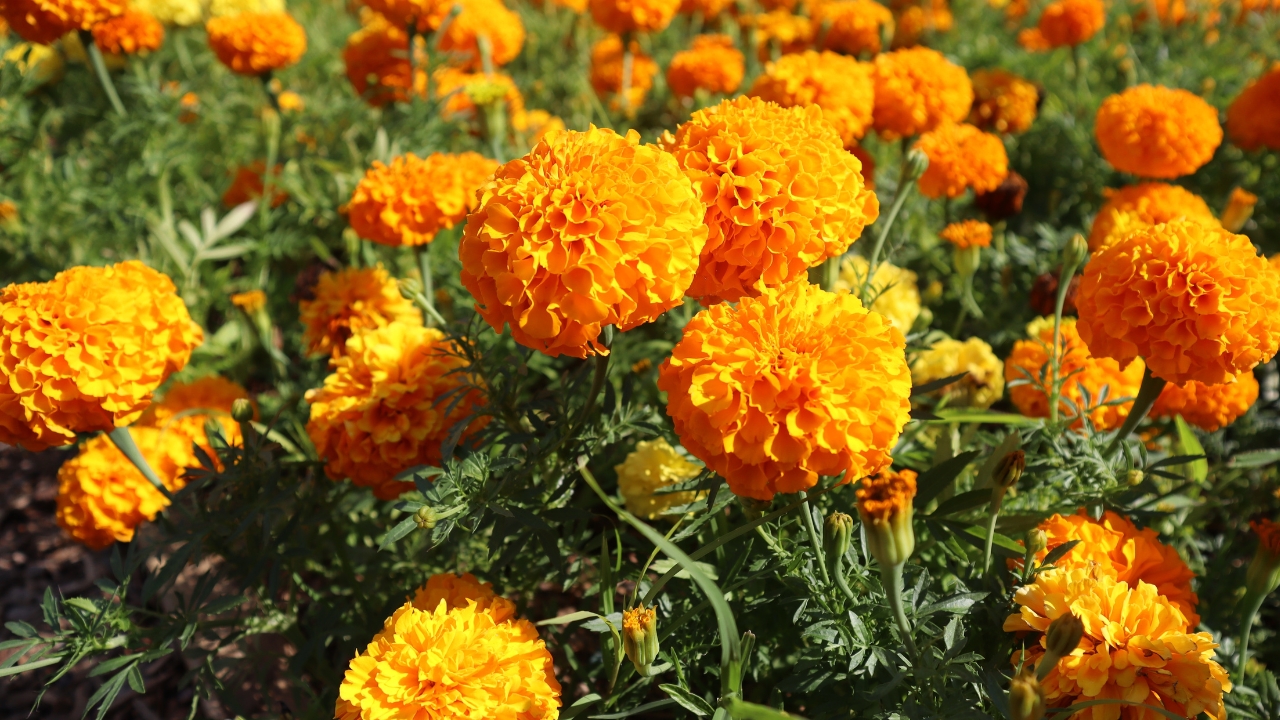
Marigolds contain pyrethrin, which is used in some insect repellents. While they’re not miracle workers, planting them near entry points can help discourage mosquitoes and other pests from hanging around.
Put marigolds in containers near doors, steps, or high-traffic garden areas. They also do well at the edges of vegetable gardens, helping control pests that show up alongside mosquitoes.
Catnip

Catnip contains nepetalactone, which has been shown to be effective at repelling mosquitoes. It’s not the prettiest plant once it blooms, but it’s easy to grow and the scent packs a punch.
Plant it along fence lines or in pots near sitting areas. If you’ve got cats, be prepared—they might take more interest in it than the mosquitoes do.
Sage
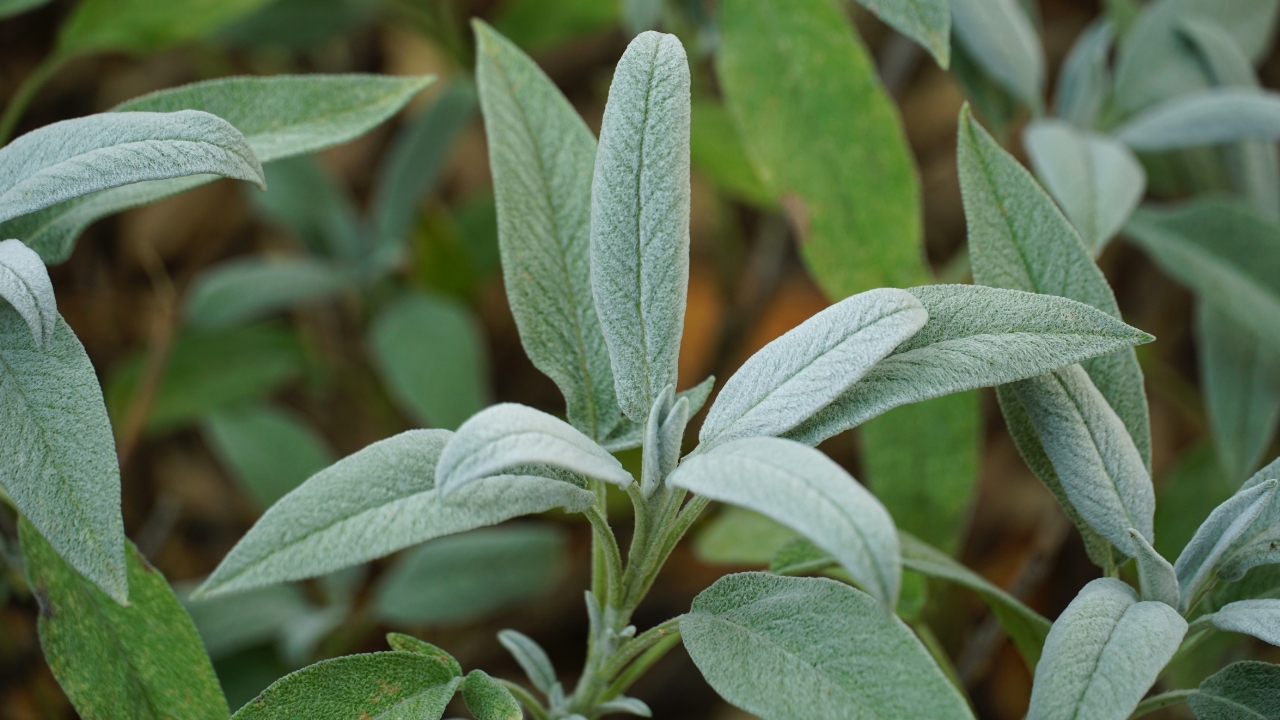
Sage isn’t just useful in the kitchen—it also gives off a strong scent mosquitoes don’t like. You can even throw a few dried sprigs on the fire pit or grill to add a little smoky bug-repelling boost.
Plant sage in well-drained soil near outdoor hangout zones or grill areas. It prefers sunny spots and doesn’t mind some heat, which makes it a good border plant around patios or raised beds.
Allium

Allium, the ornamental cousin of garlic and onion, helps deter mosquitoes along with aphids and beetles. The scent is strong, especially when leaves are cut or disturbed.
Use alliums as border plants in flower beds or veggie gardens. They bloom tall and can create a mild barrier effect when planted in a loose row. They’re low-maintenance once established and do well in full sun.
*This article was developed with AI-powered tools and has been carefully reviewed by our editors.