10 Plants You’re Still Using That Are Way Out of Style
Trends change—and that includes landscaping. While some plants will always be classics, others have started making yards look outdated. A lot of it has to do with how they grow, how much maintenance they need, or how they clash with more modern landscaping styles.
If your yard feels stuck in the past, some of these plants might be to blame. Swapping out even one or two can make your whole space feel more current without a full overhaul.
Red-Tipped Photinia

This plant was everywhere in the ’80s and ’90s, but today it’s mostly associated with overgrown hedges and leaf spot problems. It’s a magnet for fungal issues, which leaves it looking patchy and unhealthy more often than not.
There are better choices now that offer the same privacy without all the disease problems. Skip the red-tipped photinia and look into evergreen viburnums or cherry laurels instead—they’re much easier to keep looking good year-round.
Bradford Pear
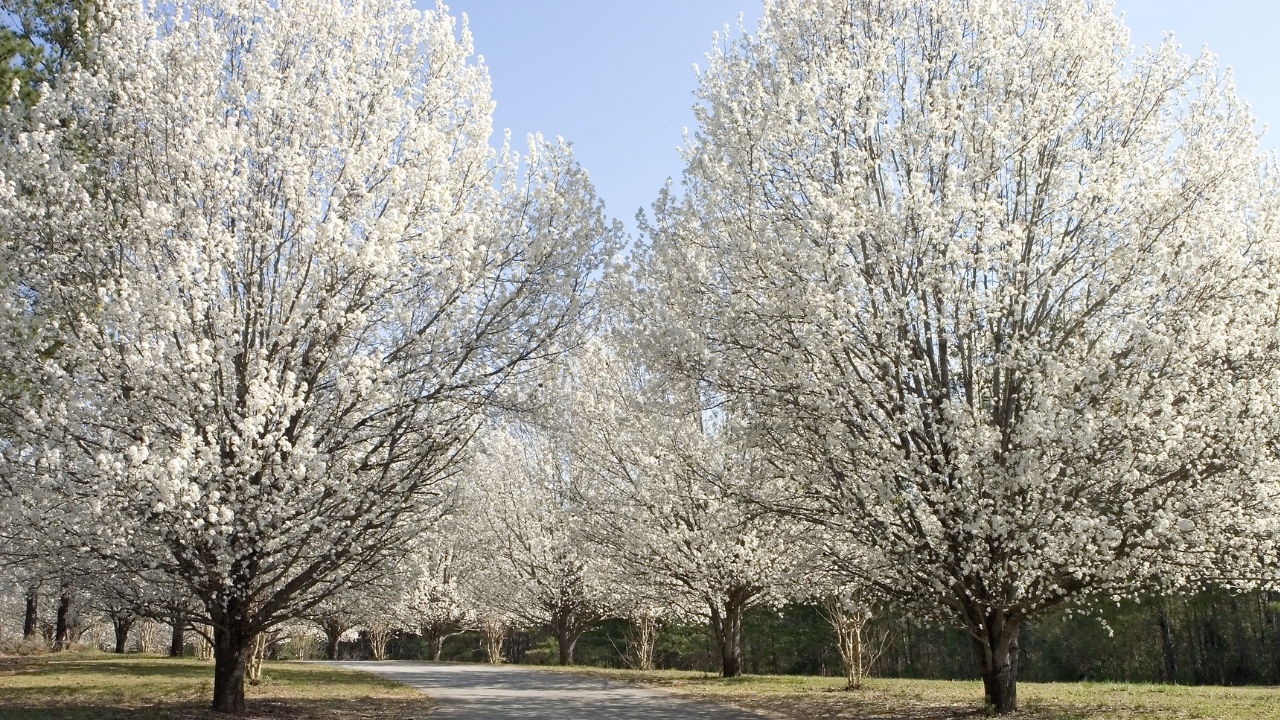
Bradford pears are fast-growing, which made them popular in the past, but they’ve become more of a headache than they’re worth. They’re weak-limbed, prone to splitting, and create serious mess when they drop fruit.
Many areas are even banning them because they spread aggressively and crowd out native trees. If you still have one in your yard, it might be time to plan for a better replacement before it comes down on its own.
English Ivy

English ivy might look classic, but it’s invasive in most parts of the U.S. It climbs everything, chokes out native plants, and damages structures and fences as it spreads.
What used to be considered charming ground cover now sends the message that the yard hasn’t been kept in check. If you want that creeping green look, try creeping Jenny or native groundcovers that won’t take over the whole neighborhood.
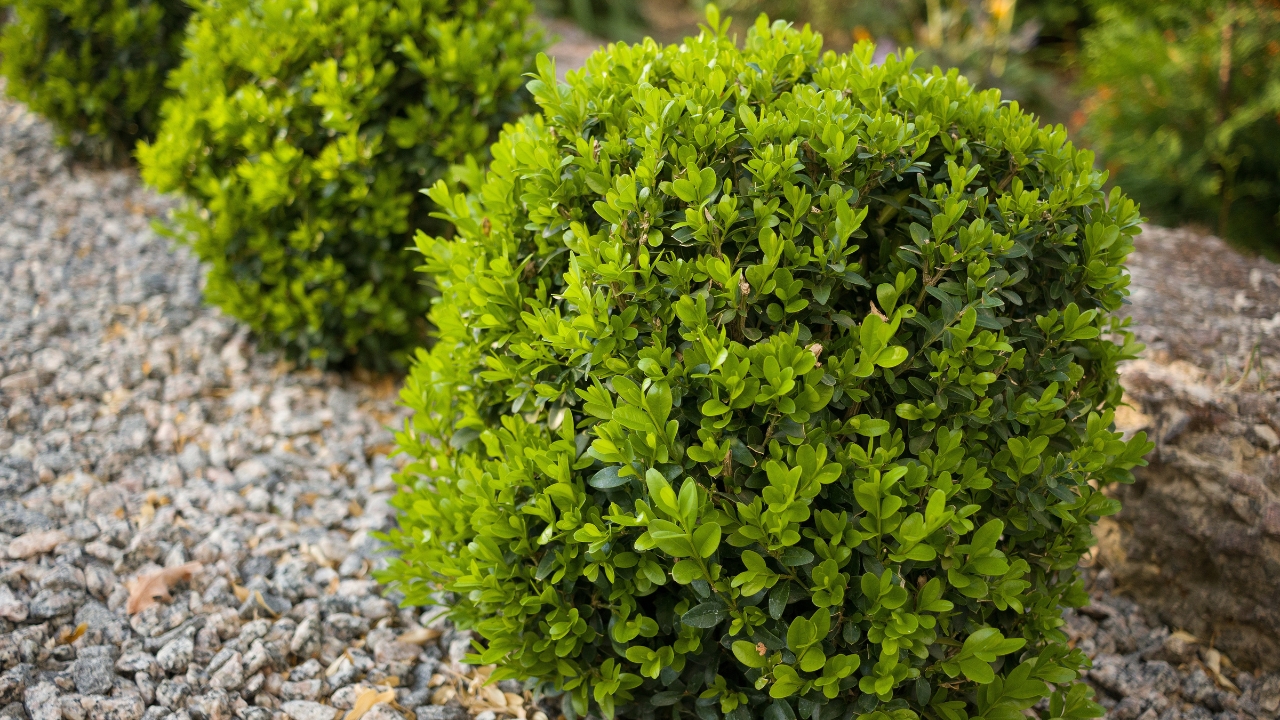
Boxwood Balls

Perfectly clipped boxwood balls were a status symbol in manicured yards, but now they can come off as stiff and overdone. They also require constant shaping, and many are suffering from blight that wipes them out fast.
Instead of clinging to the high-maintenance look, consider looser shrubs like dwarf yaupon holly or abelia. They still give structure but feel a little more natural and current.
Burning Bush

Once loved for its bright red fall color, the burning bush is now falling out of favor fast. It’s invasive in several states and doesn’t support local pollinators or wildlife.
A better option is something native that still puts on a show—like oakleaf hydrangea or native sumac. You’ll still get seasonal color without contributing to invasive spread.
Daylilies (Especially Orange Ones)
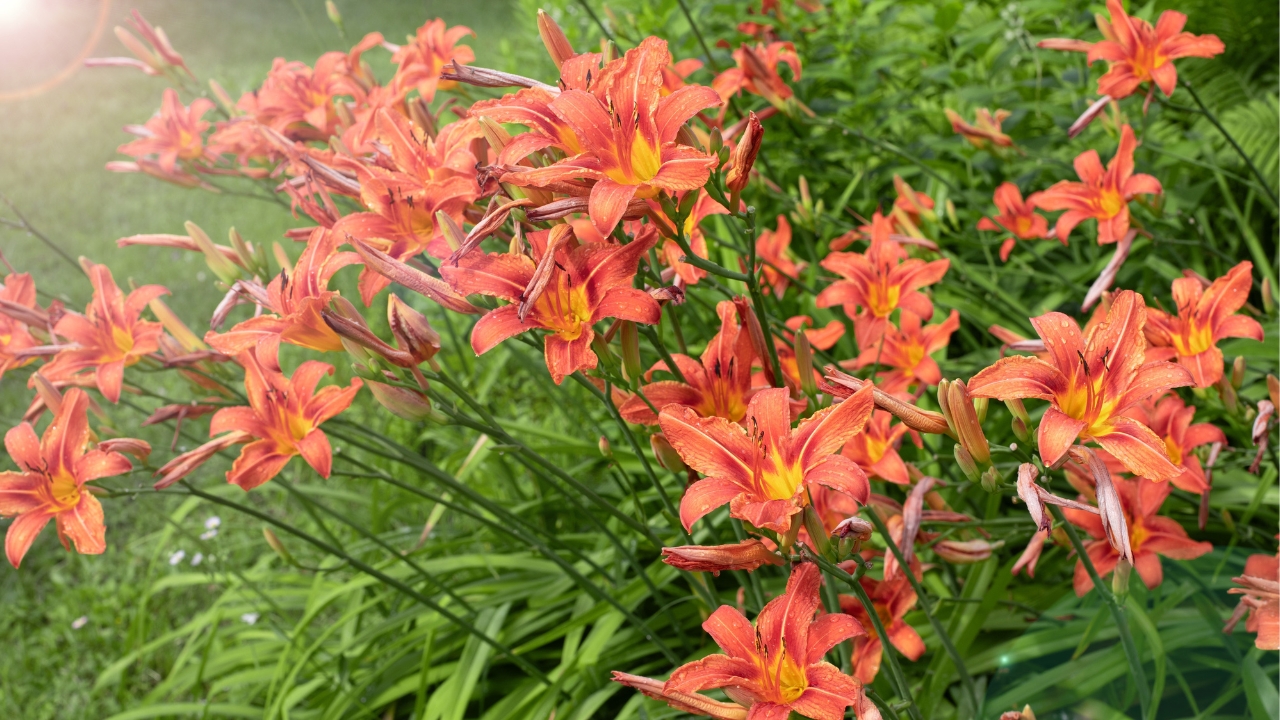
Daylilies aren’t all bad, but the bright orange “ditch lily” type has worn out its welcome in a lot of landscapes. They spread fast, get weedy-looking, and tend to take over beds if you’re not careful.
If you still love the idea of daylilies, try newer varieties with richer tones and tidier growth. Or mix in ornamental grasses and perennials that give the bed more texture and variety.
Pampas Grass

Pampas grass was once the go-to for a dramatic, ornamental look. These days, it feels oversized and dated—especially in small yards where it quickly dominates the space.
It also tends to shed everywhere and has sharp edges that make it unpleasant to maintain. Try smaller native grasses like little bluestem or switchgrass if you want movement without the mess.
Monkey Grass (Liriope)
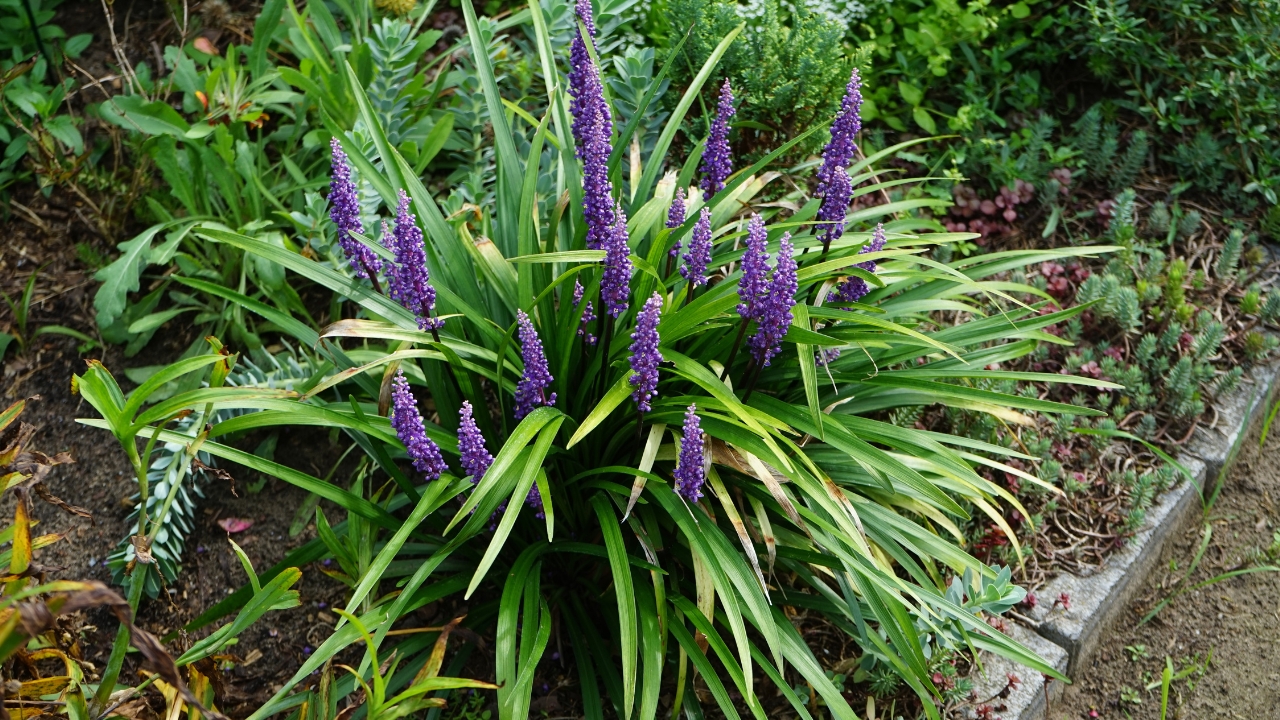
Monkey grass has been used for decades to edge beds and walkways, but at this point, it’s become more of a filler than a feature. It spreads into places you don’t want it and rarely adds much to the overall design.
There are cleaner edging options that give a more intentional look—like dwarf mondo grass or even brick or stone edging. If you’re reworking your beds, this is one of the easiest things to leave behind.
Barberry
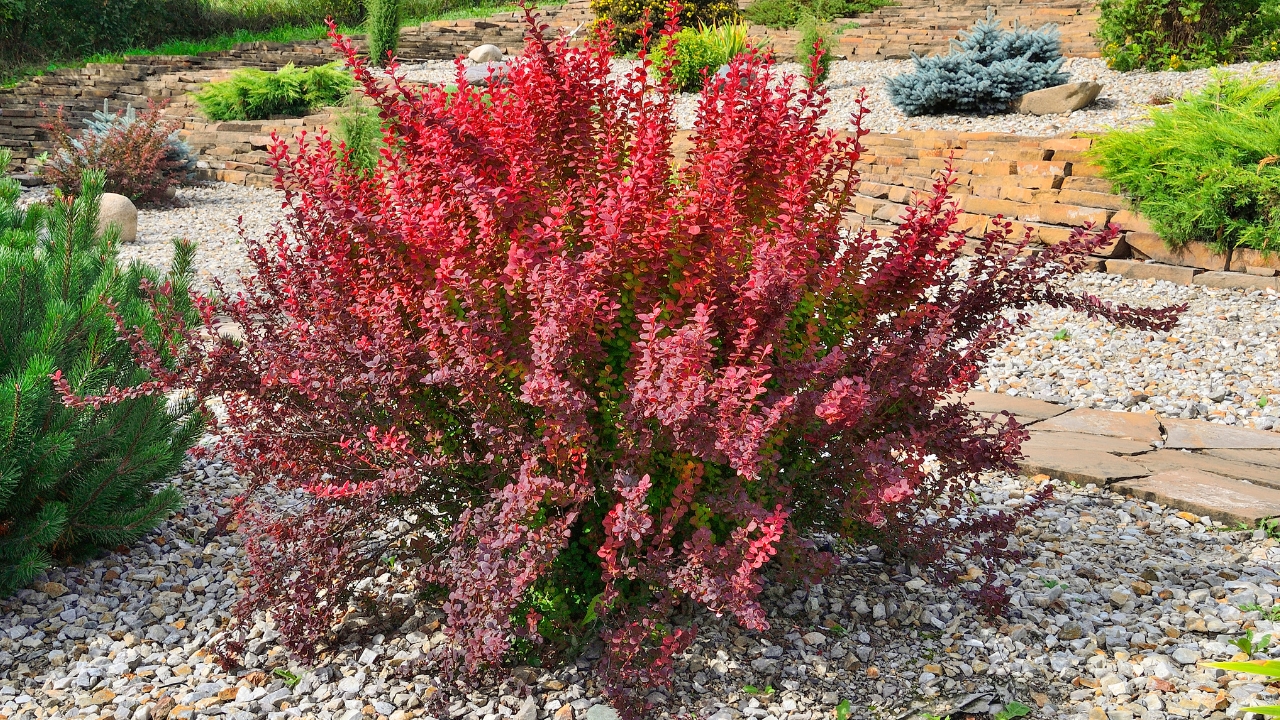
Barberry was popular for its color and deer resistance, but it’s another invasive plant that’s fallen out of favor. It spreads aggressively in the wild and displaces native plants, not to mention the sharp thorns that make it a pain to work around.
There are better-looking shrubs that bring in color and texture without the invasiveness—like weigela, spirea, or ninebark. Most are easier to shape and won’t try to take over your yard.
Juniper Foundation Shrubs

Those prickly, low-growing junipers that were once packed around every ranch-style home? They’re not doing your landscaping any favors anymore. They get scraggly, collect debris, and scream “builder-grade.”
If you’re ready for a refresh, swap them out for something with softer texture and cleaner growth habits. Compact nandina, dwarf conifers, or even flowering shrubs can brighten up those old foundation beds without the maintenance headache.
*This article was developed with AI-powered tools and has been carefully reviewed by our editors.