10 power tools that aren’t worth the $150 price tag
Not every power tool is worth the price tag on the box—especially when you’re shelling out $150 for something you’ll barely use, or that doesn’t perform better than the $60 version. Tool companies love to slap on extra features or color-coded designs that make things look high-end, but a lot of it’s unnecessary. If you’re building out your setup or replacing tools that’ve seen better days, these are the ones I’d skip at that price. There’s usually a better way to spend that money.
High-End Cordless Staple Guns
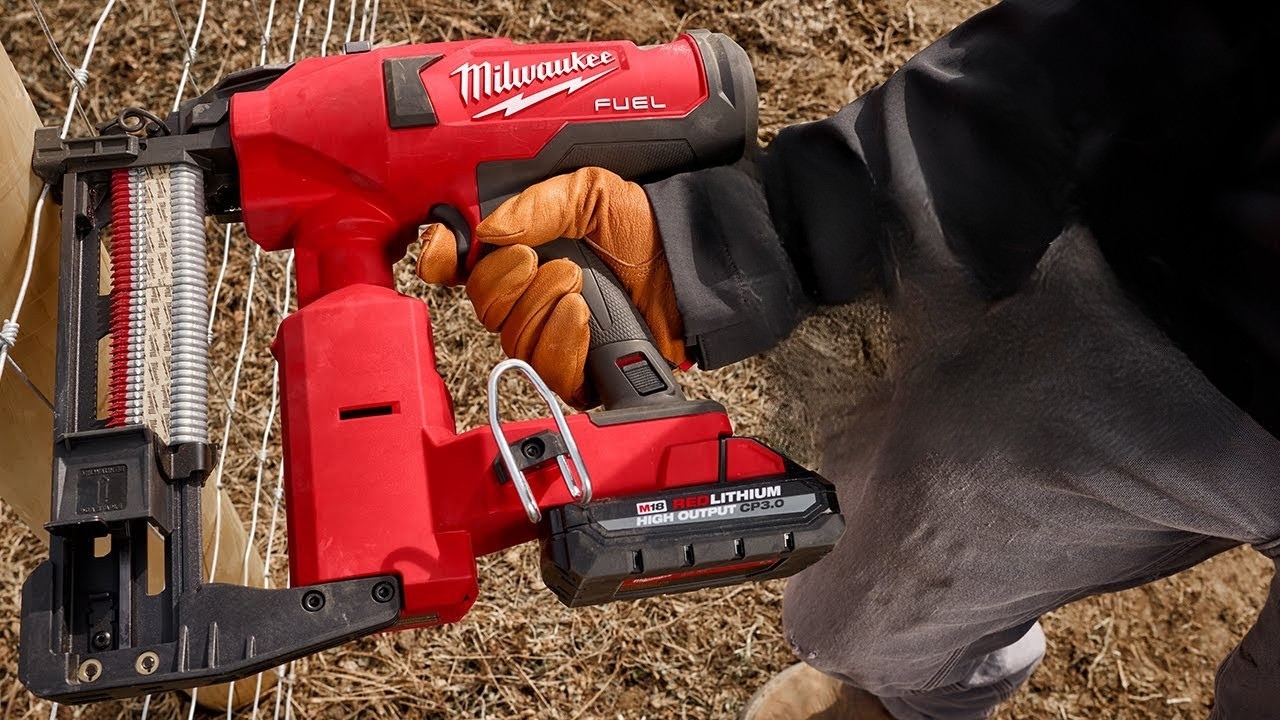
Cordless staple guns priced around $150 often don’t hold up to their hype. Many of them struggle with consistent depth, especially on denser materials like plywood or hardwood trim. At that price, you’d expect smooth, accurate firing—but they’re often finicky or jam-prone.
A cheaper manual or pneumatic option does a cleaner job and will probably last longer. Unless you’re using one daily for upholstery or insulation work, this is one of those tools that sounds more helpful than it ends up being.
Oscillating Multi-Tools with Brand-Specific Blades
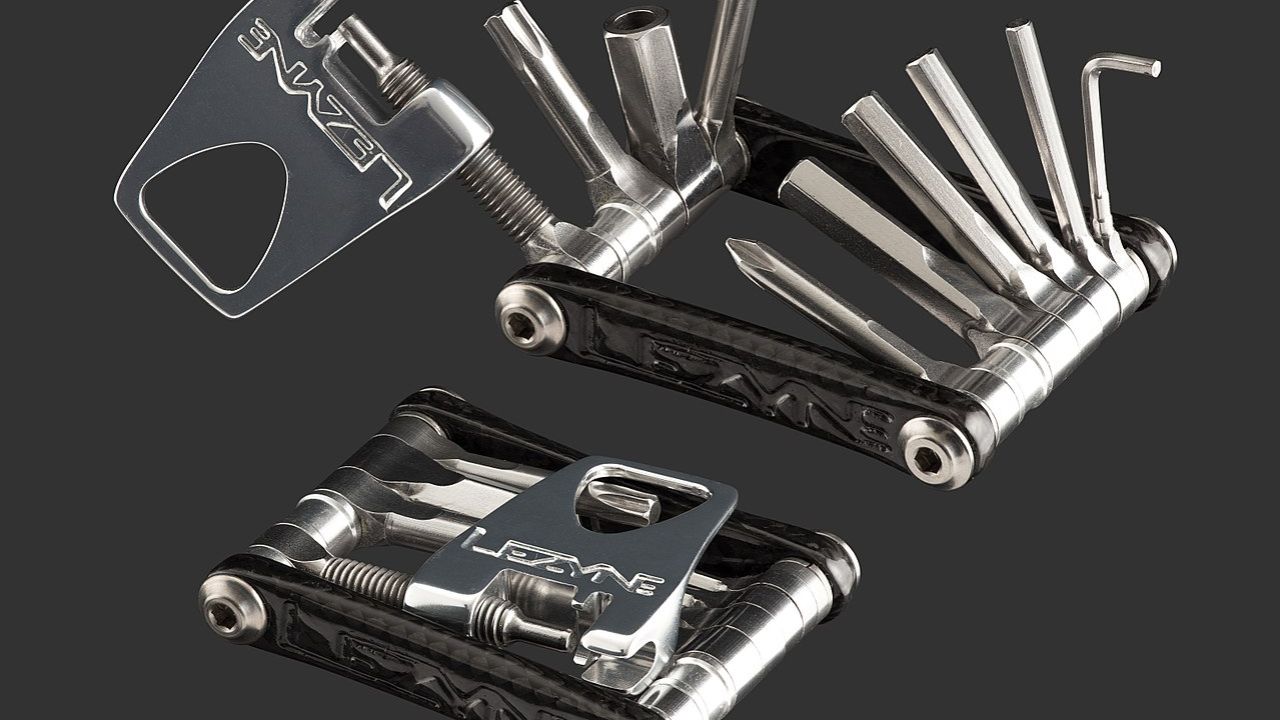
Some $150 oscillating tools lock you into proprietary blade systems, which means you’ll keep paying more over time. They don’t always perform better than budget models, but they charge extra for compatibility and brand name.
Plenty of sub-$100 multi-tools work with universal blades and handle basic cuts, sanding, and grout removal without the headache. You’re better off saving your money and avoiding the long-term upcharge that comes with some of these so-called “premium” models.
Cordless Palm Sanders With Tiny Batteries
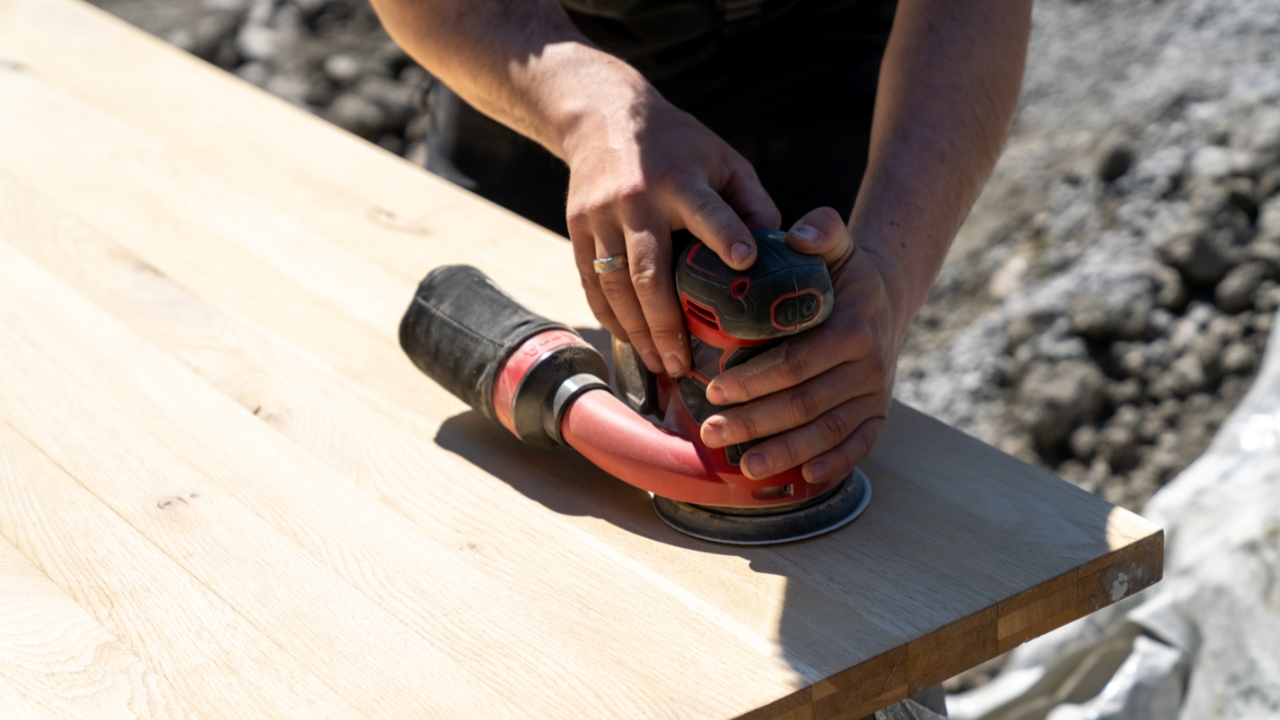
Sanding eats batteries fast, and those $150 cordless palm sanders with single low-amp batteries won’t get you through much. You’ll spend more time swapping or charging batteries than actually sanding.
A corded sander at half the price will often outwork it and last longer. Unless portability is non-negotiable, skip the overpriced models that come with underpowered batteries and not much else to justify the markup.
Digital Laser Tape Measures
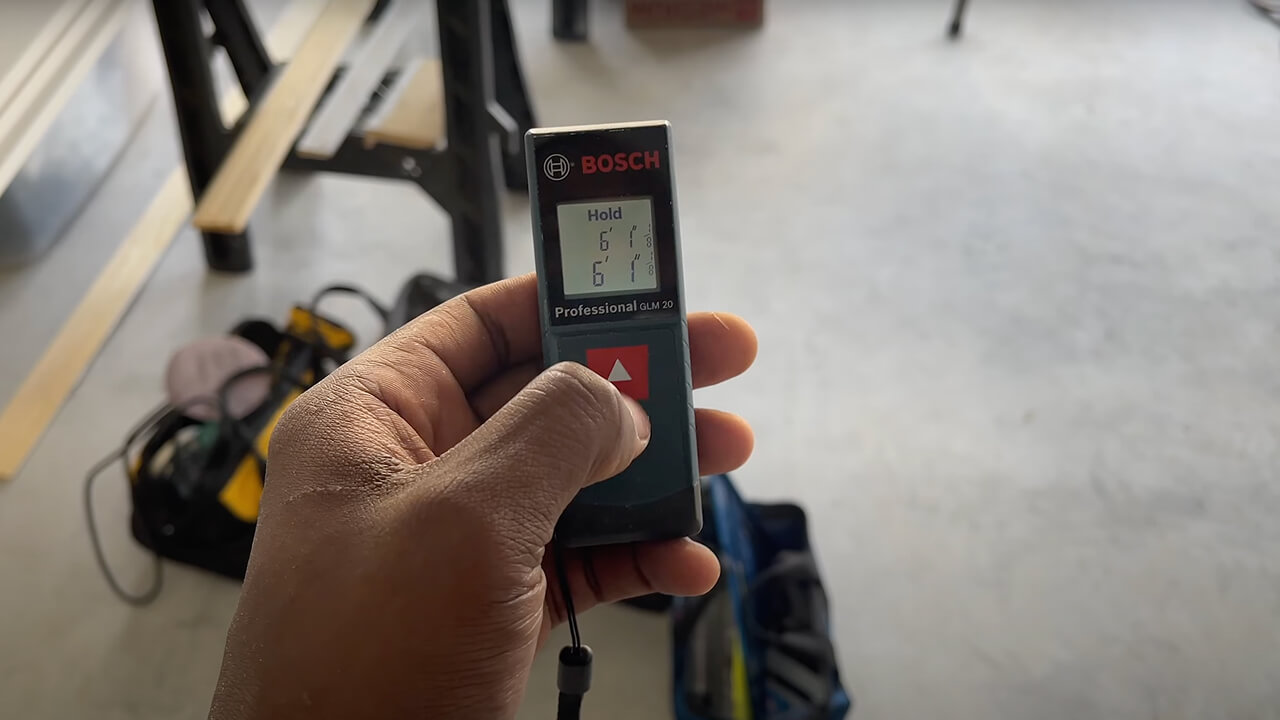
A $150 laser measure might seem like a smart upgrade, but for most projects, it’s overkill. They’re touchy in bright light, often need a flat surface to bounce off, and can give inconsistent readings outdoors.
For most homeowners or casual DIY use, a basic $25–$40 laser measure or even a traditional tape measure gets the job done more reliably. You’re paying for features you probably won’t use and accuracy that doesn’t always hold up in real-life conditions.
Compact Cordless Circular Saws
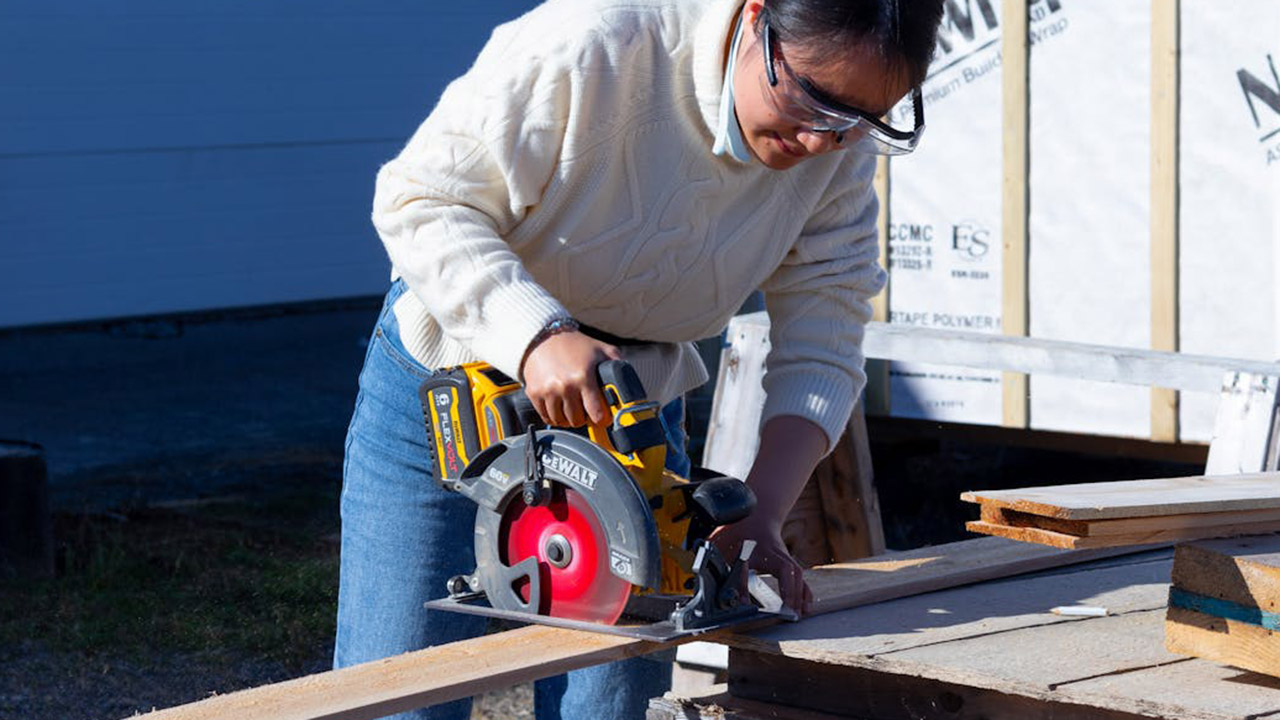
At $150, you’d think you’re getting a solid cutting tool, but many compact circular saws in that price range don’t have the torque or battery life to handle full-depth cuts in pressure-treated lumber or thick plywood.
If you’re doing serious framing or deck work, they’ll stall or burn through batteries fast. A mid-range corded circular saw often cuts better and lasts longer, even if it’s bulkier. You can find full-size corded options that outperform these for way less.
High-Priced Cordless Caulk Guns
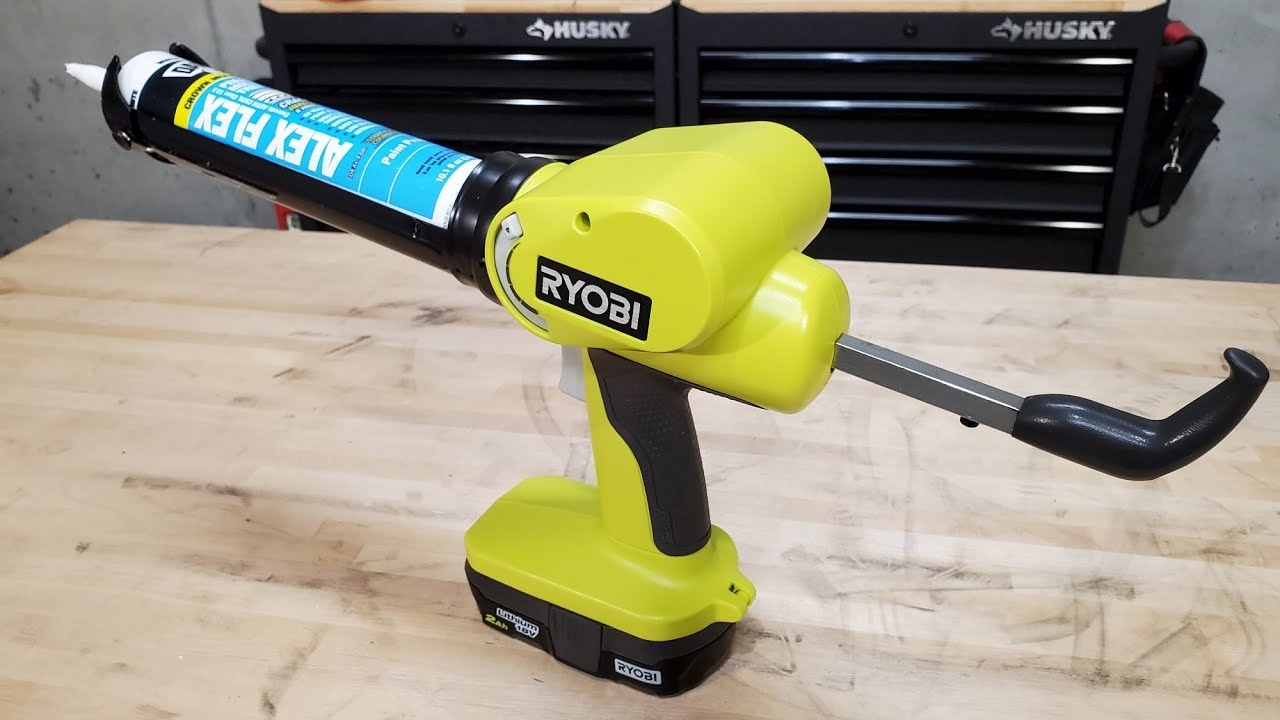
Unless you’re laying miles of bead daily, a $150 cordless caulk gun is way more than you need. These tools are bulky, heavy, and overengineered for most home improvement projects like windows, trim, or tile.
Manual caulk guns are cheap and easy to control, and you won’t run into battery issues or over-application. If you’re not doing commercial-level work, this one’s an unnecessary spend.
Inflator/Compressor Combos With Weak Output
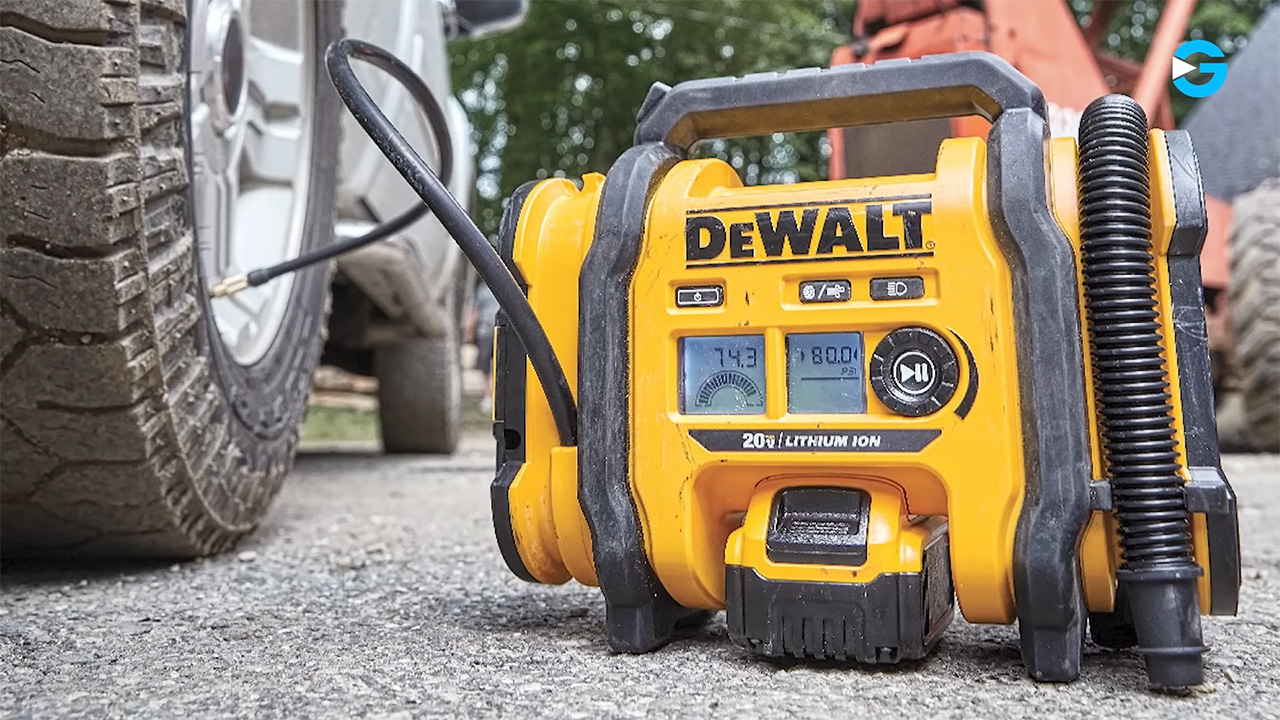
Plenty of $150 inflators claim to be shop-ready but top out around 100 PSI and take forever to fill a standard tire. Some are marketed as dual inflator/compressor hybrids, but they usually don’t perform either job well.
For tires or brad nailers, a solid $60–$80 inflator works better. If you need a real compressor, you’ll want something larger and more powerful anyway. This price range often lands you in a frustrating in-between.
Mini Chain Saws for Light Pruning
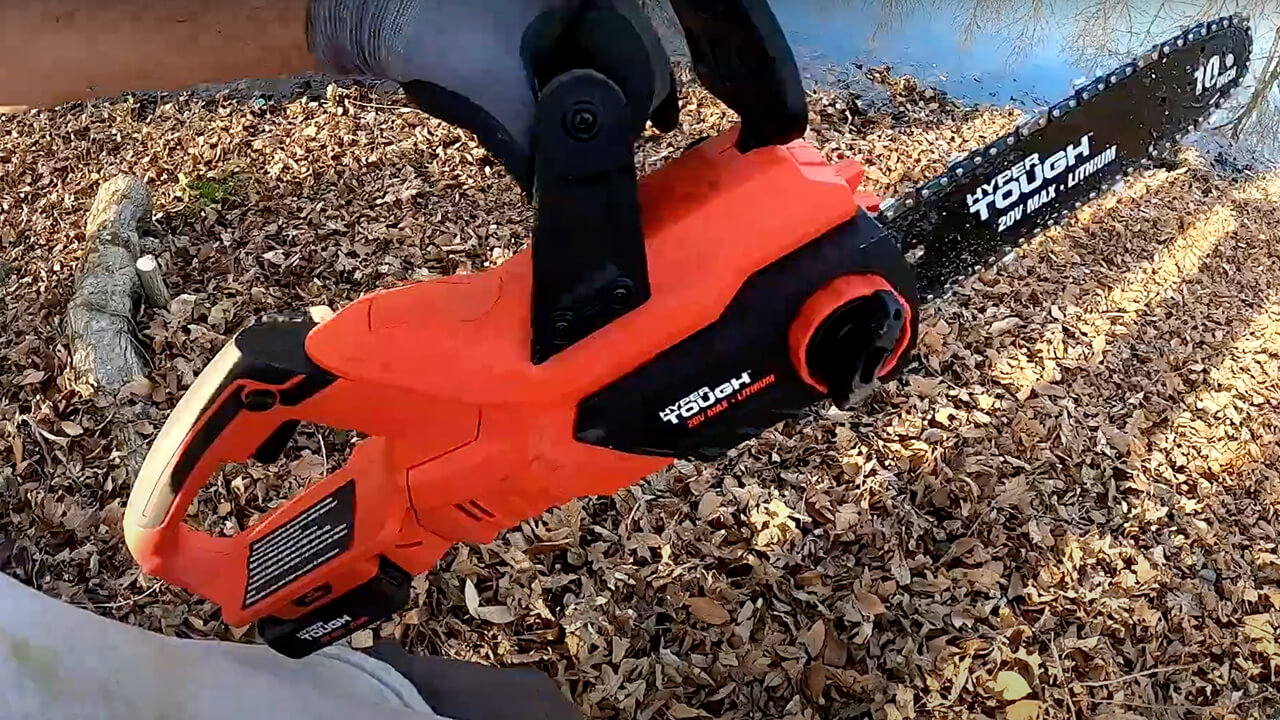
There’s a trend of $150 mini chainsaws being pushed for trimming, but most of them can’t handle anything thicker than a broomstick. They burn through battery life fast and dull even faster if you’re cutting anything tougher than softwood.
A quality pruning saw or even a budget cordless model with a longer bar does a better job. For $150, you could get a proper chainsaw or two decent hand tools that’ll actually hold up through a season.
Bluetooth Jobsite Speakers With Built-In Power Banks
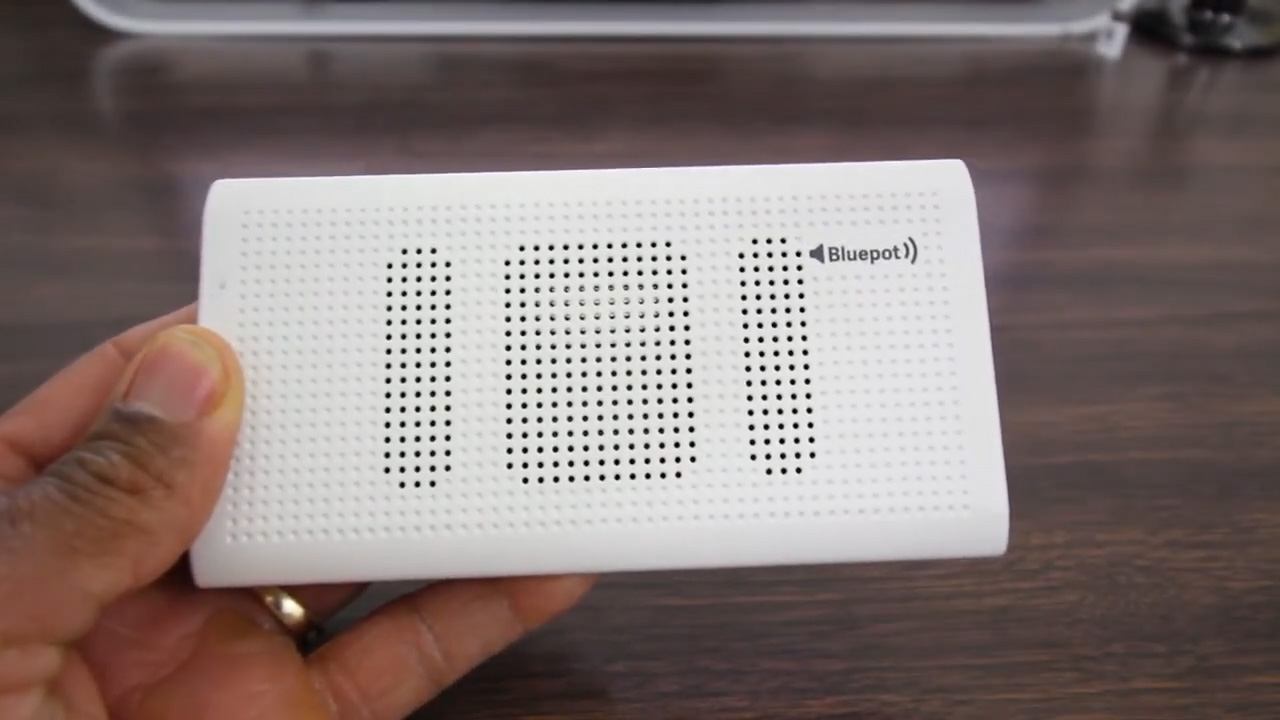
They look handy, but most of the $150 jobsite radios with charging features don’t deliver on sound or battery life. You’ll either get poor audio quality or weak charging performance—sometimes both.
You can get a decent Bluetooth speaker for under $100 and a power bank for $20 that both work better. Combo devices tend to compromise on both ends, so unless you’re brand-loyal and matching a battery system, it’s not a great investment.
Brand-Name Cordless Flashlights
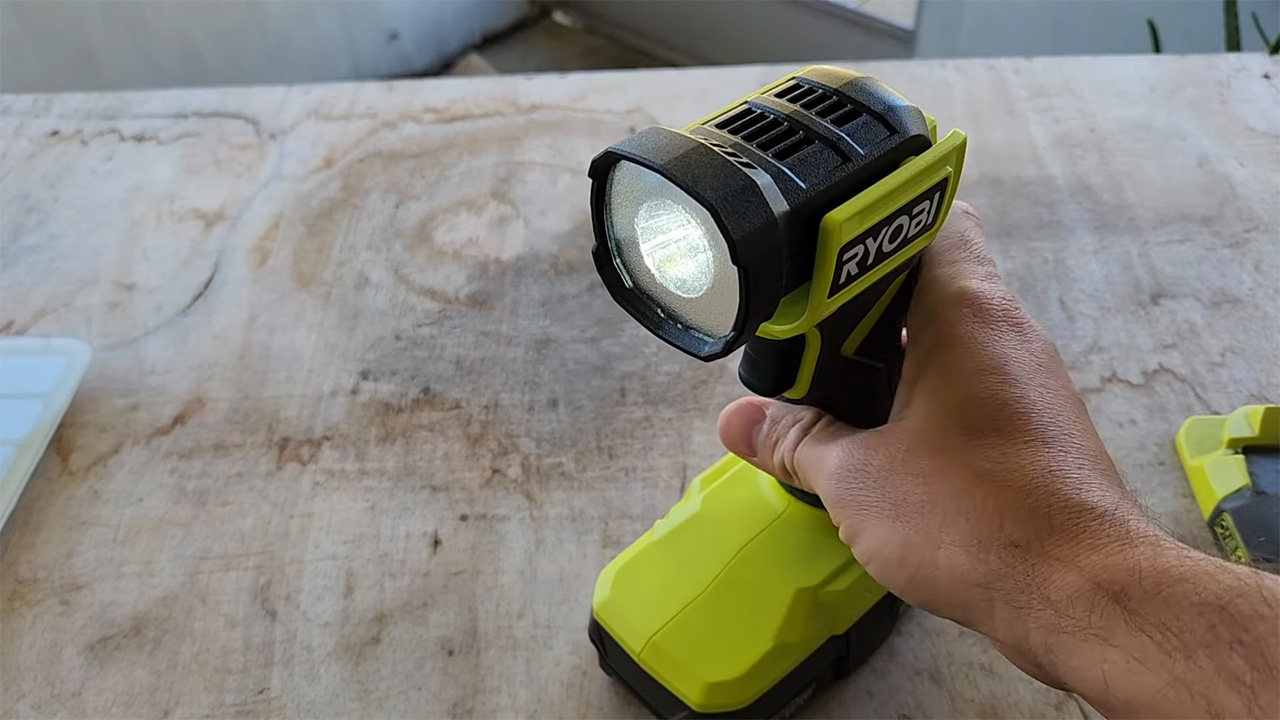
Some major tool brands charge $150 for cordless flashlights that only work with their battery systems. They don’t offer much more brightness or function than a $40 rechargeable work light.
Unless you’re already deep into that brand’s ecosystem and want a matching light, it’s rarely worth paying extra for what’s essentially a glorified flashlight. You’re better off getting a high-lumen rechargeable that works anywhere, no special battery required.
*This article was developed with AI-powered tools and has been carefully reviewed by our editors.