10 Projects That Make a Patchy Lawn Look Healthy Again
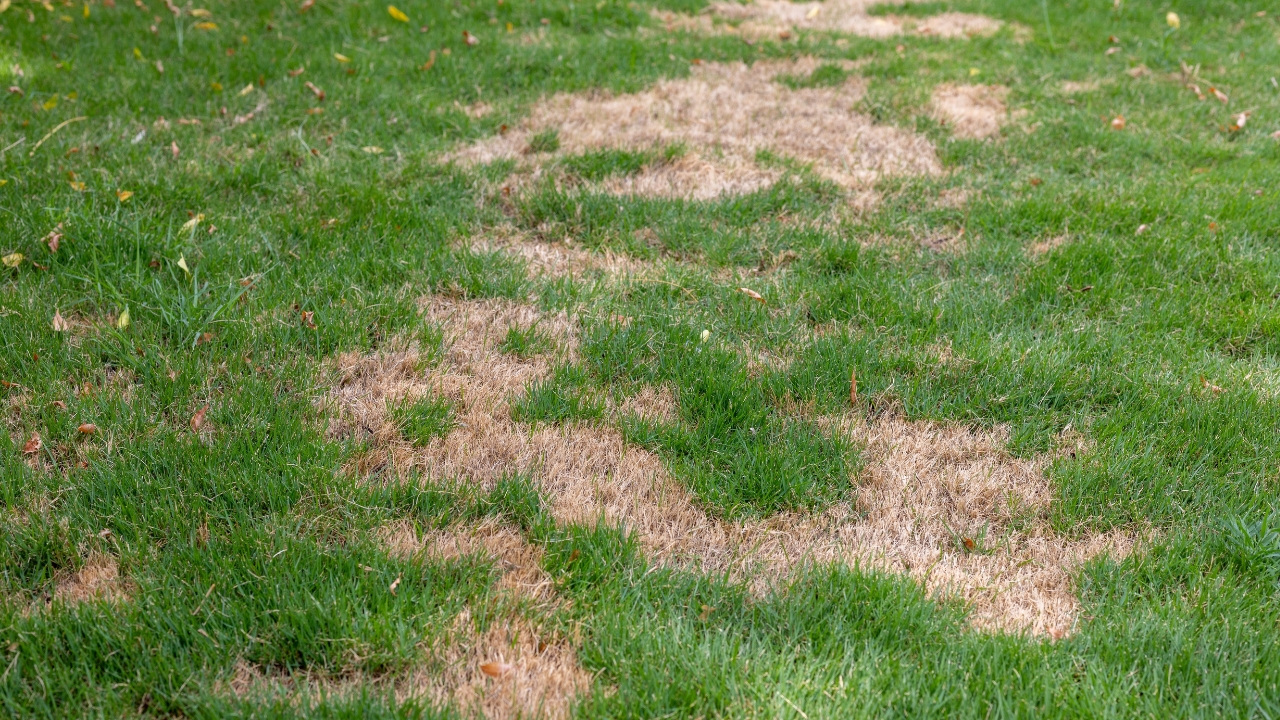
A patchy lawn can make the whole yard feel like it’s falling apart, even if everything else looks pretty good. Bare spots, thinning grass, and uneven color are common—especially after a tough season or a string of bad weather.
The good news is that getting your lawn back on track doesn’t always mean a total redo. With the right projects, you can fill in the gaps, even things out, and finally get your yard looking healthy again. These are the fixes that actually work.
Rake Out the Dead Stuff
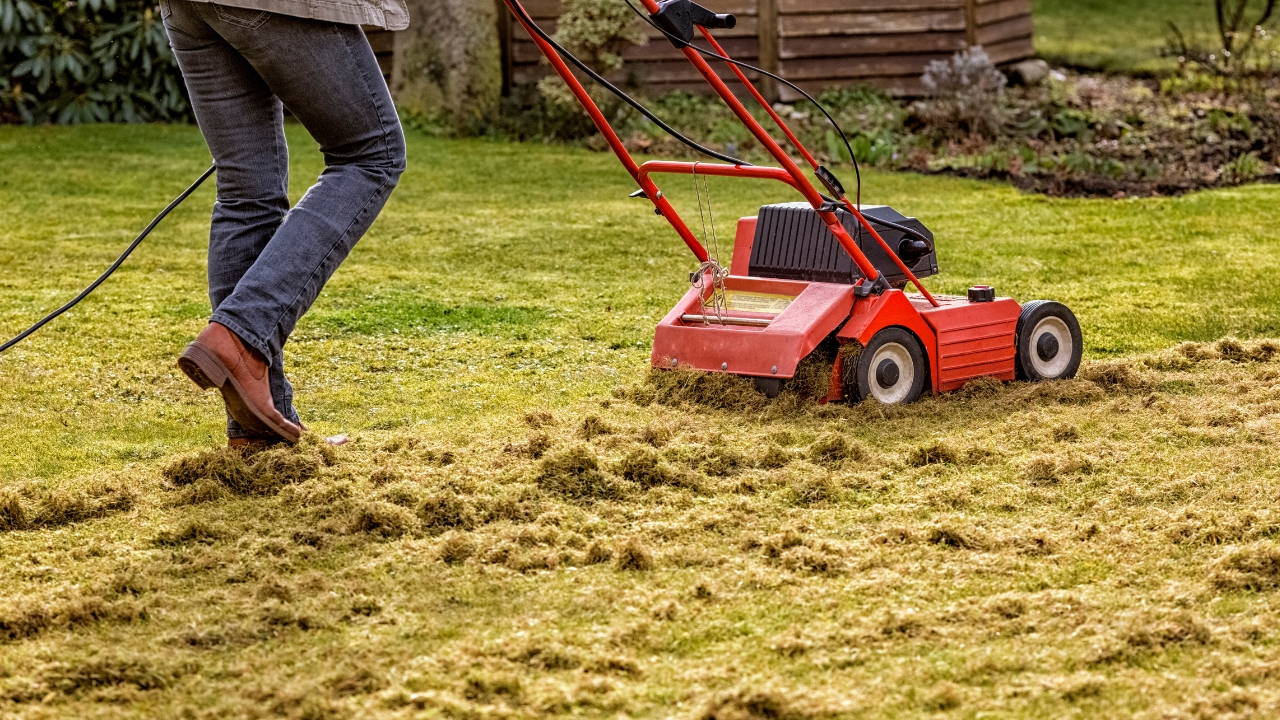
Before anything else, you’ve got to clear out what’s not coming back. Matted grass, old leaves, and dried-out patches can choke out new growth.
Use a stiff rake or dethatching rake to pull up dead material. This opens up the soil and helps sunlight, water, and seed reach where it needs to go. It also gives you a better look at what areas actually need to be fixed.
Overseed the Bare Areas
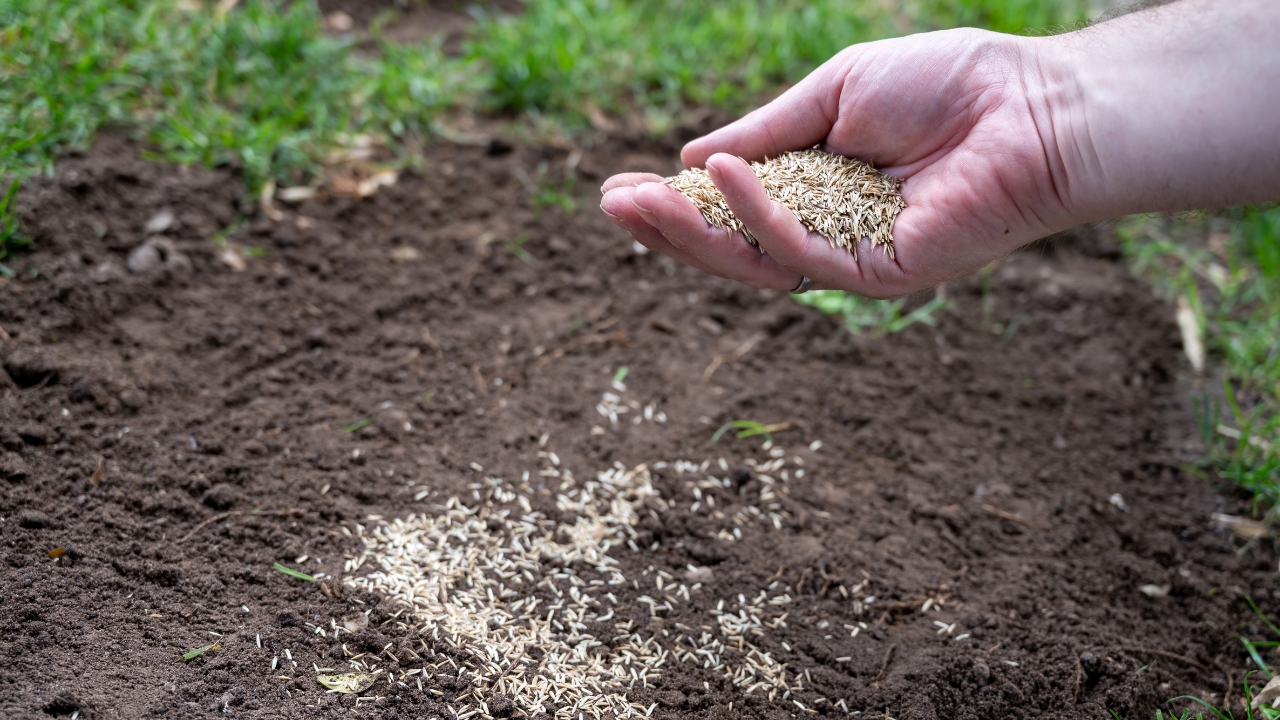
One of the easiest ways to fix patchy spots is to overseed with the right type of grass for your region. It fills in gaps and helps create a thicker, more consistent lawn.
Loosen the top layer of soil first, spread the seed evenly, and keep it watered until it establishes. It’s not an instant fix, but it’s one of the most reliable ones if you stick with it.
Topdress with Compost
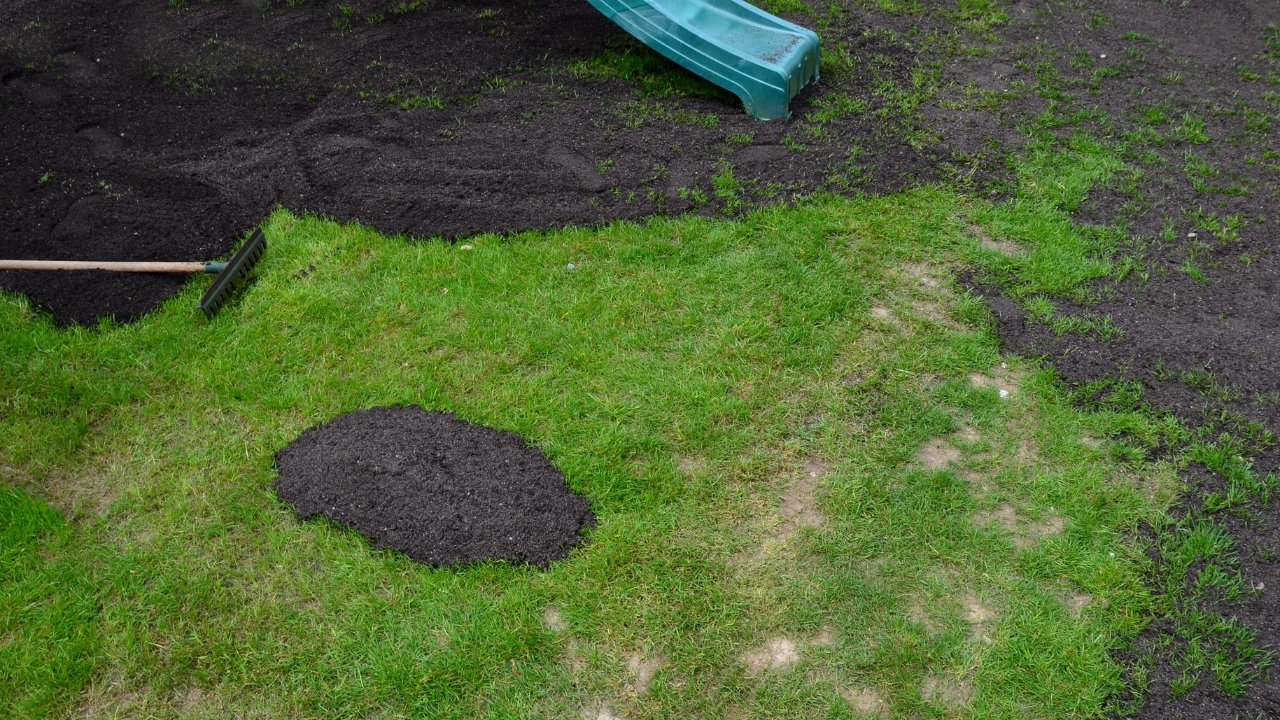
A thin layer of compost helps improve soil quality and gives grass seed a better shot at taking hold. It also helps existing grass grow in thicker.
Spread about a quarter-inch across patchy areas and work it in lightly with a rake. It’s especially helpful if your soil is sandy, clay-heavy, or worn out from foot traffic.
Water Deep and Less Often
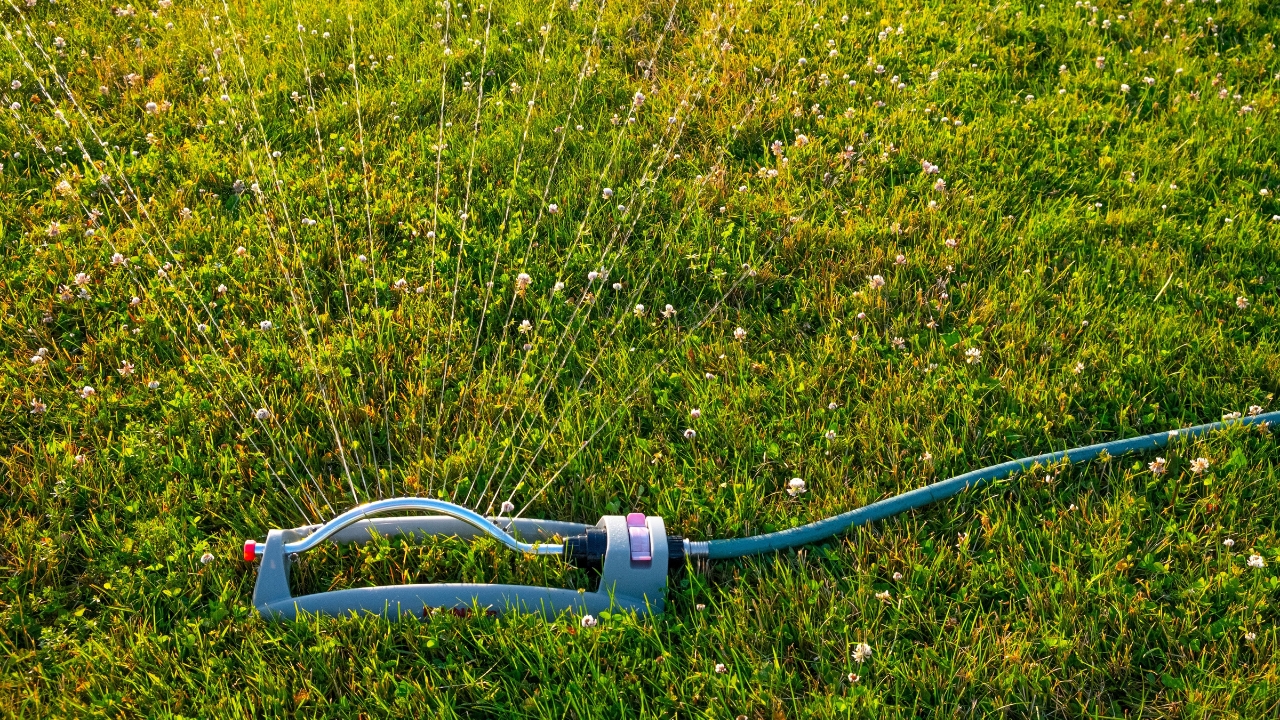
Light watering keeps grass alive—but it won’t fix patchiness. Deep, less frequent watering encourages deeper roots, which helps grass fill in from the bottom up.
Set your sprinkler or hose to soak the soil about 6–8 inches deep. Early morning is best so the water can soak in before the heat of the day.
Sharpen Your Mower Blade
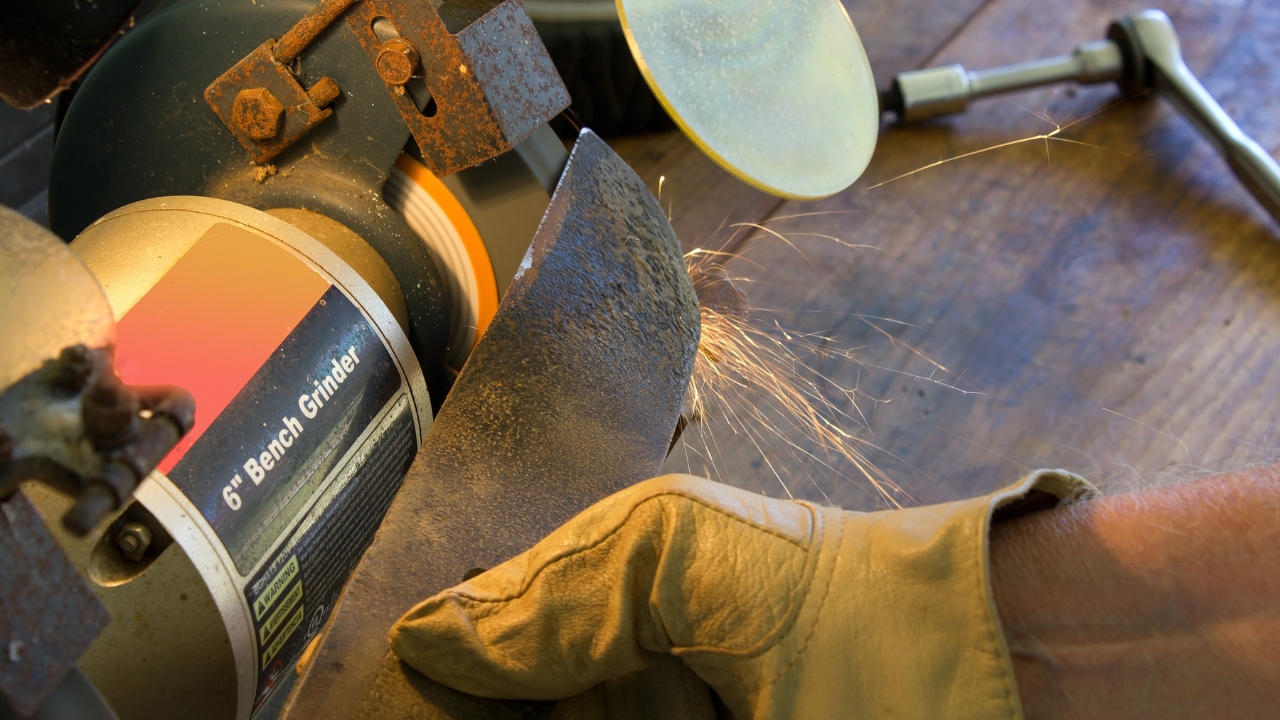
A dull mower blade tears grass instead of cutting it clean. That stress makes it harder for grass to bounce back, especially in already thin areas.
Sharpen your blade at least once a season, or more if you mow often. Clean cuts heal faster and help your lawn stay healthier overall.
Fertilize at the Right Time
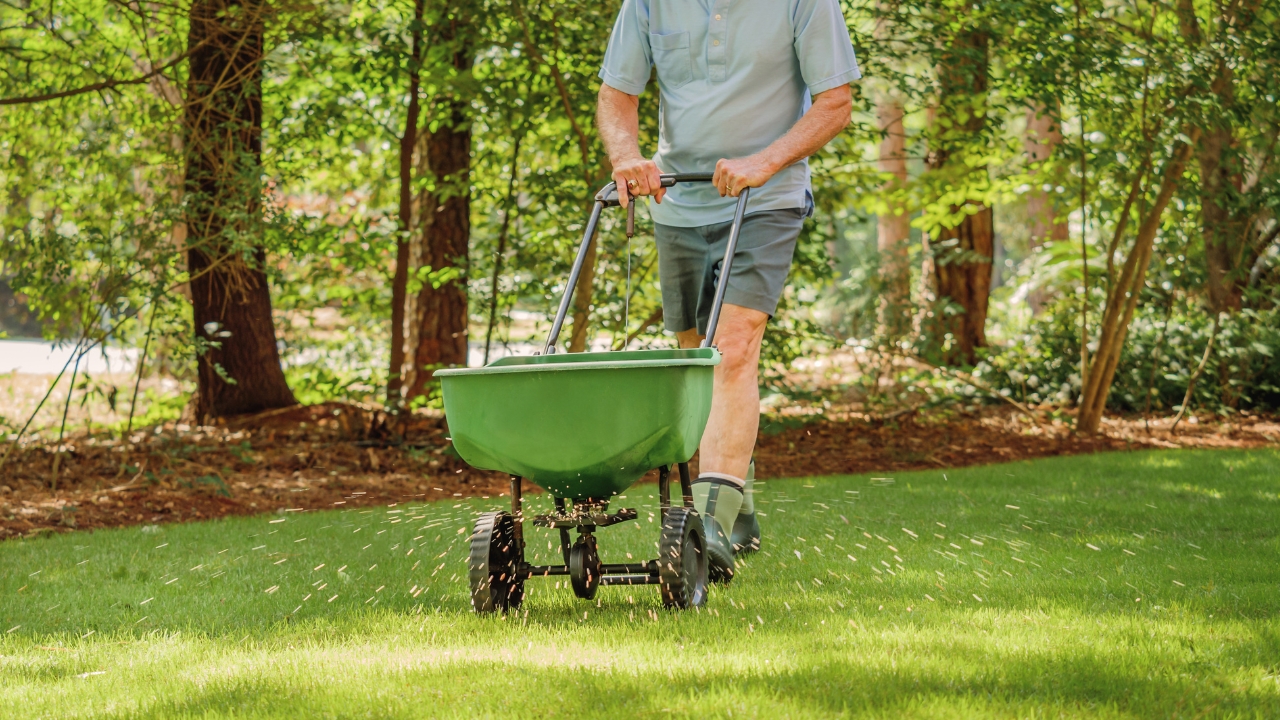
Throwing down fertilizer at the wrong time can actually make patchiness worse. Grass needs nutrients during its growing season—not when it’s dormant or stressed.
Use a slow-release fertilizer that matches your grass type and apply it in early spring or fall, depending on the climate. Too much or too late in the season can burn new growth.
Aerate Compacted Soil
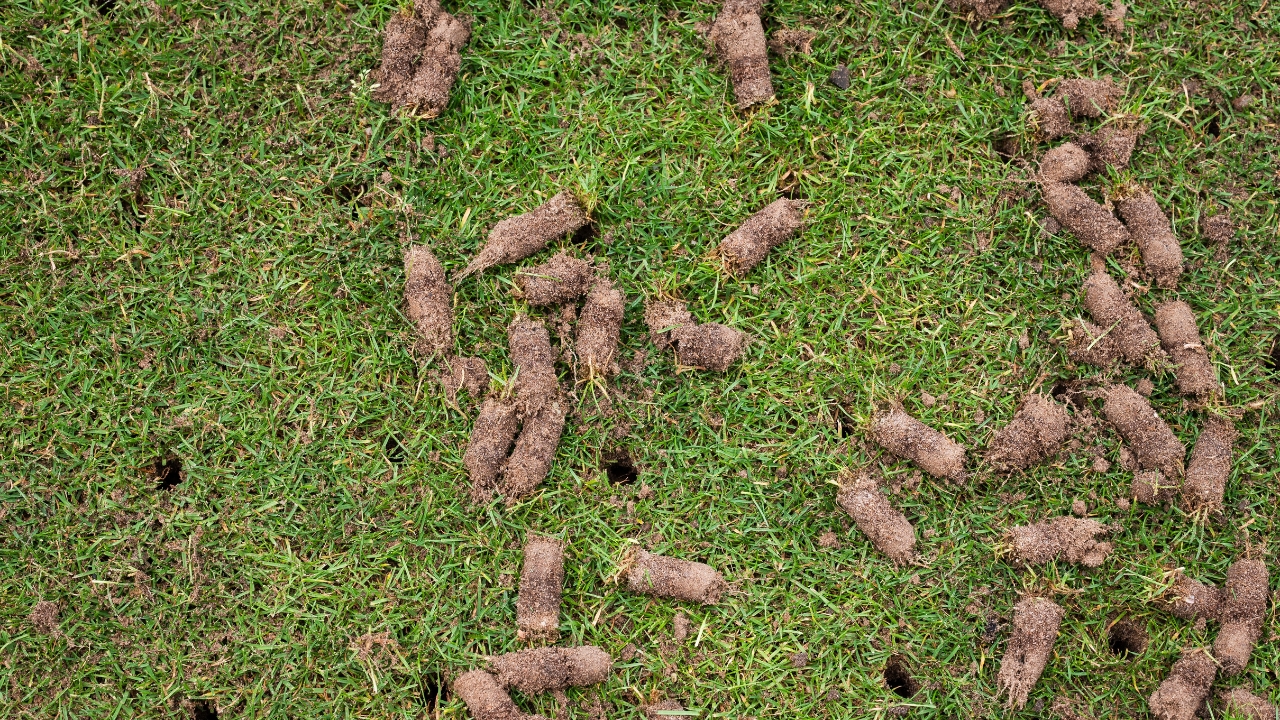
If your soil is packed down from heavy use or clay content, air and water can’t get to the roots. That makes it hard for grass to grow, even with seed or fertilizer.
Core aeration helps loosen things up and gives the lawn a better shot at bouncing back. It’s especially helpful if water tends to pool or run off in certain areas.
Fill in Low Spots
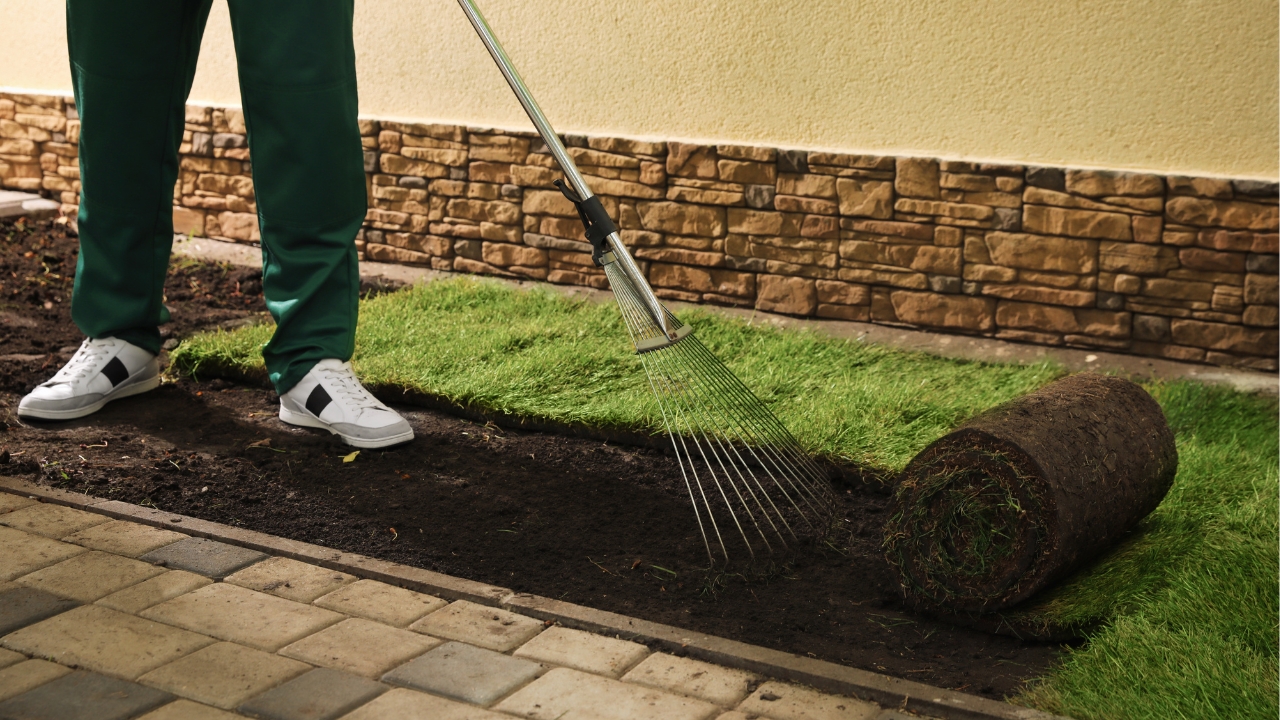
If your lawn has dips or uneven patches, grass struggles to grow evenly. Low areas also hold water longer, which can rot roots or create dead zones.
Level small low spots with a mix of soil and compost. Spread it thin and repeat if needed until it’s even. Once leveled, you can seed or sod the area to match the rest.
Use Patch Repair Mix for Problem Areas
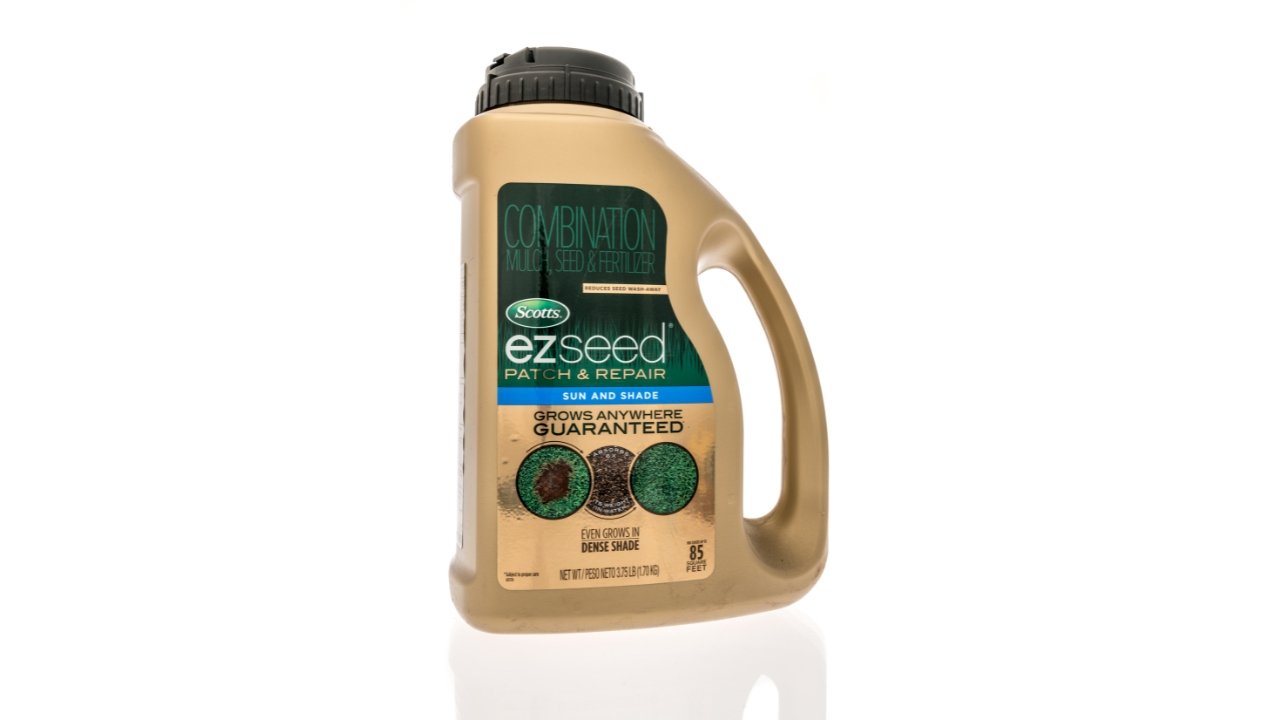
Sometimes spot-seeding doesn’t cut it—especially in high-traffic or trouble zones. Patch repair mixes combine seed, fertilizer, and mulch into one and are designed to stay in place and grow fast.
Use them on small bare spots that need a quick recovery. Just make sure to water consistently while it establishes. It’s a good fix when you need visible improvement fast.
Block Off Foot Traffic While It Recovers

Even light walking across new grass or thin areas can undo your progress. If pets, kids, or foot traffic are cutting across those patches, block it off while it recovers.
Use a couple of stakes and string, or repurpose garden fencing. Once the grass fills in, you can open it back up—but giving it a break during recovery really helps it take hold.
*This article was developed with AI-powered tools and has been carefully reviewed by our editors.