10 projects that turn your backyard into a maintenance trap
Big backyard upgrades can sound exciting—until you realize how much work they add long-term. What looks effortless on Pinterest often turns into a weekend-eating, money-draining project once real weather, weeds, and wear set in.
The truth is, not every “improvement” actually improves how your yard functions. Some features end up demanding constant cleaning, repair, or replacement just to stay usable. Before you start another DIY project, it helps to know which ones quietly turn your backyard into a full-time job.
Building oversized garden beds
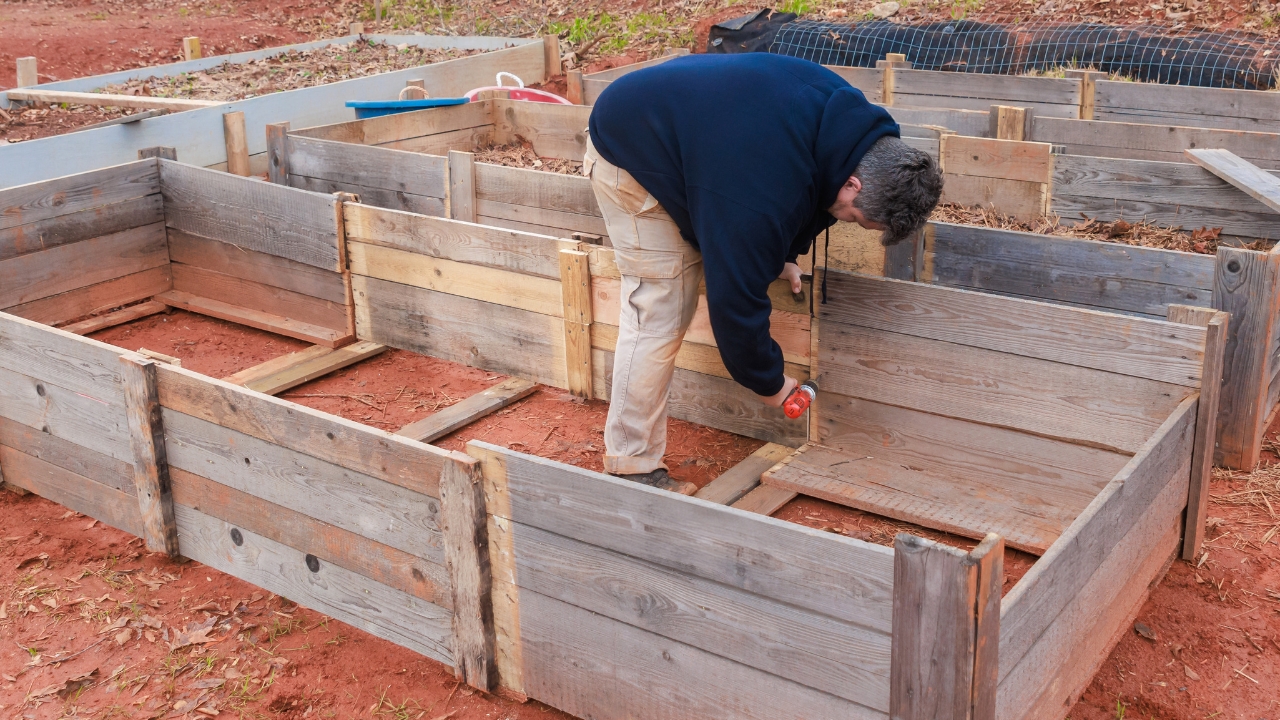
Raised beds look great, but when they’re too big or too deep, they dry out faster and require constant watering, weeding, and refilling with soil or compost. They also settle unevenly over time, leaving gaps that need topping off each season.
Keep them manageable—no wider than four feet—and focus on fewer, healthier beds instead of sprawling ones. You’ll get the same harvest with half the upkeep.
Installing a large pond or water feature
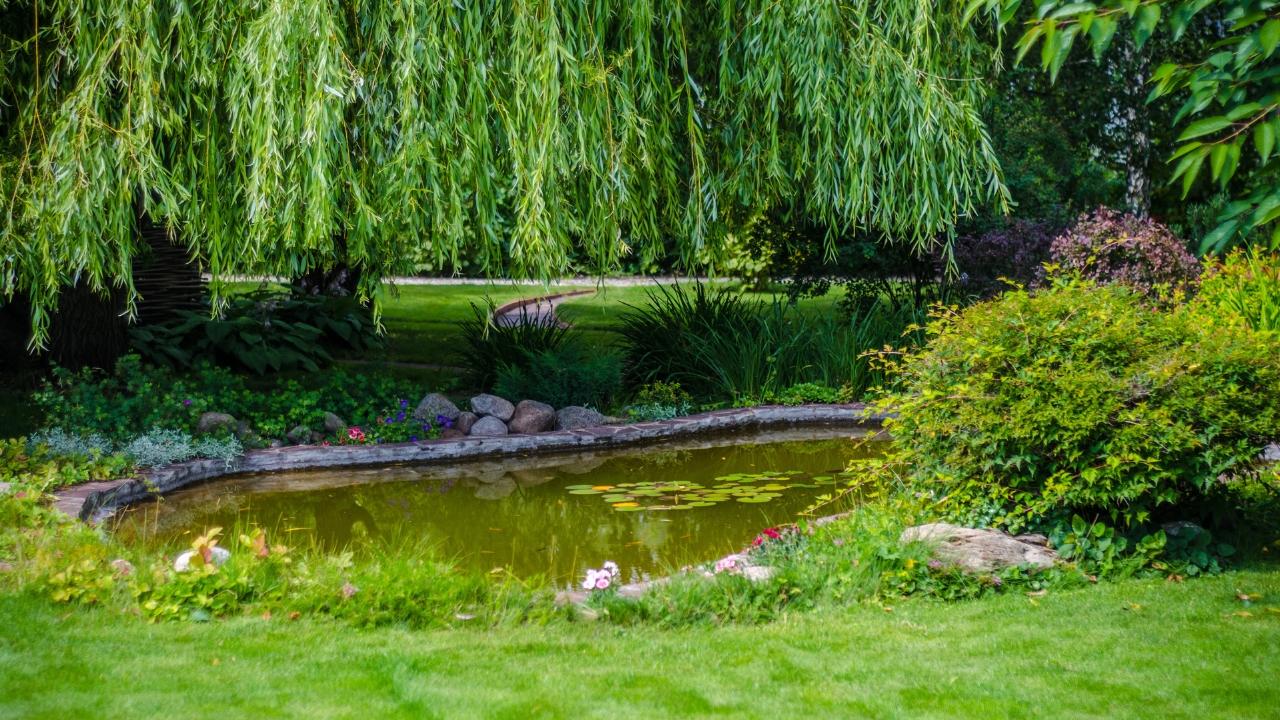
A backyard pond seems peaceful until you’re spending every weekend skimming algae and unclogging pumps. Warm weather turns still water into a breeding ground for mosquitoes if it’s not properly circulated.
If you love the look, opt for a smaller fountain or birdbath that’s easy to drain and clean. You’ll get the same visual payoff without the constant chemical balancing and filter maintenance.
Choosing high-maintenance grass

Some grasses look beautiful but demand weekly mowing, watering, and fertilizing to stay that way. Certain cool-season or ornamental varieties don’t hold up to foot traffic or heat, leaving you with bare patches and frustration.
Pick a grass that matches your climate and use pattern. Native grasses or low-water blends cut your maintenance time and still give you a healthy lawn.
Adding too many flowerbeds
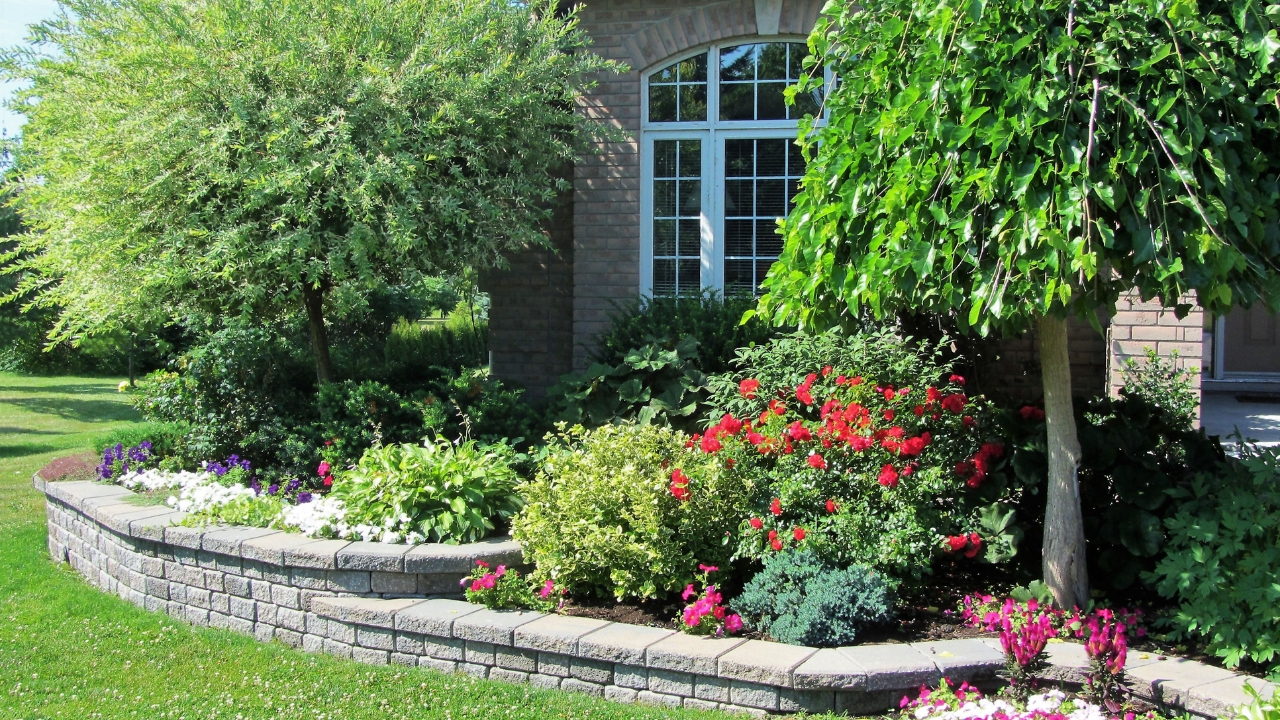
Multiple flowerbeds make your yard look lush, but each one adds hours of watering, pruning, and weeding. When beds surround your entire property, maintenance quickly becomes overwhelming.
Focus on a few standout areas—like around the patio or entryway—and fill the rest with perennials or groundcovers that take care of themselves. It keeps your yard looking full without the daily upkeep.
Using wood decking that isn’t sealed properly
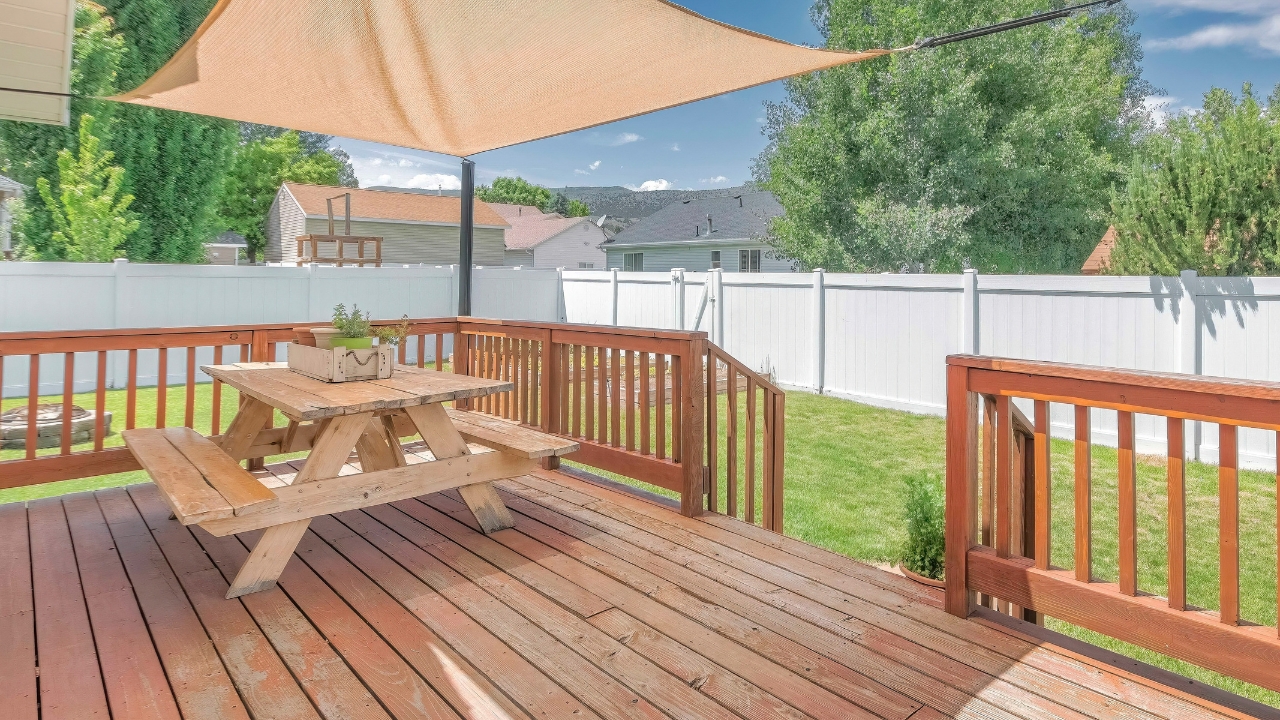
Untreated or poorly sealed wood decks absorb moisture, fade in the sun, and eventually start splintering or warping. Once that happens, repairs become constant.
If you’re set on wood, use pressure-treated boards or composite alternatives, and reseal every couple of years. It’s the only way to keep the deck safe, stable, and worth the investment.
Building elaborate stone pathways

Stone paths add charm, but they also shift, crack, and grow weeds between joints. Without a strong base and regular upkeep, they turn uneven fast and become a tripping hazard.
You can still have the look—use compact gravel or large pavers set in sand. They’re easier to adjust and won’t require constant releveling after every storm.
Planting invasive species
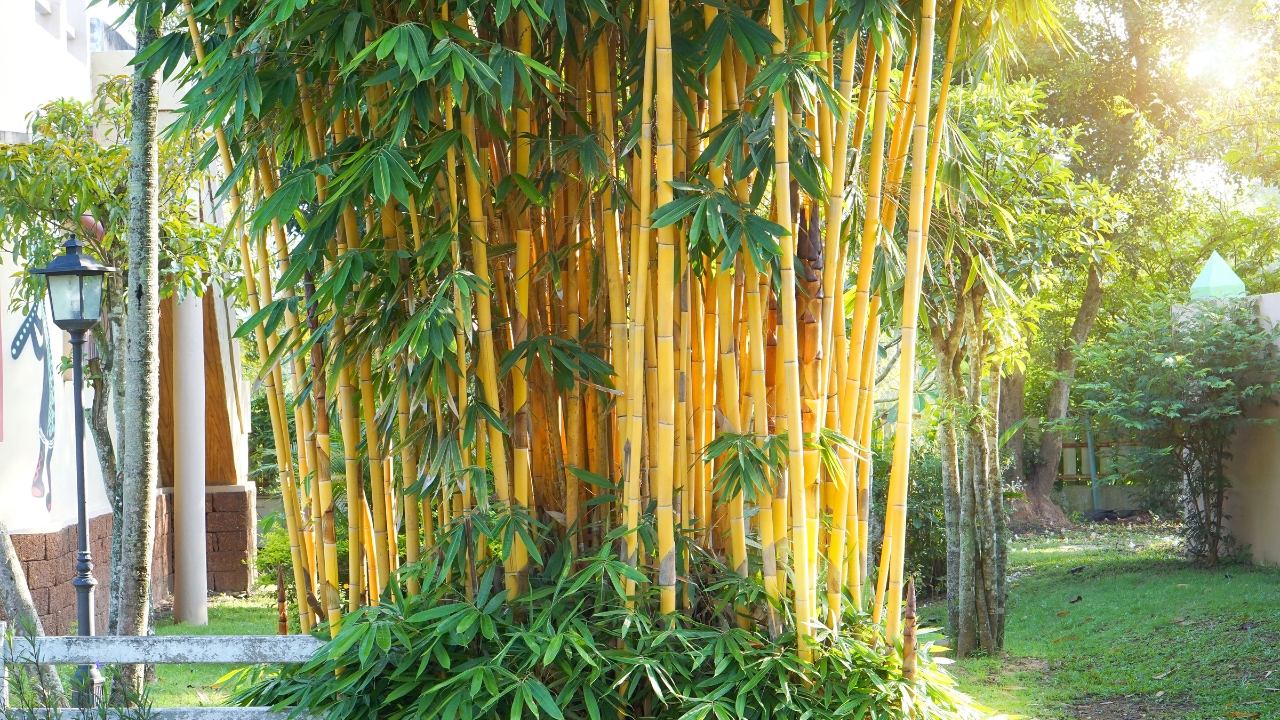
Fast-growing plants might seem like an easy win, but invasive varieties—like bamboo or certain ornamental grasses—quickly take over everything else. Removing them later is an exhausting battle.
Before planting, check your state’s invasive plant list. Stick with native shrubs and trees that thrive naturally in your soil. You’ll spend less time fighting them back and more time actually enjoying your yard.
Installing too many landscape lights
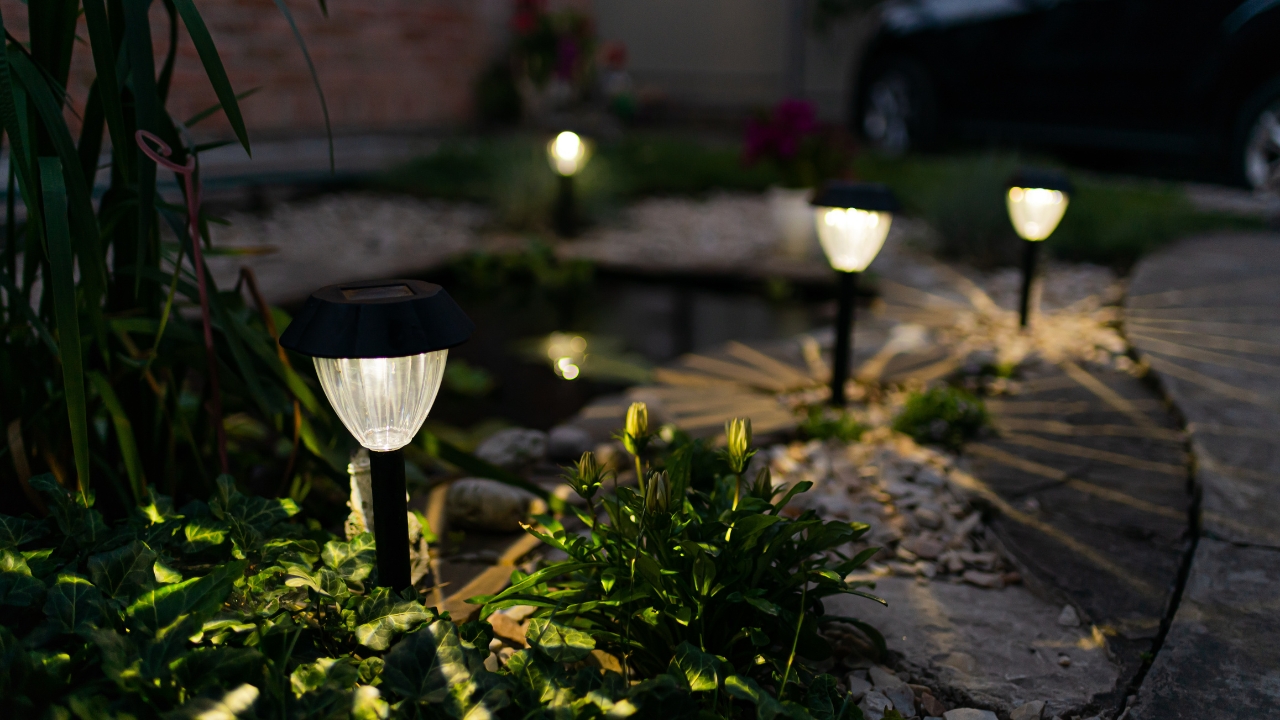
Outdoor lighting can make your space feel cozy, but when every corner is lit, it means extra bulbs to replace and wires to maintain. Cheap solar lights fade fast and end up looking neglected.
Keep lighting intentional—focus on key pathways and gathering areas. Fewer, better fixtures will last longer and make your yard look more polished.
Creating steep or terraced areas without drainage

Terracing or adding slope for visual interest looks nice until you realize how much water runoff it creates. Poor drainage erodes soil, floods low areas, and can even damage nearby structures.
If you’re reshaping the land, plan for proper grading or add French drains where needed. It’s a small step that prevents major cleanup later.
Filling every space with furniture
Overcrowding your patio or yard with furniture and decor looks cluttered and creates more to clean, move, and protect from the weather. Cushions mold, metal rusts, and you end up storing half of it year-round.
Stick with durable, multipurpose pieces that can handle the elements. An uncluttered space feels more intentional—and it’s a lot easier to maintain.
*This article was developed with AI-powered tools and has been carefully reviewed by our editors.