10 “Quick” Yard Fixes That Backfire by Summer
Fast yard projects feel satisfying in spring, but some of the most popular shortcuts quietly set you up for brown patches, dead shrubs, and higher water bills by mid‑summer. If you want your outdoor space to look as good in August as it does in April, you need to be picky about which “quick fixes” you trust and which ones you skip.
Rather than racing through weekend to‑dos, focus on small, smart steps that keep grass, beds, and shrubs healthy under real heat and drought. That starts with recognizing the tempting tricks that backfire once temperatures rise and your yard is under stress.
1. Smothering Beds With “Just One More” Layer of Mulch
When you are in a hurry to make beds look finished, it is easy to keep piling mulch until every bare spot disappears. A thick, uniform blanket looks tidy in early spring, yet overdoing it can suffocate roots, shed water instead of absorbing it, and invite rot around trunks. Professional guidance recommends resisting that instinct to bury everything and instead keeping mulch in a modest layer so roots still receive oxygen and moisture.
If you routinely top off beds without checking depth, you can end up with what many pros call “mulch volcanoes” around trees and shrubs. That cone of material traps moisture against bark and encourages pests, so you are effectively paying to weaken your own plants. One expert explanation of over mulching stresses that a relatively thin layer is ideal, especially when you pull it back a few inches from trunks. For a quick visual upgrade, you are better off raking and fluffing last year’s mulch and spot‑topping bare patches instead of burying the entire bed.
2. Chasing Instant Color With Random Planting Sprees
A trunk full of impulse‑buy annuals can transform a dull yard overnight, but random planting without a plan often looks chaotic by summer. When you mix heights, bloom times, and growth habits without a clear design, taller plants shade out smaller ones, some species bake in the wrong exposure, and gaps appear as early bloomers fade. You may find yourself replanting entire beds in July because the spring burst of color collapsed into leggy stems and bare soil.
You avoid that cycle by treating even quick plant runs as part of a simple design, with repeating shapes, consistent spacing, and clear bed edges. One set of design tips points out that strong curves and make a yard feel intentional, while wavy, accidental edges read as messy. Other guidance on common landscape design also warns that skipping the planning phase leads to crowding and poor placement. If you give yourself an extra half hour with a sketchpad before you buy, you still get the quick payoff of new color but avoid the mid‑season regret of having to rip out plants that never belonged there.
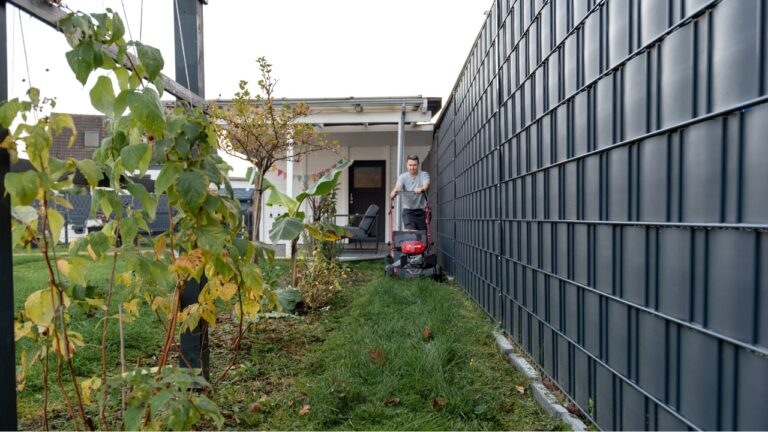
3. Mowing “Extra Short” So You Can Skip a Week
When your schedule is packed, dropping the mower deck and scalping the grass feels like a clever time saver. In reality, cutting turf too short shocks the plants, exposes soil, and makes it easier for heat and weeds to take over by July. Professional advice on Common Lawn Care notes that mowing may seem simple, but dull blades and aggressive cuts leave jagged edges that brown quickly, especially under summer sun.
Grass that is kept at a moderate, consistent height shades its own roots and helps conserve soil moisture, which matters once temperatures spike and rainfall becomes less reliable. Another set of mowing tips stresses that Consistency is key and that Skipping weeks and then mowing too short leaves brown patches and weak spots. To truly save time, schedule regular, moderate cuts and sharpen your blade at least once a season so each pass supports a thicker, more resilient lawn that still looks green in late summer.
4. Cranking Up the Sprinklers After Every Sunny Day
On the first warm weekend, it is tempting to treat your lawn like a thirsty houseplant and run the sprinklers every time you see dry blades. That habit often leads to shallow roots and soggy patches that invite fungus once humidity climbs. Guidance on Overwatering and Improper explains that Watering a lawn too frequently can be just as damaging as neglect, since roots stay near the surface and grass becomes dependent on constant irrigation.
Summer stress exposes that weakness quickly, especially in regions where heat and humidity spike together. In parts of the Gulf Coast, for example, service calls surge During peak summer months in Southwest Florida as temperatures climb into the 90s and humidity levels rise, which is exactly when overwatered lawns are most vulnerable to disease. A smarter quick fix is to water deeply once or twice a week, early in the morning, so moisture penetrates several inches down. That routine trains roots to chase water deeper into the soil and leaves the surface dry enough between cycles to discourage fungus.
5. Dumping Extra Fertilizer for a Fast Spring Green‑Up
A lush, neon‑green lawn in April can feel like proof that extra fertilizer was a good idea. The problem is that heavy feeding in cool weather often burns grass once the sun intensifies, especially if you apply the product at the wrong time of day or do not water correctly afterward. Detailed summer advice warns you specifically, Don’t Burn your lawn with Fertilizer by Adding too much or using it in hot conditions.
Overfeeding also pushes rapid top growth at the expense of roots, which leaves grass more fragile once heat and drought arrive. The same guidance notes that a healthy lawn needs about an inch of water per week to thrive, rather than constant light watering that washes nutrients away. When you follow the product label, time applications for mild weather, and pair them with that steady inch of moisture, you get a steady, durable green instead of a quick surge that fades into brown patches by mid‑summer.
6. DIY Weed Killers and “Miracle” Home Brews
Homemade sprays made from pantry staples sound like an easy, cheap way to wipe out dandelions in a single afternoon. In practice, many of these mixes burn foliage on contact without touching the root system, so weeds bounce back stronger while nearby turf and perennials suffer collateral damage. Professional warnings about Making Homemade Weed explain that quick fixes in a spray bottle are often landscaping mistakes, especially when you apply them in full sun or on windy days.
Some of the most aggressive weeds, such as Canada thistle (illustrated in a Cirsium arvense reference image), spread by deep roots and underground stems that shrug off surface burns. If you only scorch the top growth in spring, you may face a larger, tougher patch by July, along with bare soil where grass died from overspray. You get better long‑term results by spot‑treating with targeted products, overseeding thin areas, and improving soil health so turf can outcompete invaders. That approach takes a little longer on day one but prevents the frustrating cycle of weeds returning thicker every summer.
7. Hard Pruning Shrubs in Extreme Heat
When shrubs look shaggy just as summer parties ramp up, it is tempting to hack them back hard for a clean outline. If you do that during a heat wave, you strip away the very foliage that is shading branches and roots, which leaves plants struggling to conserve moisture. One practical video tip recorded in Aug explicitly advises you to trim your shrubs, since the moisture in those leaves helps the shrub cope when it is only getting 90 or 95 degree highs later.
Heavy pruning in extreme temperatures also exposes previously shaded bark to sunscald and can trigger a flush of tender new growth that wilts quickly. Instead of a neat hedge, you may end up with dead sections and bare sticks by the end of the season. A better quick fix is to focus on light shaping cuts in the cooler parts of the day and reserve major size reductions for spring or fall. That way you still get a tidy look for guests, but the plant keeps enough foliage to handle the summer heat that is still coming.
8. Ignoring Soil and Plant Fit for the Sake of Speed
Grabbing whatever looks good on the nursery table and dropping it into untested soil feels like a shortcut, but it often guarantees disappointment once weather turns harsh. If your soil is compacted, poorly drained, or nutrient poor, roots never get established and plants limp along until the first real heat wave finishes them off. One practical explanation of lawn problems notes that Probably the number 1 issue behind lawn damage is poor soil that was not properly prepared before seeding or sodding.
Plant choice can compound that mistake if you ignore climate fit in the rush to fill a bed. Practical guidance for new gardeners stresses that Understanding what trips up beginners starts with Ignoring Your Hardiness, which leads to plants that simply cannot handle your winter or summer extremes. A small investment of time in soil testing, amending with compost, and checking tags for zone and sun requirements gives you a yard that holds up through heat, storms, and cold, instead of one that looks good for a month and then collapses.
9. Rushing Big Layout Changes Without a Real Plan
On a motivated Saturday, you might feel ready to carve new beds, add a path, and relocate shrubs all at once. Without a basic layout plan, that burst of energy can leave you with awkward bed lines, blocked views, and plants that outgrow their spots by the time summer growth peaks. Professional guidance on Top Landscaping Mistakes Homeowners explains that overcrowding and placement problems eventually force you to prune or remove overgrown plants completely, which is wasted effort and money.
Even small changes benefit from a few minutes of planning so you understand sightlines from the street and from inside your home. Simple design advice points out that Strong curves and straight lines look intentional, while accidental “wavy” bed edges feel haphazard and messy. If you sketch those curves with a hose or marking paint first, you can still complete the work in a single weekend but avoid the long‑term headache of a yard that never quite looks right once plants mature.
10. Confusing Quick Cleanups With Lasting Maintenance
A fast pass with a rake and blower can make your yard look guest ready in an afternoon, yet that surface clean often hides deeper issues that erupt by mid‑summer. When you only clear leaves and debris, you may miss early signs of disease, bare patches, or drainage problems that need attention before the hottest months. At the same time, you do not have to choose between speed and quality. Practical curb appeal advice suggests that While you are in the clearing mood, While you wipe down surfaces for an instant boost, you can also follow Souhrada’s reminder that many people notice the difference when details are tidy.
The same mindset applies to your lawn and beds. Quick visual fixes should sit on top of a basic maintenance routine that addresses soil, watering, mowing, and plant health. Advice aimed at homeowners emphasizes that you should act early when you see stubborn patches, since Homeowners who wait for summer heat to confirm suspicions often allow irreversible damage. If patches persist or worsen, Waiting for that confirmation can cost more time and effort in the long run. When you pair smart, small weekly tasks with that early intervention mindset, you still get the satisfaction of quick wins, but your yard keeps rewarding you all the way through summer instead of falling apart by July.
Like Fix It Homestead’s content? Be sure to follow us.
Here’s more from us:
- I made Joanna Gaines’s Friendsgiving casserole and here is what I would keep
- Pump Shotguns That Jam the Moment You Actually Need Them
- The First 5 Things Guests Notice About Your Living Room at Christmas
- What Caliber Works Best for Groundhogs, Armadillos, and Other Digging Pests?
- Rifles worth keeping by the back door on any rural property
*This article was developed with AI-powered tools and has been carefully reviewed by our editors.