10 red flags that make buyers think the house has issues
When you walk into a listing, you are not just admiring paint colors and staging, you are trying to read whether the property is hiding expensive problems. Certain details instantly tell buyers that a home may be more headache than haven, and those signals can shape how you negotiate or whether you walk away altogether. If you know what those red flags look like, you give yourself a better chance of avoiding a money pit and protecting the savings you worked so hard to build.
Seasoned buyers treat every tour and inspection as an investigation, not a formality. You can do the same by focusing on the warning signs professionals see again and again, from foundation cracks and roof issues to strange odors and sellers who resist scrutiny. Taken together, these clues do not just hint that a house has issues, they can tell you where the biggest risks lie and how much leverage you have to demand repairs or a lower price.
1. Foundation cracks and structural movement
If you spot significant cracking in walls or floors, you are looking at one of the clearest signs that a house may have serious structural problems. Inspectors consistently flag foundation cracks, bowing walls and sloping floors as high risk because the foundation supports the entire structure, and repairs can run into tens of thousands of dollars. Guides on Foundation Problems explain that movement under the house can also show up as uneven heating and cooling, doors that stick and windows that no longer square up in their frames.
Subtle structural clues that inspectors highlight also deserve attention, such as Cracks near doors and windows or doors that no longer open or close smoothly. These details often appear in the Top Signs of Foundation Problems lists that inspectors use, where Foundation Cracks are singled out as especially concerning. If you see multiple symptoms in the same area, assume you are dealing with more than cosmetic settling and budget for a structural engineer before you commit.
2. Water stains, sump pumps and mold
Water is relentless, and buyers know it. Stains on ceilings, bubbling paint, warped baseboards or a musty smell in the basement all suggest that water has been where it should not be. Inspectors who warn about money pit conditions often point to chronic leaks that were patched instead of properly fixed, which can leave hidden rot in framing or subfloors. In online discussions of Sump pumps, agents describe how they see buyers underestimate what a pump in the basement really signals, then discover later that recurring groundwater problems require extensive drainage work.
Treat any visible mold, especially around windows, bathrooms or basements, as a sign that moisture control has been neglected. When Kody Hansen in Michigan weighs in on common red flags, he warns that even a small patch of mold can be the tip of a much larger problem behind walls or under flooring. If a seller has painted over stains or run dehumidifiers during showings, assume they are trying to manage symptoms rather than address the source, and consider specialized inspections and air testing before you feel comfortable moving forward.
3. Roof trouble and exterior neglect
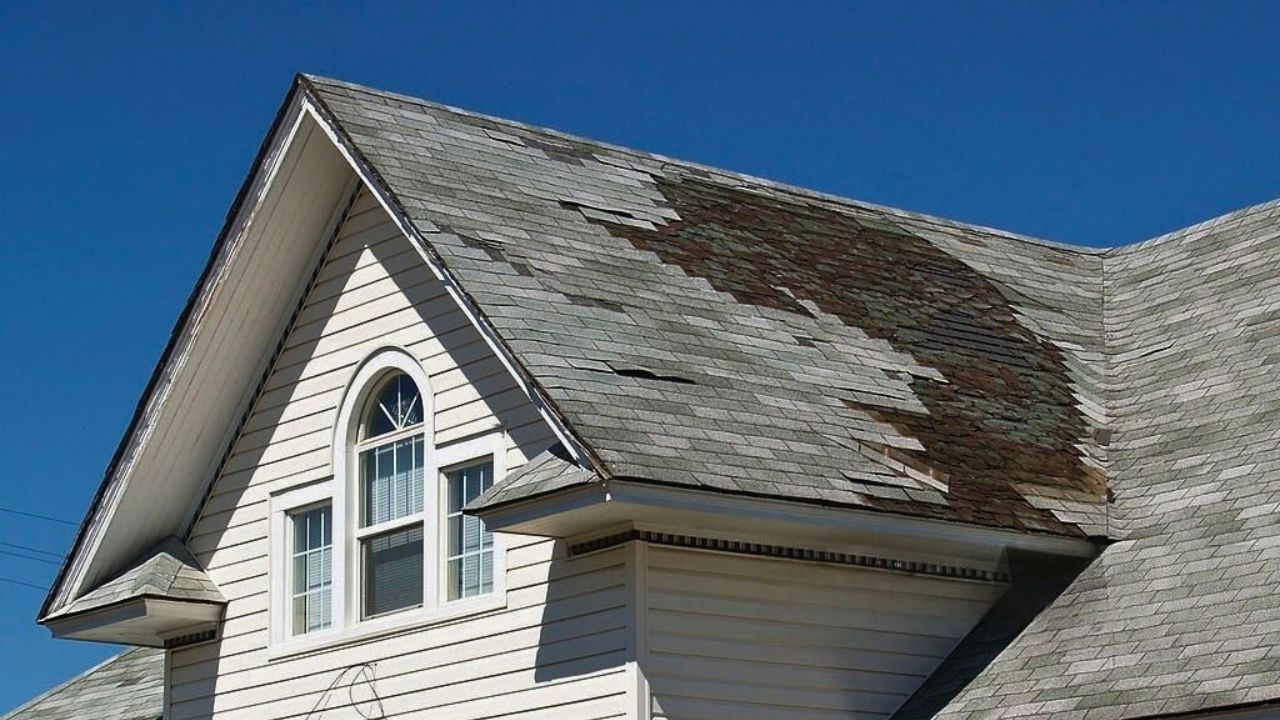
Many buyers glance at a roof and move on, but you gain a lot by slowing down and really studying what you see. Missing shingles, sagging sections, rusted flashing or multiple layers of shingles stacked on top of each other are all signs that the roof is near the end of its life. Roofing specialists explain that multiple layers can hide warped shingles underneath and add weight that the structure was not designed to carry. When you combine that with clogged gutters or poor grading, you are looking at a recipe for leaks and foundation stress.
During a Home Tour, scan the siding, trim and exterior paint for widespread peeling, rot or gaps. Guides that focus on Red Flags to Watch for during a tour point out that a neglected exterior often mirrors what you will find inside the walls and systems. If the seller has not kept up with basic exterior maintenance, you can reasonably question whether they have serviced the furnace, cleaned the chimney or addressed small leaks before they grew into major problems.
4. Electrical, plumbing and HVAC red flags
Mechanical systems are not as glamorous as a renovated kitchen, but they are what keep a home safe and comfortable. When you see outdated wiring, overloaded power strips, missing GFCI outlets near water or a panel that looks disorganized, assume that the electrical system needs professional attention. Inspectors who compile Foundation Cracks and in their lists often place electrical hazards right alongside structural issues because both can affect safety and insurance. If you see amateur work, like loose junction boxes or mismatched fixtures, you may be inheriting unpermitted projects that will be expensive to untangle.
Plumbing and HVAC systems tell their own story through stains, corrosion and performance. Rusted supply lines, low water pressure or gurgling drains suggest that pipes are aging or undersized, while an old furnace or air conditioner that struggles to keep temperatures even can point to poor duct design. When you review Common Home Inspection, uneven heating or cooling is singled out as a sign that the system may be near the end of its useful life. Factor potential replacement costs into your offer, especially if the water heater, furnace or condenser is well past the typical service life for its model.
5. Seller behavior, missing inspections and neighborhood clues
Sometimes the biggest warning signs are not physical defects but how the transaction is handled. If a seller resists a standard inspection, tries to limit access to certain rooms or pushes you to waive contingencies, treat that as a major red flag. Advisers who urge buyers to Review signs of when NOT to proceed often start with the principle that no inspection means no dice. Insist on a full inspection period and be prepared to walk away if the seller will not allow reasonable due diligence before you commit to the home.
You also gain insight by looking beyond the property line. A Neighborhood where multiple homes sit vacant, deferred maintenance is common or traffic patterns feel unsafe can affect your quality of life and long term resale value. When you consider Things To Inspect in a Home Before Buying, the Red Flag of a neighborhood sell out sits alongside Foundation concerns because both shape your long term risk. If you notice many quick flips, a lack of families staying long term or amenities closing, ask why and whether the trend aligns with your plans.
Like Fix It Homestead’s content? Be sure to follow us.
Here’s more from us:
- I made Joanna Gaines’s Friendsgiving casserole and here is what I would keep
- Pump Shotguns That Jam the Moment You Actually Need Them
- The First 5 Things Guests Notice About Your Living Room at Christmas
- What Caliber Works Best for Groundhogs, Armadillos, and Other Digging Pests?
- Rifles worth keeping by the back door on any rural property
*This article was developed with AI-powered tools and has been carefully reviewed by our editors.