10 Signs Your Pipes Are About to Burst
When a pipe bursts, it doesn’t give you much warning—but the signs are usually there if you know what to look for. Whether it’s due to freezing temps, corrosion, or water pressure issues, busted pipes are expensive and messy. Staying ahead of it means spotting problems early.
If you notice any of these signs, it’s time to act fast before things get out of hand.
Water Pressure Drops Out of Nowhere
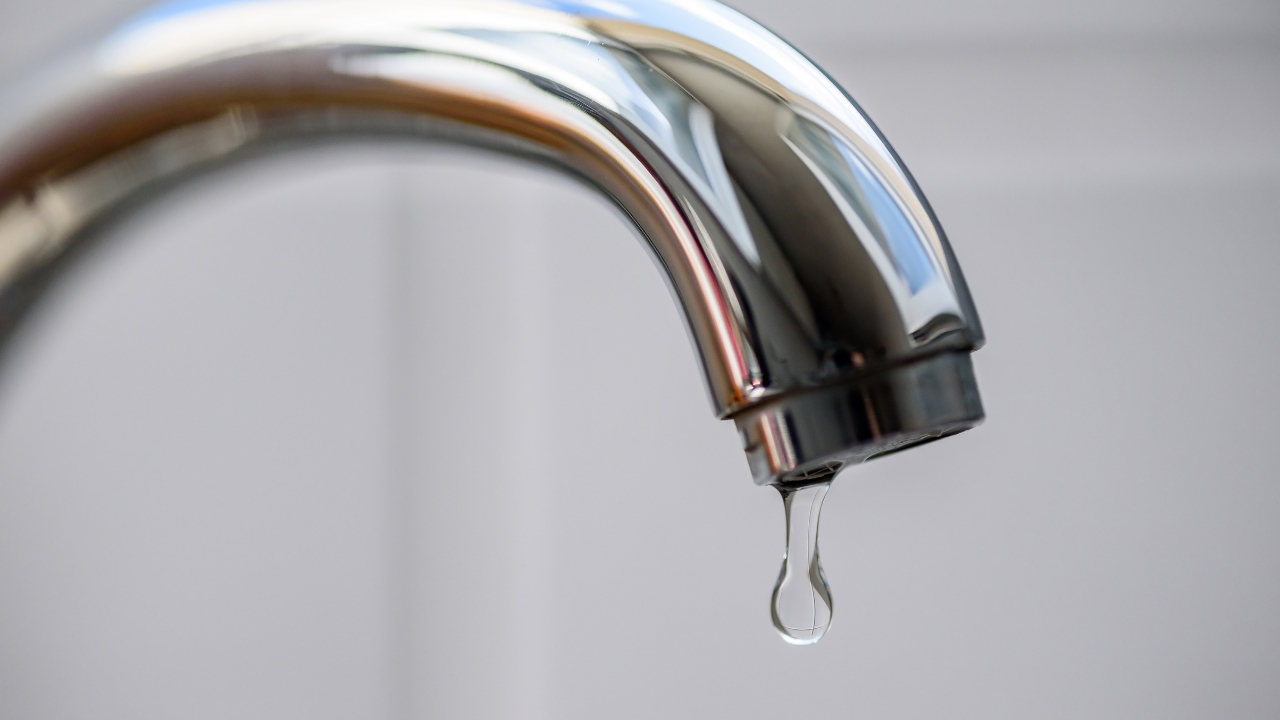
If your water pressure suddenly dips without explanation, it could mean a leak is starting somewhere in the line. Pressure loss often shows up at sinks or showers first.
It’s easy to assume it’s a city supply issue, but if it doesn’t bounce back quickly, you could be dealing with a pipe that’s cracked, leaking, or under serious strain. Left alone, that kind of stress can lead to a full break.
There’s a New Stain on the Ceiling or Wall
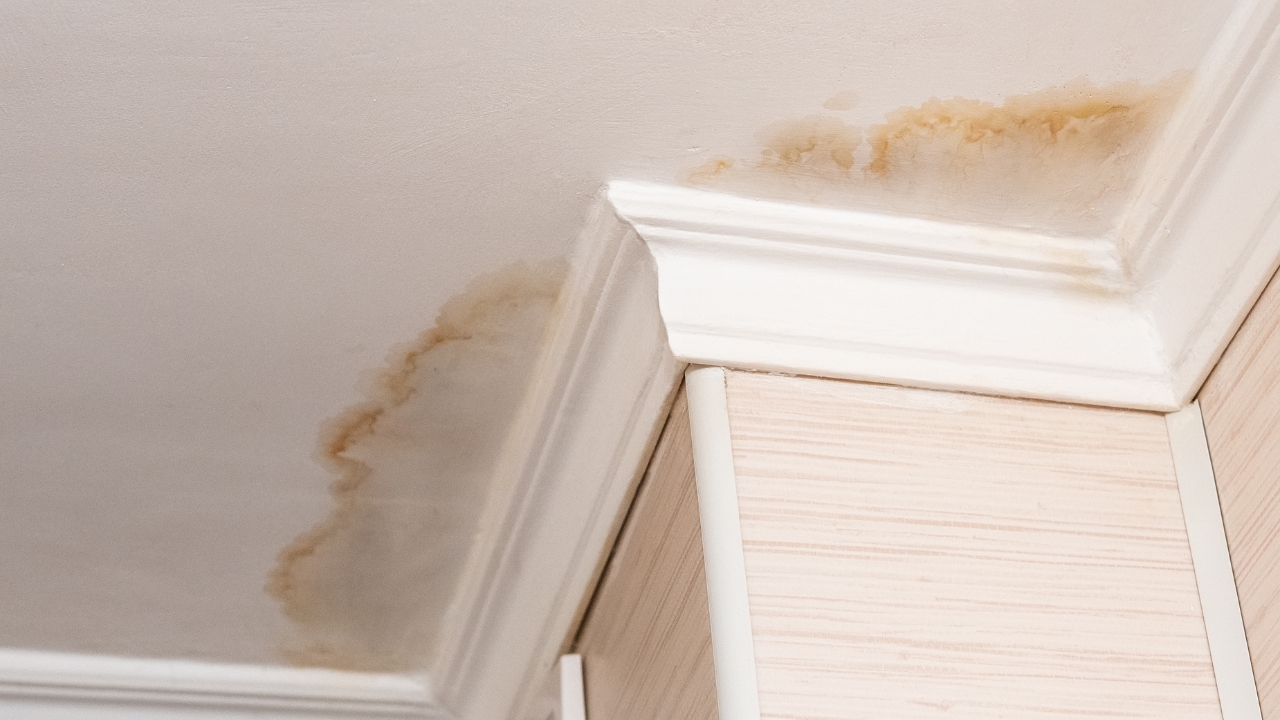
A growing brown spot on the ceiling or wall is usually water creeping in from a leak above. It doesn’t have to be dripping yet to be a problem.
Even small leaks behind drywall or under flooring can lead to mold, rot, and eventually a burst if the pipe weakens enough. Take ceiling stains seriously, especially if you’ve had a freeze recently or have old plumbing.
Your Pipes Are Making New Noises

Banging, clanking, or whooshing sounds inside your walls aren’t normal. They usually mean your pipes are loose, shifting, or dealing with pressure issues.
Water hammer is one common culprit. That’s when flowing water suddenly stops and slams into the valve or pipe wall. If that force keeps repeating, it can stress weak joints until something gives.
You Smell Mildew or Mustiness
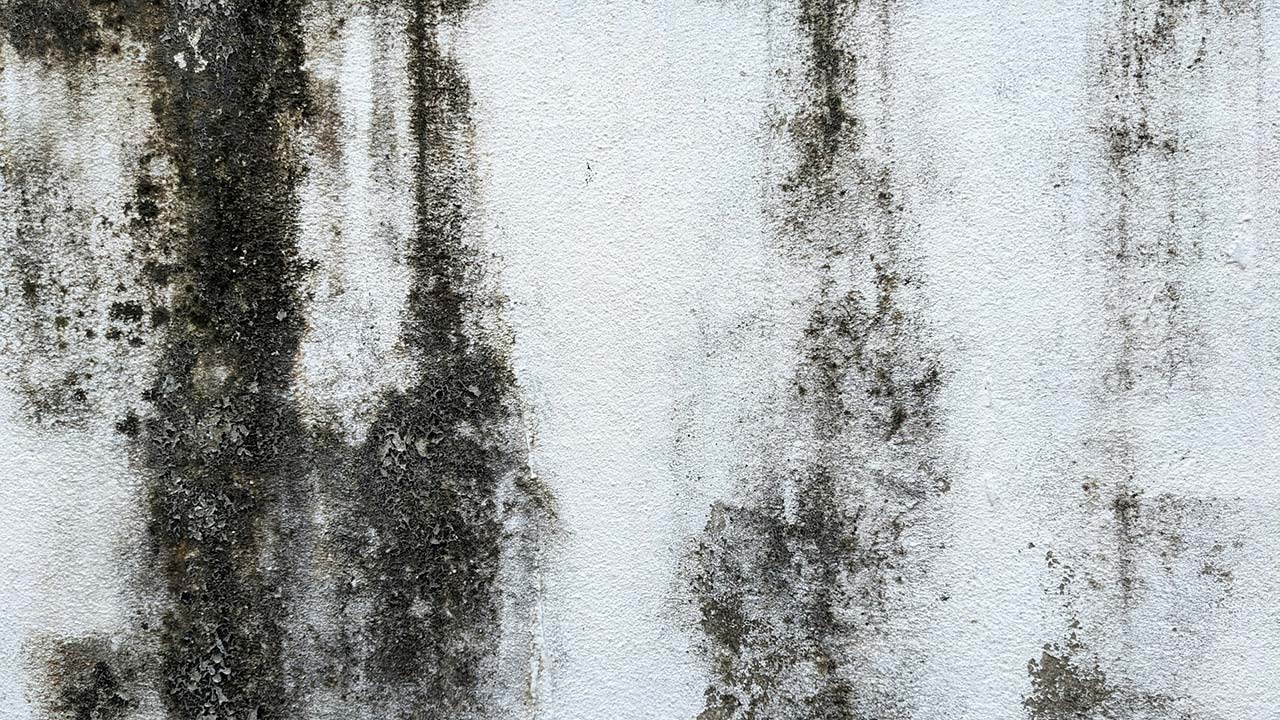
If a space smells damp or musty but nothing is visibly wet, start investigating. Slow leaks behind walls can create a mold problem before they ever burst wide open.
Mildew thrives on moisture, and the smell is one of the earliest signs you’ve got a pipe leaking somewhere hidden. Don’t wait for drywall to sag or wood to rot—track it down early.
The Pipes Are Covered in Frost

Exposed pipes in crawl spaces, basements, or attics that are coated in frost are one freeze away from bursting. When water freezes, it expands—and that pressure can crack even strong pipes.
If you see frost, heat that area up immediately or wrap the pipe to keep it from freezing solid. Bursts usually happen when frozen water starts to thaw and move again.
There’s Water Pooling Where It Shouldn’t Be
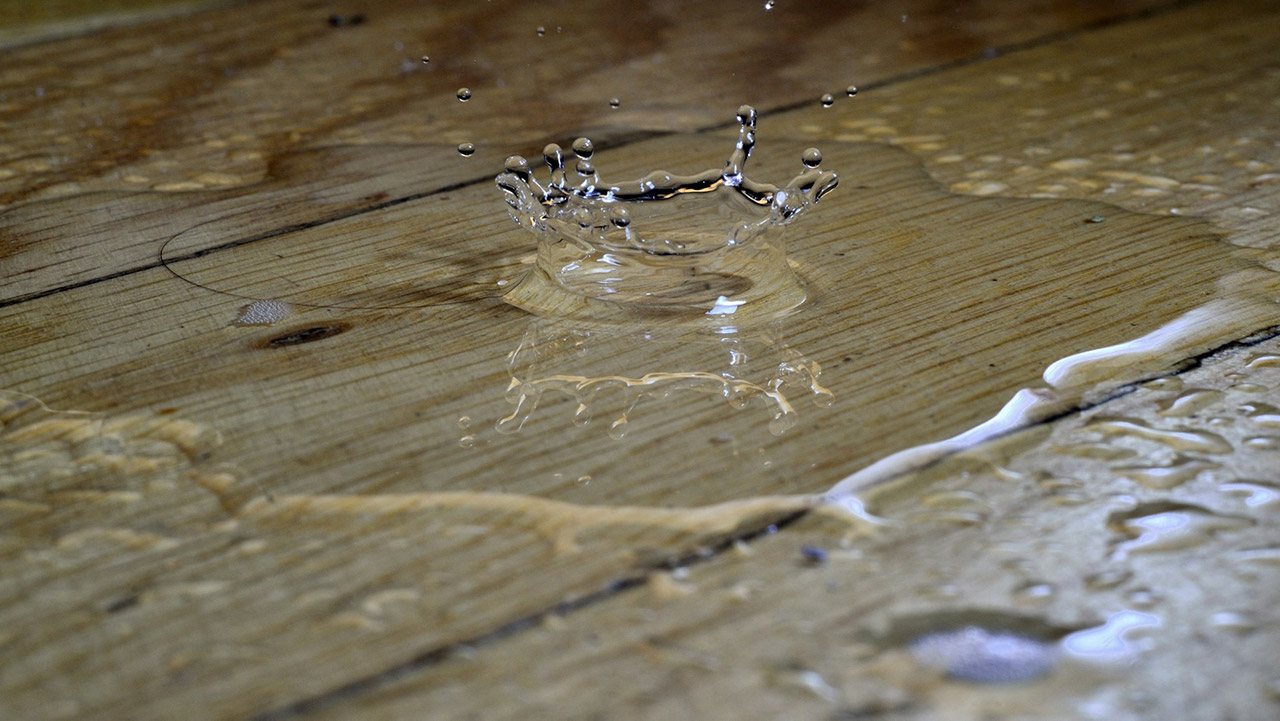
A puddle under the sink or in the laundry room might look harmless, but any unexplained standing water should raise a red flag.
Even a slow drip can eventually split a pipe, especially if the pipe is already under stress from pressure or corrosion. Mop it up, but more importantly—figure out where it came from.
You See Rust or Corrosion on the Pipes

Discolored patches, greenish-white buildup, or flaking metal on your pipes is a sign of corrosion. That weakens the structure and makes them more likely to crack.
This shows up often in older galvanized pipes or copper lines. If you’re seeing corrosion, the pipe may already be too weak to handle a pressure surge. That’s when bursts happen.
There’s a Weird Whistling or Hissing Sound
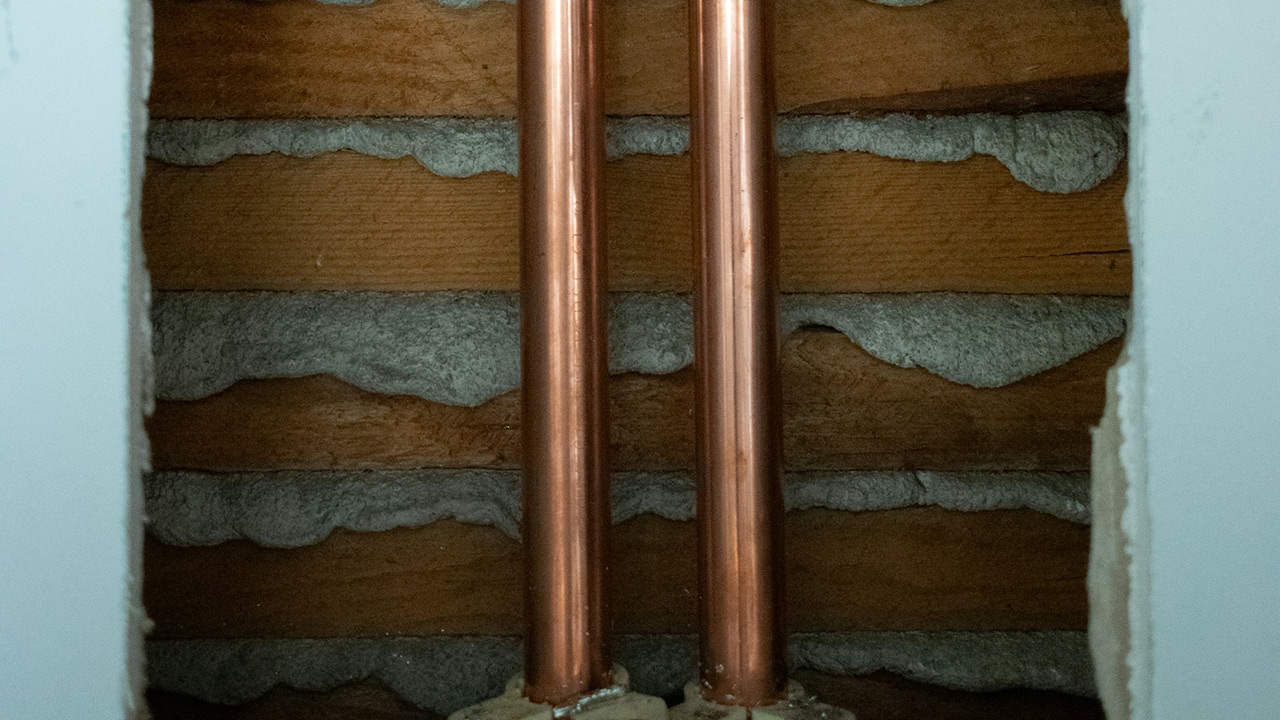
A high-pitched sound near a pipe can mean water is forcing its way through a narrow spot—possibly from mineral buildup or a small leak forming.
As pressure builds behind that blockage or restriction, it puts more strain on the pipe. That vibration can turn into a crack if the line can’t handle the pressure spike.
Your Water Bill Spiked for No Reason

If you haven’t changed your habits but your water bill jumps up, it could be a hidden leak somewhere in the system. That leak could be small now, but that doesn’t mean it’ll stay that way.
A slow leak can turn into a burst with one cold snap or pressure surge. Keep an eye on your usage and investigate anything that doesn’t add up.
The Pipes Feel Warm When They Shouldn’t
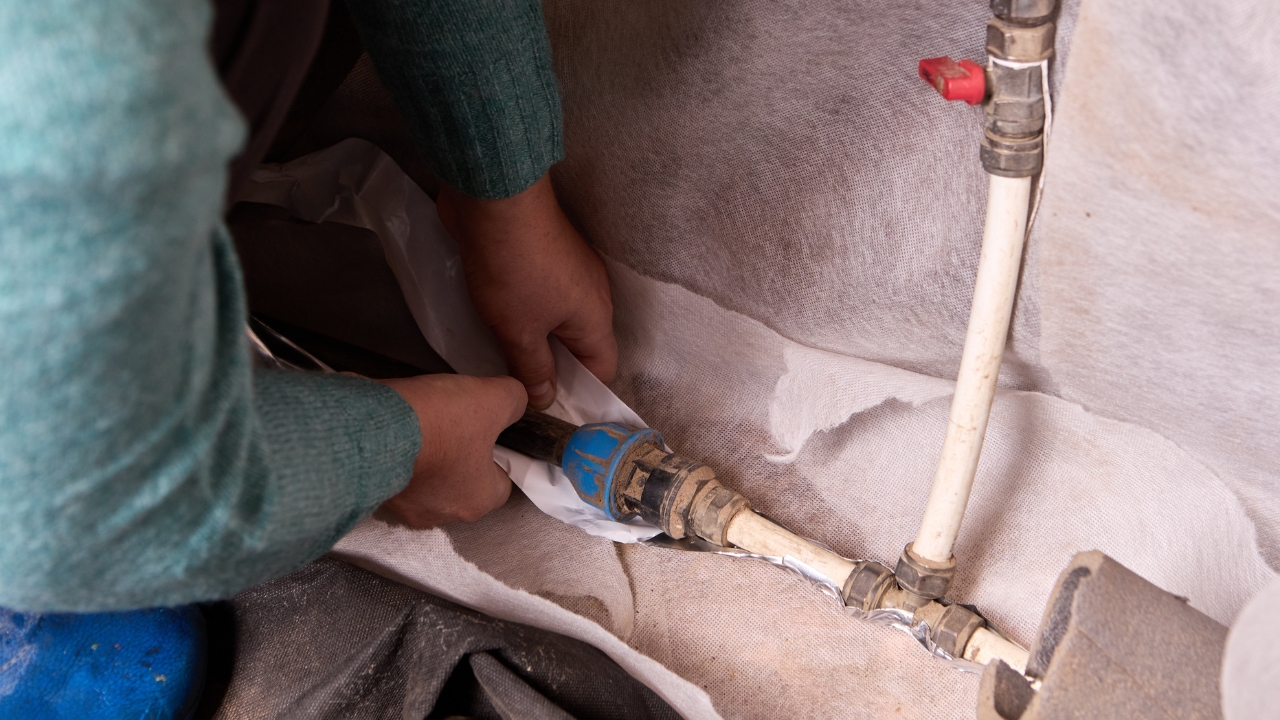
Hot water lines will naturally feel warm, but cold lines shouldn’t. If you touch a cold line and it’s oddly warm or vibrating, that could be a sign of hot water backflow or a leak somewhere nearby.
This often shows up when hot and cold lines are too close together or when there’s a pressure issue in the plumbing. It’s subtle, but it’s one of those things that tells you something’s not working right.
*This article was developed with AI-powered tools and has been carefully reviewed by our editors.