10 Spring Home Repairs That Get Way More Expensive If You Wait
Spring gives you a short, forgiving window to catch small problems before heat, storms, and humidity turn them into budget wreckers. Ignore that window, and several common repairs can balloon from a few hundred dollars into five‑figure emergencies that hit your savings and your home’s value. By tackling a focused list of maintenance jobs now, you protect your biggest asset and avoid paying a premium later for the same issues.
The most expensive disasters usually start as quiet, fixable annoyances: a hairline crack in the basement, a bit of peeling caulk, a slow drain, a noisy fan. You save real money when you treat those as early warning signs instead of background noise. Below are ten spring repairs that become dramatically more expensive if you let them slide.
1. Foundation cracks that spread into structural failures
Hairline cracks in your slab or basement walls can look harmless in spring, especially when everything is dry and temperatures feel mild. In reality, they are often the first sign that your foundation is shifting or that water is pressing against your walls. Once movement starts, it rarely fixes itself. Industry data on Foundations shows that repairs can range from $2,200 for relatively simple work to $30,000 or more when your home’s structure is damaged, which is why you want to act while the problem is still in the “minor” category.
In spring, wet soil, clogged gutters, and poor grading can all push more water toward your foundation and turn small cracks into wider gaps. One specialist explains that Filling a few cracks is cheap, but lifting a sunken structure or correcting major structural shifts can run into thousands of dollars, with a settling foundation corner alone potentially costing $5,000 or more. When you see doors sticking, new diagonal cracks above windows, or gaps opening between walls and floors, you are already in the danger zone. Spring is the time to walk your perimeter, check for new movement, redirect water away from the house, and bring in a foundation pro before those numbers become your reality.
2. Roof leaks that quietly soak your attic
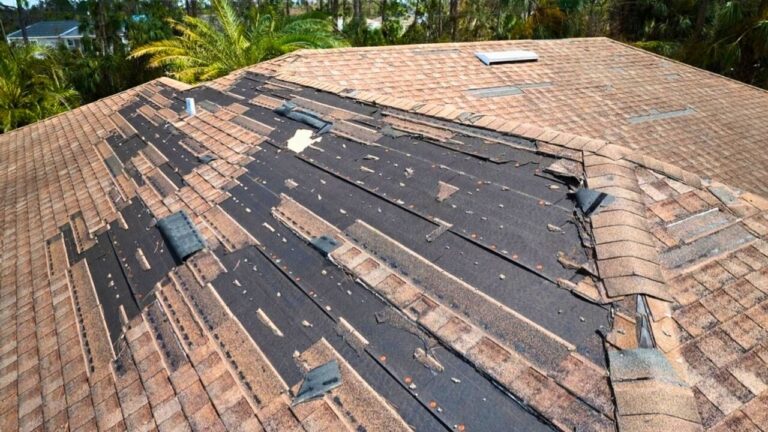
By the time you see a brown stain on your ceiling, water has probably been sneaking in for months. A small leak around a lifted shingle or flashing can be patched for relatively little if you catch it early in spring, before heavy summer storms arrive. One guide on costly fixes notes that when you ignore early warning signs, the damage spreads into underlayment, insulation, and framing, which can turn what started as a minor patch into a full Roof replacement that ranks among the most expensive home repairs.
Moisture that lingers in your attic also invites mold, chews through drywall, and can even compromise electrical systems that run through those spaces. Another advisory aimed at urgent projects explains that a small roof leak may look harmless, but by the time you notice water, it often means water has been intruding long enough to rot wood and saturate insulation, and even a single crack can create serious instability in the roof structure. When spring arrives, you protect yourself by inspecting shingles from the ground with binoculars, checking the attic for damp insulation or daylight through nail holes, and repairing loose flashing before the first big thunderstorm turns a $300 fix into a multi‑thousand‑dollar rebuild.
3. Clogged gutters that flood your foundation and siding
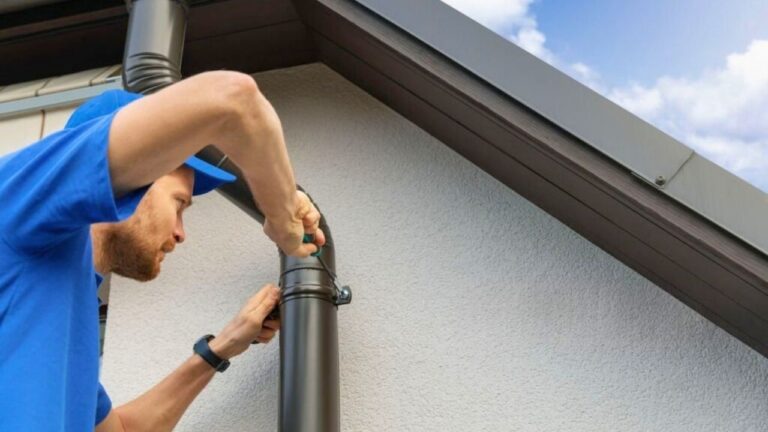
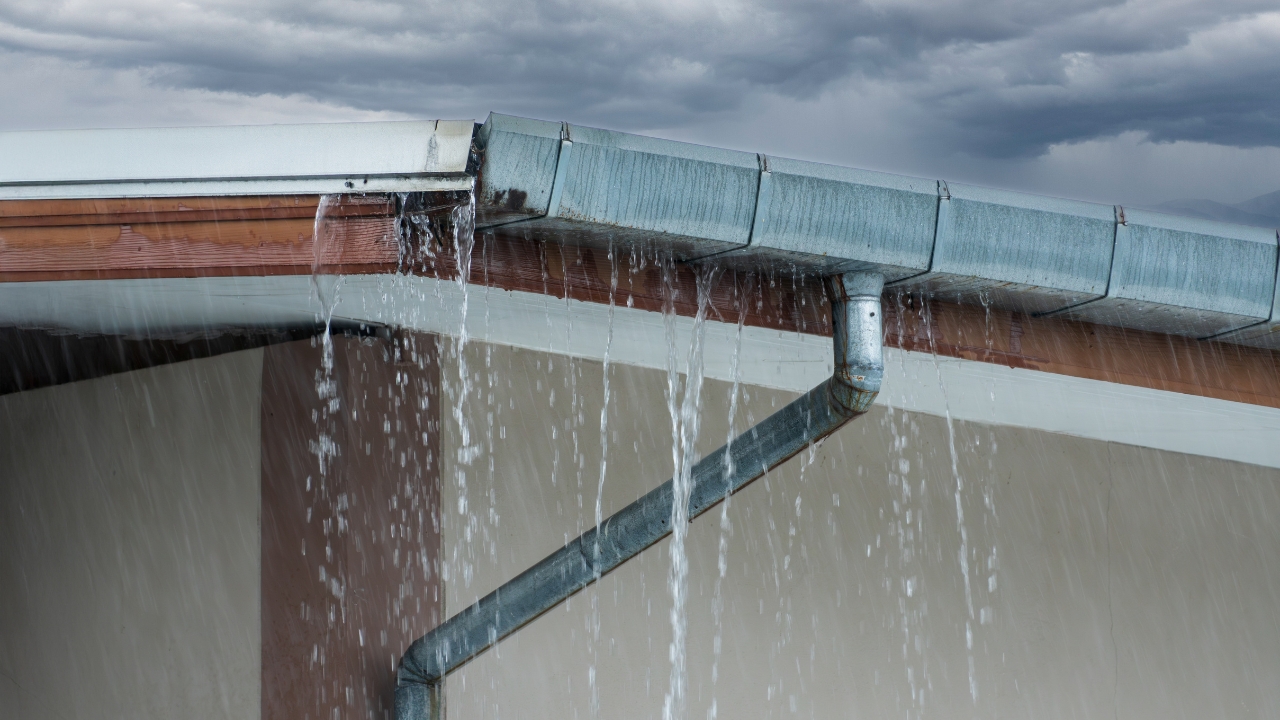
Gutters rarely feel urgent, which is why you might push them down your spring to‑do list. That is a costly mistake. When gutters and downspouts fill with leaves and grit, water spills over the edges and runs straight down your siding, windows, and foundation. One breakdown of Maintenance costs points out that a few hours on a ladder cleaning gutters can save you from repairs that climb into tens of thousands of dollars if water infiltrates walls or undermines your structure.
Recent reporting on Most Commonly Ignored lists Clogged gutters and downspouts as prime offenders, because they redirect water toward the foundation instead of away from it and allow small gaps to go unsealed for months. Once water starts pooling near your house, it can seep into basements, crack slabs during freeze‑thaw cycles, and feed mold growth behind finished walls. Spring is the ideal moment to Clean the gutters, extend downspouts at least several feet from the house, and confirm that water flows freely away from your foundation so you do not end up paying for excavation, drainage systems, and interior remediation later.
4. Exterior caulk and paint that let water sneak inside
Winter is hard on your exterior shell. Caulk shrinks and cracks, paint peels, and tiny gaps open up around windows, doors, and siding joints. Leave those gaps through a rainy spring, and water will find its way into your walls. A seasonal checklist advises you to Check windows and doors for drafts and Seal gaps and cracks as part of your spring routine, and real estate advisor Julie Brittain Sutter in Atlanta specifically highlights how these small openings can drive up energy bills and allow moisture intrusion if you ignore them.
Energy experts also recommend that in spring or fall you Check the outside of your home and recaulk under and over windows, beside doors, and where siding meets trim. If you skip this, water can swell wood frames, rust fasteners, and rot sheathing, which eventually forces you into full window or siding replacement instead of a simple tube of caulk and a quart of paint. Combined with more frequent severe storms and river flooding that place spring in a high‑risk category for extreme events, as climate researchers have documented, those neglected gaps become very expensive entry points for wind‑driven rain.
5. HVAC neglect that ends in a full system replacement
Your heating and cooling system typically runs hardest from late spring through early fall, which is why neglecting it in March or April is so risky. Dirty filters, blocked vents, and worn belts force the blower and compressor to work harder, which shortens the life of the entire unit. One analysis of hidden issues notes that Dirty filters, blocked vents, worn components, and aging parts not only drive up energy costs but also accelerate breakdowns and degrade the air families breathe every day.
Replacement of a full HVAC system ranks near the top of big‑ticket home repairs, often trailing only foundation work and roof replacement in cost. A ranking of the most expensive fixes lists HVAC system replacement right behind foundation and Roof projects, which underscores how much you stand to save by doing simple maintenance. Spring is the right time to change filters, vacuum return grilles, clear debris from around the outdoor condenser, and schedule a professional inspection before peak cooling season. If you delay until the first heat wave, you pay more for emergency service and risk being told that your only option is a full replacement instead of a repair.
6. Plumbing drips and slow drains that turn into water damage
That slow drip under the sink or the tub that takes a bit longer to empty rarely feels like a crisis. In reality, plumbing problems escalate quietly behind walls and under floors, where you cannot see the damage until it is extensive. Lists of big‑ticket repairs consistently include Plumbing failures among the top items, because a burst pipe or hidden leak can require demolition of drywall, replacement of flooring, and mold remediation in addition to the plumbing fix itself.
Another breakdown of the most costly jobs explains that water damage from failed pipes or supply lines can reach tens of thousands of dollars in repairs, especially when it spreads across multiple rooms. A separate guide on expensive repairs notes that electrical issues average about $3,300, and water often plays a role in those failures as well, which is why you want to Reduce the chances of moisture reaching wiring. Spring is a smart time to run every faucet, open every cabinet, inspect supply lines, and snake slow drains before warm‑weather guests and heavier water use push your system over the edge.
7. Water heater sediment that destroys the tank
Your water heater works quietly in a closet or garage, so it is easy to forget about it until you wake up to a cold shower or a flooded floor. Over time, minerals and debris settle at the bottom of the tank, which forces the burner or elements to work harder and eventually corrodes the metal. Financial guidance on annual tasks advises you to Avoid Buildup in Your Hot Water Heater It is recommended to drain a gallon of water from your hot water heater a few times a year, and the cost to maintain is free if you do it yourself.
Service professionals echo that advice, explaining that periodically flushing the tank is an integral part of the process because it helps remove sediment that can corrode your tank and make it work less efficiently. One provider notes that this step helps extend the life of the water heater and ensure it performs efficiently, which can delay the need for a new unit by years. When you skip that step through multiple springs, you move much faster toward a full replacement, which can be a major hit to your budget if the failure is sudden and causes water damage. Spring is the perfect time to shut off power or gas, attach a hose, and drain that gallon or more until the water runs clear.
8. Windows, doors, and insulation that leak energy
Spring temperatures can hide how much energy you are losing through gaps and poor insulation, because your heating and cooling system is not yet under peak load. That is precisely why you should tackle drafts now. Seasonal guidance encourages you to Seal gaps and cracks around windows and doors in Spring, and Julie Brittain Sutter in Atlanta notes that this step improves comfort and lowers utility bills before extreme temperatures arrive.
Major repair lists rank Window replacement among the priciest projects, especially when you replace multiple units at once. If you ignore failing seals and rotted sills, you may have no choice but to do exactly that. In contrast, a few tubes of caulk, some weatherstripping, and a weekend of work can buy you several more years from existing windows and doors. Energy experts also recommend caulking the outside of your home in spring, including under and over windows and in areas where siding meets trim, to lower heating and cooling costs over the long run. You save twice: first on utilities, and later by postponing or reducing the scale of expensive replacements.
9. Spring maintenance that prevents the next big-ticket repair
Spring is not just a season of repairs, it is your best opportunity to prevent the next wave of expensive problems. One detailed guide to Spring Home Maintenance Spring Weather urges you to use the milder days to inspect your roof, siding, and yard, test exterior faucets and irrigation systems, and clear debris before storms arrive. Another resource on Spring Home Maintenance explains that the milder days of spring are a perfect time to do a thorough spring cleaning and perform home maintenance that can help keep your property in good shape and your costs lower over the long run.
Lists of the most expensive fixes, such as those that place Here Foundation repair, roof replacement, and Heating or AC repair at the top, all share the same message: most of these nightmares start as small, preventable issues. Another breakdown from Aug on the 10 most costly notes that some problems, like sewer line failures, can climb to as much as $15,000 or $20,000 if you do not intervene early. A separate ranking from Sep on Most Expensive Home explains that if issues are not addressed early on, they can escalate from tiny holes in the drywall or hairline cracks into full structural and systems failures. When you commit to a focused spring routine, you turn that pattern around and keep your home in the category of manageable maintenance instead of catastrophic repair.
Like Fix It Homestead’s content? Be sure to follow us.
Here’s more from us:
- I made Joanna Gaines’s Friendsgiving casserole and here is what I would keep
- Pump Shotguns That Jam the Moment You Actually Need Them
- The First 5 Things Guests Notice About Your Living Room at Christmas
- What Caliber Works Best for Groundhogs, Armadillos, and Other Digging Pests?
- Rifles worth keeping by the back door on any rural property
*This article was developed with AI-powered tools and has been carefully reviewed by our editors.