10 Spring Pest Problems That Start Small and Get Out of Control
Spring brings longer days and greener views, but it also flips the switch on a surge of pests that start quietly and then explode in number. A few stray insects in March or April can turn into damaged wood, itchy bites, or contaminated food by early summer if you shrug them off. When you understand which spring invaders tend to snowball and how they operate, you can step in early and keep those small problems from taking over your home and yard.
The ten pest problems below all share one pattern: they begin with a handful of insects or a tiny nest that looks harmless. By the time you see obvious damage, you are often dealing with colonies in your walls, swarms in your yard, or parasites on your pets. With targeted prevention and a fast response, you can break that cycle and keep spring growth where it belongs, in your garden rather than in an infestation.
1. Termites That Eat First and Reveal Themselves Later
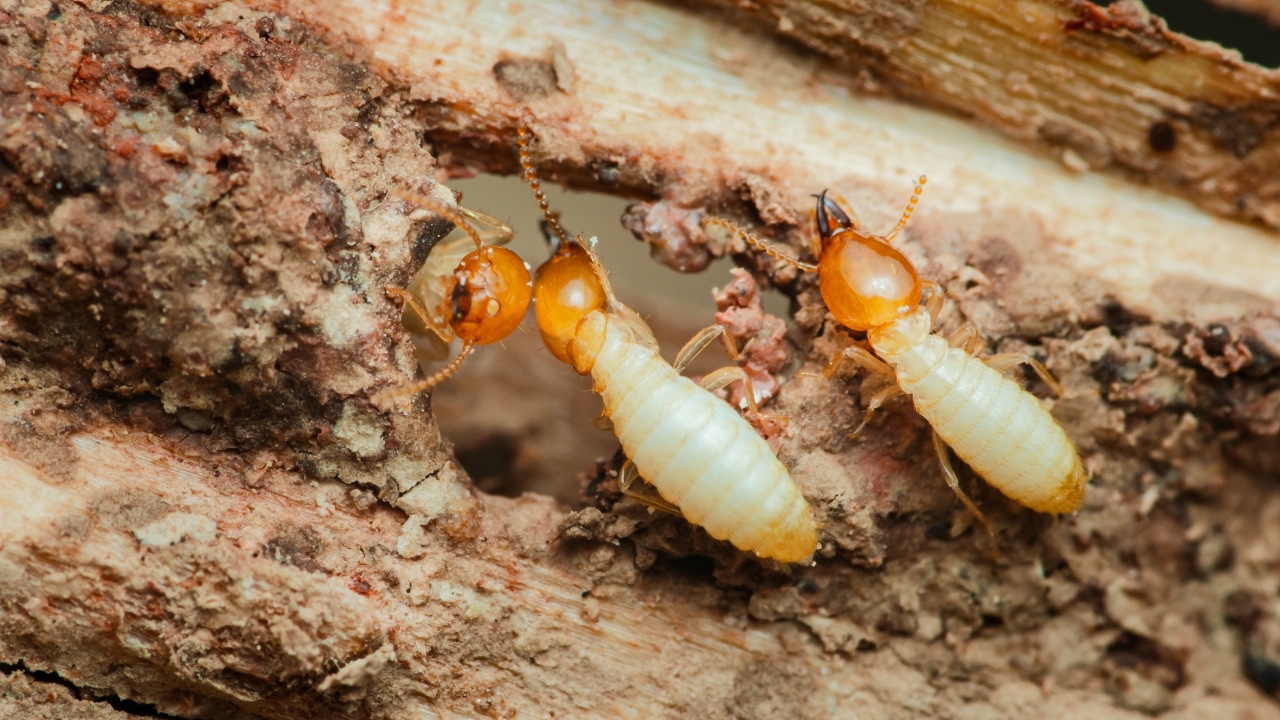
When it comes to spring pests that escalate quietly, termites are in a league of their own. You usually do not see them until they have already chewed through structural wood, trim, or floor joists. Because termites eat wood from the inside out, paint can look intact while the material behind it is hollowed. As temperatures rise, they begin to swarm, mate, and expand into new areas of your home, which is why spring is often called termite swarm season. You might only notice a few discarded wings on a windowsill, yet inside the walls, the damage can be extensive.
Many colonies live in soil or hidden voids and then tunnel into the building, so you rarely see an obvious nest. One professional guide notes that Spring is prime time for these pests to emerge, mate, and start new colonies inside wooden structures. Another source explains that Termites eat wood and can cause extensive structural damage to your building before you even know they are there. Because pests like termites have short breeding cycles, one report stresses that catching early signs such as droppings, frass, or faint tapping sounds Prevents Escalation before what begins as a minor issue turns into a large scale infestation.
2. Carpenter Ants That Turn Damp Wood Into Highways
Carpenter ants are another spring problem that can look minor at first and then expand into a full network inside your walls. You might see a few large black ants in the kitchen or near a window and assume they wandered in from the yard. In reality, carpenter ants often establish satellite colonies in moist or decaying wood, then carve galleries that weaken framing and trim. Unlike termites, they do not eat the wood, but the tunnels they create can be just as destructive over time.
One pest guide highlights that Carpenter ants tend to form colonies in walls and create tunnels within wood, which means a few visible workers often signal a larger hidden population. Another source describes carpenter ants as big and bold, capable of causing structural issues if you let them keep chewing through damp areas around sinks, basements, or roof leaks, and groups them with other spring Common Insects. A separate spring pest overview notes that ants are often among the first invaders when weather warms, and that a single female can lay up to 500 eggs over her lifetime, which is how a few ants in spring become a full blown infestation by summer if you do not intervene.
3. Mosquitoes That Explode After A Little Standing Water
Mosquitoes often feel like a summer problem, yet the groundwork for their explosion starts in spring. All they need is a bit of standing water in a clogged gutter, a forgotten bucket, or the saucer under a plant to begin breeding. Warmer temperatures and spring rains give them ideal conditions to multiply, and you might not notice the larvae at all before adults begin biting you and your family. Beyond the annoyance, mosquitoes can carry diseases that affect both humans and pets.
One spring pest guide notes that as the weather warms up, Mosquitoes take advantage of standing water and their population explodes in the spring. Another source explains that warmer temperatures, spring rains, and abundant food sources trigger pest activity, breeding, and population growth, and recommends that you Warmer weather by eliminating standing water and using plants or outdoor fans to deter mosquitoes. A long form look at how these insects affect people globally underscores that mosquitoes have changed human history in profound ways, which is why even a small local spike in bites around your yard should push you to act quickly and not treat them as a minor seasonal nuisance.
4. Ticks And Fleas That Turn Pets Into Pest Carriers
Ticks and fleas rarely arrive in overwhelming numbers on day one. You might find a single tick after a hike or notice your dog scratching a little more than usual. Both pests, however, are designed to multiply fast once they find a warm host and a sheltered home. Ticks can transmit illnesses, and fleas can trigger allergic reactions and spread through carpets, bedding, and upholstery. If you do not respond early, you can end up treating your entire house rather than just your pet.
One spring pest breakdown explains that typical spring pests are mosquitoes and ticks, ants, fleas, wasps, spiders, Spring Pests and centipedes and millipedes, and stresses that warmer temperatures can make them even more active in a given year. Another section from the same source notes that Ticks climb trees and grasses, so you need to think like a tick and treat tall grasses and ornamental shrubbery where they wait for passing hosts. A separate guide describes Fleas as tiny jumpers with a taste for your pets and notes that once they are in, they are tough to bounce, since sneaky hitchhiking on animals or clothing lets them spread quickly through your space.
5. Wasps And Queens That Build From Tiny Nests
Wasps often start spring with a single queen and a golf ball sized nest tucked under an eave, in a soffit, or in a wall void. At that stage, you might see a few wasps scouting your deck and decide to ignore them, especially if they are not aggressive yet. As weeks pass, that early nest can grow into a large paper structure filled with workers that defend it vigorously. By midseason, a nest that seemed too small to worry about can make your porch or play area unusable.
One spring FAQ explains that Wasps and queens that overwintered in your attic, soffits, or wall voids are ready to build a brand new nest right above your front door as soon as temperatures rise. Another regional guide notes that Paper wasps and yellowjackets create early nests that might seem small now, but if you ignore them they grow rapidly through summer. A broader spring pest overview groups ants, bees, and wasps together as insects that serve a purpose outdoors but become a serious problem when they nest in or on your home, which is why early removal or professional treatment is safer than waiting to see whether the nest will stay small.
6. Ant Trails That Lead To Full Kitchen Takeovers
Household ants usually announce themselves with a few workers scouting your counter for crumbs or moisture. You might wipe them away and move on, only to find a full trail marching from a wall crack to your pantry within days. Ants communicate using pheromones, so once a worker finds food, it leaves a chemical path that recruits more ants. As temperatures rise, they move indoors in search of sweets, grease, and water, and a small spill or unsealed box can sustain a large colony.
One spring pest guide lists ants among the first insects to emerge and invade homes when weather warms, and notes that they are drawn to accessible food sources if spills are not promptly cleaned. Another source explains that typical spring pests include ants that often invade your kitchen in the spring, and stresses that food hygiene is key to Watch Out For by sealing entry points and keeping these pests at bay. A separate prevention guide urges you to Transform your kitchen into a pest resistant zone by storing pantry items in sealed containers and addressing spills immediately, which cuts off the food trails that let a few ants become a constant stream.
7. Cockroaches That Thrive In Hidden Cracks
Cockroaches are notorious for appearing at night and hiding during the day, so you might only see one or two when you flip on a light. That lone roach is often a sign of a larger problem behind appliances, inside cabinets, or in wall voids. Cockroaches reproduce quickly, adapt to many treatments, and can trigger asthma and allergies with their droppings and shed skins. Once they find steady food and water, they can be very difficult to remove without a coordinated plan.
One detailed guide on spring pests explains that Cockroaches are one of the most difficult insects to get rid of in the spring months because they reproduce quickly and are highly resilient. Another source that focuses on early warning signs notes that pests like rodents, termites, and cockroaches have remarkably short breeding cycles, and that Pests with these traits can evolve into a large scale infestation if ignored. Because roaches often exploit small cracks and gaps, another spring preparation checklist advises you to Inspect your home for openings around windows, doors, and foundations and use caulk or weatherstripping to seal them before roaches and other insects turn those gaps into permanent entry routes.
8. Rodents That Turn One Entry Point Into A Network
Rats and mice are active year round, but spring yard work and home projects often reveal the first signs that they have moved in. You might see a single dropping in the garage, hear faint scratching in a wall, or notice gnaw marks on stored boxes. Because rodents are curious and persistent, they only need one small gap to start exploring your interior. Once they establish a path, they can contaminate food, chew wiring, and spread parasites in a surprisingly short time.
One rodent focused guide explains that what begins as a single entry point can quickly turn into a widespread infestation if left unaddressed, especially when you do not seal that opening or remove the food source that attracted them in the first place. Another spring prevention checklist recommends that you Seal cracks in your foundation, store firewood 20 feet from your home, and keep mulch at least six inches away from your foundation so rodents and insects have fewer hiding spots next to your walls. A separate tip list adds that you should Keep firewood at least 20 feet away from your home and elevated off the ground, since stacks of wood close to the house can shelter rodents and insects that then move indoors.
9. Overlooked “Nuisance” Bugs That Suddenly Swarm
Some spring pests do not bite or sting but still create big headaches when they show up in large numbers. Boxelder bugs, stink bugs, centipedes and millipedes often overwinter in walls, attics, or nearby vegetation, then emerge when temperatures rise. You might see a few on a sunny exterior wall or in a basement corner and dismiss them as harmless. If you do not address the conditions that attract them, you can end up with dozens or hundreds clustering on siding, windows, or inside living spaces.
Like Fix It Homestead’s content? Be sure to follow us.
Here’s more from us:
- I made Joanna Gaines’s Friendsgiving casserole and here is what I would keep
- Pump Shotguns That Jam the Moment You Actually Need Them
- The First 5 Things Guests Notice About Your Living Room at Christmas
- What Caliber Works Best for Groundhogs, Armadillos, and Other Digging Pests?
- Rifles worth keeping by the back door on any rural property
*This article was developed with AI-powered tools and has been carefully reviewed by our editors.