10 Spring Projects That Look Easy Until You Do Them Wrong
Spring has a way of making every task look simple, from scrubbing baseboards to refreshing your lawn. You feel the urge to tackle it all at once, only to discover that the “easy” projects are exactly where small mistakes turn into expensive problems. When you understand where those projects typically go wrong, you can keep your weekend to-do list from becoming a summer of repairs.
The key is to treat each spring job as real maintenance, not a quick cosmetic touchup. By slowing down, planning properly, and following the same habits professionals rely on, you protect your home, your time, and your budget from the quiet damage that careless shortcuts create.
1. Spring cleaning that hides grime instead of removing it
When you finally open the windows and start spring cleaning, it is tempting to sprint through the house with a spray bottle and a playlist. If you only skim surfaces, you push dust and grease into corners, vents, and fabrics where it keeps irritating allergies and dulling finishes. Professional organizers warn that people also misjudge how much they own, clearing counters into random bins that later become clutter magnets instead of a fresh start.
Cleaning specialists note that the awkward areas that matter most, such as ceiling fan blades, baseboards behind furniture, and the tops of cabinets, are often skipped, while strong products get left on too long and damage finishes. Advice on spring cleaning highlights how shortcuts like spraying cleaner directly on electronics or wood can leave streaks and residue that attract more dust. You get better results if you work room by room with a checklist, declutter before you scrub, and use microfiber cloths with mild solutions so you actually remove grime instead of moving it around.
2. Decluttering that just reshuffles your stuff
Clearing out closets and storage in spring should make your home lighter, yet it often turns into a game of musical chairs where items simply move from one overstuffed bin to another. When you declutter without a plan, you buy more containers than you need, stash them in a basement or garage, and end up with extra plastic and the same amount of chaos. That pattern shows up clearly in advice from organizing professionals who see clients purchase stackable bins, fill them in a rush, then forget what is inside until the next year.
Organizing experts such as Amy Trager recommend deciding first what will leave your home, then choosing storage that fits what remains instead of the other way around. Following that order helps you avoid the trap of buying solutions that only hide clutter. Product reviews for items like the Five Below stackable show that containers work best when you label them clearly and store them where you actually use the contents. If you edit ruthlessly, sort by category, and commit to regular donation runs, your spring decluttering finally reduces what you own instead of just rearranging it.
3. “Easy” lawn refreshes that damage your yard
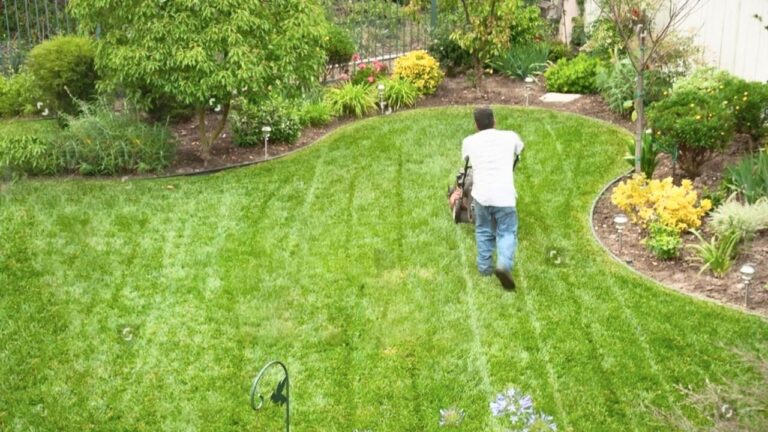
A patchy lawn after winter can make you reach for seed, fertilizer, and a rented aerator in one energetic weekend. Without understanding your soil and timing, though, you can compact the ground, waste product, and encourage weeds. Landscaping guidance that tells you to dethatch, roll, and only after the ground has hardened exists for a reason. Working the lawn while it is still soft leaves ruts and smears soil structure, which then holds water poorly and stresses roots.
Once the weather settles, you get better results if you test your soil, adjust pH, and overseed selectively instead of blanketing the entire yard. Resources that urge you to plan spring landscaping around healthy turf also remind you to sharpen mower blades and set them higher so you do not scalp grass and invite crabgrass. Visual guides to common weeds help you distinguish between plants you can pull by hand and infestations that need targeted treatment. When you respect the calendar and the biology under your feet, your lawn project stops being trial and error and starts paying off all summer.
4. Flower beds that look good now and fail by July
Planting color around your house might be the most satisfying spring project, which is exactly why you can underestimate how technical it is. If you shop by impulse instead of plan, you grab whatever blooms look brightest, ignore mature size and sun needs, and crowd them into beds where they struggle once temperatures rise. That is how you end up with towering plants blocking windows, thirsty varieties in dry corners, and a garden that peaks for two weeks and then fades.
Landscape designers who offer simple front yard repeatedly stress the value of mapping your sun patterns and layering heights before you buy a single plant. You get more lasting impact if you mix shrubs, perennials, and annuals instead of relying on one type. Practical guides to plants to prune also remind you that some species need a trim before they leaf out, while others should wait until after flowering. When you check plant tags, give roots room to grow, and plan for how the bed will look in August instead of April, you avoid the classic mistake of building a garden that only works on planting day.
5. Exterior “touchups” that ignore real maintenance
Spring is when you finally see what winter did to your siding, trim, and outdoor furniture. It is easy to grab a pressure washer and blast away dirt, yet that approach can drive water behind siding, strip paint, and scar softer woods. Home maintenance guides warn that people also forget basic inspection, such as looking for peeling caulk around windows or checking whether gutters pulled away from fascia during storms.
Advice on spring home maintenance explains that skipping routine checks for pests, rot, and hairline cracks allows small problems to grow into structural damage. If you clean gently with the right nozzles, reseal exposed wood, and clear debris around your foundation, you reduce the risk of moisture and insects moving in. Retailers that focus on home goods, such as Cotswold Co, build entire product lines around durable outdoor pieces because they know that sun and rain punish cheaper finishes. When you treat exterior work as preservation instead of cosmetics, your house holds its value and your weekends stay calmer.
6. DIY repairs that ignore what is behind the wall
Once the weather improves, you might decide to fix that loose railing, hang a new TV, or dig a trench for garden lighting. If you drill, cut, or dig without checking what is behind the surface, you risk hitting electrical lines, plumbing, or gas. A breakdown of common home repair lists scenarios where nailing, drilling, or digging into hidden systems leads to leaks, outages, and safety hazards that cost far more than the original project. That same guidance also reminds you that ignoring building codes and permitting requirements can void insurance coverage if something goes wrong.
Smart homeowners treat even “simple” repairs as work that interacts with a complex structure. You protect yourself by using stud finders, checking for electrical boxes, and calling utility location services before you dig. When you understand the possible consequences listed in tables such as The High Cost of Home Repair Mistakes, you are far more likely to slow down and hire a licensed professional for anything that touches gas or main electrical service. That mindset turns spring from a season of risky improvisation into one of thoughtful upgrades.
7. “Simple” remodels driven by Bad planning
Spring often inspires you to start interior remodels, from swapping cabinets to opening up a wall. The most expensive mistake in those projects usually happens before you lift a hammer. Homeowners who jump in without a clear goal or budget fall into what one remodeling expert bluntly calls Bad planning. When you cannot answer “Why are you remodeling, what’s the purpose?” in specific terms, you chase trends that make a space different instead of better. That is how you end up replacing functional storage with open shelving that does not suit your family or installing finishes that clash with the rest of the house.
The same expert warns that poor planning around plumbing and electrical, especially under sink plumbing, leads to leaks and code violations that are expensive to fix once walls close back up. Stories that end with “Happened to my friend” usually start with skipping drawings, measurements, and contingency funds. If you define your goals, map traffic patterns, and build a detailed scope before you order a single tile, you avoid the trap of half-finished rooms and blown budgets. Treat your remodel like a project manager would, with timelines and milestones, and spring becomes the season you finally complete upgrades instead of starting another long-term mess.
8. Storage and decor buys that solve the wrong problem
Retailers know you are eager to refresh your home in spring, which is why you see coordinated bins, baskets, and seasonal decor everywhere. If you buy on impulse, you often choose pieces that look good in a catalog but do not fit your space, habits, or climate. Furniture brands such as Cotswold Co highlight sturdy materials and classic lines because flimsy items weather poorly and go out of style quickly. When you ignore that lesson and chase every new trend, you fill your rooms with short-lived pieces that add clutter instead of function.
You also run into trouble when you treat decorative storage as a magic fix for disorganization. Professional organizers like Amy Trager emphasize that containers should support systems you already use, not create new ones that are too complicated to maintain. If you buy lidded boxes for items you reach for daily, you will stop using them within weeks. A better approach is to study how you live, then choose open baskets, hooks, or shelving that match those patterns. When your spring purchases are guided by behavior instead of mood, you avoid the quiet waste of beautiful things that never quite work.
9. Overcommitting your weekends and underestimating the cost
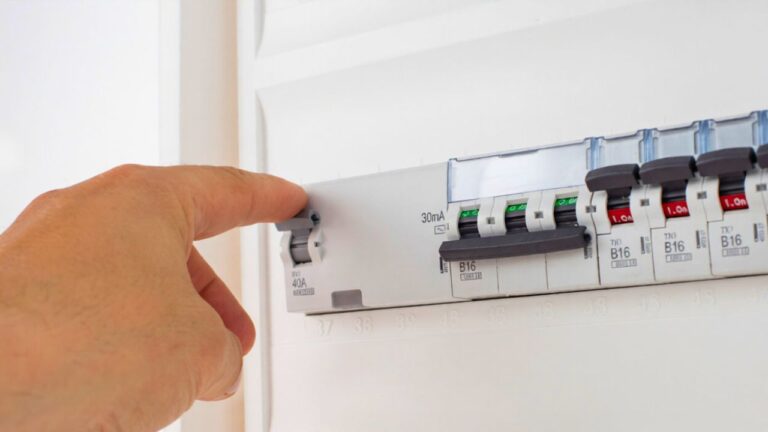
The final spring project mistake does not involve a tool at all. You can sabotage your progress simply by stacking too many tasks into too few weekends. When you assume every job will go smoothly, you skip contingency time, ignore fatigue, and start cutting corners to finish. That is when you forget safety steps like shutting off breakers, lifting with your legs, or wearing eye protection, which is how minor projects turn into injuries or damaged materials.
Home maintenance breakdowns such as The High Cost of Home Repair Mistakes show in their Area of Repair tables that rushing often multiplies costs. When you underestimate how long prep work takes or how many supplies you need, you end up making extra trips, paying rush prices, or redoing sloppy work. If you instead choose one or two focused projects per weekend, build in time for cleanup, and keep a small contingency budget, you give yourself room to do things correctly. That discipline is what turns those deceptively simple spring jobs into upgrades you can be proud of when the season ends.
Like Fix It Homestead’s content? Be sure to follow us.
Here’s more from us:
- I made Joanna Gaines’s Friendsgiving casserole and here is what I would keep
- Pump Shotguns That Jam the Moment You Actually Need Them
- The First 5 Things Guests Notice About Your Living Room at Christmas
- What Caliber Works Best for Groundhogs, Armadillos, and Other Digging Pests?
- Rifles worth keeping by the back door on any rural property
*This article was developed with AI-powered tools and has been carefully reviewed by our editors.