10 Spring Storm Mistakes That Lead to Water in the House
Spring storms turn small maintenance gaps into expensive water problems faster than almost any other season. With melting snow, saturated soil, and heavy rain arriving in quick succession, you get a perfect mix of conditions that drive water toward every weak point in your home’s defenses. By avoiding a handful of common mistakes, you dramatically cut the odds that those storms end with water on your floors and walls.
Rather than treating spring leaks and basement floods as bad luck, you can see them as largely preventable. When you understand how water actually finds its way inside, you’re better able to fix small issues early, protect your belongings, and avoid the kind of structural damage that lingers long after the skies clear.
1. Ignoring how melting snow and spring rain team up
Many homeowners focus on heavy downpours as the main threat, but the real risk often comes from the combination of melting snow and repeated spring showers. As snowbanks shrink, that meltwater saturates the ground around your foundation, then new rainstorms arrive before the soil can drain. Reporting on spring maintenance warns that melting snow and together create ideal conditions for water to seep into basements and crawl spaces.
When you treat each storm as an isolated event, you miss how this cumulative moisture builds pressure on your home. The same coverage explains that this seasonal pattern often exposes unexpected damages within, especially in areas that already have minor leaks or poor ventilation. If you live where snowpack lingers, you need to think about where that water will go as temperatures rise, not just whether the next rainstorm looks intense on radar.
2. Letting gutters clog and downspouts dump at the foundation
One of the fastest ways to invite water inside is to let your gutters clog with leaves, grit, and roof debris right before storm season. Once gutters overflow, water sheets down exterior walls and pools along the foundation instead of being carried safely away. Specialists on spring maintenance describe a clogged gutter system as a leading cause of early season water problems, because that overflow can force moisture through siding, window frames, and foundation cracks.
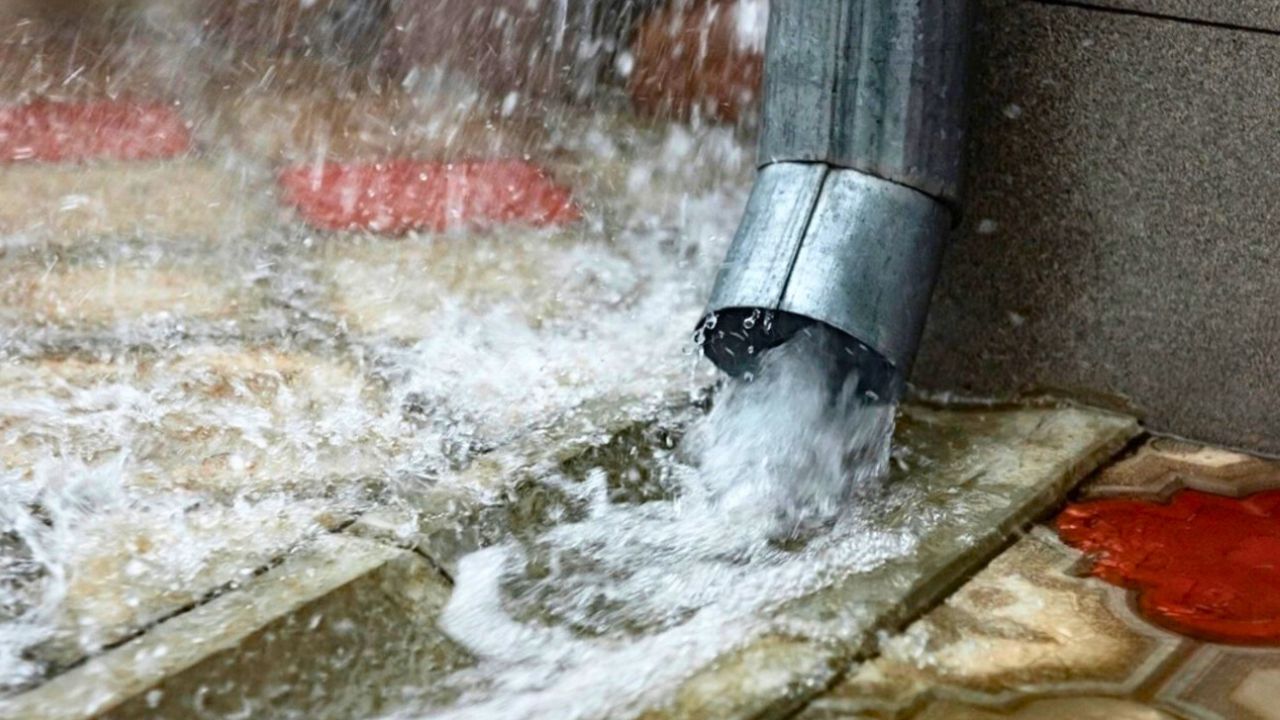
Clean gutters alone are not enough if downspouts end right beside your house. Guidance from Colorado insurance professionals stresses that you should clean gutters and extend downspouts several feet away to protect from flooding around the perimeter. By adding simple splash blocks or extensions so water discharges on a slope that falls away from your walls, you prevent hundreds of gallons from soaking the same strip of soil during every storm.
3. Forgetting that grading decides where the water goes
You may rarely look closely at how your yard slopes, yet that subtle grading often decides whether spring water ends up in your lawn or in your basement. When the ground tilts toward your house, surface water from rain and melting snow naturally flows against the foundation and then looks for any path inside. Restoration experts warn that improper grading is a quiet but powerful driver of moisture problems, especially before the spring thaw when soil is already saturated.
Financial and insurance analysts echo that risk and advise you to strategically grade landscaping so it slopes away from the structure on all sides. Walking your property after a storm and watching where water actually runs helps you spot low spots that need additional soil, reworked beds, or a shallow swale. That modest weekend project often costs far less than a single insurance deductible and directly reduces the hydraulic pressure against your basement walls.
4. Overtrusting a sump pump that has never been tested
Relying on a sump pump you never test is another common spring mistake, especially if your basement has stayed dry for a few years. Heavy storms can push groundwater levels high enough that your pump must run almost constantly to keep up, and if it fails at that moment you can go from dry floor to standing water in a single night. Plumbing specialists explain that sump pump failures often stem from power outages, overworked or undersized sump pumps, and lack of backup power, which together can lead to thousands of dollars in water damage.
Other plumbing guidance on basement flooding points out that sump pump failure is one of the most common triggers of sudden basement floods during a week of heavy rain. You protect yourself by pouring water into the pit before storm season to confirm the float engages, checking that the discharge line is clear and not frozen, and considering a battery or generator backup if your area loses power easily. Treat the pump as active infrastructure, not a forgotten appliance in the corner.
5. Overlooking foundation cracks and basement entry points
Hairline cracks in your foundation or basement slab may look cosmetic in dry weather, but they can turn into direct channels for spring storm water. As soil becomes saturated, hydrostatic pressure pushes moisture through any weakness in concrete or masonry. Multiple spring flooding guides explain that basements often flood because of this combination of saturated ground, poor drainage, and existing cracks that were never sealed.
Specialists who focus on basement egress systems add that collapsed or clogged and neglected window wells let water collect right against foundation walls and window frames. If you ignore those areas, water can bypass your sump entirely and seep through joints, mortar lines, or gaps around egress windows. A careful inspection along interior walls, especially near corners and window wells, lets you spot damp spots early and decide whether simple sealant or professional waterproofing is appropriate.
6. Treating roofs, siding, and openings as afterthoughts
While basements draw most of the attention, many spring leaks start higher up when wind and hail compromise your roof and exterior. Strong seasonal storms can tear shingles, loosen flashing, and drive rain under siding, then gravity carries that water into wall cavities and ceilings. Disaster recovery specialists describe how a spring storm cause can include roof or structural damage to your walls from a fallen tree or high winds, and those openings give water a direct path inside long before you see stains.
Even without dramatic roof damage, small gaps around windows and doors can let wind driven rain sneak indoors. Guidance on storm preparation stresses that sealing doors and with fresh caulk and weatherstripping reduces those entry points for water. A simple checklist that pairs visual roof inspection with a bead of caulk around suspect trim can prevent both obvious drips and slow, hidden moisture that feeds mold.
7. Underestimating how much water your basement can attract
Basements have a unique relationship with spring storms because they sit below grade, right where groundwater and runoff concentrate. Inspectors in northern regions report that flooded basements from and poor drainage become a big problem when spring rains arrive on top of a thaw. If you store boxes, furniture, or electronics directly on the floor, you increase the odds that even a shallow water event turns into a major loss.
Water damage specialists also highlight that poor drainage outside and surface water leaking into the basement through walls or floor joints are among the most common reasons for flooding. Another national resource notes that surface water leaking spaces often traces back to overflowing gutters and missing sealant. By combining better exterior water management with simple interior steps such as shelving, raised platforms, and stored items in sealed bins, you reduce both the likelihood and the impact of water getting in.
8. Forgetting about crawl spaces and hidden moisture traps
If your home sits over a crawl space instead of a full basement, ignoring that area can quietly set you up for spring moisture problems. Low, unfinished spaces are especially vulnerable when storms drop heavy rain on already wet ground, and standing water under the house can damage framing, insulation, and mechanical systems. Contractors in Oklahoma describe how severe spring storms sweep the region every year and how pooling water under homes can create both immediate and long term issues, which is why they promote protect your Oklahoma season through crawl space encapsulation and drainage improvements.
Hidden moisture does not stop at the crawl space. Restoration specialists such as Yellow Van warn that inadequate ventilation and insulation can trap damp air behind walls and under floors, which is one of the ten causes of that often go unnoticed until mold or structural damage appears. When you pair spring storm moisture with closed off cavities and no airflow, you create a slow moving problem that lingers long after visible puddles are gone.
9. Treating spring water protection as an optional expense
Even if you understand the risks, it is easy to postpone water protection projects because they feel like optional upgrades rather than essential maintenance. Budgeting guidance for first time buyers calls out a specific mistake, saving no new owners make, which leaves them exposed when seasonal tasks like gutter cleaning, grading fixes, or sump pump service come due. When you treat those tasks as negotiable, you effectively gamble that your home will withstand another year of storms without incident.
Property restoration firms argue that planning for seasonal work is far cheaper than paying for emergency mitigation and repairs after water gets in. One spring focused guide recommends that you clear snow away from your foundation, keep exterior walls in good repair, and maintain drainage systems as part of a regular schedule, not a crisis response. By setting aside even a modest maintenance fund and mapping out these tasks before storm season, you turn water protection from a scramble into a routine and give spring storms far fewer ways to put water in your house.
Like Fix It Homestead’s content? Be sure to follow us.
Here’s more from us:
- I made Joanna Gaines’s Friendsgiving casserole and here is what I would keep
- Pump Shotguns That Jam the Moment You Actually Need Them
- The First 5 Things Guests Notice About Your Living Room at Christmas
- What Caliber Works Best for Groundhogs, Armadillos, and Other Digging Pests?
- Rifles worth keeping by the back door on any rural property
*This article was developed with AI-powered tools and has been carefully reviewed by our editors.