10 Spring Trimming Mistakes That Ruin Shrubs for the Whole Year
Spring trimming sets the tone for how your shrubs look and perform over the next twelve months. Cut at the wrong time, remove the wrong wood, or reach for the wrong tool, and you lock in problems that no amount of fertilizer or watering can fix later in the season. By spotting the most damaging habits before you start, you give your plants a full year of healthier growth, better blooms, and cleaner structure.
The biggest mistakes are rarely dramatic chainsaw disasters. More often, they are small, repeated choices like shearing a little tighter each year, snipping off buds without realizing it, or pruning on a warm winter weekend simply because you finally have time. Once you understand where those traps lie, you can still reshape overgrown shrubs, keep hedges tidy, and protect flower displays without sacrificing next year’s show.
1. Trimming at the wrong time of year
Timing is critical: cut at the wrong moment and you can ruin flowering for the entire season or push shrubs into weak, frost-tender growth. Many spring bloomers set their flower buds on last year’s wood, so when you trim hard in late winter or early spring you literally remove the flower show you were hoping to enjoy. Guidance on spring flowering shrubs explains that they should be pruned right after the blooms fade, because that is when they start forming buds for the following year.
Autumn pruning can be just as damaging when you cut simply because the garden looks messy. Advice on what not to warns that cutting spring flowering shrubs then removes buds, weakens growth, and reduces winter hardiness. The result is fewer flowers, more dieback, and a shrub that struggles through cold weather instead of using that period to rest.
2. Ignoring how your shrub blooms
Knowing whether a shrub flowers on old wood or new wood protects it for the whole year. Shrubs that bloom on old wood, such as many classic spring species, form their buds during the previous growing season and then open them the following spring. Guidance on shrubs that bloom makes clear that if you prune those plants in late winter, you are cutting off the buds that were already set.
By contrast, shrubs that flower on new wood produce buds on the current season’s growth, so you can prune them in late winter or very early spring to encourage strong new shoots. Extension advice on how and when recommends a renewal method that removes some of the largest stems at ground level, which encourages new stems that will carry flowers. Treat every shrub the same and you either stunt new-wood bloomers by never cutting or strip old-wood bloomers of their entire display.
3. Giving shrubs a “buzz cut” instead of selective pruning
Shearing shrubs into tight, artificial shapes creates a thin shell of green over a dead or bare interior. Professional guidance on constantly shearing shrubs explains that boxy or spherical forms block light from reaching the inner branches, which stops new interior growth and leaves old wood that cannot support healthy foliage. Over time, the shrub becomes a hollow shell that browns quickly if you ever cut it back harder.
A uniform buzz cut also ignores the plant’s natural form. Arborists describe that pruning should achieve a particular goal, such as removing crossing branches or opening the canopy, rather than simply reducing size in a mechanical way. Advice that lists pruning without a as a key mistake encourages you to step back, look at the natural shape of the shrub, and thin selectively so light reaches the interior and new shoots can develop.
4. Removing too much at once
Stripping away too much foliage in one session shocks shrubs and can set them back for several seasons. Guidance that lists OVER PRUNING as a common error explains that removing too much foliage at once stresses plants by reducing their ability to photosynthesize and recover. Another source on taking too much warns that cutting more than about one third of the canopy in a single season can leave shrubs vulnerable to sunscald and decline.
Trying to fix years of neglect in a single weekend instead of spreading the work over two or three seasons causes similar problems. Tree care guidance on common pruning mistakes repeats the general guideline to never remove more than one quarter to one third of a plant’s live wood at one time. For overgrown shrubs, that means planning a gradual renovation, taking out the oldest stems first, then returning in subsequent years rather than hacking everything back to stubs in a single cut.
5. Cutting off buds and future flowers
Perfectly shaped shrubs may never bloom if you keep snipping off buds without realizing it. A practical list of shrub pruning mistakes highlights that removing buds and being overzealous with trimming are common problems, along with topping shrubs and not pruning regularly. When you cut blindly into a shrub that has visible flower buds, you are sacrificing the entire season’s display for the sake of a tidier outline.
Timing advice for when to prune is blunt that if you prune them in late winter or early spring, no flowers will show up that spring. You avoid this by learning to recognize fat flower buds versus slimmer leaf buds, and by waiting until right after flowering to shape those shrubs. For summer bloomers that flower on new wood, you can prune earlier, but you still need to avoid cutting off the growing tips that will carry the next round of buds.
6. Using the wrong tools or dull blades
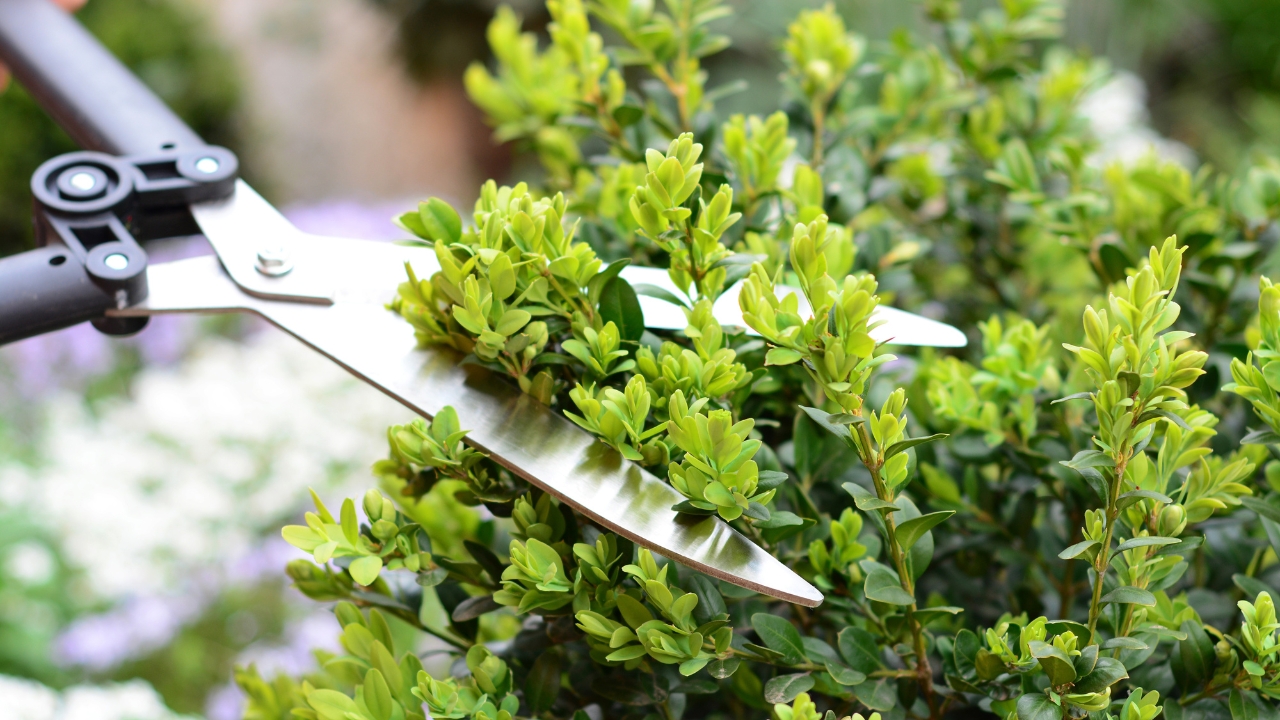
Even when your timing is perfect, poor tools can ruin cuts and invite disease. A guide on common shrub pruning explains that using the wrong pruning tools or techniques is a major issue, because different branches require different tools to make clean cuts. If you try to use hedge shears for thick stems, you crush the tissue instead of slicing it, which slows healing and increases the risk of dieback.
Dull or dirty blades are just as harmful. A pruning guide that stresses regular maintenance advises you to regularly sharpen blades and sanitize them to prevent disease from spreading from one plant to another. With sharp, clean tools, you can make precise cuts just above a bud or node, which aligns with advice that warns against pruning above a, because cuts made too far away leave stubs that die back and invite rot.
7. Pruning without a clear goal
Random snipping every spring leads to shrubs that look tired and confused rather than refreshed. Professional advice that lists pruning without a as a mistake explains that you should always know whether you are removing dead wood, improving safety, managing size, or encouraging more flowers. If you simply cut whatever is sticking out, you can remove strong structural branches while leaving weak, crossing stems that will cause problems later.
Starting with health instead of shape sets you up for better results. One practical framework suggests starting with the: remove dead, damaged, and diseased wood first, then step back and decide what to do for aesthetics. That sequence keeps shrubs healthier and usually means you have less purely cosmetic cutting to do, which reduces the risk of over pruning.
8. Stressing shrubs in extreme conditions
Even a well-planned pruning job can go wrong if you choose a day with harsh weather. Guidance that highlights pruning at the warns against working in extreme temperatures, because cuts made during heat waves or deep freezes take longer to heal and can leave tissue vulnerable. If you prune heavily just before a cold snap, tender new growth that emerges in response can be killed, setting the shrub back.
Stacking stress by pruning right after drought, transplanting, or pest damage also causes trouble. A guide on spring pruning key notes that removing too much foliage or cutting at the wrong moment can increase stress and even disease, because the plant has fewer resources to seal wounds and fight infections. When shrubs are already under pressure, you should limit cuts to the bare minimum needed for safety or disease removal and wait for better conditions before doing any shaping.
9. Forgetting that pruning is about long term health
Seeing pruning as a quick cosmetic fix makes you more likely to chase symmetry and neatness at the expense of structure and vigor. Advice that explains UNDERSTANDING THE TIMING describes pruning as essential for maintaining healthy plants, promoting growth, and managing shape, but stresses that timing is key to successful gardening. You protect shrubs for the whole year when you accept that not every stray shoot needs to be cut immediately, especially if removing it would compromise next season’s flowers.
Matching your work to how plants naturally respond to spring pruning also improves results. Guidance on plants that respond explains that cutting back at the right time stimulates vigorous new growth and effectively gives your garden a spring clean. Another practical video on pruning shrubs in emphasizes that this task is one of the most important ways to reinvigorate plants. When you combine that understanding with the specific mistakes to avoid, you move from reactive clipping to deliberate care that keeps shrubs performing at their best from one spring to the next.
Like Fix It Homestead’s content? Be sure to follow us.
Here’s more from us:
- I made Joanna Gaines’s Friendsgiving casserole and here is what I would keep
- Pump Shotguns That Jam the Moment You Actually Need Them
- The First 5 Things Guests Notice About Your Living Room at Christmas
- What Caliber Works Best for Groundhogs, Armadillos, and Other Digging Pests?
- Rifles worth keeping by the back door on any rural property
*This article was developed with AI-powered tools and has been carefully reviewed by our editors.