10 things everyone saw in a ‘70s dining room
Dining rooms in the ‘70s had their own look—warm tones, heavy furniture, and plenty of patterns. Even if you didn’t love it then, you can picture it now. These were the common features that showed up in almost every home.
Dark Wood Furniture

Dining sets were heavy and dark.
Walnut and oak dominated, often with chunky legs and matching hutches. The furniture felt substantial, even if it made the room darker. Many families kept the same set for decades, so those pieces became the backdrop for countless meals and holidays.
China Cabinets

A china cabinet was almost a requirement.
Glass-front displays showed off wedding china, crystal glasses, or knickknacks. Even if the pieces weren’t used, the cabinet was a sign of formality. It made the dining room feel complete, even if it mostly collected dust.
Patterned Wallpaper
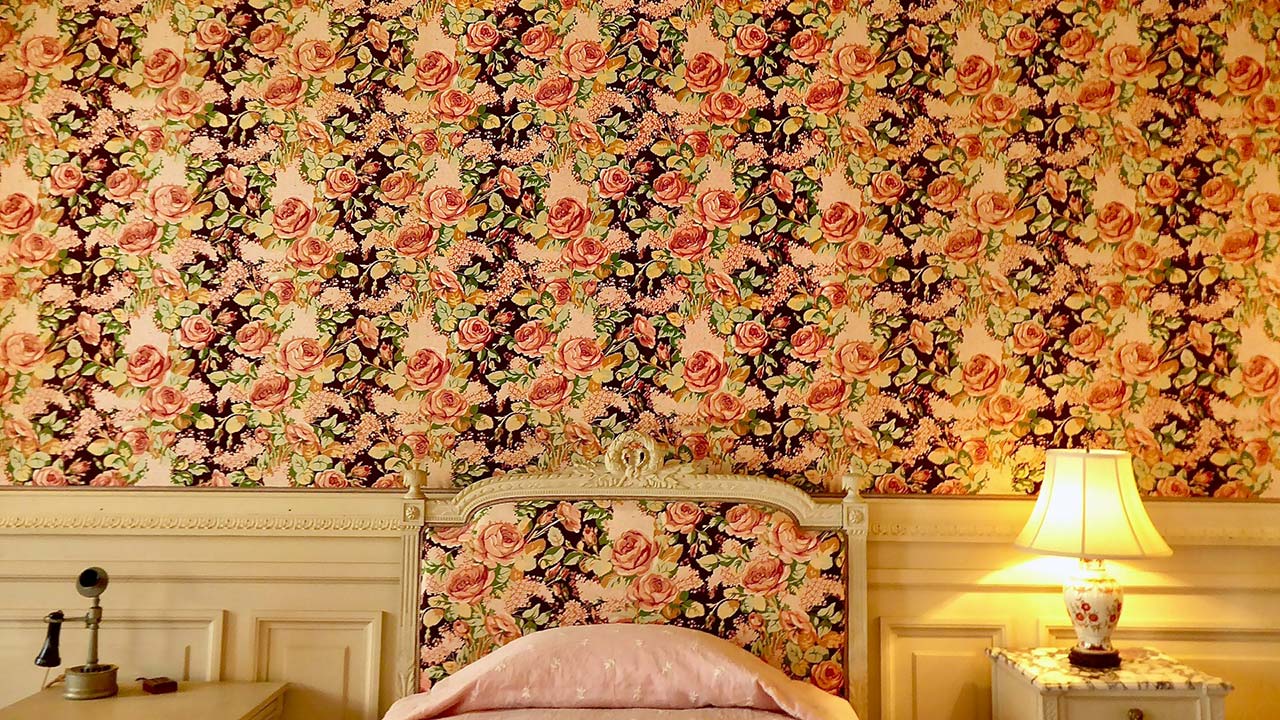
Walls were rarely plain.
Bold patterns—often florals or geometric prints—covered dining room walls. Some paired wallpaper with wood paneling for an even busier look. It wasn’t subtle, but it was considered stylish at the time.
Brass Light Fixtures
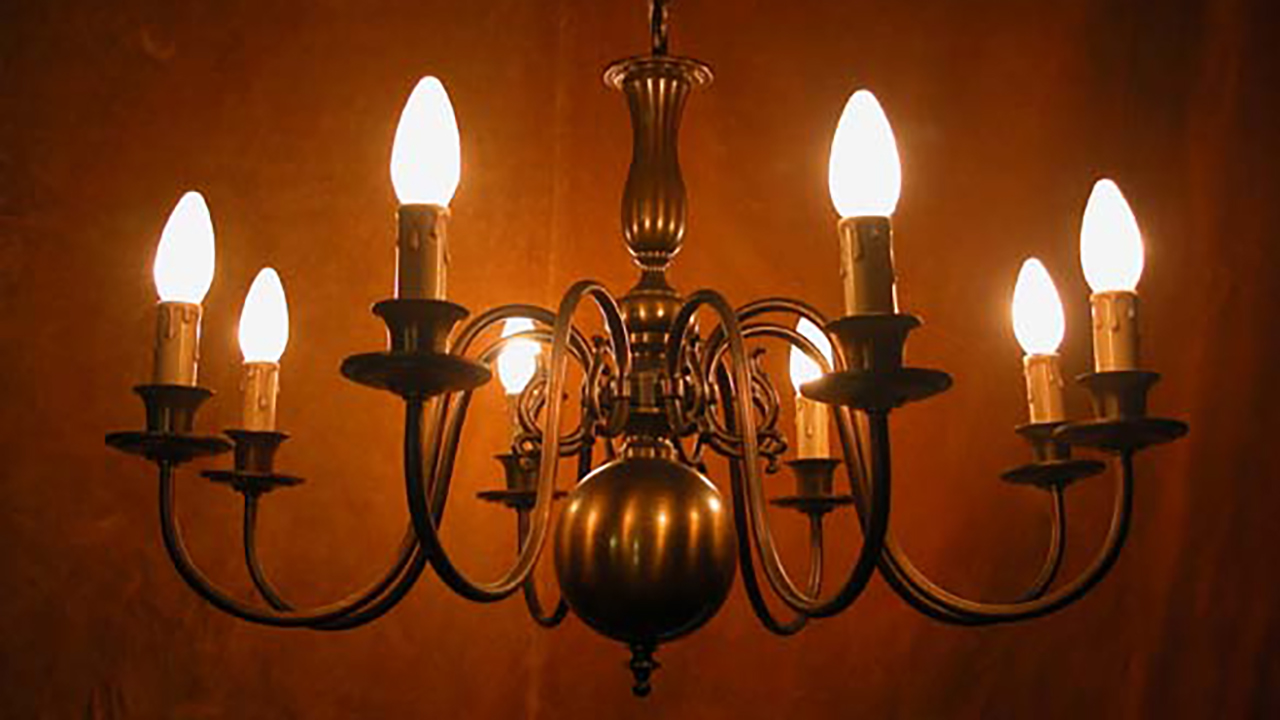
Overhead lighting almost always had brass.
Chandeliers or hanging lights often featured brass finishes, sometimes with smoked glass or amber-colored shades. They weren’t energy-efficient or minimal, but they made the dining table feel like the focal point of the room.
Shag or Thick Carpet
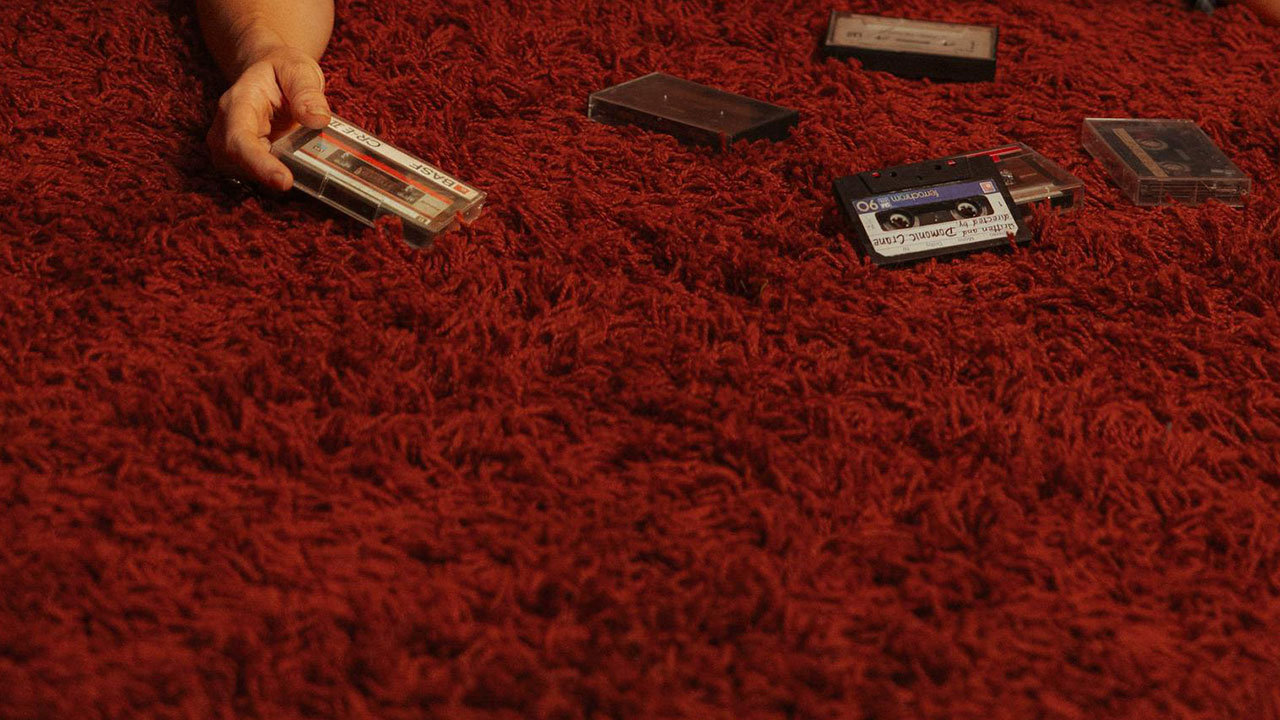
Carpet in the dining room wasn’t unusual.
It often came in mustard, brown, or rust shades, and it was thick enough to trap crumbs for years. Looking back, it wasn’t practical, but it fit the warm, cozy look of the era.
Lace or Heavy Curtains
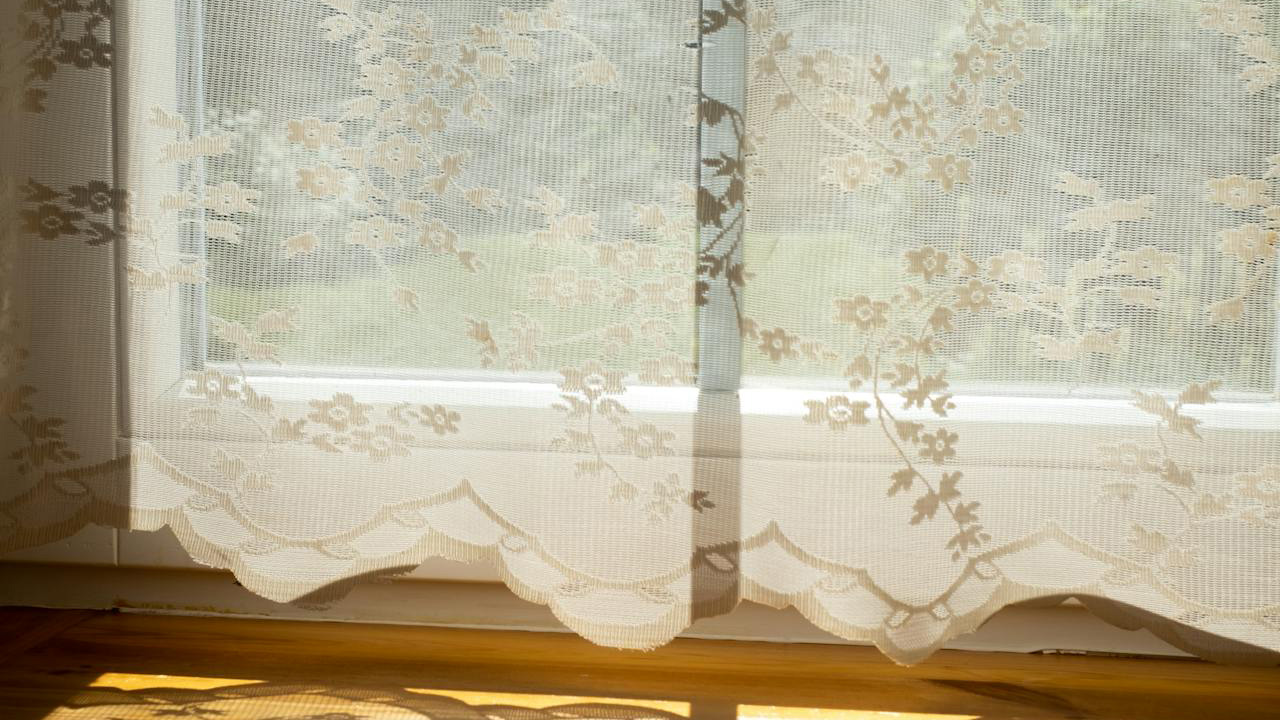
Windows were dressed formally.
Lace curtains paired with drapes were common, often in colors that matched the wallpaper. They gave the room a layered look, though they blocked light and added extra cleaning work.
Hutch With Glassware

A hutch often stood alongside the china cabinet.
Even if families didn’t host often, they displayed glassware, vases, or collectibles. It was less about use and more about showing visitors that the dining room was the “nice” part of the house.
Dining Table Pads
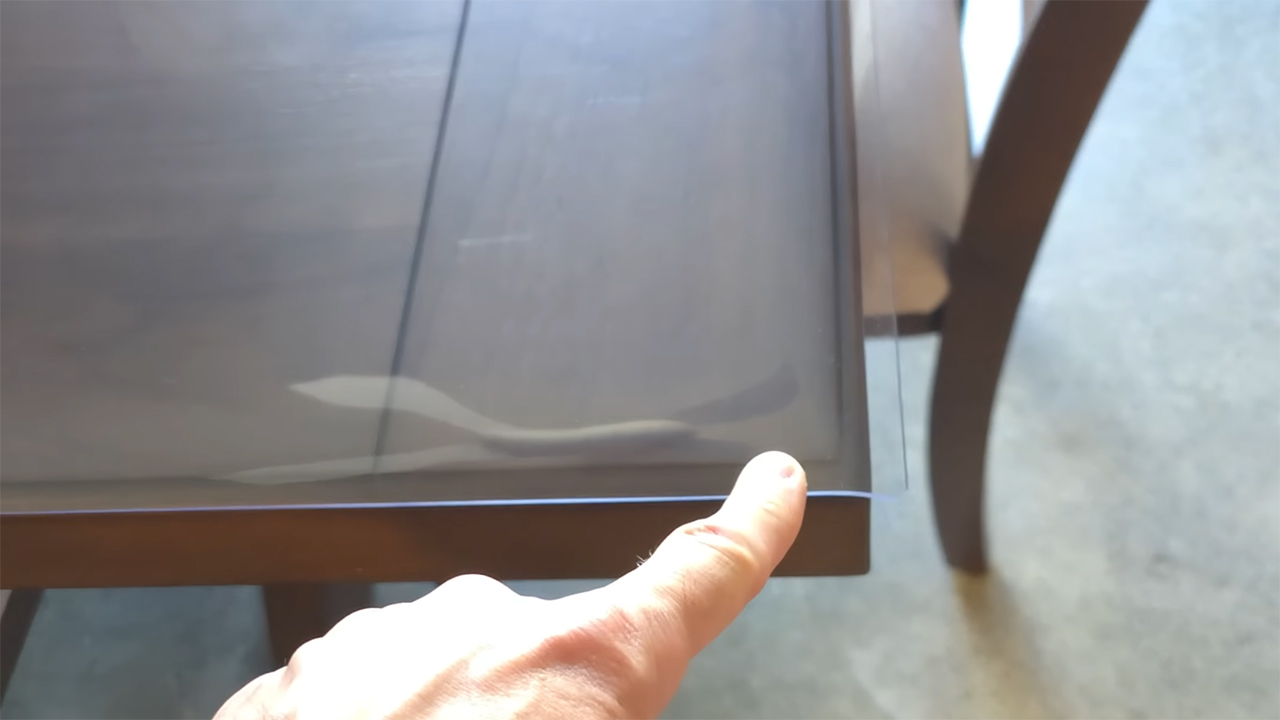
Formal tables were protected at all costs.
Vinyl or fabric table pads were used under tablecloths to prevent scratches. They weren’t attractive, but they reflected how seriously families took their dining sets—these tables were meant to last for generations.
Coordinated Sets
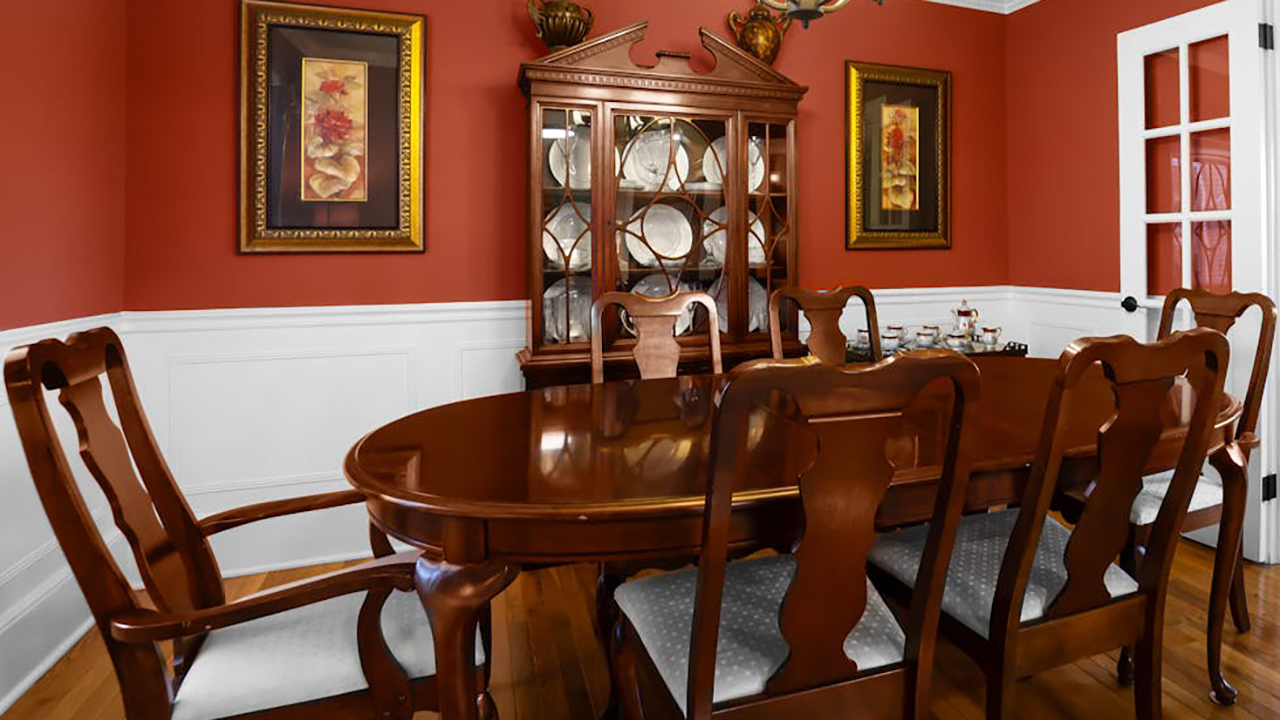
Mix-and-match wasn’t the style then.
Dining rooms often had perfectly matched sets: table, chairs, hutch, and sideboard all in the same wood and finish. It gave a cohesive look, even if it felt stiff compared to today’s mix of styles.
Holiday Centerpieces

Dining rooms were reserved for special occasions.
That meant holiday centerpieces—plastic fruit, silk flowers, or ceramic turkeys—were stored and rotated out for each season. It added a touch of festivity, even if the décor looked dated by today’s standards.
*This article was developed with AI-powered tools and has been carefully reviewed by our editors.