10 Things Everyone’s Doing to Their Lawn That Backfire
Everyone wants their yard to look good, but there’s a fine line between helping your lawn and accidentally making things worse. Some of the most common habits—things we’ve all seen or even tried—can lead to more weeds, brown patches, or wasted money.
If your lawn isn’t thriving no matter what you do, one of these could be the reason.
Watering Every Day
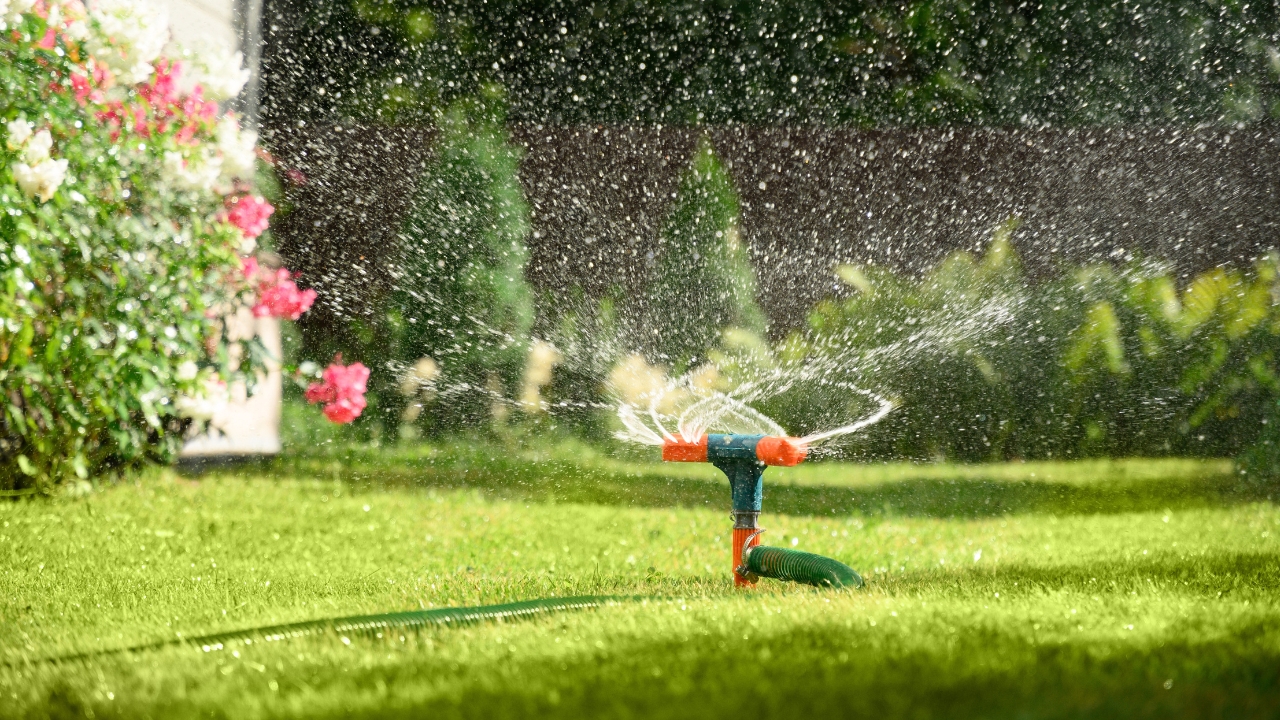
A lot of people think watering daily will give them greener grass, but it usually leads to shallow roots. That makes your lawn weaker in the long run—especially in hot or dry weather.
Grass needs deep, infrequent watering to encourage the roots to grow down and find moisture. Daily sprinkling keeps everything surface-level, and it’s more likely to grow fungus or attract pests.
Scalping the Grass
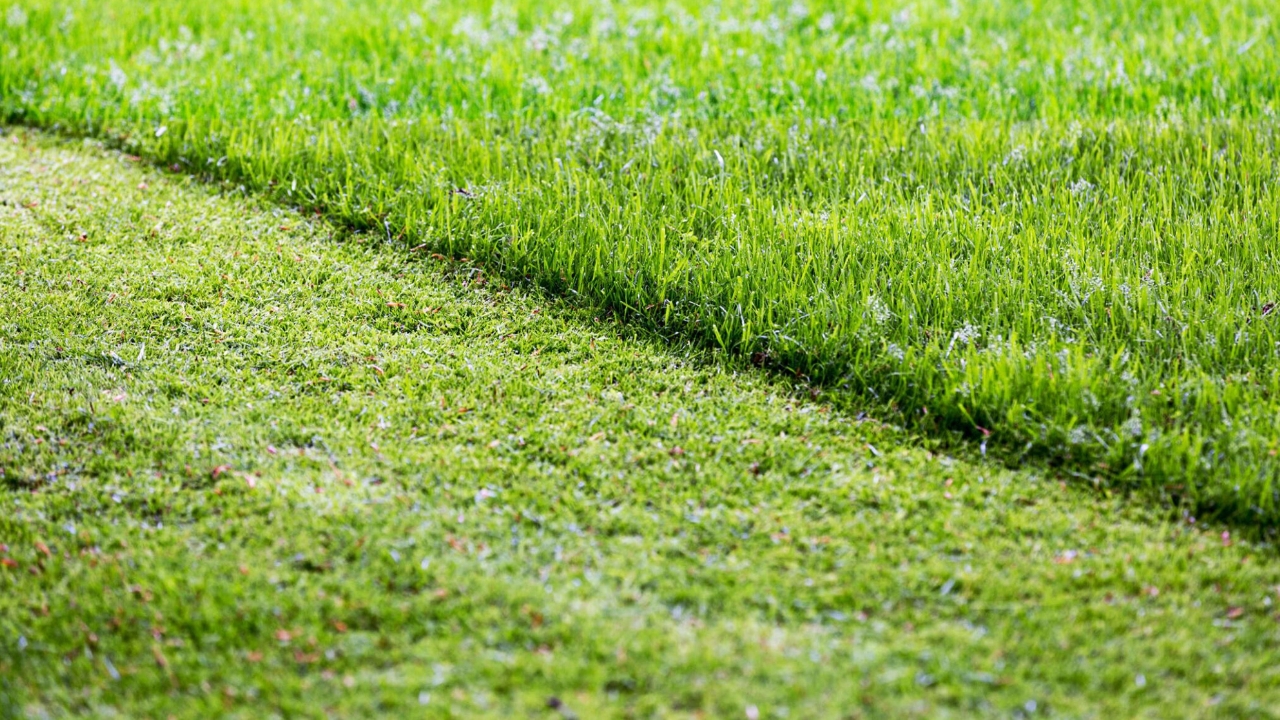
Cutting your lawn super short might seem like it’ll save time between mows, but it can seriously damage your grass. It exposes the soil, invites weeds, and makes it easier for the sun to dry everything out.
Most grass types do best when left at a slightly higher height. It shades the roots, helps retain moisture, and gives you a fuller, healthier lawn without as many bare spots.
Using the Wrong Fertilizer
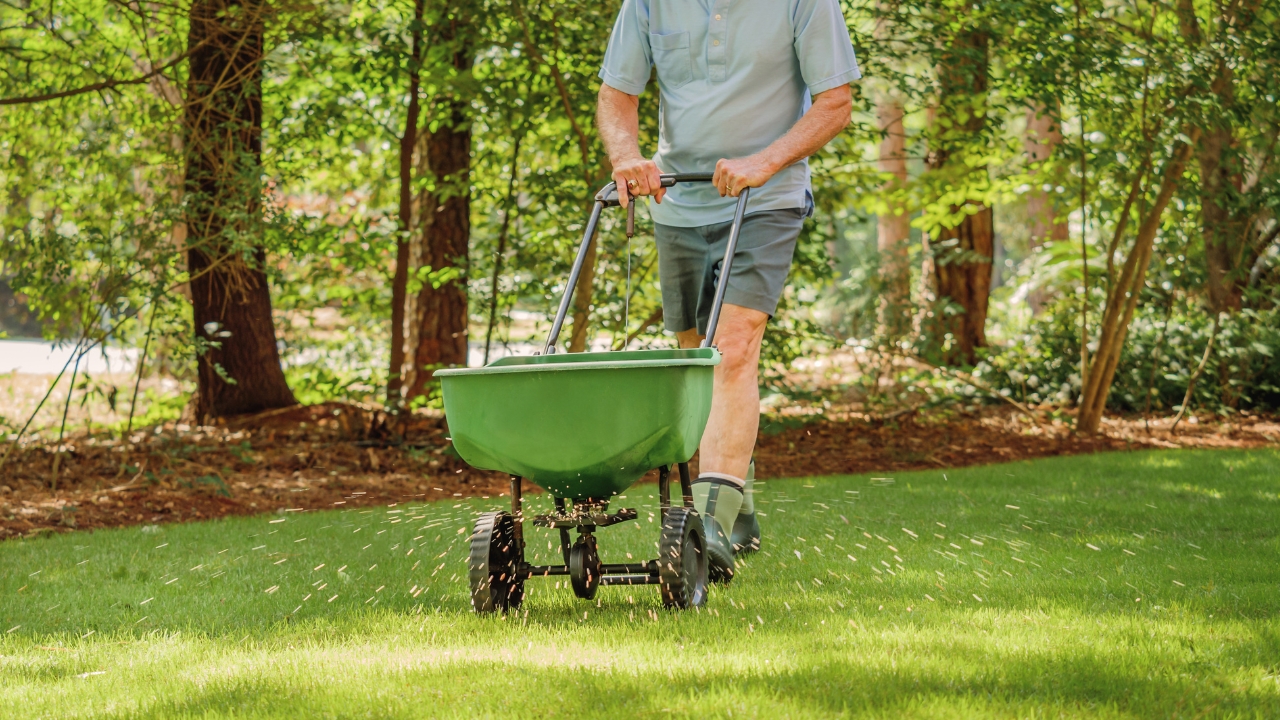
Not all fertilizer is the same, and using the wrong one can do more harm than good. Overdoing it can burn the lawn, while underfeeding doesn’t help anything grow.
You need to know what your grass type needs and when to apply it. Spring and fall are key seasons, but the timing and type really matter. A soil test can help you stop guessing and start getting real results.
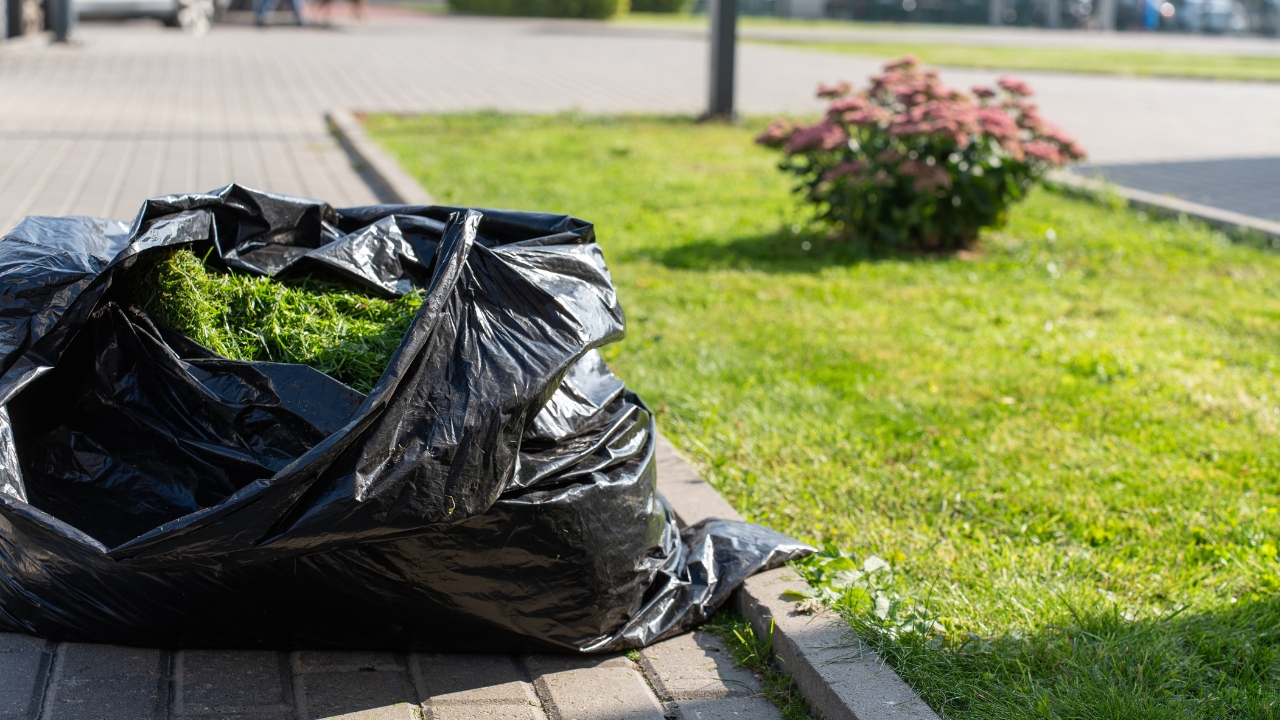
Bagging Every Clipping

A freshly cut lawn looks cleaner without clippings, but bagging every time robs your soil of nutrients. Grass clippings break down fast and feed your lawn naturally.
Unless your grass is overgrown or wet, mulching those clippings is usually the better move. It saves time, improves soil health, and helps keep moisture in place longer.
Overwatering in the Evening
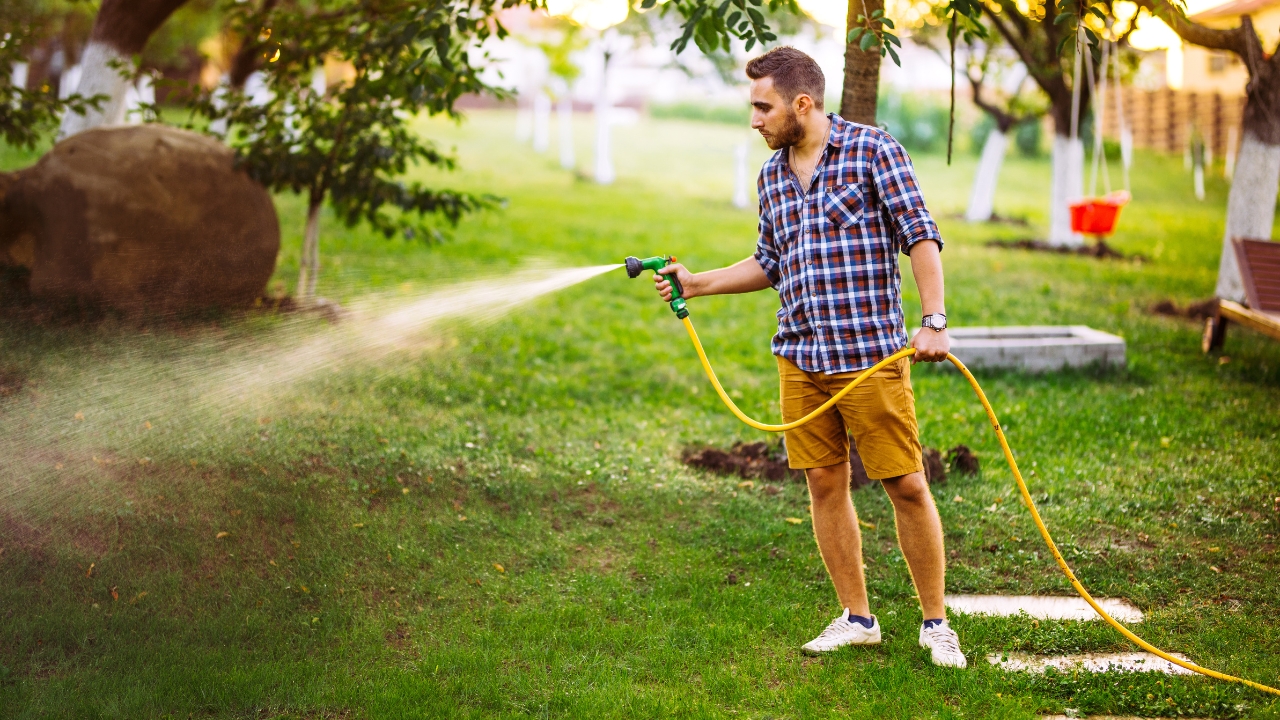
Evening watering sounds convenient, but it sets your lawn up for problems. The moisture lingers overnight, which can lead to fungus and disease.
The best time to water is early morning. It gives your grass a chance to soak up what it needs before the sun dries out the excess, lowering the risk of mold and mildew.
Ignoring Dull Mower Blades

Mowing with dull blades tears your grass instead of cutting it clean. That leaves jagged edges that turn brown and make your whole yard look stressed—even if you’re doing everything else right.
Sharpening your mower blades a few times a season makes a huge difference. Clean cuts heal faster and look better, and your grass won’t waste energy trying to recover from shredded tips.
Treating Weeds After They Spread
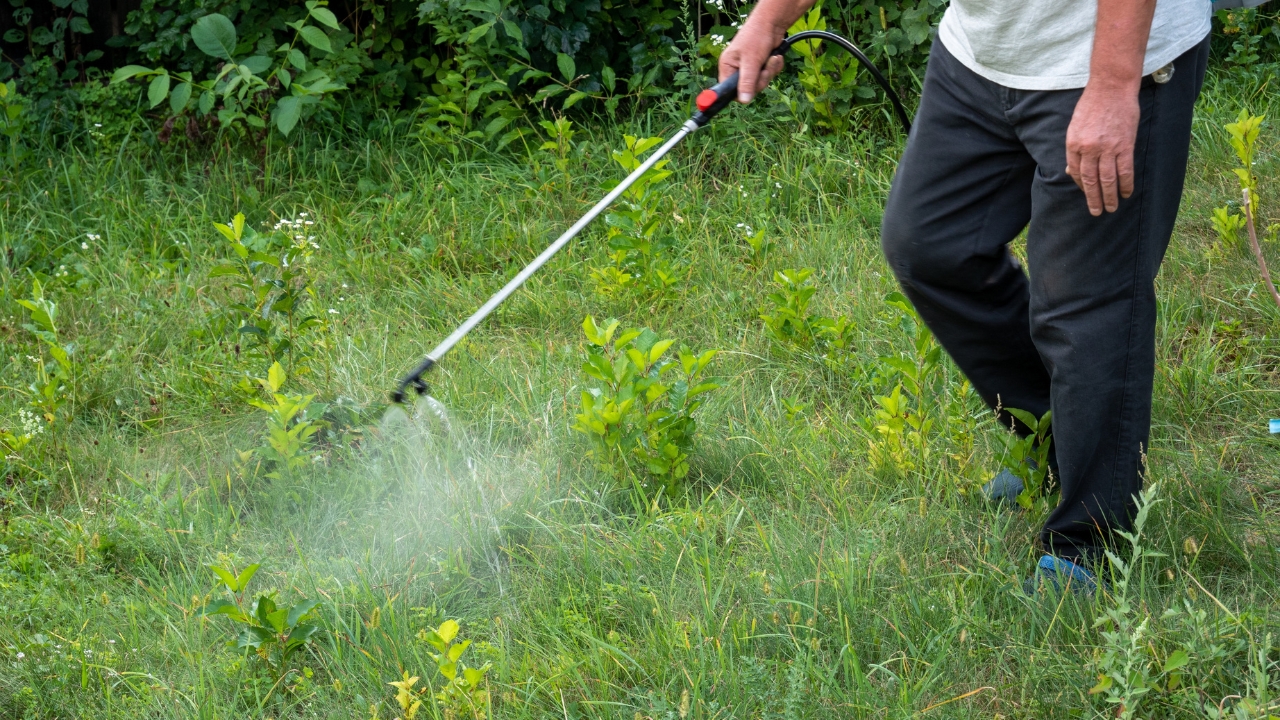
Waiting until weeds take over before treating them makes your job ten times harder. By then, they’ve already seeded and spread deep into the soil.
Spot-treating early and using a pre-emergent in spring can save you a lot of frustration. Staying ahead of the problem keeps your lawn stronger and leaves less room for weeds to sneak in.
Reseeding Without Prepping the Soil
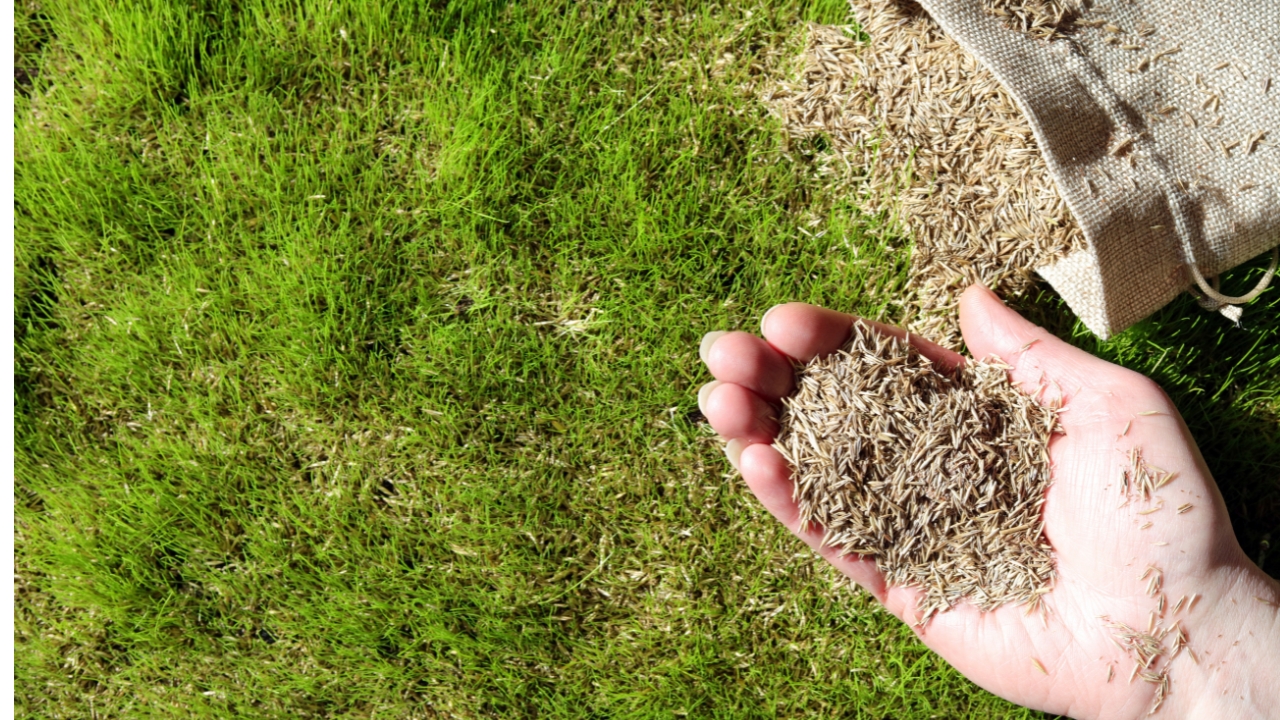
Throwing seed on top of bare spots without loosening the soil or watering properly is a waste of time. Most of it won’t take root, and you’ll be back at square one in a few weeks.
Good seed-to-soil contact is everything. Rough up the area, add a thin layer of compost or topsoil, and keep it evenly moist. That’s what actually gives you a shot at thick new growth.
Using Too Much Weed and Feed
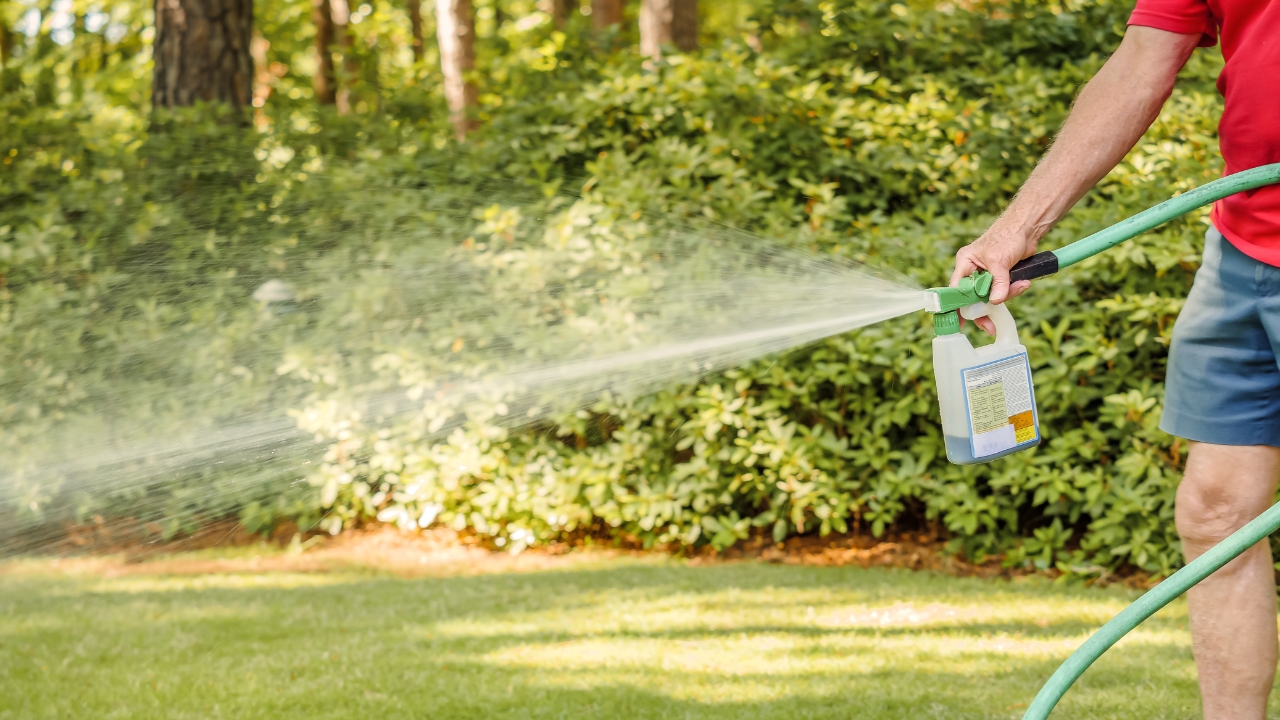
Weed and feed products sound like a shortcut, but overusing them can damage your lawn. They often contain herbicides that aren’t needed everywhere, and applying too often stresses the grass.
It’s better to spot-treat weeds and fertilize separately based on what your yard actually needs. One-size-fits-all rarely works in lawn care, especially when you’re dealing with specific grass types or problem areas.
Trying to Keep a Lawn That Doesn’t Fit the Climate
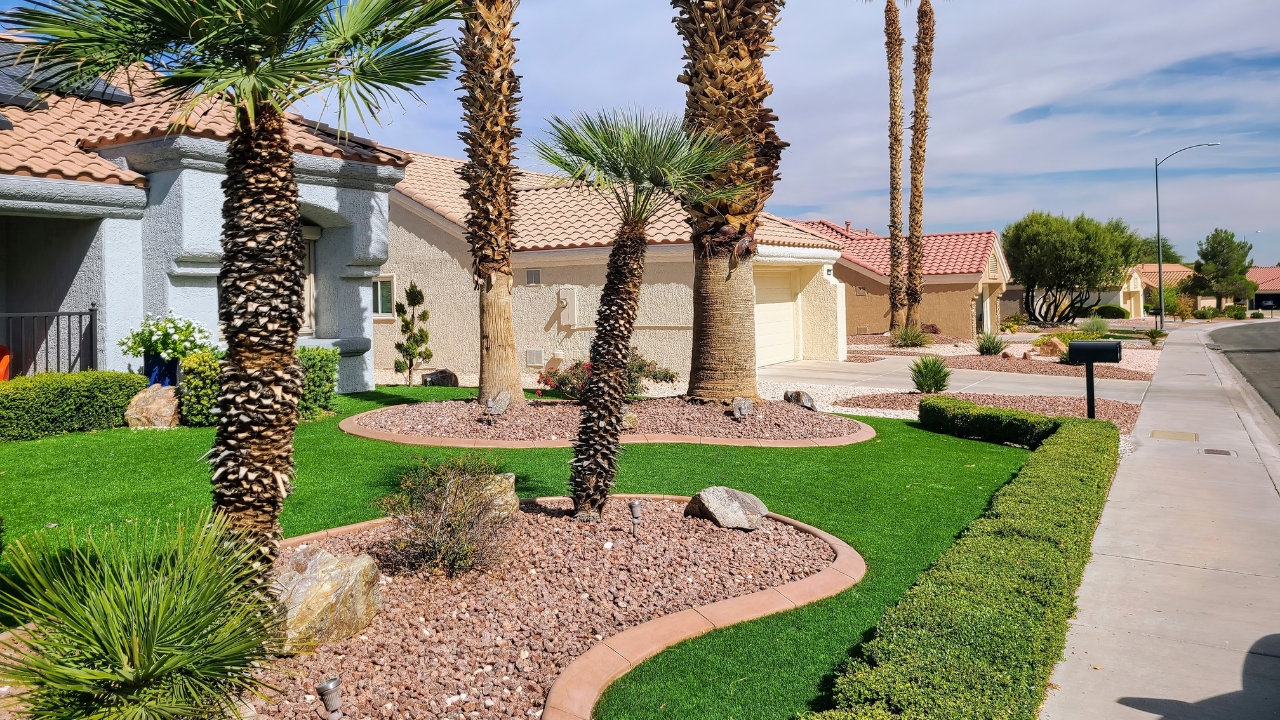
Trying to force cool-season grass to thrive in a warm, dry climate—or vice versa—is a losing battle. It’ll always take more water, more fertilizer, and more effort than it’s worth.
Choosing the right grass type for your zone is one of the biggest things you can do to make lawn care easier. You’ll spend less time fighting nature and more time actually enjoying your yard.
*This article was developed with AI-powered tools and has been carefully reviewed by our editors.