10 Things I Never Store in the Shed During Bug Season
Sheds are convenient, but in bug season, they turn into pest hotels faster than you’d think. The combo of warmth, moisture, and shade makes them ideal for all kinds of critters—ants, spiders, wasps, roaches, even mice if you’re not careful.
And the more tempting stuff you stash in there, the more likely they are to stick around. If you want fewer surprises next time you crack open the door, it matters what you store.
Bird Seed and Pet Food
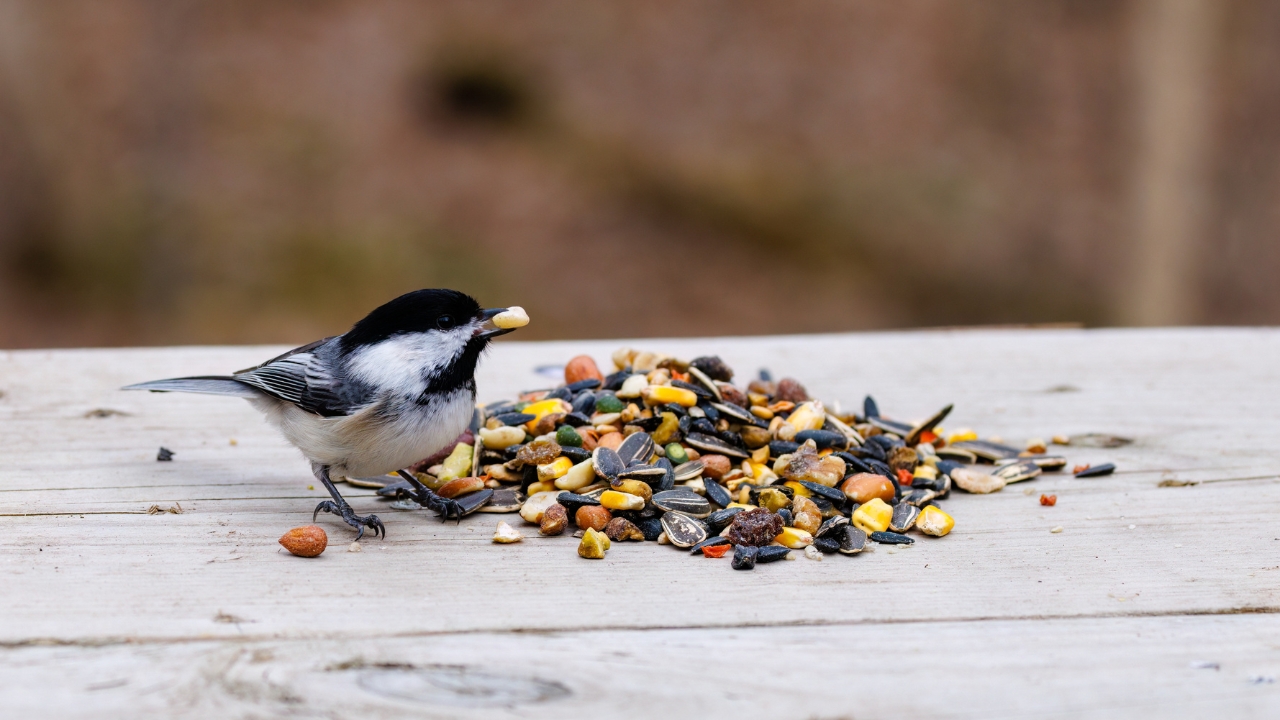
Even sealed bags can attract ants, mice, and pantry moths. The scent is strong, and once a few critters find it, they’ll chew or burrow right through to get more.
Keep bird seed and pet food indoors in airtight containers. If you absolutely have to keep it outside, make sure it’s in something metal with a locking lid. Plastic bins won’t cut it in peak bug season.
Outdoor Cushions

Fabric and stuffing are perfect nesting spots for spiders, ants, and earwigs. If the shed gets humid, those cushions also start to mildew—and bugs love damp, musty places.
Bring cushions inside or stash them in sealed bins when you’re not using them. If they’ve already been sitting out, give them a good shake before bringing them back to the porch.
Firewood
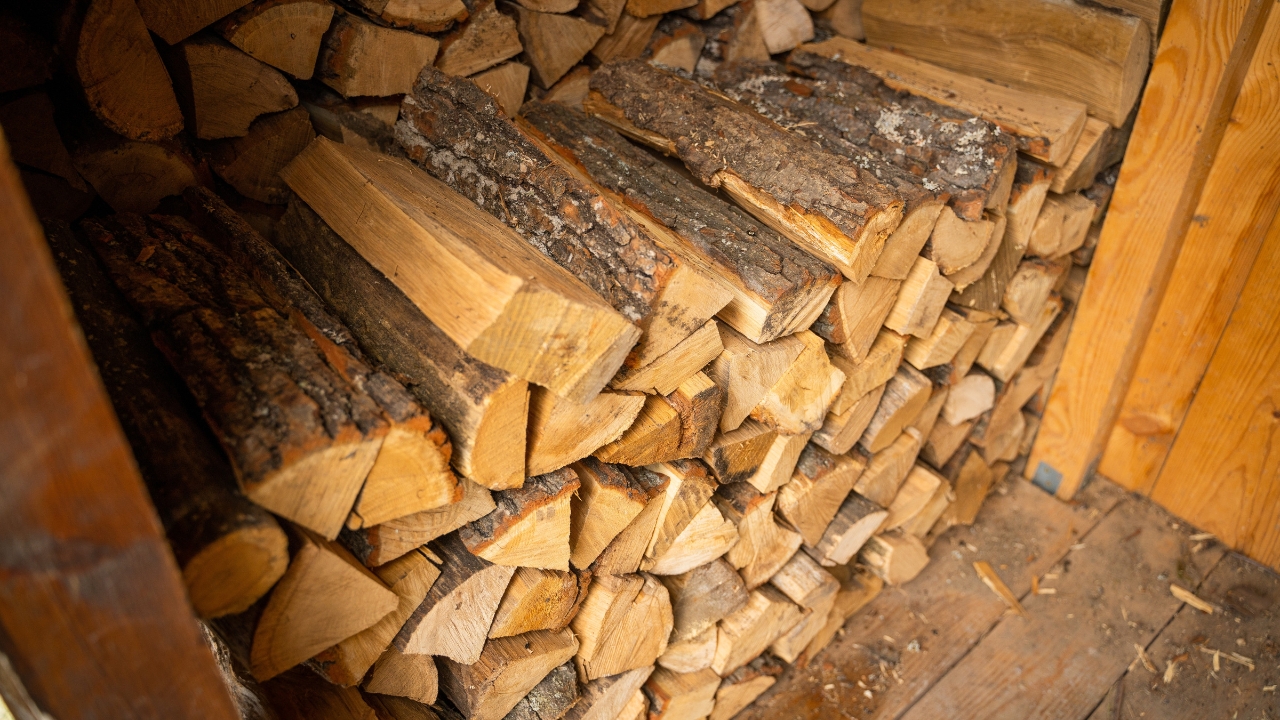
Wood piles are a magnet for spiders, roaches, termites, and wasps. Stack it in a shed and it’s like you’re asking for problems—especially if the wood’s not completely dry.
Store firewood off the ground and away from the shed entirely. If you need to keep some nearby, rotate it often and check it for signs of activity. Dry, elevated, and covered is the way to go.
Cardboard Boxes

Cardboard absorbs moisture, attracts pests, and gives bugs a place to hide. Roaches, silverfish, and ants all love to crawl into those cracks—and cardboard is practically free insulation for them.
Use plastic totes instead. They’re easier to clean, seal better, and won’t get soggy or buggy. If you’ve got old cardboard in your shed now, it’s probably time to toss it.
Grass Seed and Fertilizer

Open or damaged bags of seed and fertilizer attract ants, mice, and even raccoons. Once they’re inside, they’ll keep coming back—and you’ll have contaminated product you can’t use.
Keep these items in sealed containers somewhere dry and cool. If your shed gets hot and humid, it’s not the best place to store anything granular or edible to critters.
Old Towels or Rags
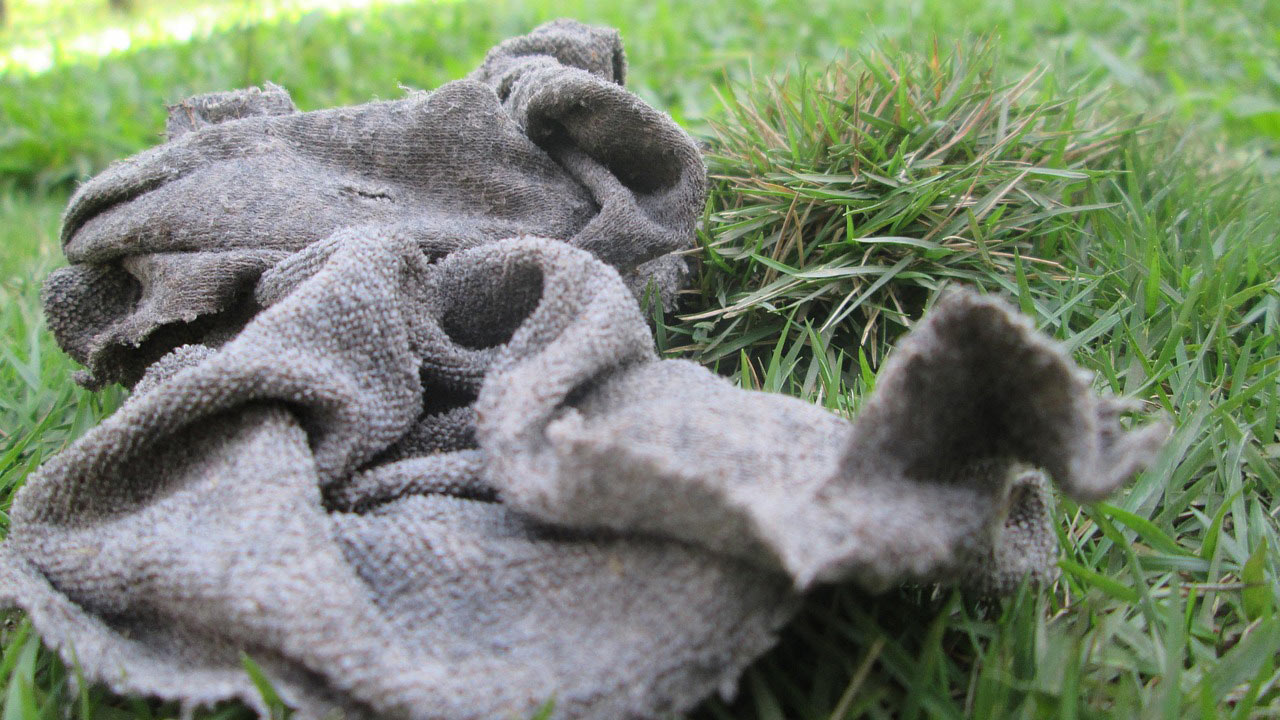
Soft, absorbent cloth makes a great home for nesting bugs. Spiders, earwigs, and even rodents will burrow in and stay hidden for weeks without you noticing.
If you need rags for yard work, store them in a sealed bucket or bin. Toss any that smell musty or look chewed. They’re not worth keeping if pests have already moved in.
Empty Planters with Soil

Old planters with leftover soil are basically a resort for ants, fungus gnats, and earwigs. The damp dirt holds moisture, and the dark space makes it feel safe.
If the container still has soil in it, clean it out before putting it away. Rinse the pot, dry it completely, and store it upside down to keep critters from crawling in.
Coolers

If a cooler’s been used and not cleaned well, even a tiny bit of residue can attract bugs. Sugar ants, wasps, and flies will track it down fast—especially in a hot shed.
Always wash and dry coolers thoroughly. Store them inside if you can. If not, keep them latched tight and propped open slightly so air can circulate and mold doesn’t set in.
Leftover Produce
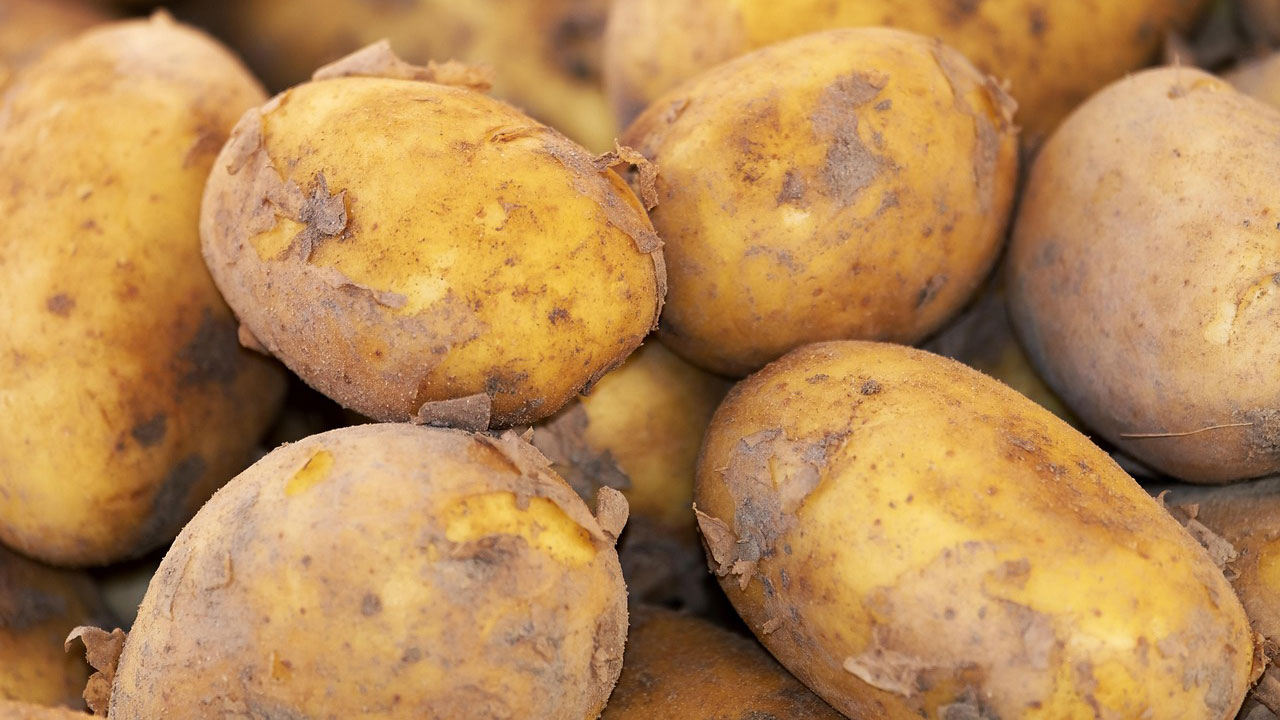
Maybe it’s a few potatoes from the garden or a basket of tomatoes you forgot—either way, anything organic will bring the bugs running. Rotting produce attracts flies, roaches, and fruit beetles.
Store your garden harvests inside and deal with them quickly. If something’s gone bad, toss it in a sealed trash bag away from your shed or compost it properly.
Old Paint or Chemical Containers

Even if the lid’s on tight, the smell alone can attract pests—or in some cases, drive out the good ones. Leaky containers are even worse and can cause a chemical mess that’s hard to clean and dangerous around kids or pets.
Store paint and chemicals on a shelf in a well-ventilated garage if possible. Sheds that heat up can cause pressure changes, which sometimes pop lids or cause containers to swell and leak.
*This article was developed with AI-powered tools and has been carefully reviewed by our editors.