10 Things That Are Hiding Dust in Your House Right Now
You can wipe counters and vacuum floors and still feel like the house is dusty. That “film” you notice on furniture a day after cleaning usually isn’t from the big stuff—it’s from all the sneaky spots that never get touched.
Here are the places dust hides even in a fairly clean house, and how to stay ahead of it without adding hours to your week.
Ceiling fan blades and light fixtures
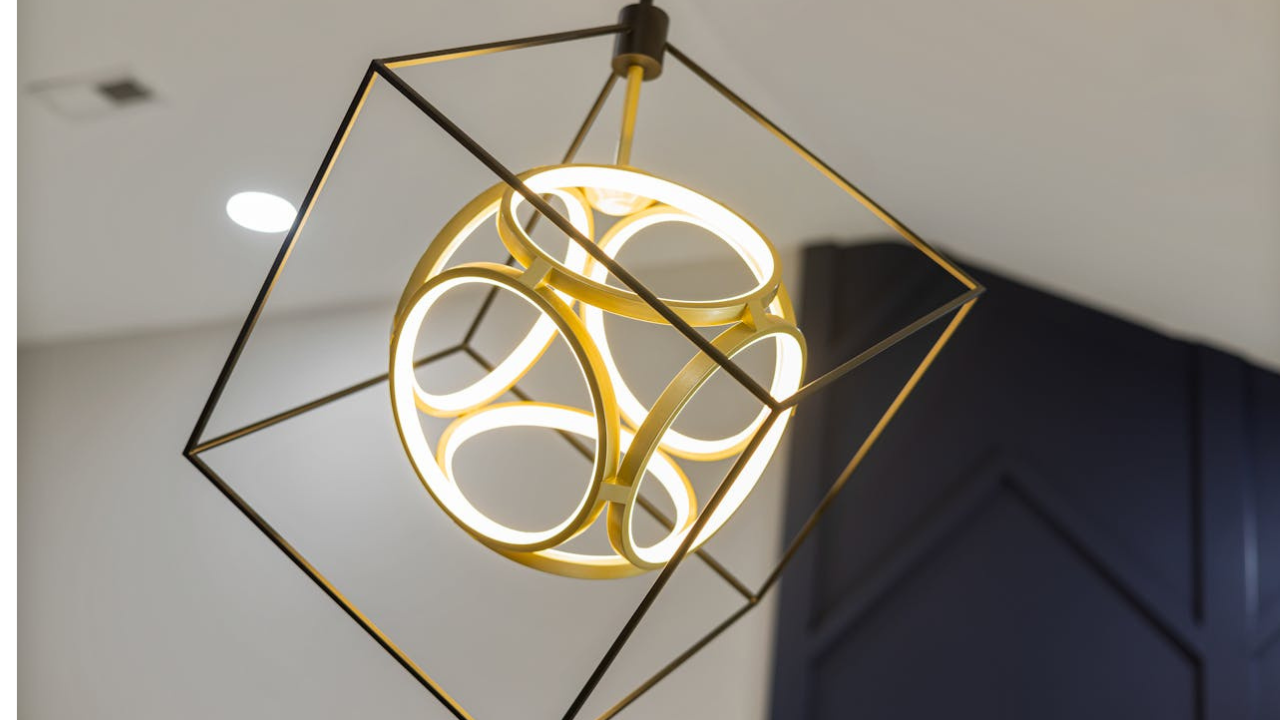
Ceiling fan blades collect dust like crazy, especially on the top side where you never look. Every time you turn the fan on, that buildup blows around the room. Same goes for light fixtures with flat tops or exposed bulbs.
Once a month, turn the fan off, climb up safely, and wipe blades with a damp microfiber cloth or pillowcase so dust doesn’t float everywhere. Hit light fixtures at the same time. It’s a 10-minute job that makes your whole room feel cleaner.
Baseboards and trim around doors
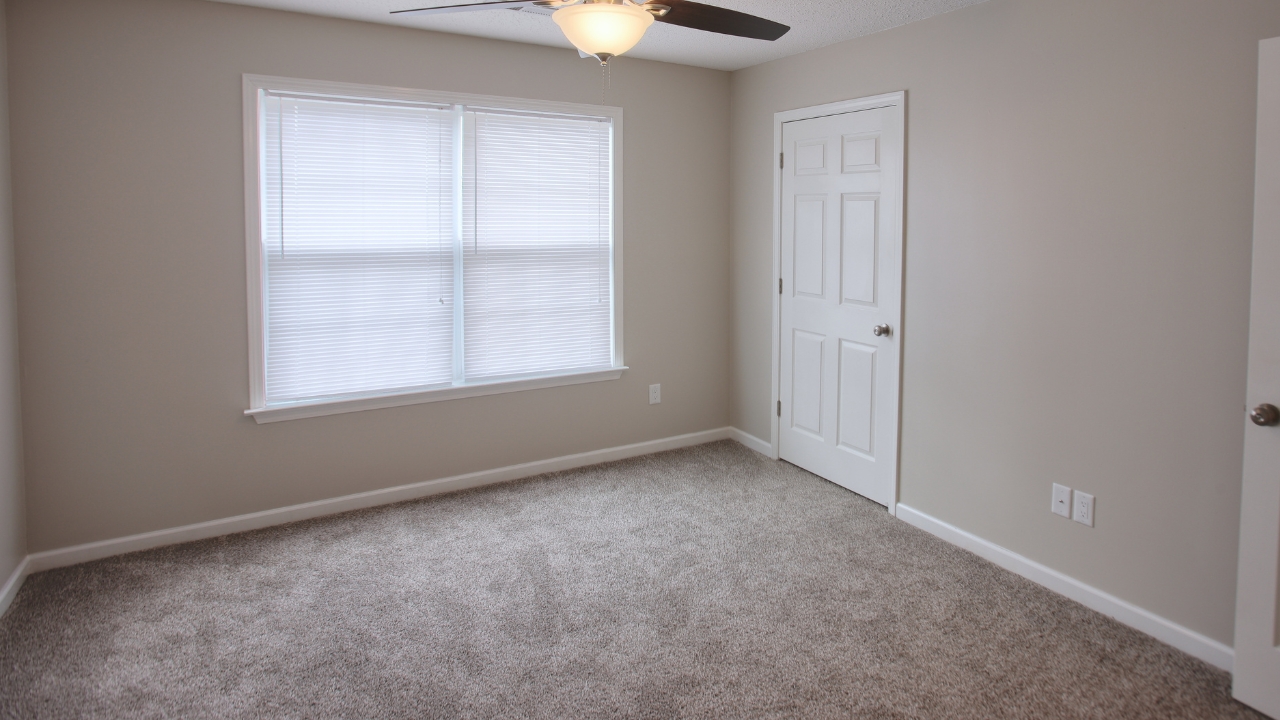
Baseboards and door trim sit right where dust, pet hair, and little bits of dirt settle. You don’t always see it unless the sun hits just right, but it’s there. Over time, it makes walls and floors look dingy even when everything else is clean.
Run a dry microfiber duster or vacuum brush along baseboards every week or two. For a deeper reset, use a damp cloth with a tiny bit of all-purpose cleaner. Focusing on halls and high-traffic rooms first keeps it manageable.
The tops of frames, mirrors, and wall decor
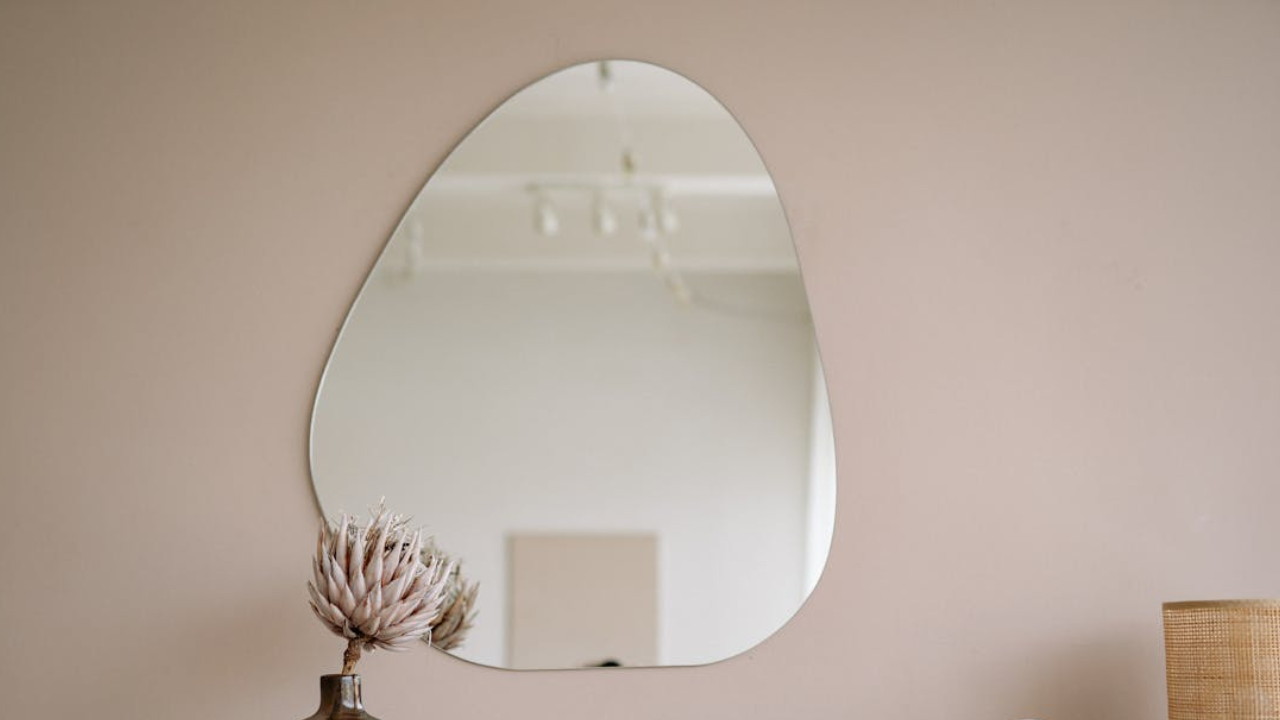
You probably wipe the front of frames and mirrors, but the top edge? That’s dust country. Anything that sticks out from the wall—art, shelves, mirrors—acts like a little ledge for dust.
Once a month, walk the main rooms with a microfiber cloth or duster and swipe across the tops of frames and decor. It takes a couple of minutes and keeps that “film” from building up where you’d never think to look until it’s really bad.
Blinds, curtain rods, and the tops of window trim

Window blinds collect dust along every slat, especially in kitchens and near vents. Curtain rods and the tops of window trim also catch a layer of dust that eventually lands on nearby surfaces.
Close blinds and wipe across them with a microfiber cloth or glove instead of doing each slat one by one. For rods and trim, a quick swipe with a duster when you’re already near the window makes a big difference without feeling like a full project.
Behind TVs and on media stands
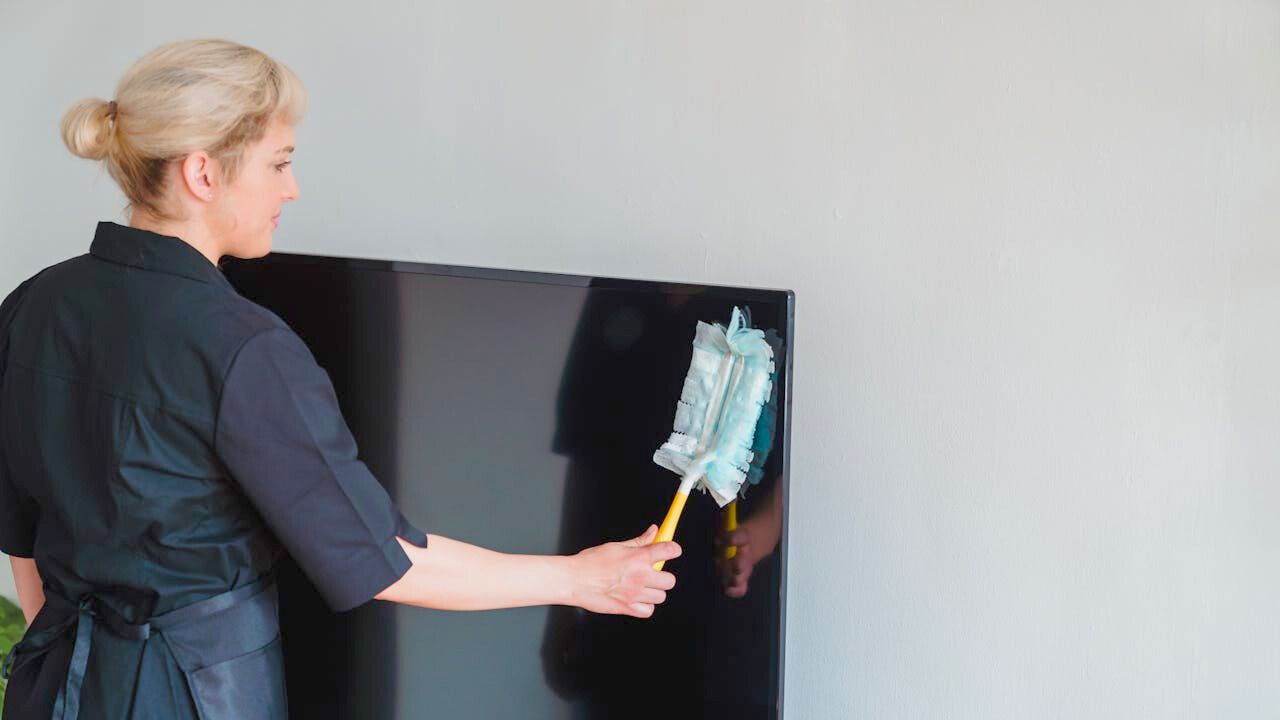
TVs act like dust magnets, and everything behind and under them quietly collects dust and pet hair. Cords, cable boxes, and soundbars all trap it. That’s why living rooms can feel dusty even when you’ve wiped the coffee table.
Unplug electronics once in a while, then dust the screen with a soft cloth and vacuum or wipe the surface behind and under the TV. Use a small brush attachment around cords. It doesn’t have to be perfect—you’re mainly breaking up the worst of the buildup.
Air vents and return grilles
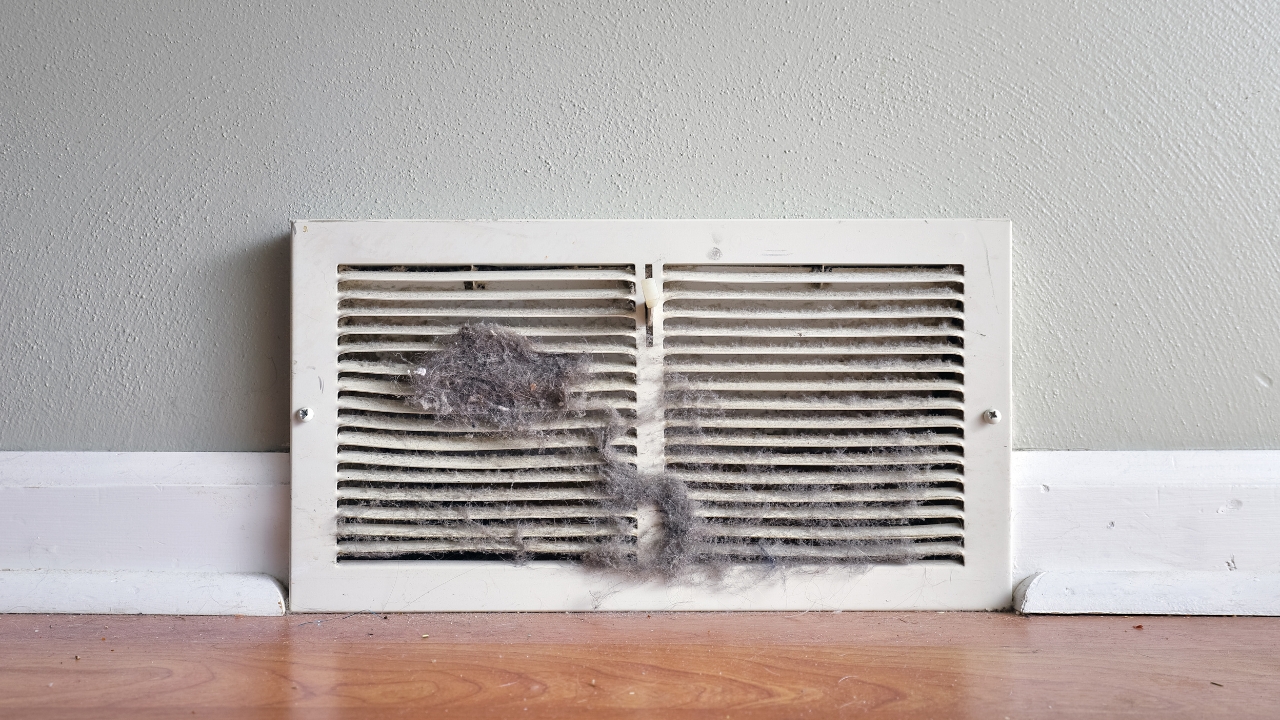
If your air vents and return grilles are coated, that dust is blowing through your air every time the system kicks on. It also makes walls around them look dirty. This is one of the first places guests notice without realizing they’re noticing it.
Use the vacuum’s brush attachment to clean vent covers, then wipe with a damp cloth. If they’re really bad, pop them off and wash them in the sink, dry well, and reinstall. It helps your air feel fresher and your walls look cleaner.
Under couches, beds, and large furniture
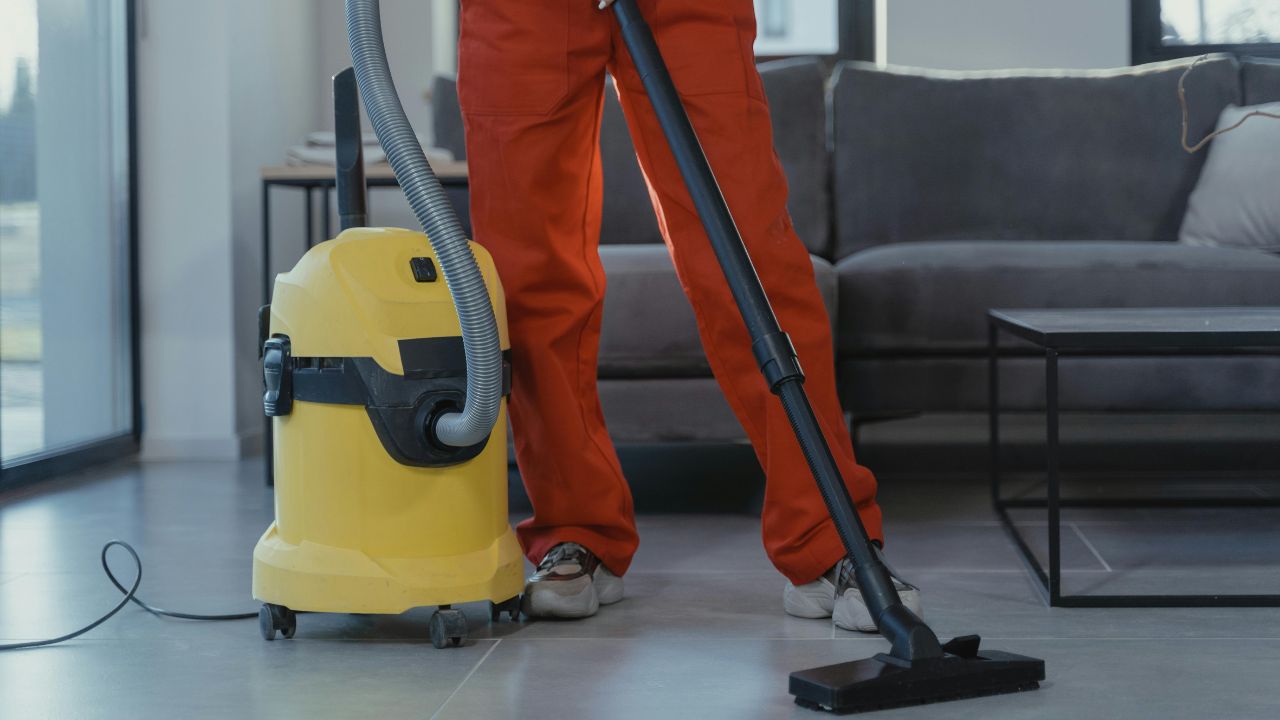
Dust bunnies love hiding under heavy furniture that doesn’t get moved often. Add pet hair, lost socks, and random toys, and you’ve got a whole ecosystem under there. That dust rolls out every time someone walks by.
If your furniture has legs, run a low-profile vacuum or dust mop underneath every week or two. For heavier pieces that sit flat on the floor, move them a few times a year and do a deeper clean. You don’t have to do the whole house in one day—one room at a time is plenty.
Throw pillows and soft throws

Throw pillows, blankets, and soft textiles hold onto dust, pet dander, and skin flakes. You don’t see it, but you breathe it in when you flop on the couch. Even “decor” pillows that never get used still collect dust.
Check tags and either machine wash covers and throws or at least toss them in the dryer on air-fluff with no heat to knock dust loose. Give pillows a good shake outside when you can. Regularly rotating and washing soft items keeps both the room and the air feeling fresher.
Lamp shades and cords
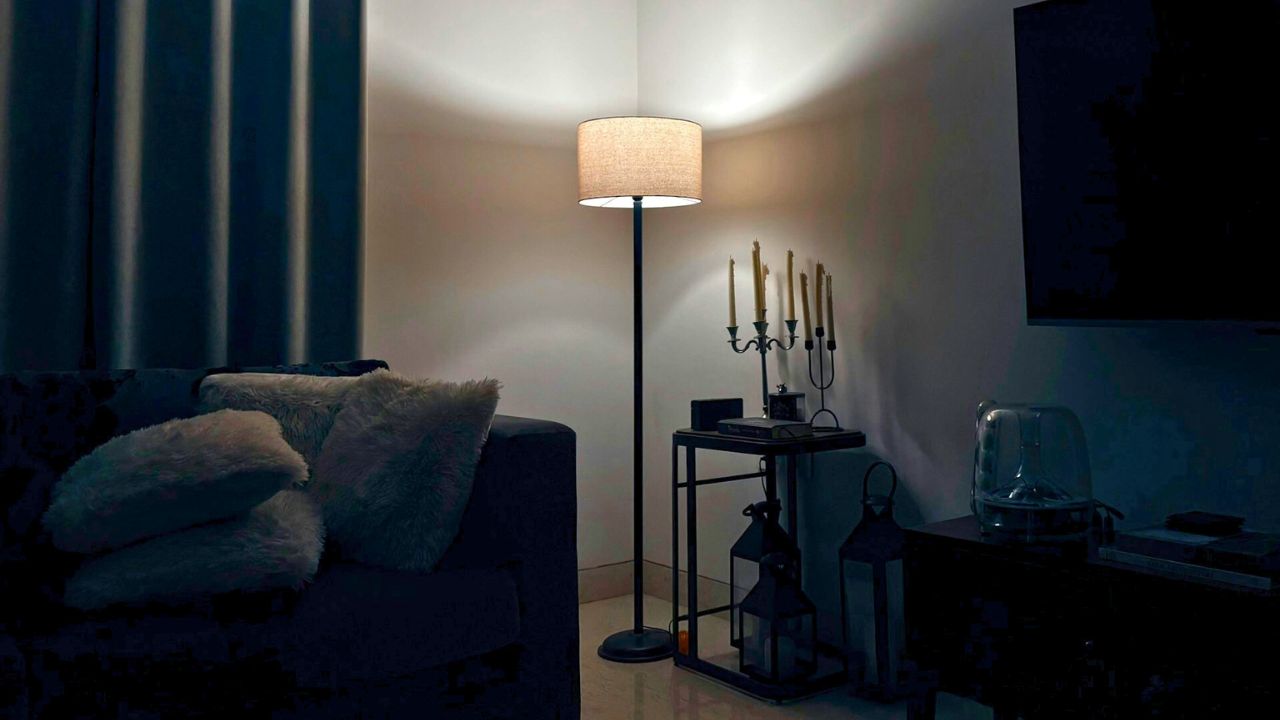
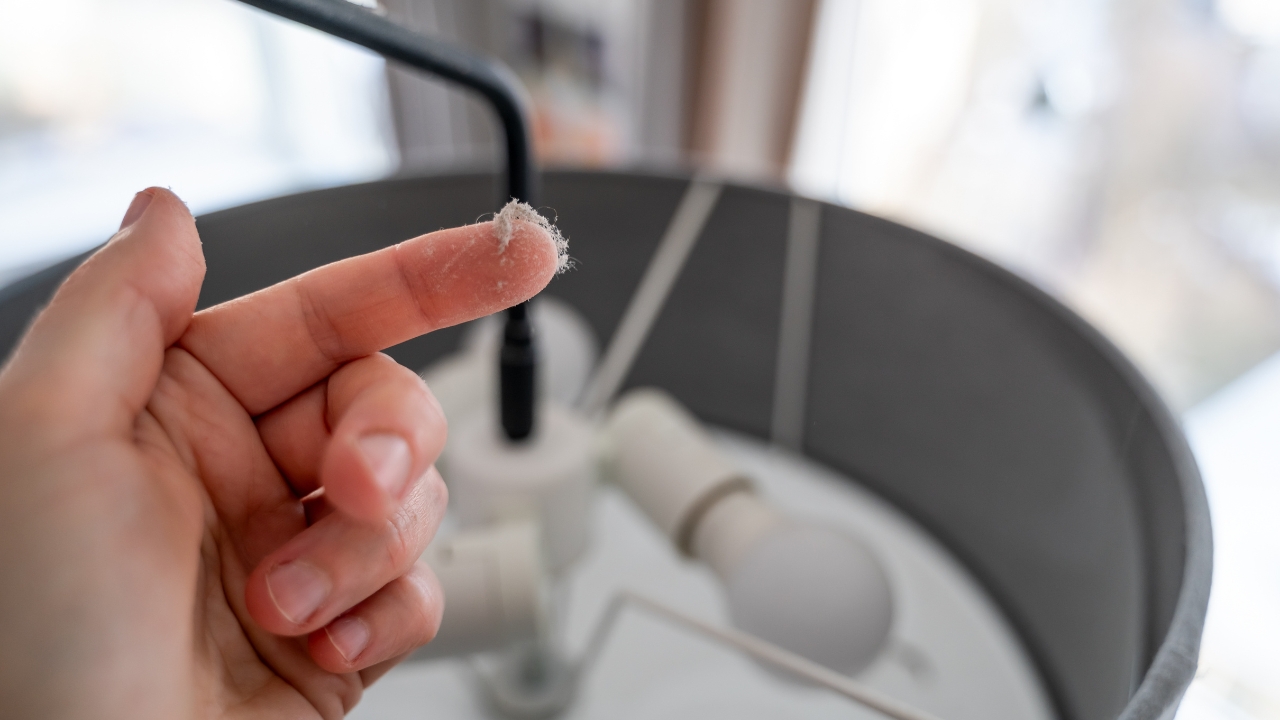
Lamp shades collect a surprising amount of dust, especially fabric ones. The inside and outside both hold onto it, and cords running down walls act as little dust ledges too.
Use a lint roller or dry microfiber cloth to wipe lamp shades from top to bottom. For cords, run a cloth down them when you’re already dusting nearby surfaces. It’s not complicated, it just takes a few extra seconds when you’re in that corner anyway.
The top of the fridge and kitchen cabinets

If your cabinets don’t go all the way to the ceiling, the space on top is probably collecting a sticky mix of grease and dust. Same with the top of the fridge. That grime slowly makes the whole kitchen feel less clean.
Lay down removable shelf liner or even wax paper on top so cleanup is easier next time. Wipe with a degreasing cleaner or warm soapy water every few months. No one sees it daily, but the less buildup you have up there, the less ends up circulating back down.
Like Fix It Homestead’s content? Be sure to follow us.
- I made Joanna Gaines’s Friendsgiving casserole and here is what I would keep
- Pump Shotguns That Jam the Moment You Actually Need Them
- The First 5 Things Guests Notice About Your Living Room at Christmas
- What Caliber Works Best for Groundhogs, Armadillos, and Other Digging Pests?
- Rifles worth keeping by the back door on any rural property
*This article was developed with AI-powered tools and has been carefully reviewed by our editors.