10 things that make buyers think you didn’t take care of the place
Buyers rarely walk through a property with a checklist of your best memories. They walk through looking for proof that you cared about the place, and they read that story in every scuff, smell, and sticky door. If too many details whisper “deferred maintenance,” buyers start mentally discounting your price or skipping your home altogether.
Once you understand which signals scream “neglect,” you can fix them before anyone schedules a showing. You do not need a full renovation, but you do need to eliminate the 10 fastest tells that you did not stay on top of basic care.
1. Obvious deferred maintenance and inspection red flags
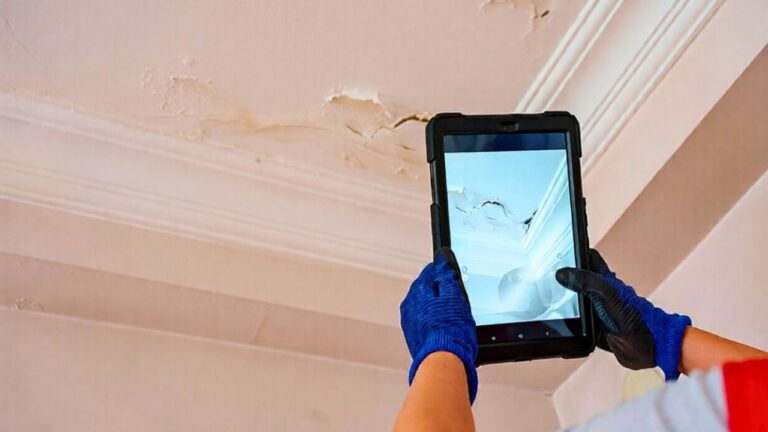
The quickest way to convince a buyer you did not look after your home is to leave visible, unfixed problems that scream deferred maintenance. Peeling caulk, loose handrails, dripping faucets, cracked outlet covers, and stained ceilings suggest that if you skipped small repairs, you probably ignored bigger ones too. Guides on what is deferred warn that these “little” issues often hide system problems that become expensive to fix.
Buyers and inspectors also pay close attention to structural warning signs. Large foundation cracks, poor drainage, sloping floors, and misaligned doors are among the most common inspection, and they instantly raise questions about how you have maintained the property. When someone sees gaps around windows, soft spots in flooring, or a roof with missing shingles, they do not just see a project, they see risk. If you can safely address these issues before listing, you signal that you have not left serious problems to fester.
2. Neglected curb appeal and haunted-house landscaping
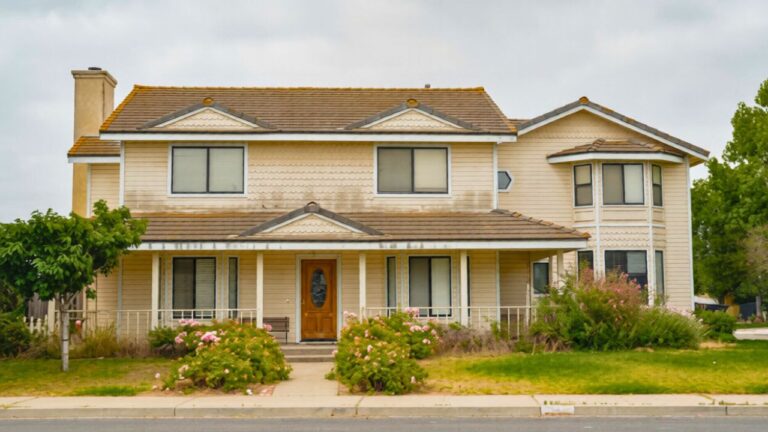
Buyers often decide how they feel about your home before they even reach the front door. Overgrown lawns, dead shrubs, and beds choked with weeds tell people you did not keep up with basic outdoor care. Advice for homebuyers specifically calls out overgrown lawns with as a sign of poor maintenance, right alongside broken exterior fixtures. If your yard resembles a set from the Addams Family, buyers assume the interior will be just as neglected.
Untrimmed trees scraping the roof, mossy sidewalks, and crumbling front steps also imply long-term neglect rather than a busy week. One list of things buyers dislike even describes “haunted-house landscaping” as a top turnoff, comparing a wild yard to something the Addams Family might own. You do not need a magazine-perfect garden, but you do need a freshly cut lawn, cleared walkways, and simple, healthy plants that show you have taken routine care seriously.
3. Interior neglect: smells, clutter, and tired bathrooms
Once buyers step inside, smell is one of the first signals they register, and it can instantly confirm their worst fears about how you treated the home. Strong pet odors, lingering tobacco smoke, or heavy cooking smells are mentioned as instant red flags in guidance about things that instantly. If buyers think they will need to replace carpet, repaint every room, and hire professional cleaners just to neutralize the air, they start subtracting those costs from your asking price.
Visual clutter sends a similar message. Piles of mail, overflowing closets, and surfaces buried under belongings suggest that you have not been able to clean properly, which makes buyers wonder what dirt and damage they cannot see. Professional stagers repeatedly rank clutter and decluttering at the top of the to-do list before listing. When you clear counters, edit furniture, and give every room breathing space, you signal that you have kept the home orderly, which buyers often equate with careful maintenance.
4. Outdated or dirty staging that feels like “you,” not the buyer
Staging is supposed to help buyers imagine their own lives in your rooms, but if you stage for your personal taste instead, you can accidentally highlight wear and tear. Guidance on home staging mistakes warns against “staging for yourself instead of your most likely buyer,” especially when it comes to dark, dated bathrooms. Old shower curtains, cloudy glass doors, worn bathmats, and dim lighting make buyers assume you have not updated fixtures or plumbing in years.
Personal items can send the same signal. Advice on home staging mistakes specifically calls out leaving personal items visible, because buyers read crowded vanities, stuffed medicine cabinets, and family photos on every wall as signs that you have not prepared the property for a new owner. When you remove personal clutter, freshen textiles, and use neutral decor, you show that you respect both the buyer and the house, which reassures people that you have treated the property with care.
5. Moisture, mold, and foundation worries
Nothing rattles buyers faster than signs of water intrusion, because it often points to bigger hidden problems. Stains on ceilings, bubbling paint, musty odors in basements, and visible mold patches suggest leaks or poor ventilation that you might have ignored for years. A list of common inspection issues highlights mold and moisture as a reason buyers pause or walk away entirely, even when the visible damage looks minor. When you fix leaks, improve drainage, and professionally remediate mold before listing, you show that you have dealt with causes instead of just covering up symptoms.
Foundation concerns also tell a story about long-term maintenance. Resources on warning signs to flag large horizontal cracks, uneven or sloping floors, and doors that do not close properly as serious red flags. Another guide that outlines signs a property explains that visible structural movement often reflects years of neglected repairs or drainage issues. If you know you have foundation movement, consulting a professional and documenting what has been done can prevent buyers from assuming you ignored a major problem.
Like Fix It Homestead’s content? Be sure to follow us.
Here’s more from us:
- I made Joanna Gaines’s Friendsgiving casserole and here is what I would keep
- Pump Shotguns That Jam the Moment You Actually Need Them
- The First 5 Things Guests Notice About Your Living Room at Christmas
- What Caliber Works Best for Groundhogs, Armadillos, and Other Digging Pests?
- Rifles worth keeping by the back door on any rural property
*This article was developed with AI-powered tools and has been carefully reviewed by our editors.