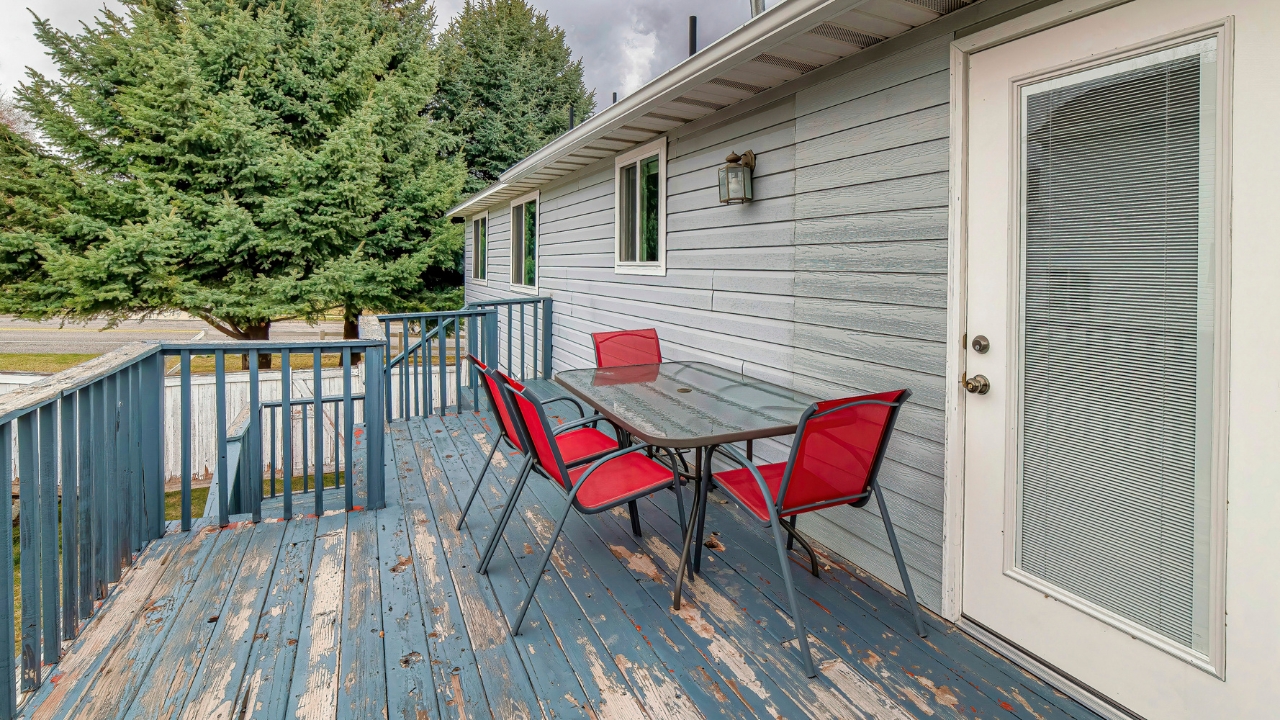
10 Things That Make Your Deck Look Old (Even If It’s Not)
Your deck might be only a few years old and still drag your whole backyard down if it looks tired, dirty, or poorly maintained. The upside is that most of what makes a deck feel past its prime comes from fixable details, not just age. Once you understand the specific visual cues that read as “old,” you can target them and help your deck look fresh again without rebuilding from scratch.
Here are ten of the most common style and maintenance missteps that age a deck prematurely, along with practical ways to turn each one around. You will see how simple cleaning, smarter finishes, and a few strategic upgrades can make your existing structure look like a deliberate design choice instead of an afterthought.
1. Heavy Gray Weathering With No Intentional Finish
Natural silvering can be beautiful when it is even and clearly intentional, but a blotchy gray surface usually just reads as neglect. UV light breaks down the lignin in wood fibers, which bleaches the surface and, along with moisture, gradually roughens the grain so the boards look dry and tired. Guidance on natural weathering of notes that moisture and rain accelerate this color change, and that uneven exposure creates patchy tones that instantly age an outdoor surface.
Even premium species are not immune. Reporting on the “weathered look” explains that mahogany will still crack and dry over time if you leave it bare, and that even pressure treated lumber eventually splits and checks when it is not sealed against sun and water. If you want a contemporary gray tone, you are better off cleaning and brightening the boards, then using a semi-transparent stain that mimics a coastal patina instead of waiting for random fading. By maintaining that finish, your deck looks like a design decision instead of something that has simply been left outside too long.
2. Peeling Stain, Flaking Paint, And Blotchy Color
Few things scream “old deck” faster than peeling stain or paint curling up at the edges of every board. Once the film starts to fail, water works underneath and lifts larger sheets, so your eye goes straight to the damage instead of the space. Tutorials on how to refinish emphasize that you need to strip or sand away failed coatings, clean thoroughly, and let the wood dry before you apply a new product, otherwise the next finish will fail just as quickly.
Blotchy color can be just as aging as visible peeling. If you have layered different products over the years, you might see darker patches where old stain soaked in and lighter areas where it wore away under foot traffic. A detailed guide on restoring a weathered recommends using a deck cleaner and brightener to even out the tone before you choose a fresh semi-transparent or solid stain. Once the color is uniform and the sheen is consistent from board to board, your deck immediately looks newer, even if the structure underneath is unchanged.
3. Grime, Mildew, And Maintenance Mistakes
Layers of dirt, pollen, and mildew create a dull film that makes any deck feel older than it is. Green or black staining in the corners, along the house, or between boards suggests you have not cleaned the surface regularly, and that neglect is what guests notice first. Advice on common deck maintenance points out that skipping regular cleaning allows mold and mildew to take hold, which not only looks bad but also shortens the life of the wood.
Using the wrong tools can age your deck visually too. Aggressive power washing can raise the grain and leave furring that catches dirt, so the boards stay rough and dingy even after you clean them. A deck care guide on how to maintain suggests pairing a deck-safe cleaner with a stiff brush and garden hose for routine washing, then reserving more powerful methods for serious restoration. When you treat cleaning as regular upkeep instead of a crisis response, you prevent that dingy, uncared-for look from developing in the first place.
4. Cracked, Warped, And Splintered Boards
Even if your deck is structurally sound, visibly damaged boards make it feel like it has seen better days. Warping, cupping, and deep cracks catch the light and create shadows that accentuate every flaw, so the surface reads as old and uneven. A repair guide on common deck repair lists warped, cracked, or splitting boards as one of the most frequent problems, and recommends replacing severely damaged pieces while securing or re-fastening those that can be saved.
Splinters and soft spots are not just cosmetic. When boards feel spongy underfoot, you may be dealing with wood rot, which both ages the appearance and raises safety questions. A checklist on signs a wood notes that wood deterioration and rot often show up as soft areas, deep cracks, or crumbling edges, and that replacement is usually required once decay sets in. Swapping out a handful of boards and sanding down rough spots can transform the look of the surface, making the deck read as cared for instead of worn out.
5. Outdated Or Wobbly Railings And Stairs
Railings and stairs sit at eye level and frame your entire outdoor space, so when they look flimsy, dated, or mismatched, the whole deck feels past its prime. Older rail designs with heavy, closely spaced wood balusters can make a deck look visually heavy compared with cleaner modern lines. A renovation guide on Replace the Deck points out that changing the railing often costs a fraction of a full rebuild but can completely change the feel of the space.
Movement is an even bigger problem than style. Wobbly railings or bouncy stairs make guests instinctively cautious, and that nervousness translates into a sense that the deck is old and failing. Safety guidance from an inspection checklist on Quick Inspection Checklist advises checking for loose posts, railings, and connections to the house, since movement can signal deeper structural issues. Even when the fix is as simple as tightening bolts or adding blocking, addressing those wobbles helps your deck feel solid and current instead of rickety.
6. Faded Color That No Longer Matches Your Home
Sunlight gradually bleaches pigments, so a deck that started as a rich brown can end up a washed-out beige that clashes with your siding or trim. That mismatch makes the structure look like a leftover project from a previous era instead of a coordinated part of your home. A discussion of low maintenance decks notes that harsh, sun drenched environments cause fading and splintering, and that material choice and finish both affect how well color holds up over time.
When the deck color no longer relates to your house, the fastest way to refresh it is usually a new stain or sealer in a tone that picks up your window trim, roof, or interior flooring. A budget focused guide on staining and sealing explains that a fresh coat of stain can give your deck a makeover without changing the underlying structure, especially when you choose a modern color that ties into the rest of your exterior. By treating the deck as part of your overall palette, you shift the impression from “faded and old” to “intentional outdoor room.”
7. Cluttered Layout, Old Furniture, And Neglected Details
Even a structurally sound, freshly stained deck can feel dated if the layout is cluttered and the furniture looks like it has survived too many winters. Rusted metal chairs, cracked plastic, and sagging cushions tell visitors that the space is not a priority, which makes the deck itself seem older. A piece on decks that look like they have been through a few too many seasons notes that after years of sun, snow, rain, and repeated foot traffic, both surfaces and furnishings start to show wear, and that updating decor is part of any serious refresh. The same idea shows up in card design, where a writer points out that a deck can have a vintage look without actually being old, and that However just because does not mean it is worn out.
You can borrow that logic for your outdoor space. If you like a weathered or traditional aesthetic, you can still keep the area edited and intentional with coordinated seating, updated textiles, and simple storage so tools and toys do not dominate the view. A guide to Quick And Easy suggests swapping out post caps, adding lighting, and refreshing accessories as fast ways to modernize the look. When the furnishings feel current and the surfaces are clear, your deck reads as a cared for living space instead of a catchall storage zone.
8. Ignoring Lifespan, Wood Type, And Structural Signals
Sometimes a deck looks old because it is reaching the end of its expected life, and trying to hide that with cosmetics can backfire. Analysis of Wood Decking Lifespan explains that environmental conditions play a significant role in how long different species last, and that high humidity, freeze thaw cycles, and intense sun can all shorten the lifespan of decking. If your structure is decades old and you see widespread rot, sagging, or loose connections, the tired appearance may be a visual cue that replacement is safer than another round of stain.
Early warning signs deserve attention even on younger decks. A guide to common deck problems highlights issues like movement at the ledger board, sagging joists, and widespread cracking as indicators that you may need professional evaluation. Another checklist on Here is a notes that a few minor cracks are normal, but extensive structural damage is a sign it is time to replace. When you respect those limits and invest in repairs or rebuilding at the right moment, you avoid the unmistakable look of a deck that has been pushed several seasons past its safe and attractive lifespan.
9. Skipping True Restoration When The Surface Is Tired
If your deck boards are sound but the surface looks dull, scratched, or unevenly weathered, you may be tempted to simply roll on another coat of stain and hope for the best. That shortcut often leaves you with a finish that fails quickly and highlights every flaw. A detailed step by step guide on how to restore walks you through cleaning, stripping old coatings, sanding rough areas, and repairing damaged boards before you ever open a new can of stain. When you follow that process, the final result looks more like a new installation than a patched over surface.
True restoration also means choosing the right products and application methods. A how to on How to Refinish recommends a water drop test to see whether the wood will absorb new stain, and stresses the value of working in the right weather window so the finish cures properly. If you want a more rustic or intentionally aged look without sacrificing performance, you can also borrow techniques from guides on how to distress, which show you how to add controlled character rather than random damage. By treating refinishing as a full project instead of a quick cover up, you extend the life of your deck and restore the crisp, cared for appearance that makes any outdoor space feel inviting.
Like Fix It Homestead’s content? Be sure to follow us.
Here’s more from us:
- I made Joanna Gaines’s Friendsgiving casserole and here is what I would keep
- Pump Shotguns That Jam the Moment You Actually Need Them
- The First 5 Things Guests Notice About Your Living Room at Christmas
- What Caliber Works Best for Groundhogs, Armadillos, and Other Digging Pests?
- Rifles worth keeping by the back door on any rural property
*This article was developed with AI-powered tools and has been carefully reviewed by our editors.