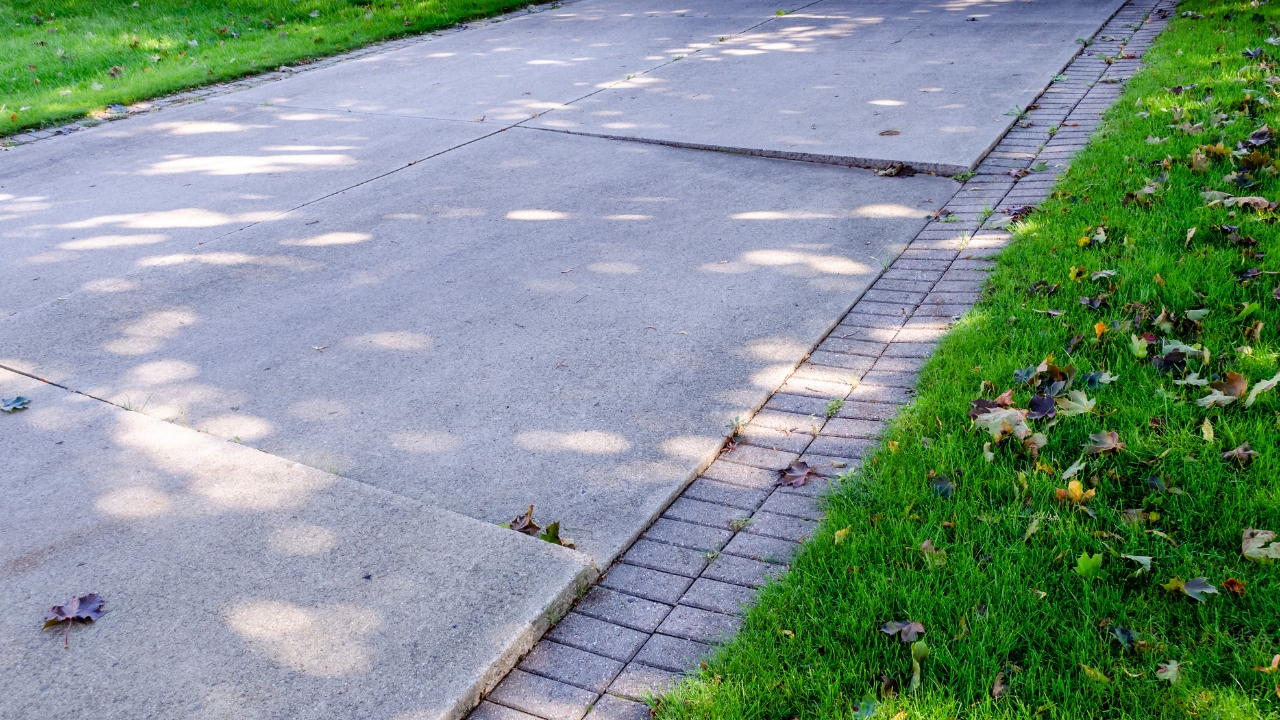
10 Things That Make Your Driveway Look Worn Out Fast
Your driveway quietly sets the tone for your entire property, yet a handful of everyday habits can make it look tired long before its time. Once you understand what actually wears it out, the damage stops feeling inevitable and starts looking preventable.
From ignored cracks to parked work trucks and leaked oil, the fastest driveway killers are rarely dramatic, just persistent. By spotting these ten problems early and changing how you use and maintain the surface, you give your concrete or asphalt a much longer, better-looking life.
1. Letting Small Cracks Spread Everywhere
Hairline cracks rarely stay small. Water seeps in, your driveway expands and contracts with temperature swings, and those faint lines widen into jagged seams that make the whole surface look neglected. On concrete, the clean slab you poured years ago starts to resemble a broken puzzle. On asphalt, spiderweb patterns and long linear splits signal that the binders are drying out and the base is moving.
Contractors repeatedly list cracking as a, and they treat early intervention as the difference between a simple fill and a major resurfacing. Ignore those first lines and water and automotive fluids penetrate, freeze, and erode the base, so the cracks widen and multiply. By the time you see pieces flaking off or edges crumbling, you are no longer just fixing cosmetic flaws, you are rebuilding structural support.
2. Allowing Uneven Settling and Trip Hazards
Uneven slabs and sunken patches do more than trip your guests. They advertise that the ground under your driveway is failing. When one corner of a concrete panel drops or an asphalt lane develops a low spot, water naturally pools there, which accelerates deterioration. That standing water soaks into joints and fine cracks, then repeats the freeze-thaw cycle that breaks apart the surface.
Specialists who study cracked and uneven point to a mix of poor soil compaction, traffic loads, and changing moisture as the usual suspects. If your base was not compacted correctly or your drainage pushes runoff under the pavement, the support system slowly erodes. Once that happens, you start to see differential settling, where one section drops while the rest stays put. The visual effect is instantly shabby, and if you wait too long to correct it with lifting or patching, you end up needing full-depth replacement in those areas.
3. Skipping Sealcoating and Surface Protection
Asphalt is flexible and forgiving, but only if you protect it. Without a protective layer, sunlight dries out the binders, water sneaks into pores, and chemicals from vehicles stain and soften the surface. The rich black color fades to dull gray, and the top layer begins to ravel, leaving loose aggregate and a visibly rough texture that screams neglect from the street.
Contractors who focus on long pavement life routinely recommend that you sealcoat every few to combat cracks from sun and water, surface wear from traffic and chemicals, and fading and brittleness. Sealcoating acts like sunscreen and a raincoat for your driveway. Skip it, and you expose the pavement to ultraviolet damage and moisture, which means even normal use by a family sedan or a compact SUV like a Toyota RAV4 starts to leave visible scars long before the pavement reaches its expected lifespan.
4. Overloading the Surface With Heavy Vehicles
Your driveway might look solid, but it is engineered for typical residential loads, not for every heavy machine you can park on it. Repeated visits from loaded moving trucks, construction equipment, or a heavy-duty pickup like a Ford F-350 can exceed what the base and surface were designed to handle. Over time, the concentrated weight creates depressions in wheel paths, crushes aggregate, and pushes the pavement to crack under tension.
Analyses of major factors in identify traffic, especially heavy trucks, as a direct cause of structural breakdown. Combine that weight with existing weaknesses like poor compaction or moisture in the base, and you get faster rutting and fatigue cracking. The result is a driveway that looks tired and wavy, with permanent tire grooves that make the surface appear older than it is, even if you installed it within the last decade.
5. Letting Dirt, Leaves, and Fluids Sit
Debris does not just look messy, it traps moisture where your driveway can least afford it. When you let wet leaves, soil, and branches sit for weeks, they hold water against the surface, promote algae or mold growth, and stain both concrete and asphalt. That constant damp layer keeps the top course from fully drying out, so the binders in asphalt or the paste in concrete gradually weaken.
Maintenance guides stress that you should regularly clean the surface, because dirt, leaves, and branches trap moisture against asphalt and speed up deterioration. Automotive fluids add another layer of damage. Oil and gasoline soften asphalt binders and soak into concrete, leaving dark spots that never fully wash out. When sources on common driveway repair talk about excessive exposure to automotive fluids, they are describing exactly the kind of slow, ugly wear that makes an otherwise sound driveway look worn out long before it fails structurally.
6. Ignoring Weather Extremes and Drainage
Weather works on your driveway every single day. In climates with freeze and thaw cycles, water that seeps into tiny gaps expands as it freezes and pries the surface apart. In hot regions, prolonged sun exposure dries and oxidizes asphalt and can cause concrete to expand and contract enough to stress joints. Combine those temperature swings with poor drainage, and you give water more opportunities to sit, soak, and do damage.
Specialists who track common causes of list weather and extreme temperatures as major drivers of deterioration. Others who focus on temperature fluctuations and explain how repeated cycles shorten the lifespan of your driveway by widening cracks and loosening the bond between surface and base. If your grading lets water pool in low spots or run along the edges instead of away from the pavement, those effects multiply, and you see early spalling on concrete or raveling on asphalt.
7. Living With Potholes and Surface Breakup
Once a pothole appears, your driveway has already moved from early warning signs to visible failure. A small divot might start where water has eroded the base or where a previous patch was not bonded correctly. Every time you drive over that weak spot, the edges crumble a little more, and loose material gets thrown out by your tires. Before long, the hole is large enough to catch a wheel or trip someone walking to the front door.
Home inspection guides describe how potholes and sunken often develop from poor base preparation and water erosion, especially where cracks were ignored. Asphalt specialists who catalog asphalt pavement issues point out that once the base is compromised, surface patches are temporary at best. Visually, a driveway dotted with potholes and rough patches looks far older than its actual age, and it signals to visitors and potential buyers that other maintenance around the property may also have been deferred.
8. Letting Age Outrun Maintenance
Every driveway has a natural lifespan, but neglect can cut that timeline in half. As asphalt ages, it loses flexibility and becomes more brittle, so it is more prone to cracks and potholes. Concrete also changes with time, shifting color and developing more pronounced surface wear. If you never seal, clean, or repair, you will see that aging process on full display in the form of faded color, widespread cracking, and a generally tired appearance.
Landscape and hardscape professionals explain that driveways have an, after which they become more prone to cracks and potholes and eventually need replacement. Concrete repair specialists add that cracks are widening as concrete reacts to the elements, and that discoloration or a blotchy finish are clear signs that the surface has aged. When you pair that natural aging with a lack of routine care, your driveway starts to look worn out long before it reaches the high end of its potential service life.
9. Treating Maintenance as Optional Instead of Routine
The fastest way to make a driveway look tired is to treat maintenance as a once-in-a-decade chore instead of a regular habit. Without a simple schedule that includes cleaning, inspecting, sealing, and small repairs, minor issues pile up until they are impossible to ignore. Cracks that could have been filled in an afternoon become structural problems, stains that a quick scrub would have removed become permanent, and edges that could have been supported start to crumble.
Maintenance guides for homeowners emphasize that you should keep asphalt and, avoid putting on too much weight, and protect the surface from weather related damage. Asphalt specialists add that routinely cleaning your and having a contractor apply sealcoating can prevent cracks from forming or worsening. When you follow that kind of simple routine, your driveway keeps its color, stays smoother underfoot and under tire, and sends a very different message about how you care for the rest of your home.
Like Fix It Homestead’s content? Be sure to follow us.
Here’s more from us:
- I made Joanna Gaines’s Friendsgiving casserole and here is what I would keep
- Pump Shotguns That Jam the Moment You Actually Need Them
- The First 5 Things Guests Notice About Your Living Room at Christmas
- What Caliber Works Best for Groundhogs, Armadillos, and Other Digging Pests?
- Rifles worth keeping by the back door on any rural property
*This article was developed with AI-powered tools and has been carefully reviewed by our editors.