10 Things You Can Grow Indoors Without a Green Thumb
Indoor plants don’t have to be a full-time hobby. There are plenty of things that will grow inside even if you forget to water sometimes, your house gets dry in winter, and your light is “fine, I guess” instead of perfect.
Here are low-pressure plants and edibles that can handle real-life, kid-chaos, busy-schedule conditions.
Pothos
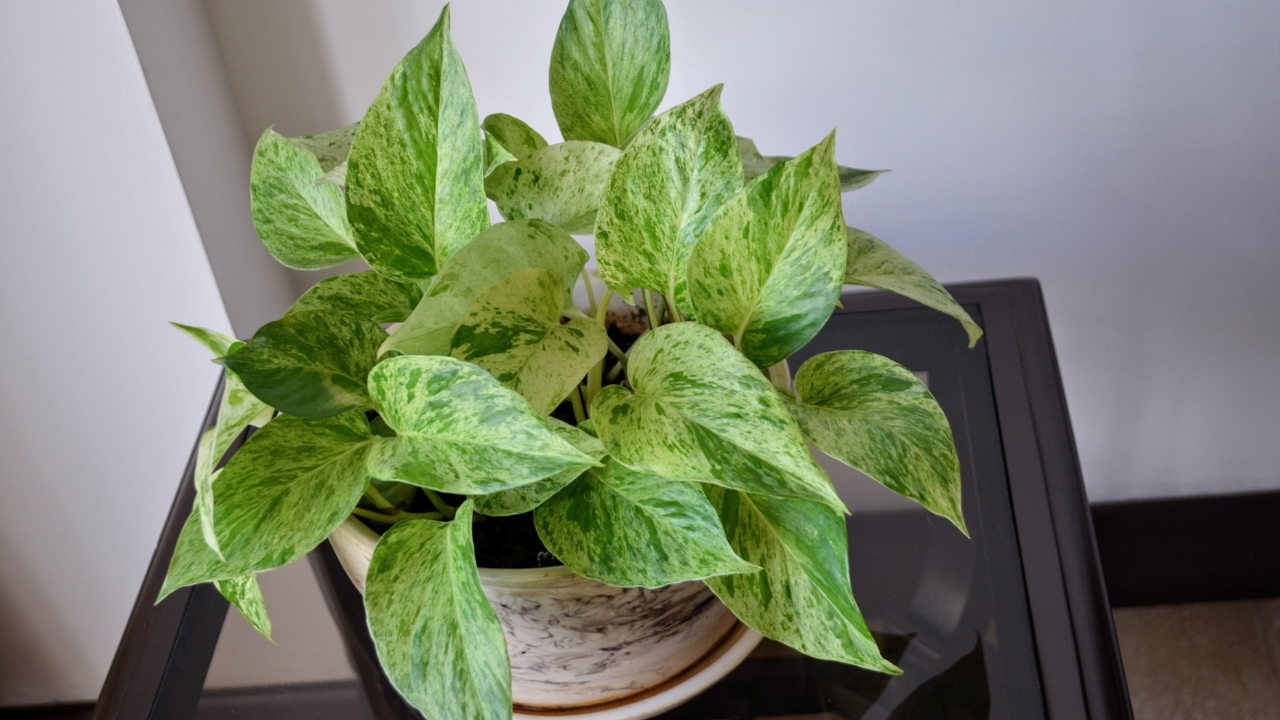
Pothos is the plant you get when you want something that basically raises itself. It handles low to medium light, occasional neglect, and regular indoor temperatures without drama. You can drape it off a shelf, let it trail from a hanging basket, or train it along a mantle.
Water when the top inch of soil feels dry—nothing fancy. If you forget and it droops, it usually bounces back after a good drink. You can snip pieces off, stick them in water, and grow new plants for other rooms. It’s forgiving, cheap, and looks lush without making you earn it.
Snake plant
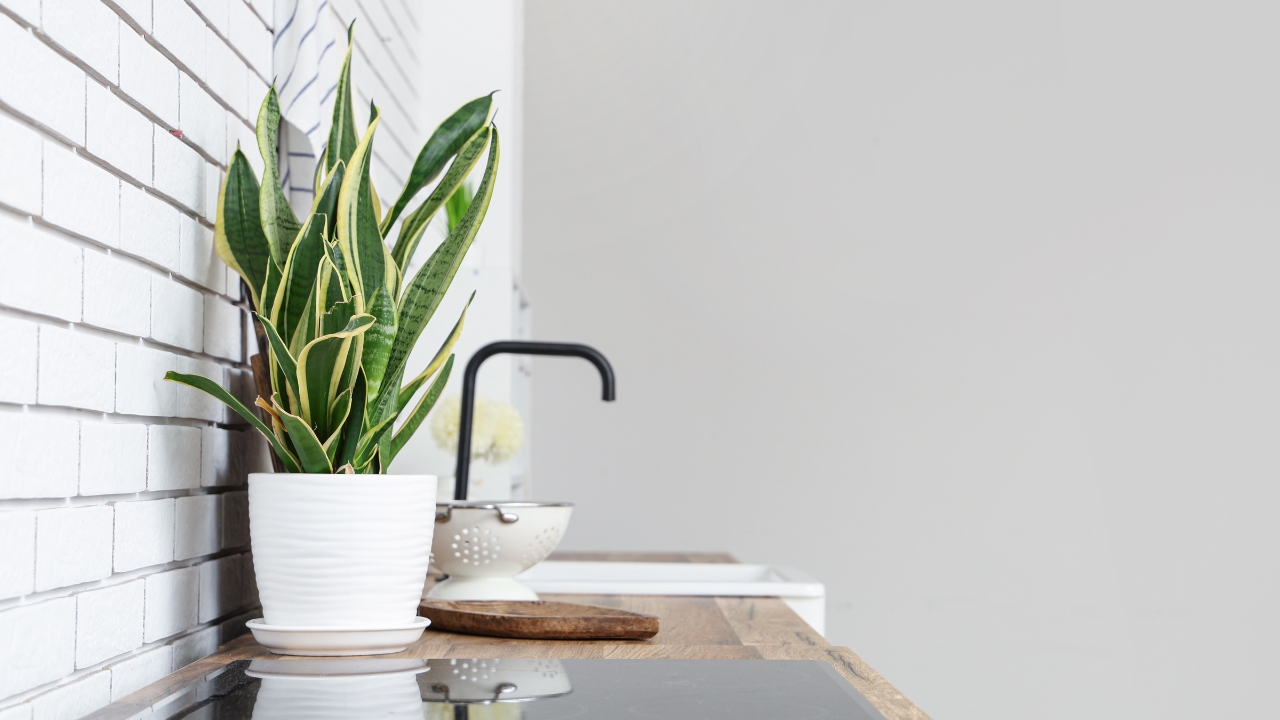
Snake plants are perfect for “I like plants but I don’t want to babysit anything.” They tolerate low light better than most and don’t need frequent watering. In fact, overwatering is the main way people kill them.
They’re upright and narrow, so they tuck nicely into corners, next to furniture, or beside the TV stand without taking over the room. Water every few weeks when the soil is dry deep down. That’s it. No misting, no special soil mixes, just a pot with a drainage hole and a little bit of attention once in a while.
ZZ plant
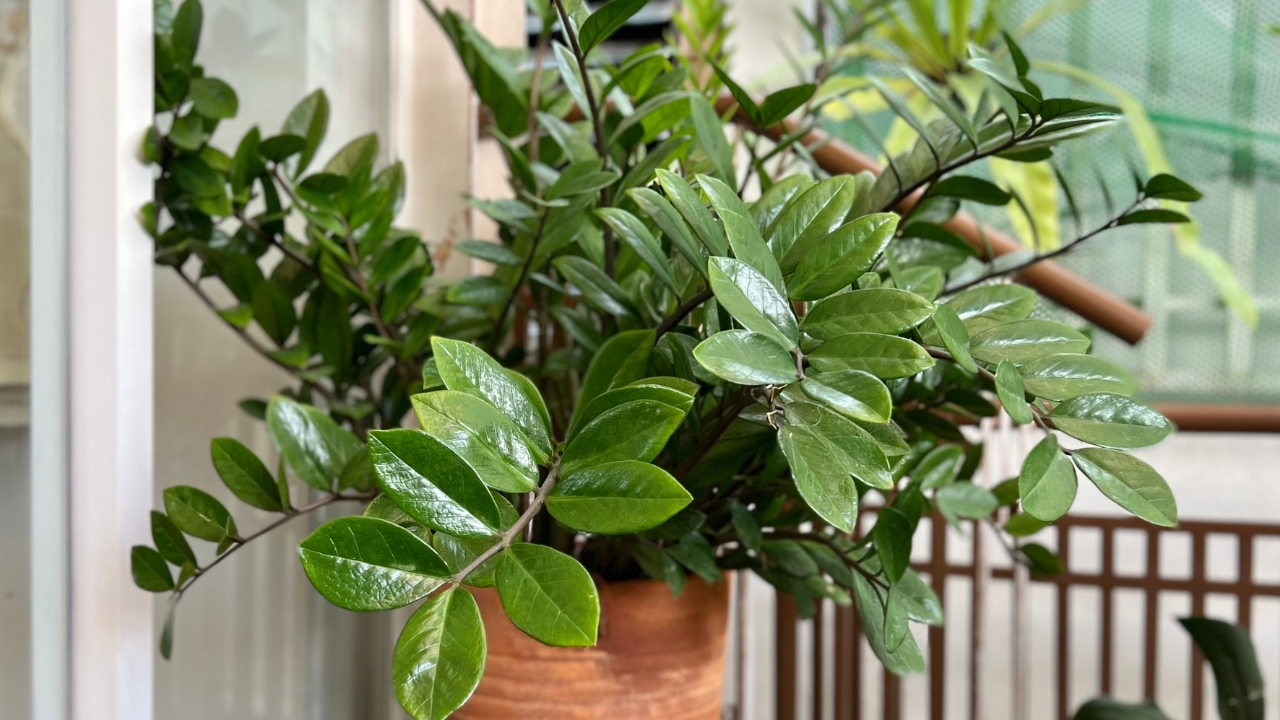
ZZ plants are almost comically tough. Their thick stems and glossy leaves store water, so they shrug off dry indoor air and skipped waterings. They’re happy in low to medium light and stay looking good even if you forget about them for a bit.
They do best in a pot with drainage and an occasional wipe-down of the leaves to remove dust. Water when the soil is dry most of the way down. If you want a plant for an office, hallway, or corner that never gets direct sun and you’re not going to hover over it, a ZZ plant is a solid choice.
Spider plant
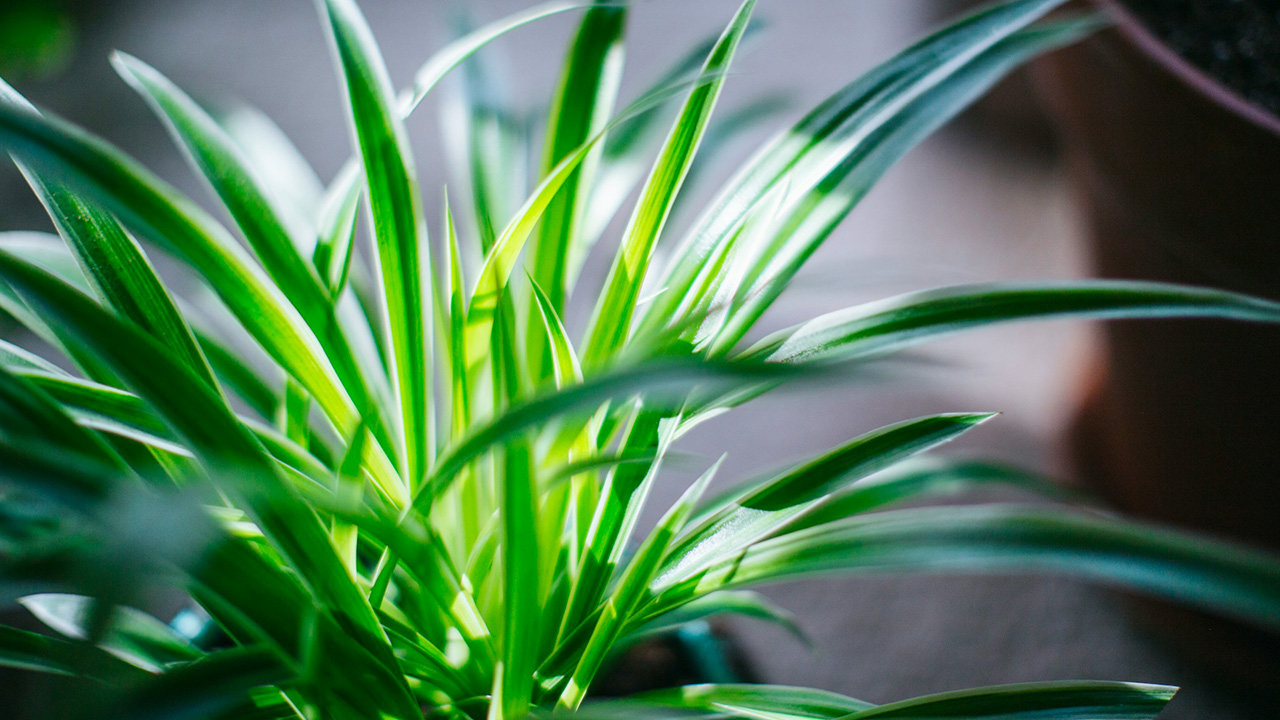
Spider plants are friendly, easy, and good at telling you what they need. They like bright, indirect light but can tolerate lower light too. Their arching leaves and hanging “babies” make them look lively even when you haven’t done much.
Water when the top of the soil feels dry and trim off brown tips when they show up. If your water is heavily treated, using filtered or letting tap water sit out overnight can help. They’ll reward you with little plantlets you can root and share or pot up elsewhere in the house.
Peace lily
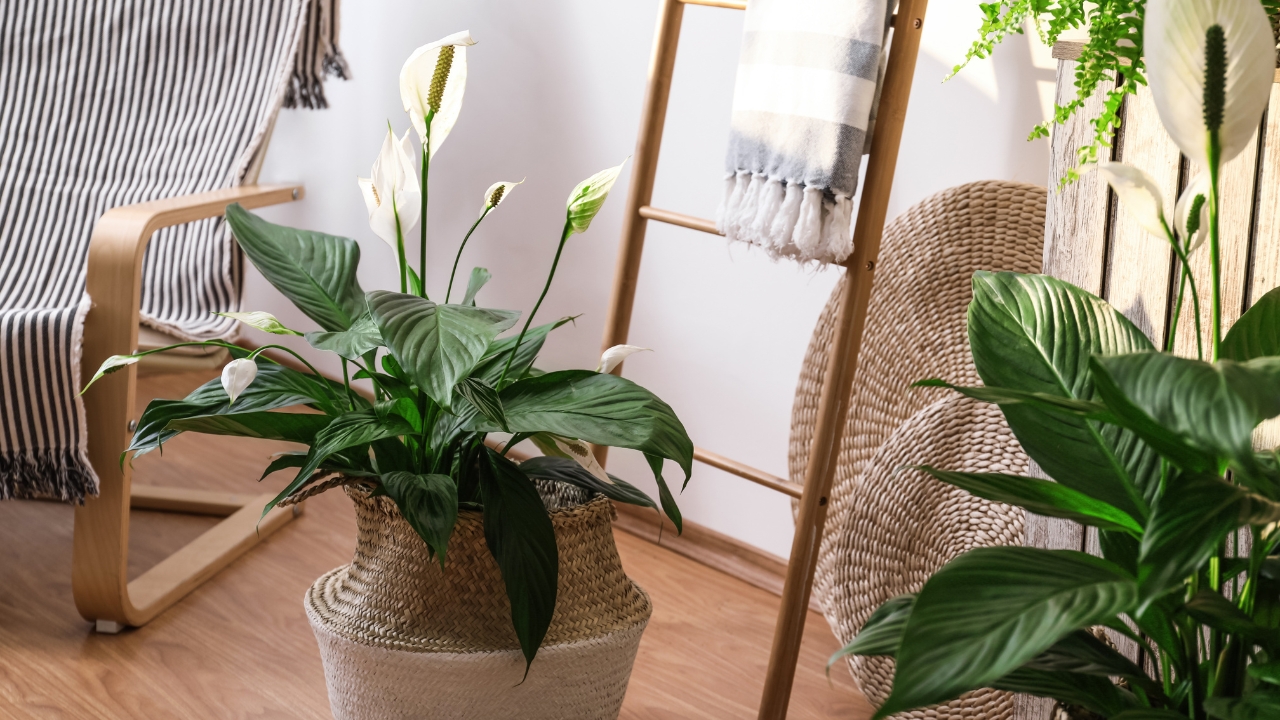
Peace lilies are slightly more dramatic, but in a helpful way—they droop when they’re thirsty, and perk back up after a drink. They like medium light and slightly more consistent moisture than some of the others on this list, but they’re still beginner-friendly.
If you want something with flowers, this is a good option. You don’t have to fuss: water when the top inch of soil is dry, keep them out of direct hot sun, and wipe the leaves occasionally. If they stop blooming, they may just need a slightly brighter spot or a light feeding during growing season.
Basic kitchen herbs (basil, parsley, chives)

You don’t have to run a full herb garden to get some fresh flavor indoors. A small pot of basil, parsley, or chives on a bright windowsill will usually do fine if you remember two things: light and drainage.
Use a pot with holes, a light potting mix, and give them as much sunlight as you can—south or west windows are ideal. Water when the top of the soil feels dry, and clip regularly to encourage new growth. Even if they don’t last forever, you still get a season of fresh herbs for cheap.
Green onions regrown from grocery scraps
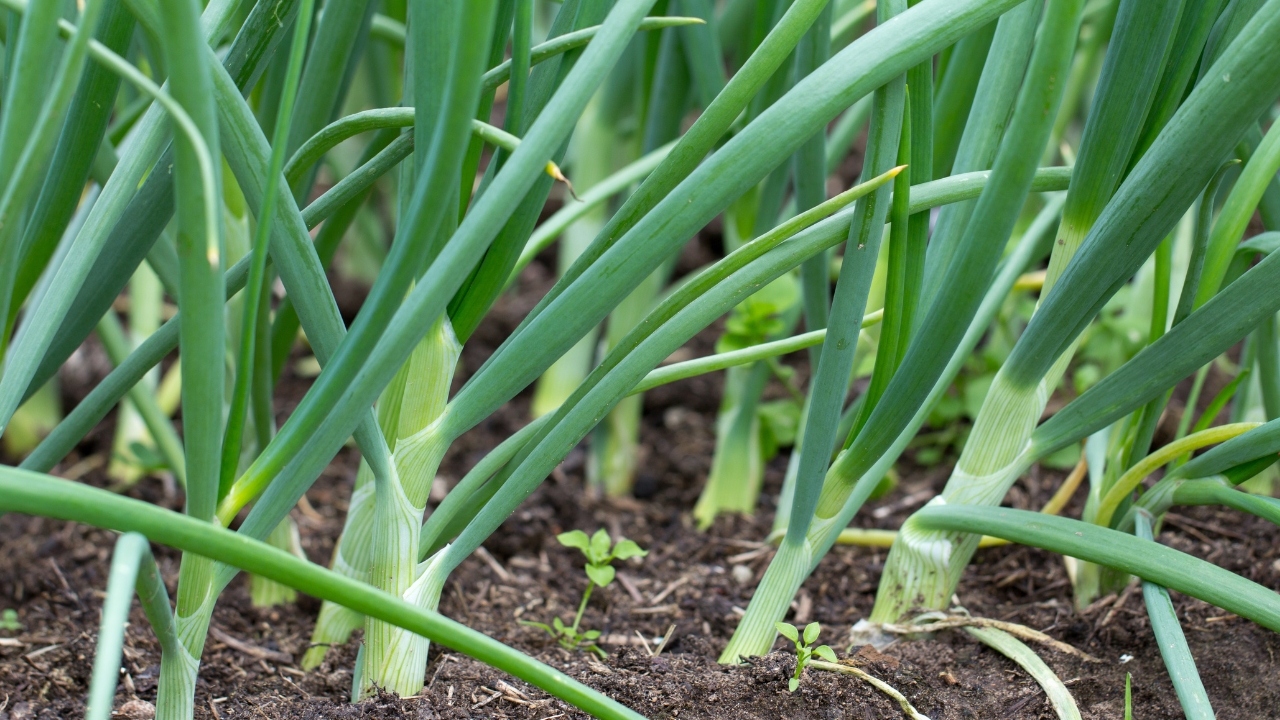
If you want something nearly foolproof, regrow green onions. Save the white root ends from a bunch, stick them in a glass of water on the windowsill, and they’ll start sending up new green growth within days.
You can keep them in water, changing it every few days, or transfer them to a small pot of soil once they’ve thickened up. Snip what you need for eggs, soups, or baked potatoes, and they’ll keep regrowing for a while. It’s low-commitment, easy for kids, and makes you feel a little smug about stretching groceries.
Aloe vera
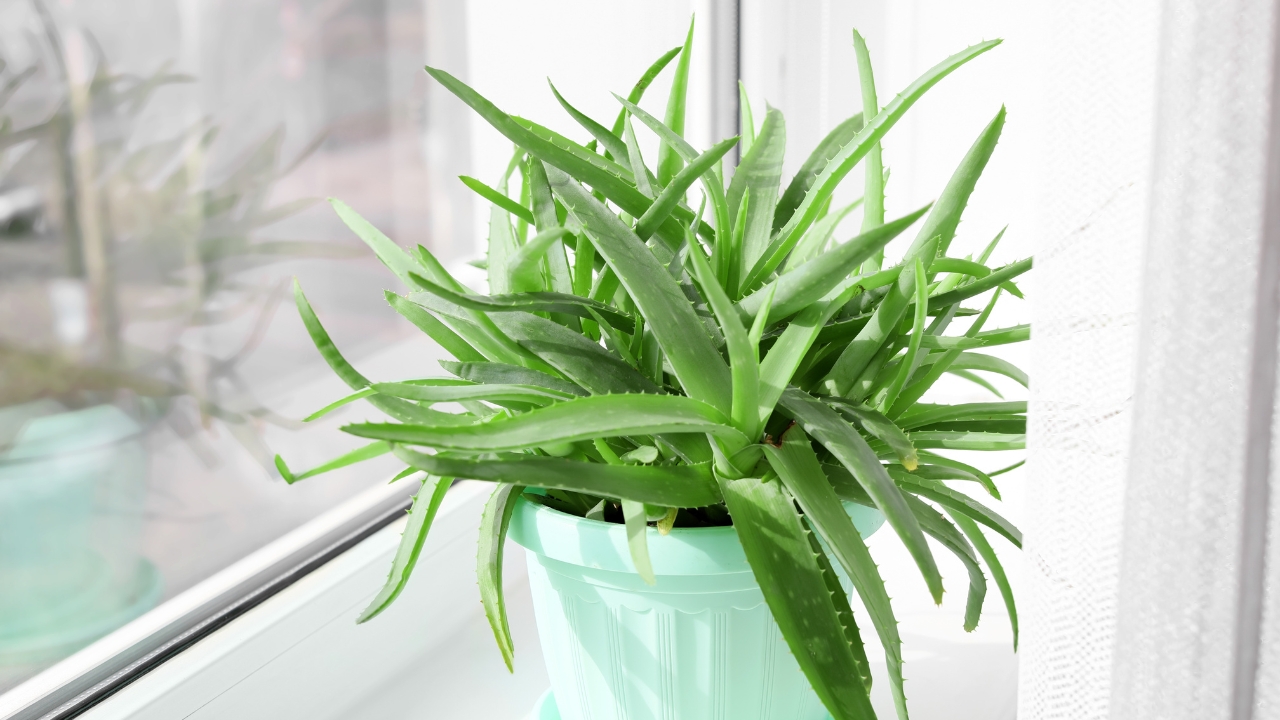
Aloe does best in bright light and doesn’t want much water, which makes it ideal if your main problem is remembering to water too often. Put it near a sunny window, in a pot with good drainage, and use a lighter, cactus-style soil if you can.
Water deeply but infrequently—let the soil dry out between waterings. Beyond that, it mostly minds its own business. The gel from the leaves can be used on minor kitchen burns or scrapes, which is handy if you cook a lot and don’t always avoid the oven rack.
Cast iron plant
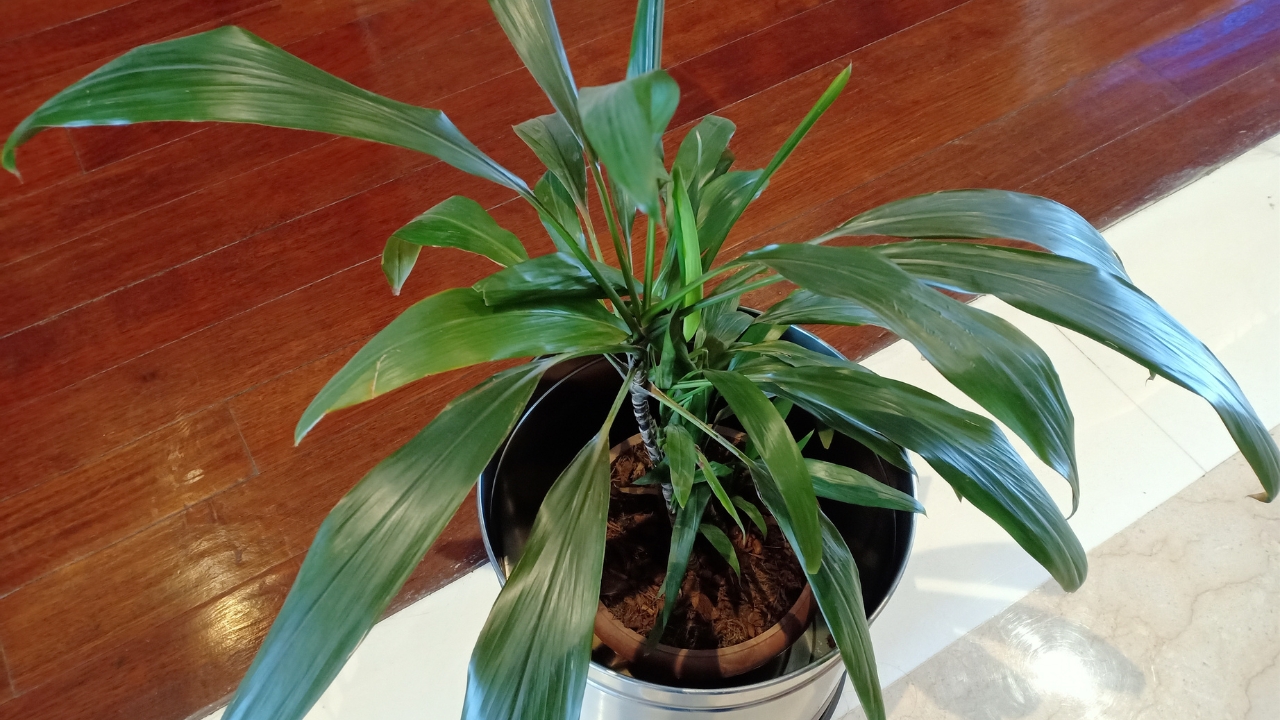
The cast iron plant lives up to its name—it’s slow-growing, but very hard to kill. It can handle low light, temperature swings, and less-than-ideal watering habits. If you have a spot where everything else fails, it’s worth trying one.
It likes even moisture but will forgive some neglect. Dust the wide leaves now and then so they can actually absorb what light they’re getting. It’s not flashy, but it gives a steady, deep green backdrop that makes a room feel more grounded without asking for constant attention.
Simple salad greens under a grow light

If you’ve got the itch to grow something you can eat, baby lettuce or mixed salad greens are an easy indoor project. Toss seeds into a shallow container filled with potting mix, set it under a basic grow light or in a very bright window, and keep the soil lightly moist.
You don’t have to wait for full heads of lettuce—just cut the leaves when they’re a few inches tall and let them regrow once or twice. It’s forgiving, fast, and doesn’t require perfect technique. You get a small bowl of fresh greens from the same container multiple times, which feels satisfying without turning your whole house into a greenhouse.
Like Fix It Homestead’s content? Be sure to follow us.
- I made Joanna Gaines’s Friendsgiving casserole and here is what I would keep
- Pump Shotguns That Jam the Moment You Actually Need Them
- The First 5 Things Guests Notice About Your Living Room at Christmas
- What Caliber Works Best for Groundhogs, Armadillos, and Other Digging Pests?
- Rifles worth keeping by the back door on any rural property
*This article was developed with AI-powered tools and has been carefully reviewed by our editors.