10 Things You Should Replace Before Summer Heat Hits
Extreme heat strains your home, your car, and your body long before the calendar officially flips to summer. Swapping out a few quiet weak links now gives you a far better shot at staying safe, comfortable, and mobile when temperatures spike. Rather than reacting to the first heat wave, treat the coming season like a deadline for replacing ten specific items that are most likely to fail when the mercury jumps.
These replacements are not about cosmetic upgrades. They target the systems that keep your indoor air cool, your vehicle dependable on hot pavement, and your daily routines adaptable when the heat index climbs. By focusing on filters, fluids, fabrics, and safety gear in a structured way, you prepare for the kind of prolonged hot spells that increasingly define modern summers.
1. AC Filters That Choke Your Home’s Cooling
Your air conditioner can only work as well as the air that flows through it, and a clogged filter quietly robs you of both comfort and efficiency. Running your cooling system into the hottest stretch of the year with a dirty filter forces the blower to work harder, reduces cold air output, and risks freezing coils or premature breakdowns. It also circulates more dust and allergens at the exact moment you are likely to keep windows closed for long stretches, which makes your living space feel stuffy even when the thermostat reads a reasonable number.
Energy advisors recommend that you replace filters every during heavy use and pair that habit with a professional tune up before sustained heat arrives. Treating the filter like a consumable, not a permanent fixture, gives your system better airflow and keeps it from short cycling on the hottest afternoons. Guidance on how to prepare your home also stresses simple steps like sealing around attic access and improving attic ventilation, which reduces the temperature difference your AC has to fight. The payoff is a cooler home, lower bills, and less risk that a worn out part fails during the first major heat event.
2. Worn Car Tires That Hate Hot Pavement
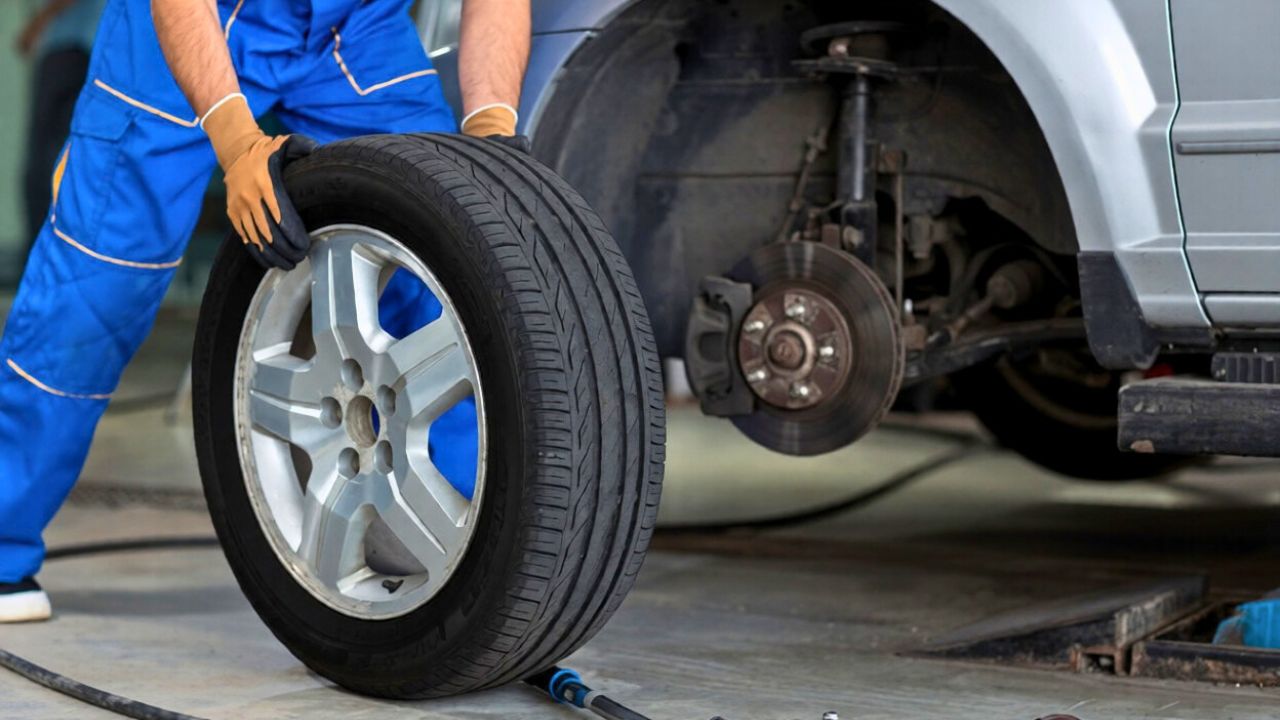
High temperatures magnify every weakness in your tires, from shallow tread to cracked sidewalls. As the road surface heats up, the air inside each tire expands, and any existing damage can turn from a cosmetic flaw into a blowout at highway speed. If you have been postponing a tire swap because the tread just barely passes a coin test, the lead up to summer is the moment to stop gambling on rubber that is already near the end of its life.
Automotive guidance on getting your ride ready for hot weather urges you to look for cracks in the sidewalls from too many days in the sun and to replace any tire that shows uneven wear. It also calls for confirming that your spare is properly inflated instead of discovering a flat lifeline on the shoulder of the interstate. When you pair fresh rubber with correct tire pressure, you reduce the chance of catastrophic failure during long, hot drives and improve braking performance if you need to stop suddenly on slick pavement after a summer thunderstorm.
3. Weak Vehicle Brakes and Fluids Before Road Trips
Summer heat often coincides with longer drives, heavier loads, and stop and go traffic, all of which punish marginal braking systems. If your pads are already thin or your brake fluid is old and moisture contaminated, repeated hard stops on a hot day can lead to fading performance or a spongy pedal. You may not notice the degradation during short commutes in mild weather, yet the combination of heat and highway speeds can expose the problem quickly.
State safety messages that frame summer as a time for family road trips urge you to check your brakes before you head out, along with belts for cracks and other damage. Broader car care advice for the warm season also highlights essential summer car that include inspecting brake components, coolant, and transmission fluid. Replacing worn pads and flushing degraded fluids before temperatures spike gives you more stopping power when you are hauling kids, luggage, and sports gear through congested holiday traffic.
4. Failing Car AC Components and Low Refrigerant
A weak air conditioner in your vehicle is more than an annoyance when the dashboard thermometer climbs. Cabin temperatures can soar quickly in slow traffic, which affects your concentration and increases fatigue. If your AC has been blowing lukewarm air or cycling erratically, the weeks before summer are the time to address it instead of hoping it will hold on for one more season.
Summer maintenance guides recommend that you test the AC early and look for signs of low refrigerant, one of the most common causes of malfunctioning systems. Separate advice on seasonal car care stresses that summertime is road and encourages you to schedule inspections of belts, hoses, and cooling fans before you load up the car. Combining a recharge or component replacement with a broader check of your cooling system reduces the odds of being stranded on the side of the road with both an overheated engine and a stifling cabin.
5. Old Wiper Blades and Clouded Visibility
Summer heat does not just mean clear skies. In many regions it also brings fast moving thunderstorms that can dump sheets of rain on already slick roads. If your wiper blades chatter, streak, or leave wide swaths of glass untouched, your visibility can disappear at the exact moment traffic slows and brake lights flare ahead of you. Replacing those blades before the first serious storm gives you a simple but powerful safety upgrade.
Guidance on preparing your vehicle for hot weather explains that checking and replacing wiper blades for summer driving helps you maintain optimal visibility and drive confidently during heavy showers. Pairing fresh blades with a topped up washer reservoir and clean inside glass reduces glare from low sun angles and oncoming headlights reflecting off wet pavement. That combination can make the difference between spotting a hazard in time and reacting too late on a crowded highway.
6. Attic Insulation and Ventilation That Trap Heat
The hottest air in your home usually collects above your head, and an attic that acts like an oven will radiate that heat back into your living space long after the sun sets. If your insulation is thin, patchy, or missing in key areas, your air conditioner must run longer to keep rooms comfortable. Poor ventilation compounds the problem by letting heat and moisture accumulate, which can warp roofing materials and shorten the life of your shingles.
Home energy experts explain that when you prepare your home you should pay close attention to the attic, sealing gaps and improving airflow so hot air can escape. Additional guidance on seasonal property care notes that after you take care of obvious systems like water supply and electricity, you should comb the structure for vulnerabilities before dry summer months. Replacing flattened or missing insulation and adding vents or fans where appropriate can drop attic temperatures significantly, which in turn reduces strain on your cooling equipment and keeps upper floors more livable.
7. Heavy Fabrics and Dark Clothing That Trap Heat
What you wear can either help your body shed heat or trap it, and heavy, dark fabrics work against you when the sun is high. Thick synthetic materials often hold sweat close to your skin and reduce air circulation, which makes outdoor errands, commutes, or even indoor chores feel more exhausting. If your warm weather wardrobe leans heavily on dark, tight clothing, you set yourself up for unnecessary discomfort once the first heat wave arrives.
Health guidance on staying comfortable in high temperatures recommends that you wear natural fabrics such as loose fitting white cotton or linen shirts, since lighter colors reflect more sunlight and breathe better. The same advice cautions that dark fabrics absorb more heat and can make you feel hotter even in moderate conditions. By replacing heavy synthetic tops and pants with lighter, looser options before summer, you give yourself an everyday tool for managing heat stress, especially if you work outdoors or spend long periods in spaces without strong air conditioning.
8. Outdated Cooling Habits and Home Heat Strategies
Some of the most effective changes you can make before summer are not physical products but habits that no longer match how heat behaves in your home. If you routinely open windows during the hottest part of the day or run your oven in the late afternoon, you may be fighting your own cooling efforts. Replacing those routines with more heat aware strategies can lower indoor temperatures without major renovations.
Energy advice on how to prepare your home suggests shifting heat producing tasks to cooler hours and using fans strategically to move air rather than relying solely on mechanical cooling. Separate health focused guidance lists here are some to beat the heat, including taking cool showers, staying hydrated, and resting in shaded or air conditioned spaces. Research on whether cold showers genuinely cool you down, explored in a health check, adds nuance by explaining how water temperature and shower length affect your body’s response. Updating your daily patterns with that kind of evidence makes each degree of cooling power from your home systems go further.
9. Expired Safety Gear for Heat and Fire Risks
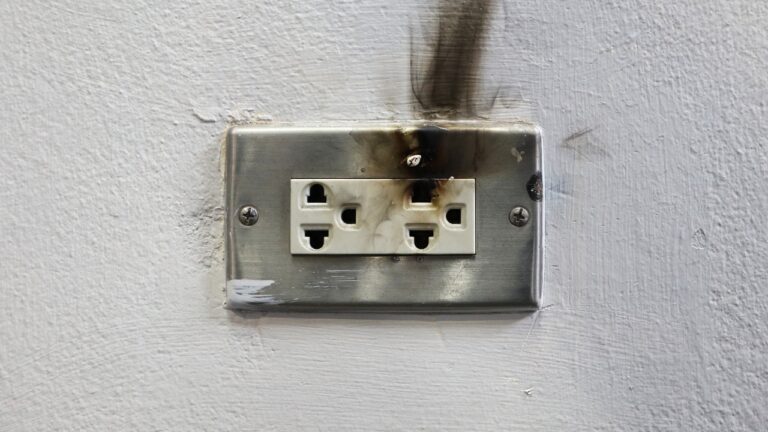
Heat waves often overlap with higher fire risk, whether from overloaded electrical systems, outdoor grilling, or dry vegetation near your property. If your fire extinguishers, smoke alarms, or emergency kits are outdated, you may find that the tools you counted on do not work when you need them. Replacing or recharging this gear before the hottest months gives you a stronger safety net during a season when small sparks can escalate quickly.
Home safety guidance urges you to check your fire regularly to confirm they are not expired and remain fully charged, instead of assuming a dusty canister in the corner still works. Broader advice on seasonal preparation also emphasizes reviewing escape routes and ensuring that attic and outdoor storage areas are free of combustible clutter before heat and dryness peak. When you pair fresh extinguishers and working alarms with the other replacements in your home and vehicle, you create a layered defense against the kinds of heat related emergencies that tend to arrive with little warning.
Like Fix It Homestead’s content? Be sure to follow us.
Here’s more from us:
- I made Joanna Gaines’s Friendsgiving casserole and here is what I would keep
- Pump Shotguns That Jam the Moment You Actually Need Them
- The First 5 Things Guests Notice About Your Living Room at Christmas
- What Caliber Works Best for Groundhogs, Armadillos, and Other Digging Pests?
- Rifles worth keeping by the back door on any rural property
*This article was developed with AI-powered tools and has been carefully reviewed by our editors.