10 things you’ll need to buy before you can live on land
Moving onto land sounds like freedom—and it is—but it takes a lot more than a house and a driveway to actually live out there. If your land doesn’t already have utilities and infrastructure, you’ll be footing the bill for everything from water access to basic trash service.
These are the essentials most people don’t think about until they’ve already spent thousands on the house pad and hookups. Here’s what you’re going to need before you can actually live on land.
Water Source or Access
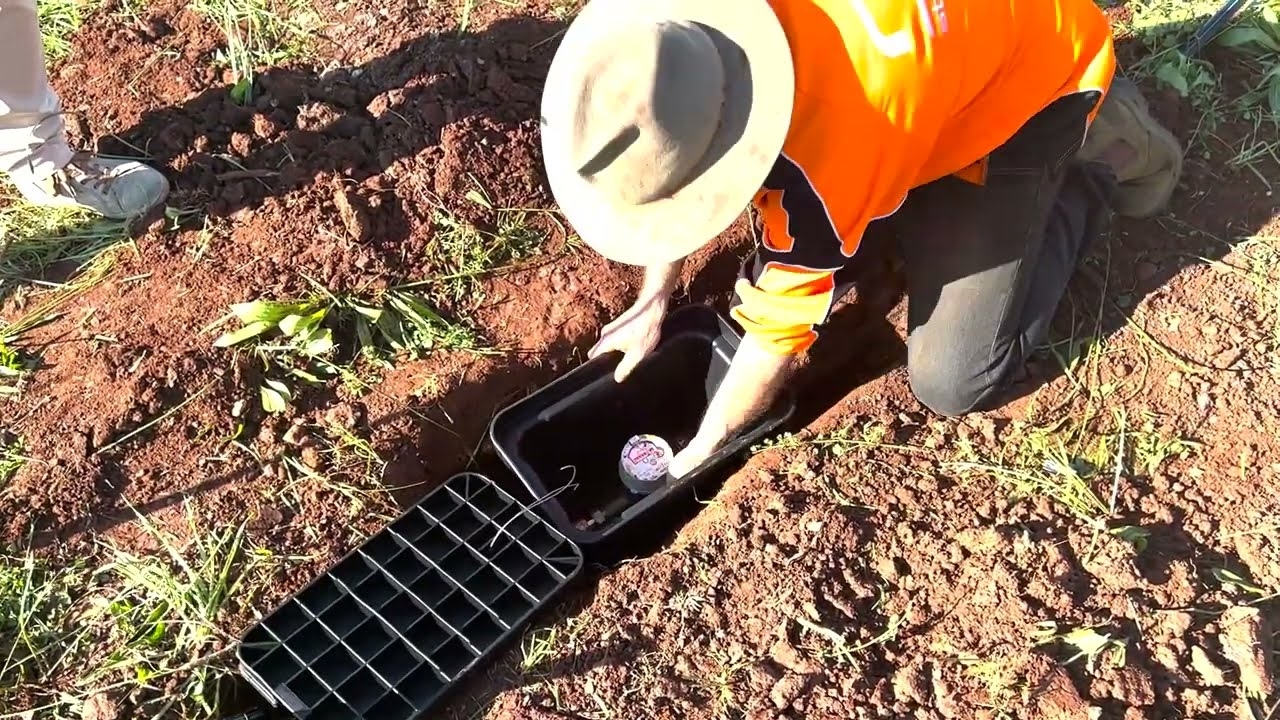
Whether you’re tapping into a rural water line or drilling your own well, you need a reliable source of clean water before you can move in. That means paying for either a water meter and trenching or a well, pump, pressure tank, and installation. If the water line is far from your site, expect those costs to climb.
You’ll also need a licensed professional for any of these options. Don’t forget to ask your water provider for a cost estimate upfront—even if you’re technically “nearby,” it might still cost thousands to hook in.
Septic System
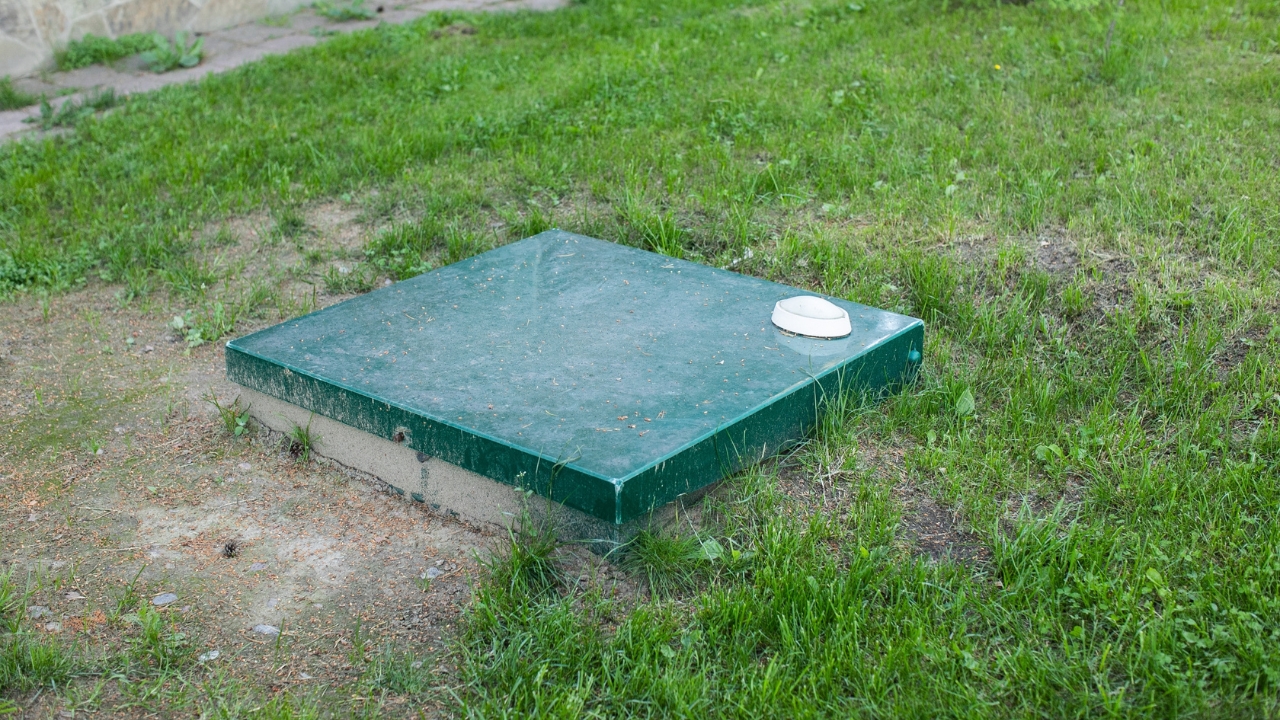
If there’s no city sewer, you’ll need a septic system—and that starts with a perk test to see if your land can even handle one. A standard system costs several thousand, and if the soil doesn’t drain well, you might end up paying for an engineered system that’s double the price.
A septic system is non-negotiable. No company will legally install a mobile home or grant final occupancy without it. It’s one of the first big-ticket items you’ll have to budget for, and it’s often the most overlooked.
Electrical Setup
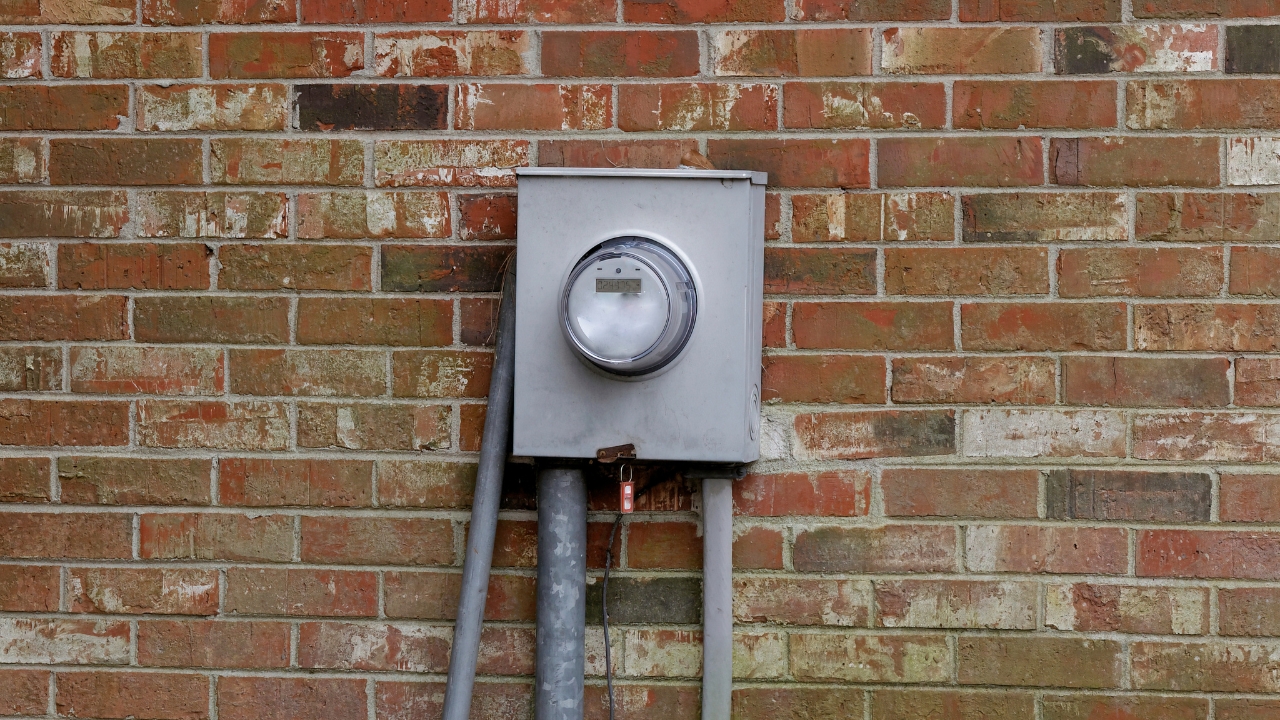
Bringing electricity onto raw land is rarely cheap. You’ll need to work with the utility company for a site evaluation, and depending on how far your home is from the nearest pole, you might be paying for new poles or underground lines. None of that is included in your house price.
You’ll also need a meter loop and possibly a temporary pole if you’re building. If you want to avoid redoing everything later, go ahead and install 200-amp service upfront—it gives you room to grow.
House Pad or Foundation
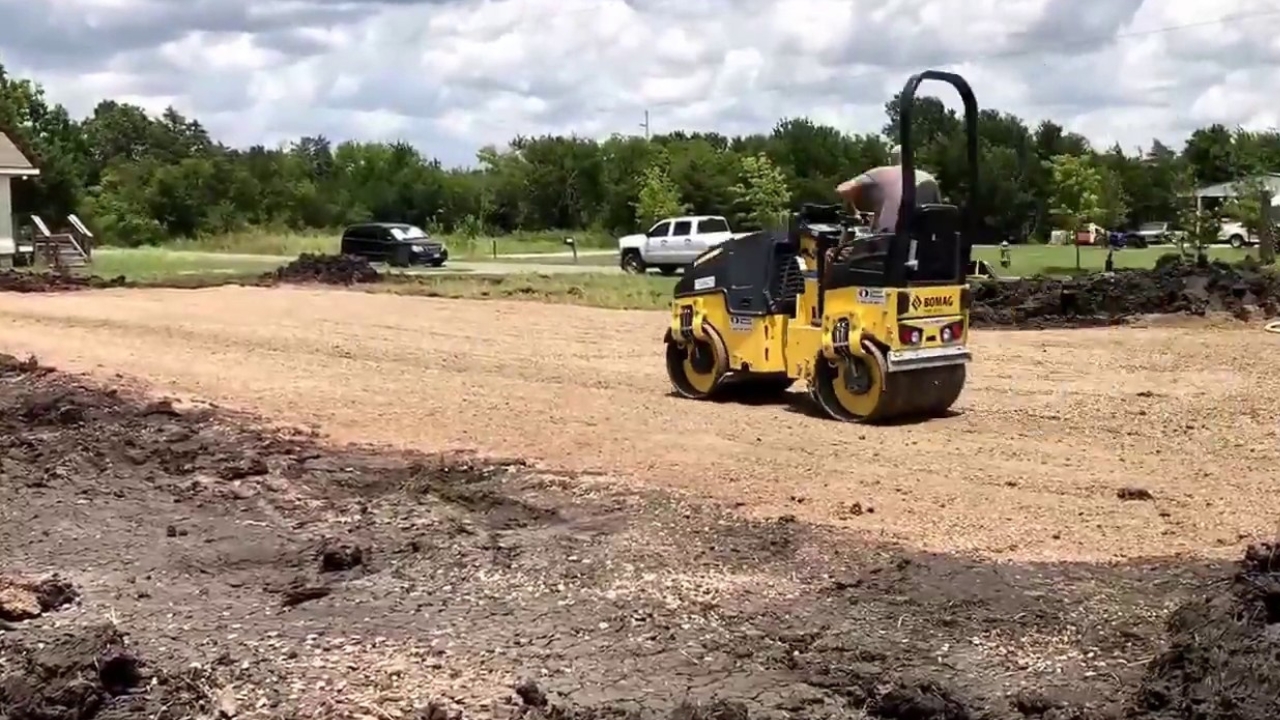
You can’t just plop a mobile home on the ground. You’ll need a leveled and compacted house pad that drains well and meets county codes. Depending on the slope and soil, that could mean bringing in a lot of fill or gravel. If you’re putting in a traditional foundation, the costs go even higher.
Either way, expect to pay several thousand dollars to get the site prepped before your home ever arrives. Skipping this or doing it halfway can lead to serious drainage problems or instability down the road.
Driveway and Culvert

You’ll need a driveway that can handle heavy trucks—not just your car. That means gravel, possibly several loads, and grading to keep water from washing it out. If your land connects to a public road, most counties require a culvert to prevent ditch erosion.
It’s a big upfront expense that doesn’t feel exciting, but it’s essential. Without a proper entrance, no one will deliver your home, and bad weather can turn your driveway into a muddy mess fast.
Trash Pickup Plan
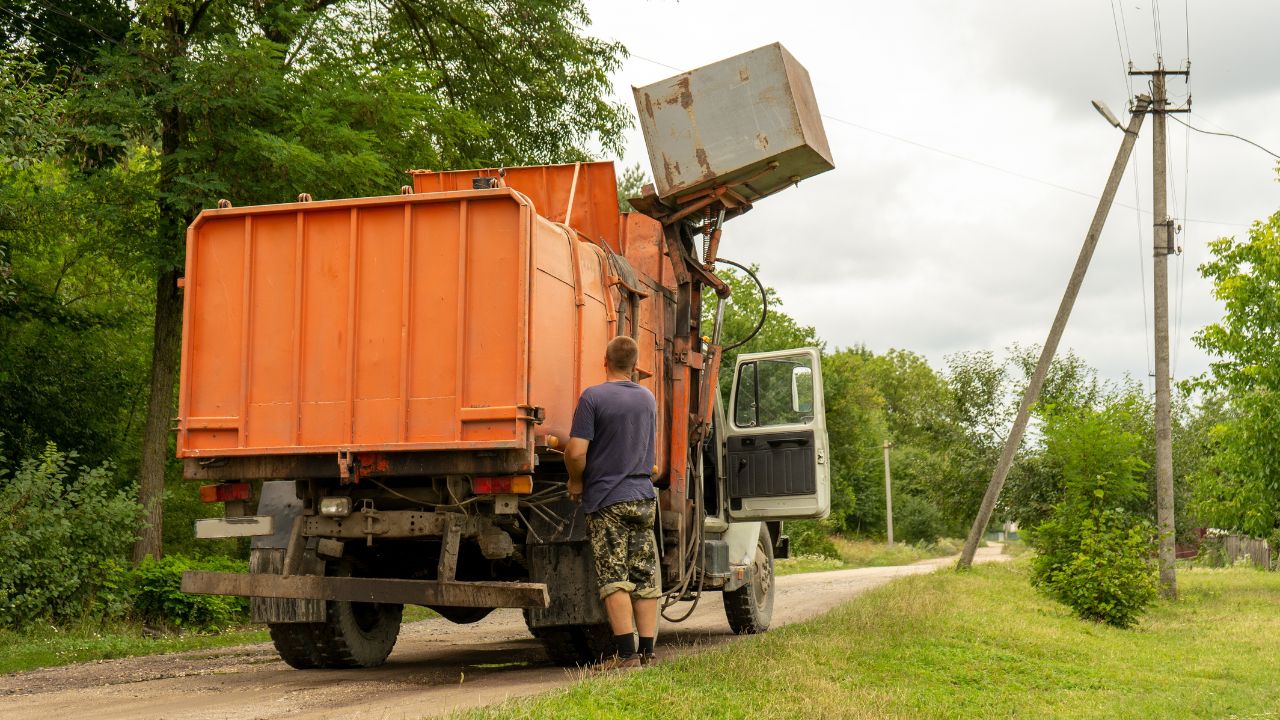
Trash isn’t something you want to figure out after you’ve moved in. If you’re outside city limits, you’ll likely need to hire a private company for pickup—or haul it to the dump yourself. That may also mean buying heavy-duty trash bins or building an enclosure.
Some counties won’t let you move in until you’ve proven you have a legal waste disposal plan. So don’t wait until the bags are piling up—this is something to budget for and schedule ahead of time.
Mailbox and 911 Address
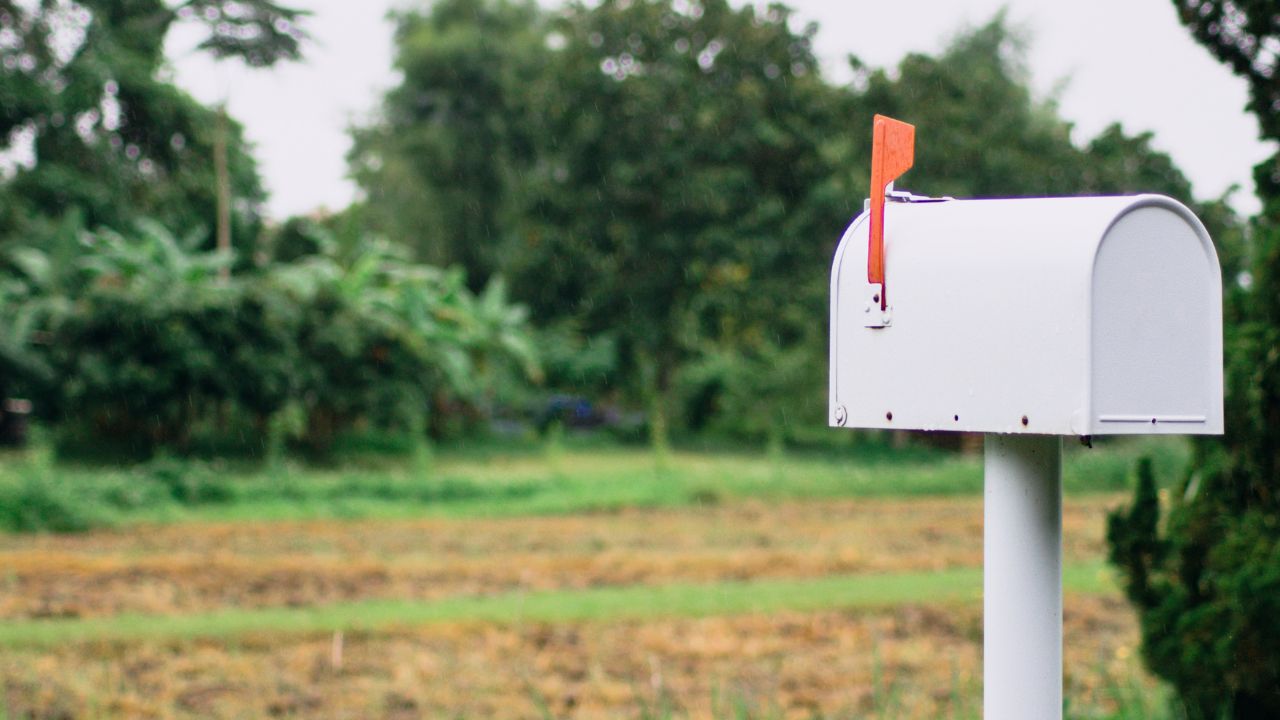
You can’t get deliveries or official mail until you have a 911 address—and that’s not always automatic. You’ll need to request one from your county, which usually requires having utilities already in place or at least a driveway.
Once you have the address, you’ll need to buy and install a mailbox in the right spot. Some delivery services won’t come down rural driveways, so having it properly labeled and accessible from the road can save you a lot of trouble.
Internet Access

Rural internet can be a pain to figure out. Some areas offer fiber, but many don’t. Satellite and hotspot internet are options, but they’re slower and often come with data caps. Before you move in, research what’s available and be prepared to pay for installation or equipment.
If you work from home or stream anything, you’ll want to know your internet setup in advance. This is one of those things that can make or break how livable your setup feels.
Heating and Cooling

You’ll need a heating and cooling setup that works for your region. Some mobile homes come with central HVAC, but others need window units, mini splits, or propane heat added after delivery. If you’re going with propane, you’ll need to lease or buy a tank and have it filled.
Extreme temperatures can make rural living miserable without the right setup. Don’t wait until a cold snap or heat wave to start scrambling. Go ahead and get your heating and cooling squared away while you’re still planning.
Water Heater and Appliances

Not all mobile homes or new houses come with appliances, especially if you’re buying used or building piecemeal. You may need to buy a water heater, refrigerator, washer/dryer, or range before you can realistically live in the space.
Some counties require working water and appliances before approving final move-in. Double-check what’s included in your home package and budget for any major missing items you’ll need to live comfortably.
*This article was developed with AI-powered tools and has been carefully reviewed by our editors.