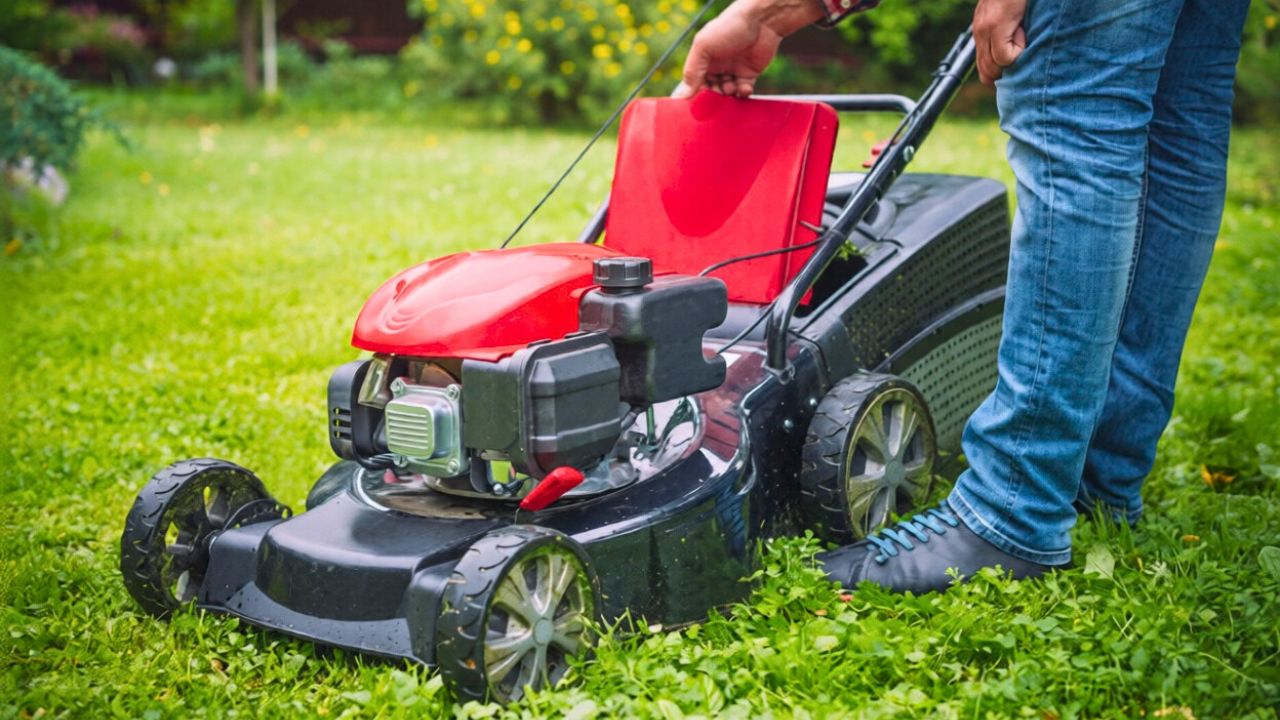
10 Things Your Mower Shouldn’t Be Doing After Winter Storage
After a few months in the shed, your mower should fire up, run smoothly, and cut cleanly without drama. When it starts doing anything else, those quirks are often early warnings that winter storage has taken a toll. By spotting what is not normal in the first few minutes of spring use, you protect the engine, extend the life of key parts, and avoid turning a small fix into a full replacement.
You also give yourself a safer machine. Strange noises, smoke, leaks, and vibration are not just annoyances; they can hint at fuel problems, loose hardware, or even rodent damage that puts you at risk the moment you pull the starter cord or turn the key.
1. Refusing to start or only sputtering
If your mower flatly refuses to start after winter or only gives a brief sputter, you are looking at the most common post-storage complaint. Old gasoline is usually the first suspect, because fuel that sits for months can lose volatility and leave varnish in the carburetor, which is why guides on how to prepare your mower for spring stress draining or stabilizing fuel before storage and then starting with a fresh tank when you bring it back out. When you did not do that, the fix often begins with removing stale fuel, checking the spark plug, and making sure the choke and safety switches are working as intended.
Step-by-step troubleshooting lists for mowers that will not fire put an empty or old at the top, followed by clogged fuel filters, gummed-up carburetors, or safety interlocks that are not fully engaged. If you stored the machine with untreated fuel, you may need to clean or replace the carburetor and filter rather than just topping off the gas. When a mower ran fine in the fall and now will not crank, some owners even go as far as draining both gas and oil and starting from scratch, which lines up with advice to fully flush fluids if storage conditions were less than ideal.
2. Running rough, surging, or stalling under load
A mower that starts but then hunts, surges, or dies as soon as the blade engages is telling you that combustion is not consistent. After winter, that usually points to partial fuel blockage, a dirty carburetor, or an air filter that picked up dust and moisture in storage. Engine specialists describe loss of power and surging as among the most common mower, directly tied to the fuel system and air intake, and those are exactly the areas that suffer when a machine sits unused.
If you notice the engine revving up and down on its own, or stalling whenever you hit thicker grass, you should not keep pushing through. Instead, shut it down and inspect the fuel line, filter, and carburetor for debris or varnish from stale fuel, then check the air filter for clogs. Some owners also forget that old oil can thicken in cold storage, which can make an engine labor and stall; that is why winterization checklists call for a fresh oil change before you put the mower away and a quick level check before you bring it back into service.
3. Smoking, burning smells, or visible leaks
Smoke from the exhaust or a sharp burning smell after winter is a clear sign that something is off, even if the mower still cuts. Blue or white smoke can hint at oil getting into the combustion chamber, while black smoke suggests an overly rich fuel mixture, often from a stuck choke or dirty carburetor. If you stored the mower tilted or overfilled the crankcase before winter, oil can seep into the cylinder or muffler and only burn off once you start it again, which is why storage guides warn you to keep the machine level and to avoid overfilling fluids.
Visible drips under the mower are just as serious. Fuel leaking from brittle hoses or a cracked tank is a fire risk, especially if you keep the machine in a garage near a water heater or other ignition source. Oil leaks from seals that dried out over winter can starve the engine once you start mowing, and you may not notice until the low level causes damage. Before you blame smoke or smell on “burning off winter dust,” take a few minutes to inspect for wet spots around the carburetor, fuel lines, and crankcase, and tighten or replace any suspect parts.
4. Excessive vibration, rattling, or shaking
Your mower will always vibrate a little, but if it suddenly feels like it is trying to walk out of your hands after winter, you should stop and investigate. Blades that hit a hidden rock in the last mow of the season and were never checked can sit for months in that bent state, only to shake the entire deck when you start again. Storage guides that walk you through spring prep tell you to inspect and sharpen before the first cut, precisely because a damaged or unbalanced blade can cause vibration and premature wear on the spindle and engine mounts.
Rattling noises can also come from hardware that loosened as the mower sat through cycles of cold and warmth. Deck bolts, handle fasteners, and engine mounts can all back off slightly, especially if you stored the mower where it was exposed to temperature swings or vibration from other equipment. A quick walkaround with a wrench to snug up obvious bolts, followed by a careful test run, can prevent that shake from turning into a cracked deck or broken bracket once you reach full mowing speed.
5. Dead battery, weak starter, or “vampire” electrical drain
On riding mowers and zero turns, a dead battery after winter is common, but you should not ignore how it got that way. If you parked the machine without disconnecting the battery or flipping a master switch, you may have experienced what some technicians call vampire power or, where small draws from hour meters, safety modules, or accessories slowly drain the battery even when the key is off. Over several months, that can leave the battery deeply discharged and permanently weakened.
Weak cranking or a starter that clicks but does not spin the engine can also come from corrosion on battery terminals or cables that sat in a damp shed. Some winter storage tips recommend removing the battery entirely and keeping it indoors on a maintainer, so if you did not do that, you may need to clean the terminals and test the battery with a load tester before you blame the starter itself. Going forward, disconnecting the negative cable or using a battery cut-off switch before winter can keep you from chasing electrical ghosts in spring.
6. Rusty deck, seized wheels, and neglected lubrication
When you pull a mower out and see orange rust blooming along the deck edges or find that the wheels barely turn, you are seeing the cost of moisture and missed lubrication. Storage advice for walk-behind and riding mowers repeatedly highlights the need to clean and lubricate the machine before you put it away, because grass acids and trapped moisture will attack bare metal all winter. If you skipped that step, you may now have rust that eats into the deck and compromises structural strength, especially around discharge openings and mounting points.
Seized or squealing wheels usually mean the bushings or bearings dried out, or that corrosion has started on the axles. Before you force them to turn under load, lift the mower and spin each wheel by hand, then apply the correct grease or oil where the manufacturer recommends. If you hear grinding or feel roughness, you may need to replace a bearing rather than hoping it frees up on its own. A few minutes with a wire brush and lubricant can also slow deck rust, but if you see flaking metal or holes, you should consider whether the deck is still safe to use.
7. Cracked plastic, damaged tires, or weather-beaten controls
Cold and sunlight are not kind to plastics and rubber, and if you stored your mower outside or in an unheated, exposed spot, you may see the results as soon as you look closely. Guidance on weather exposure risks explains that cold can make plastic brittle and prone to cracking, and that harsh wind and rain can accelerate wear on covers and controls. If you now notice cracked fuel caps, faded control knobs, or broken plastic shrouds, those parts may no longer protect internal components from debris and moisture.
Tires can also suffer in winter, especially if they sat flat on frozen ground. Sidewalls may crack, tread can dry out, and slow leaks can leave you with a rim cutting into the rubber once you start driving again. Before you mow, check tire pressures against the decal on the mower, inspect for visible cracks, and look at control cables and levers for stiffness or frayed sheathing. Going forward, parking the mower on a dry surface, out of direct weather, and occasionally rolling it a few inches can help prevent flat spots and cracking.
8. Rodent damage, chewed wiring, and hidden nests
One of the more unsettling surprises after winter is finding that rodents treated your mower as a condo. Pest control specialists warn that what rodents chew becomes your problem, and they are not picky, gnawing on wiring, hoses, and even plastic fuel lines. Automotive technicians describe how they commonly travel along the walls of an engine compartment and chew through obstacles like wiring and hoses, and the same behavior applies inside a riding mower’s engine bay or under a walk-behind deck.
Before you start the engine for the first time, lift the hood or remove the shroud and look for nests made of grass, leaves, or insulation. Check wiring harnesses for bite marks or exposed copper, and inspect fuel lines and control cables. If rodents chewed through insulation, the newly exposed wires can short out, which is more than an inconvenience once the engine is running. Clearing nests and repairing wiring before you crank the starter reduces the risk of electrical failures or even fire, especially if you stored the mower in a barn or attached garage where rodents were active all winter.
9. Ignoring winter prep and spring checks altogether
The last thing your mower should be doing after winter storage is going straight from the corner of the shed to full-speed mowing without any inspection. Experienced owners outline simple routines before winter, such as adding stabilizer to the gas, running the engine to temperature, cleaning and drying the deck, and greasing key points, so that the machine wakes up healthy in spring. One discussion of what you actually need to do with your mower before winter lists steps like clean, dry, and the deck, grease it well, change the oil, and inspect the air filter, all of which pay off months later when you roll the mower back out.
On the flip side, manufacturers that focus on storage remind you that it is worth your while to maintain your mower going into winter so that it is ready to roll when spring returns, including treating fuel so it moves through the entire system, as explained in storage advice that covers how to maintain your mower before you park it. If you skipped those steps last season, you can still protect your investment by building a short spring checklist now: check fuel and oil, inspect and sharpen blades, look for leaks, test the battery, and scan for rodent damage. Treating those tasks as non-negotiable each year keeps the ten red flags in this guide from appearing in the first place and helps your mower stay a reliable tool instead of a recurring repair bill.
Like Fix It Homestead’s content? Be sure to follow us.
Here’s more from us:
- I made Joanna Gaines’s Friendsgiving casserole and here is what I would keep
- Pump Shotguns That Jam the Moment You Actually Need Them
- The First 5 Things Guests Notice About Your Living Room at Christmas
- What Caliber Works Best for Groundhogs, Armadillos, and Other Digging Pests?
- Rifles worth keeping by the back door on any rural property
*This article was developed with AI-powered tools and has been carefully reviewed by our editors.