10 Ways Your Yard Might Be Violating Local Codes
Most homeowners don’t set out to break the rules with their landscaping, but it happens more often than you’d think. Local ordinances vary from one town to the next, and some of them are surprisingly strict when it comes to what you can do with your own yard.
From how tall your grass can be to where you’re allowed to plant a tree, the rules can sneak up on you—and the fines aren’t always small. Here’s what to watch out for before your next project gets you in trouble.
Grass That’s Too Tall
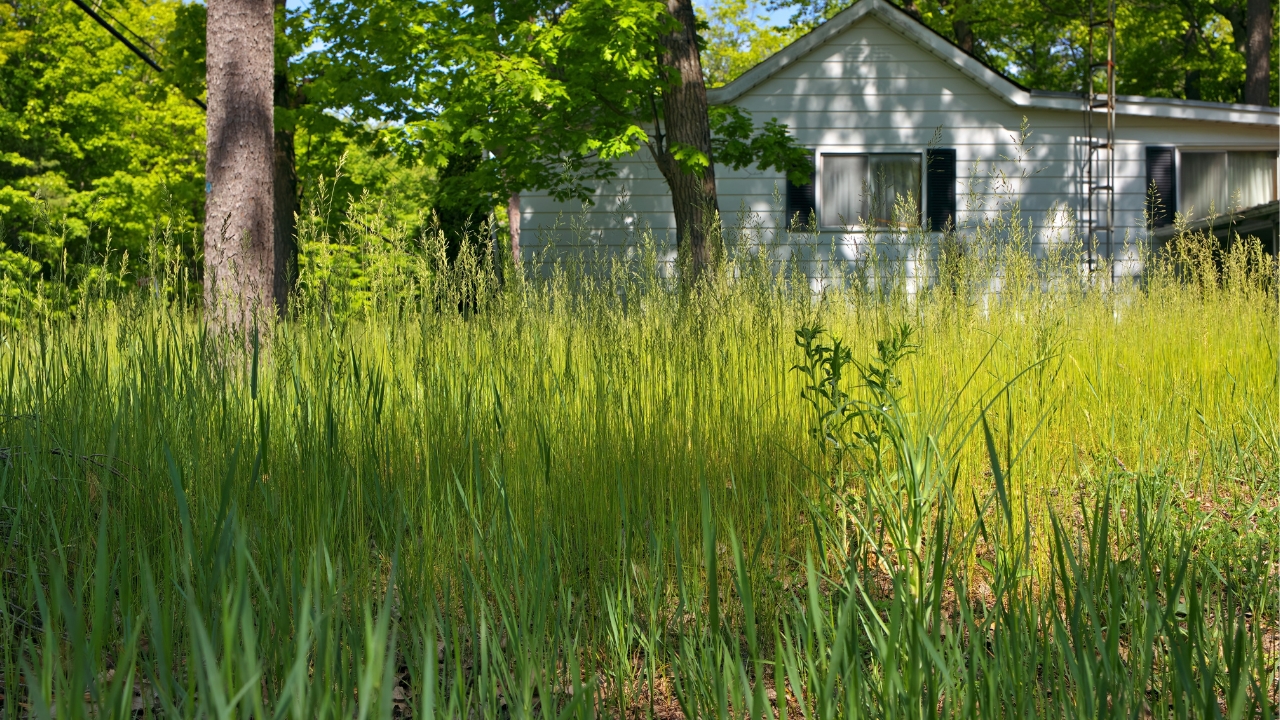
You might think letting the lawn grow for a few extra weeks is no big deal, but many cities have maximum height limits—usually around 8 to 12 inches. If yours goes over, you could end up with a warning or even a fine.
Some areas will mow it for you and charge you for the trouble. It’s one of those things that seems small until code enforcement drives by and leaves a notice on your door.
Unpermitted Fences

Adding a fence can boost privacy and security, but plenty of towns require a permit before you install one. There are also often rules about height, materials, and where the fence sits on your property.
If it crosses a property line or exceeds height limits—especially in front yards—it can trigger complaints or force you to tear it down. It’s worth double-checking the local rules before you set the posts.
Blocking Sidewalk Access
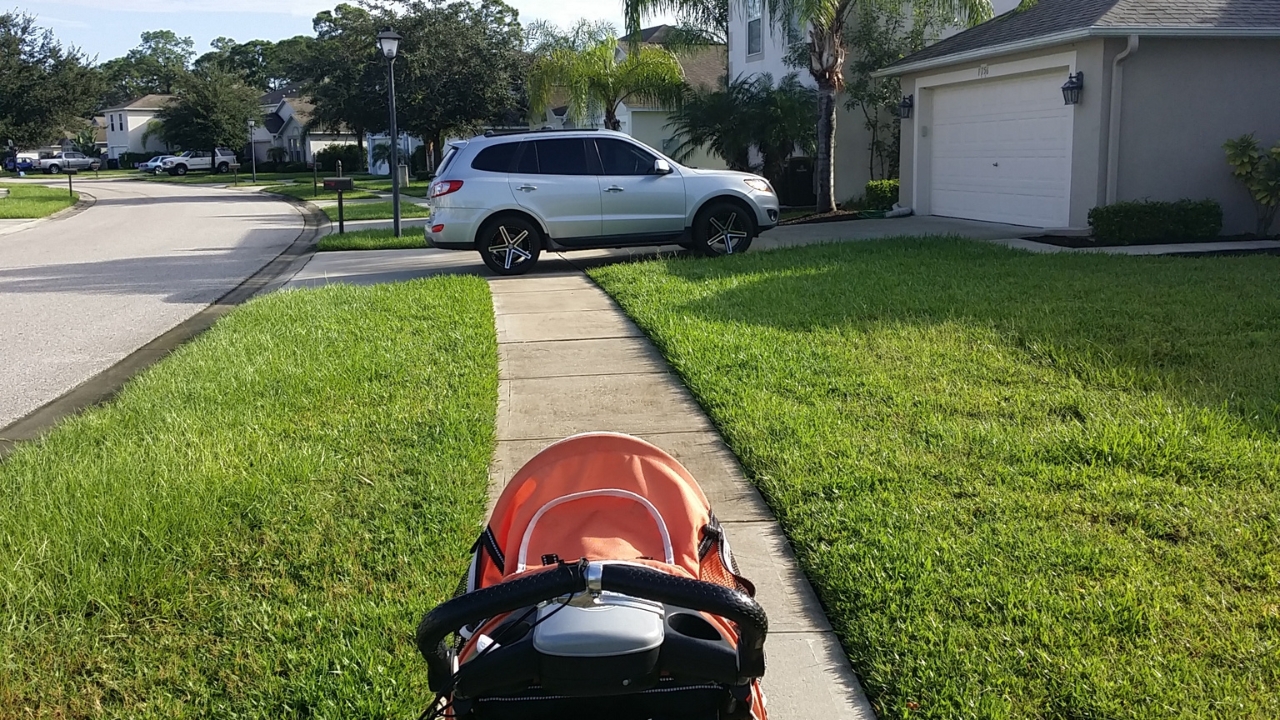
If your trees, shrubs, or parked vehicles block a public sidewalk, even partially, you could be cited for creating a safety hazard. Local codes typically require clear, unobstructed paths for pedestrians.
This one catches a lot of folks off guard, especially if the sidewalk’s near the edge of your property and you don’t think of it as your responsibility. But cities usually expect you to maintain that area too.
Illegal Fire Pits or Burn Piles
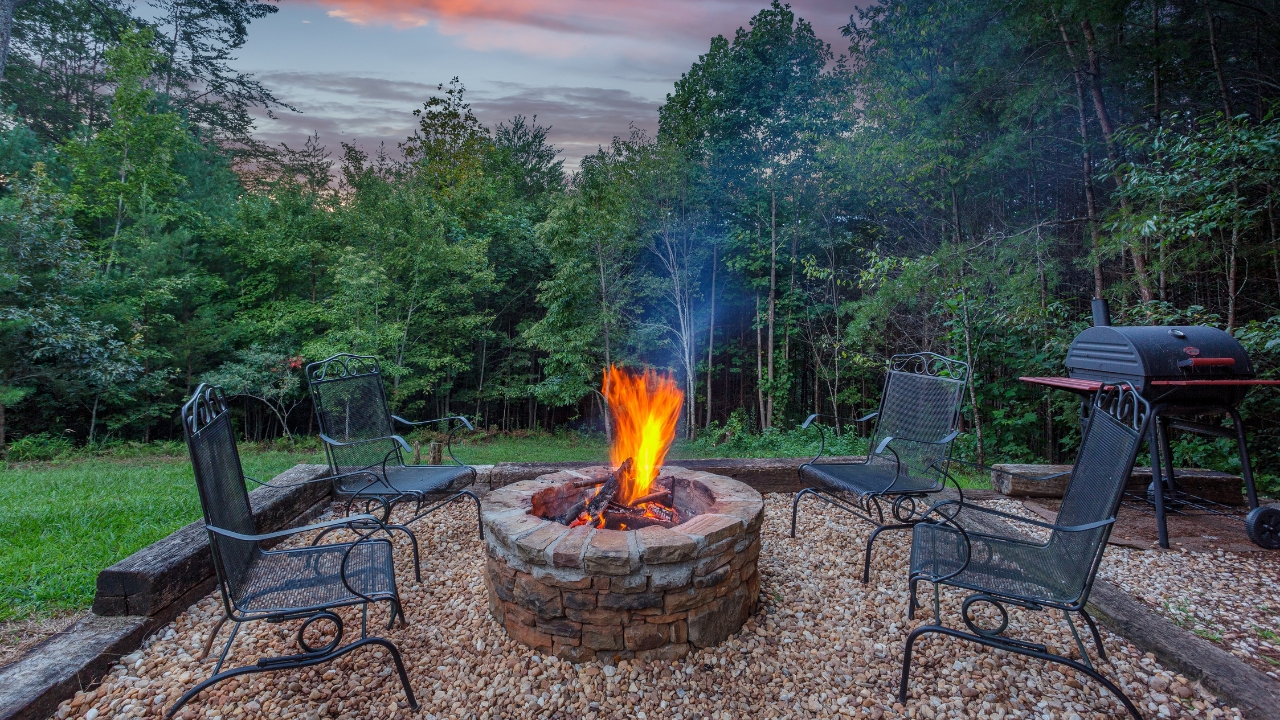
Backyard fires can be cozy, but not every area allows them—and some have strict rules about fire pit types, sizes, and fuel sources. Open burn bans are also common during dry spells.
If you’re using a homemade fire ring or burning yard waste without checking first, you could face a fine. Some places only allow covered fire pits with screens or require specific clearances from structures and fences.
Improper Drainage Setup

If your yard drains poorly—or worse, you’ve rerouted runoff toward your neighbor’s property—you could be violating local drainage codes. Many municipalities require water to stay contained within your own lot.
Even if it’s unintentional, causing erosion or flooding next door can land you in a dispute and possibly with a citation. French drains and swales are useful, but they need to be installed with the rules in mind.
Overgrown Trees or Unsafe Limbs
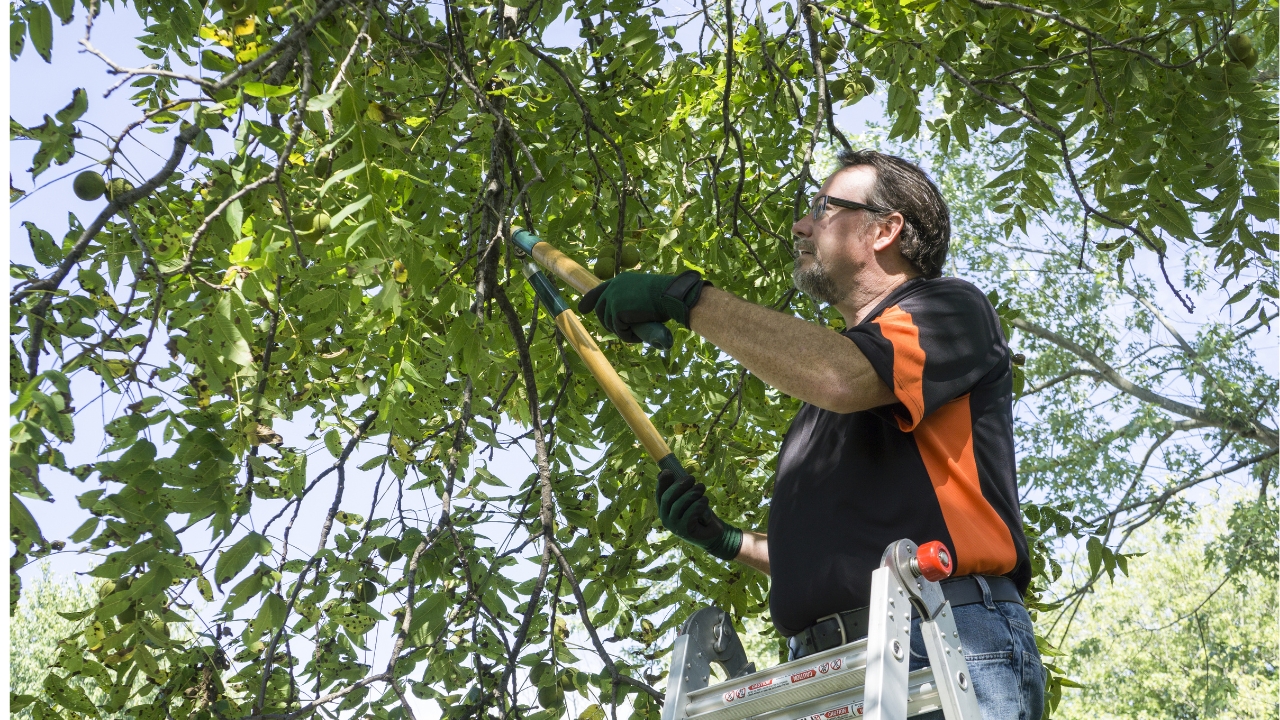
Tree maintenance might feel like a personal choice, but if overhanging branches block power lines, sidewalks, or roadways, you’re likely out of compliance. Some cities even require permits for major trimming or removal.
Ignoring a tree that’s at risk of falling can also backfire legally if it causes damage. Keeping your trees trimmed isn’t just good practice—it’s something many code officers are actively watching.
Improper Shed or Structure Placement
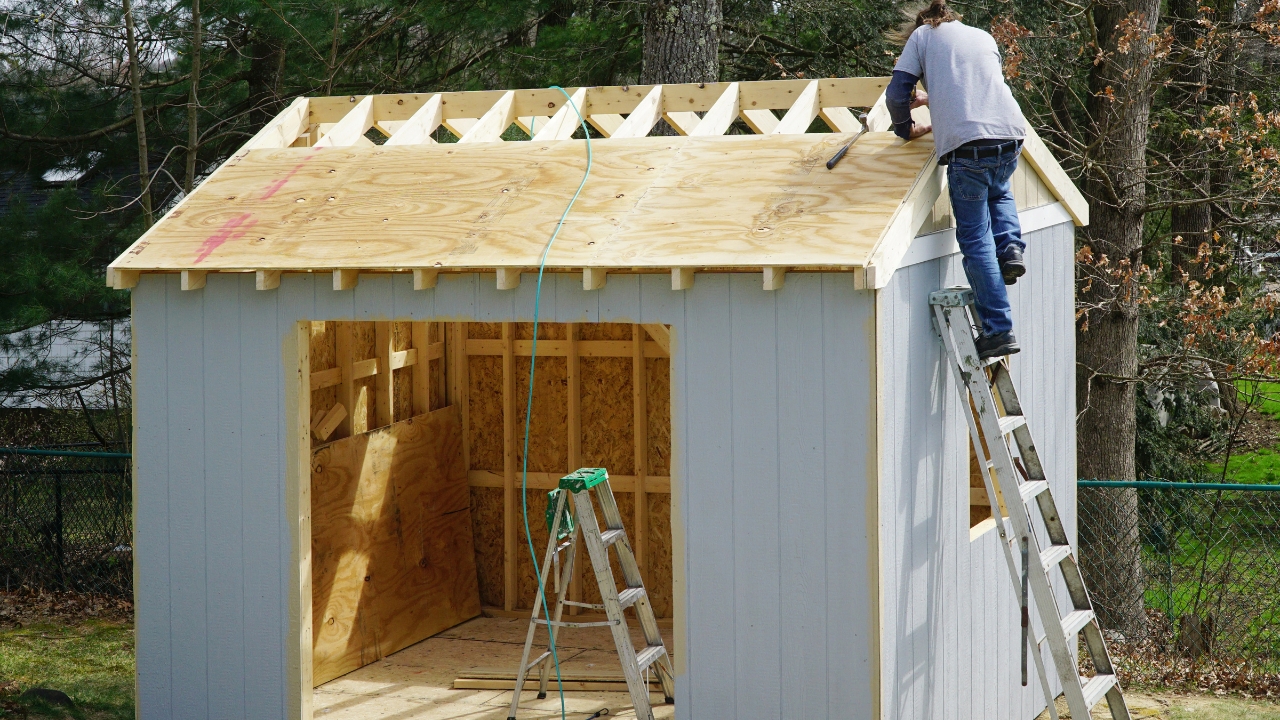
That garden shed, playhouse, or pergola might be small, but it could still require a permit—or at least a minimum distance from your property line, known as a setback.
Many people get caught off guard by zoning rules that say how close structures can sit near fences or neighboring yards. Before building anything with a roof, double-check what’s allowed in your area.
Too Many Vehicles or Inappropriate Parking

Storing non-working vehicles, parking on the grass, or having too many cars in your driveway can all trigger code violations depending on your local rules. Some towns have limits on how many vehicles can be visible.
Even RVs and trailers can cause issues if they’re parked for too long or in the wrong place. It’s better to ask than to assume, especially when HOAs or city codes get involved.
Using Prohibited Plants or Trees

Certain invasive species—like bamboo, tree-of-heaven, or even Bradford pear in some areas—are banned by local or state regulations. Planting them could get you cited or ordered to remove them.
Landscapers still push these plants, but they can spread fast and damage local ecosystems. Make sure what you’re planting is actually allowed, especially if it has a reputation for being hard to control.
Outdoor Lighting That Bleeds Off Your Property

Bright floodlights or decorative lighting that spills into your neighbor’s yard or the street can break light pollution rules in some areas. It’s not just about brightness—it’s about where the light goes.
You might not notice it, but if your lighting interferes with visibility or sleep patterns, you could get a complaint. Shielded fixtures and motion sensors help keep you compliant without giving up security.
*This article was developed with AI-powered tools and has been carefully reviewed by our editors.