10 Yard Features That Give Snakes a Place to Hide
Snakes aren’t out to get you, but they’re definitely looking for shelter when the weather heats up. And unfortunately, a lot of common yard features give them exactly what they’re after—cool shade, moisture, and a place to hide.
If you’ve spotted one recently or you’re trying to keep them away altogether, it helps to know what might be drawing them in. Most of the time, the issue is right under your nose.
Overgrown Grass and Weeds
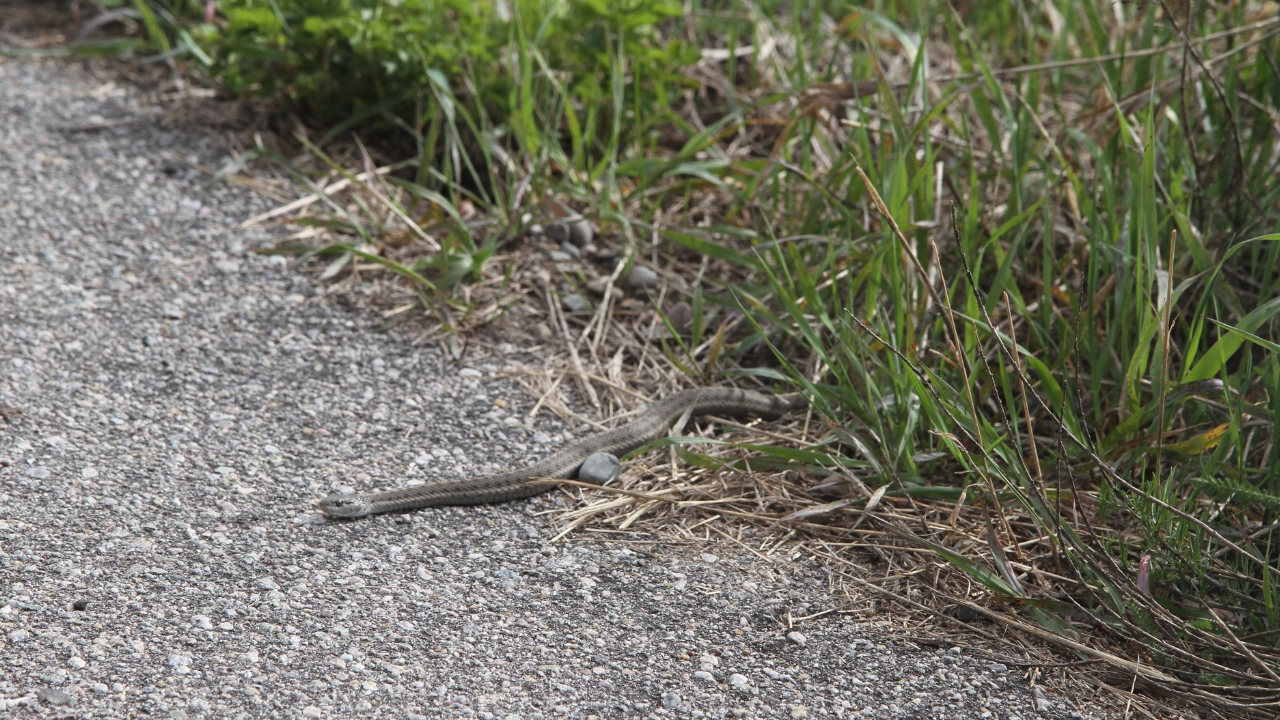
Tall grass isn’t just an eyesore—it’s a hiding spot. When you let your lawn or fenceline get overgrown, snakes can slither in unnoticed and stay protected from the sun and predators.
Keep things trimmed and cleaned up, especially near fences, buildings, and sheds. If you’ve got a brushy patch that never gets mowed, that’s likely where they’re hanging out. Don’t give them cover close to where your kids or pets play.
Wood Piles
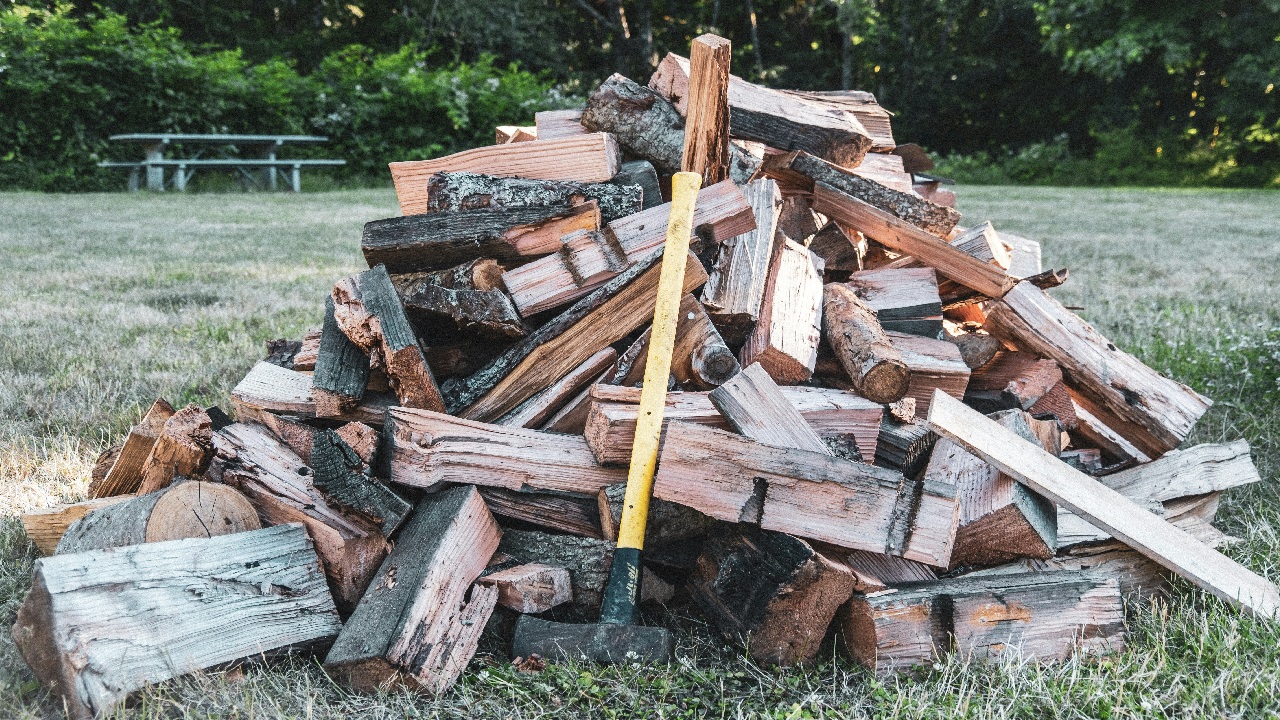
Stacked firewood might seem harmless, but it’s one of the first places snakes will crawl into. The gaps between logs give them dark, protected crevices—and they know small rodents like to hide there, too.
Store wood away from your house and off the ground on a metal rack or pallet. Rotate it often and don’t leave it sitting untouched all summer. The more settled and quiet it is, the more attractive it is to snakes.
Rock Borders and Retaining Walls
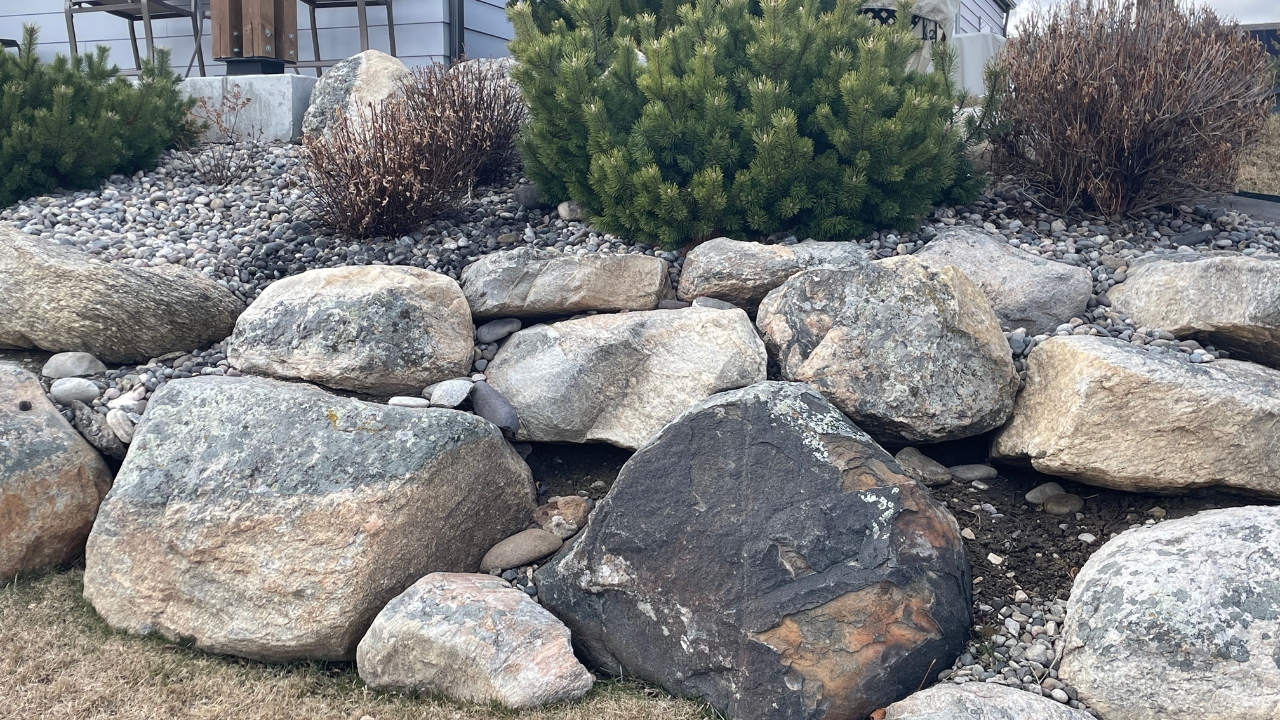
Decorative rocks look nice, but they hold heat and create little pockets of shade—two things snakes love. The more uneven and loose the rocks are, the more hiding spots they’ll find.
If you’re going to use rock features, make sure everything is tightly packed and maintained. Fill any large gaps and keep the surrounding grass mowed short. Don’t give them an easy path to the house.
Unused Equipment and Toys

Anything left sitting in the yard too long—wheelbarrows, old planters, plastic playhouses—can become a snake hangout. If it doesn’t move for weeks, they’ll assume it’s fair game.
Do a quick check of your yard and clean up anything that’s been sitting stagnant. If you’re not using it this season, move it to a shed or toss it. And before moving anything that’s been sitting, always check underneath first.
Dense Shrubs and Ground Cover

Thick, low-to-the-ground plants offer great protection for snakes, especially if the base is shady and moist. Ivy, liriope, and overgrown boxwoods are common culprits.
Trim the lower branches and keep the area around the base cleared. Try not to let thick vegetation crowd your home’s foundation. Snakes prefer areas where they can move unseen, so giving them less cover makes your yard less appealing.
Garden Beds with Mulch
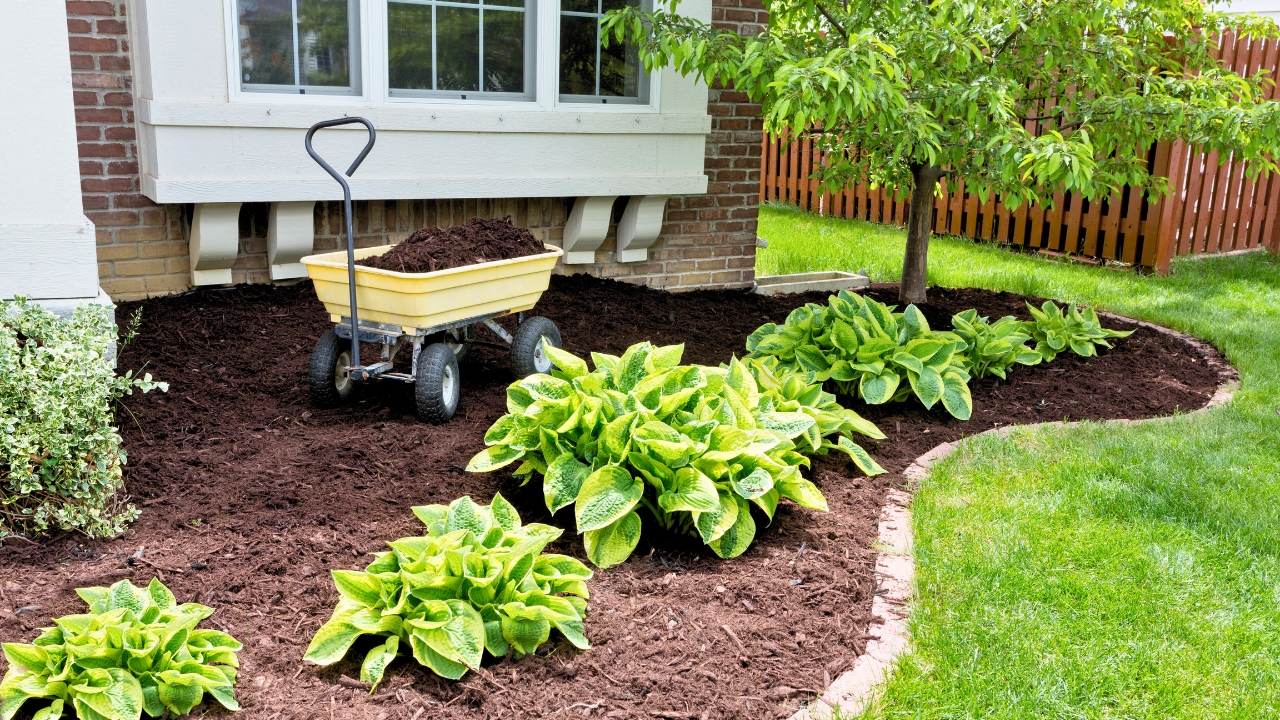
Organic mulch holds moisture and creates a soft, temperature-controlled space for snakes to settle in. If it’s piled thick or hasn’t been turned over in a while, it’s even more attractive.
Use a thinner layer of mulch and break it up now and then with a rake. This helps reduce moisture buildup and discourages critters from nesting there. Keep beds well-maintained and don’t let weeds grow out of control between plants.
Unsealed Sheds and Crawl Spaces
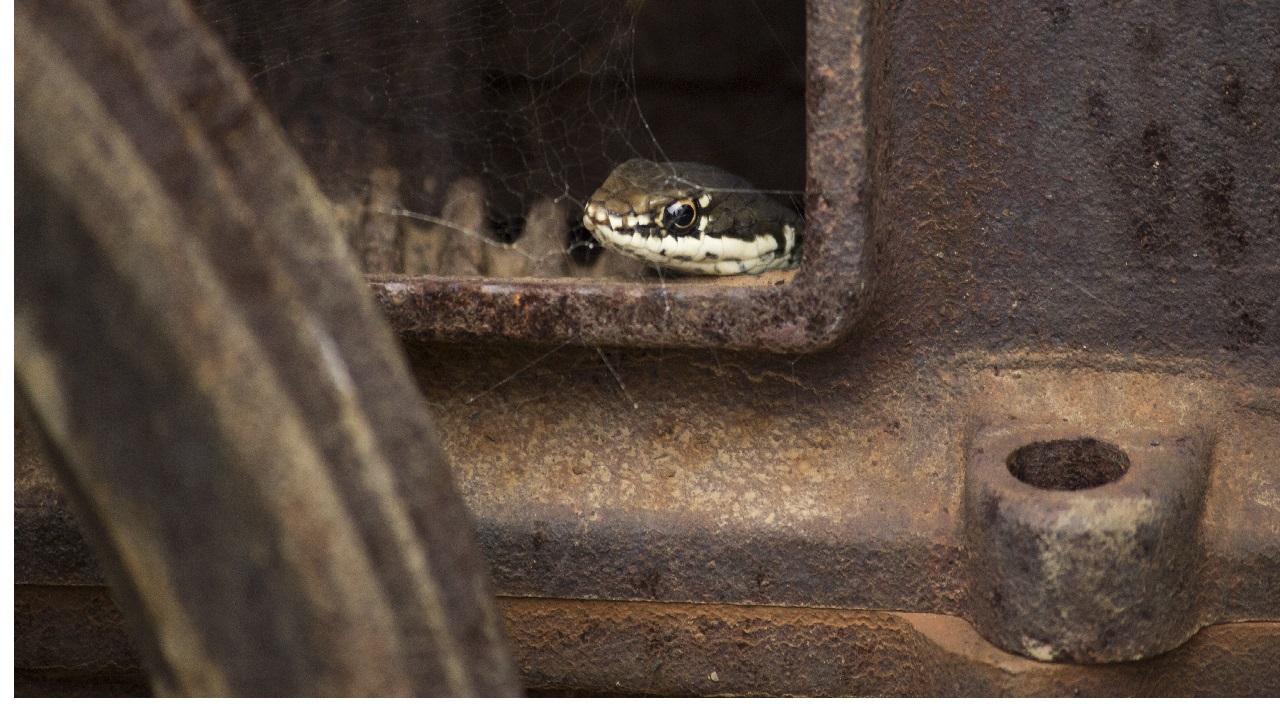
Snakes can slip through incredibly small gaps, so if your shed has a broken door seal or your crawl space vent is hanging open, that’s an easy entry point. Once they’re in, they’ll stay cool and hidden.
Inspect sheds and outbuildings for gaps or damage. Install weather stripping and keep doors shut. If you’ve got open vents or loose siding around your crawl space, seal them up tight before something settles in.
Piles of Yard Debris
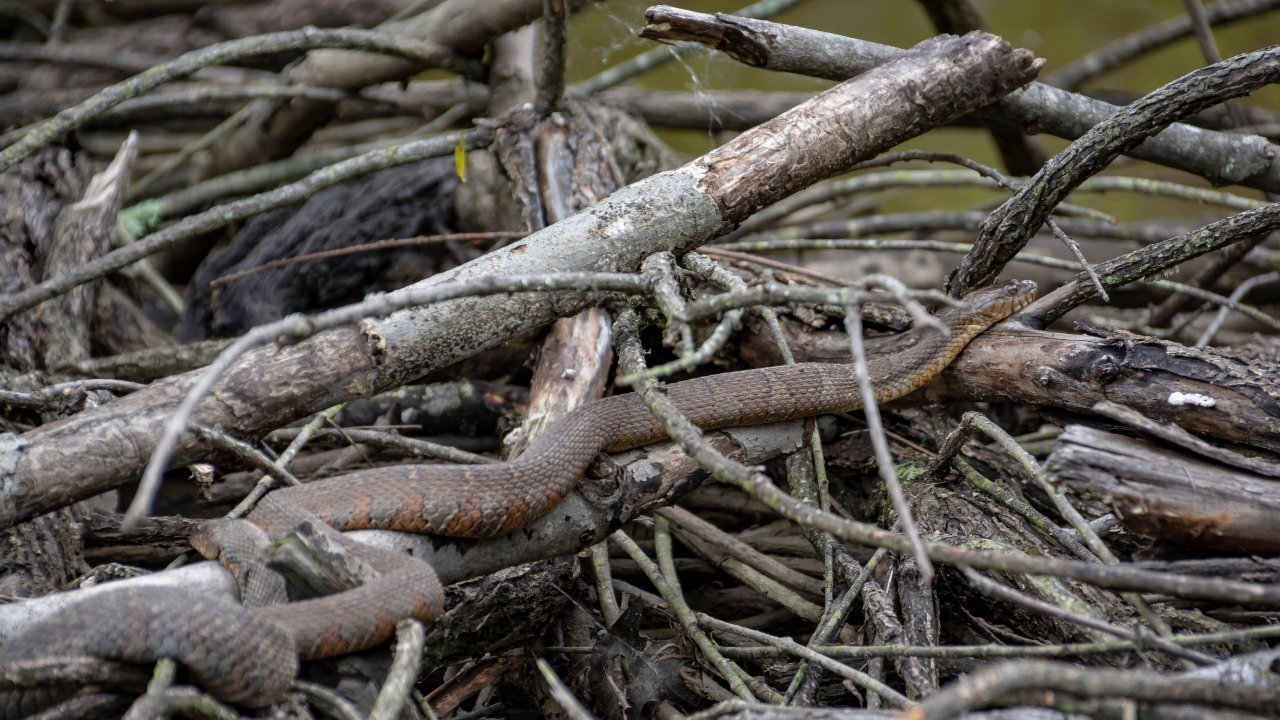
A stack of sticks, leaves, or pulled weeds doesn’t seem like much, but it’s exactly the kind of place a snake is looking for. It’s warm, undisturbed, and often full of bugs or rodents.
Get rid of yard waste quickly instead of leaving it to sit for weeks. Compost it in a sealed bin or bag it up and haul it off. If you’re clearing brush, finish the job all the way through.
Under Decks and Porches
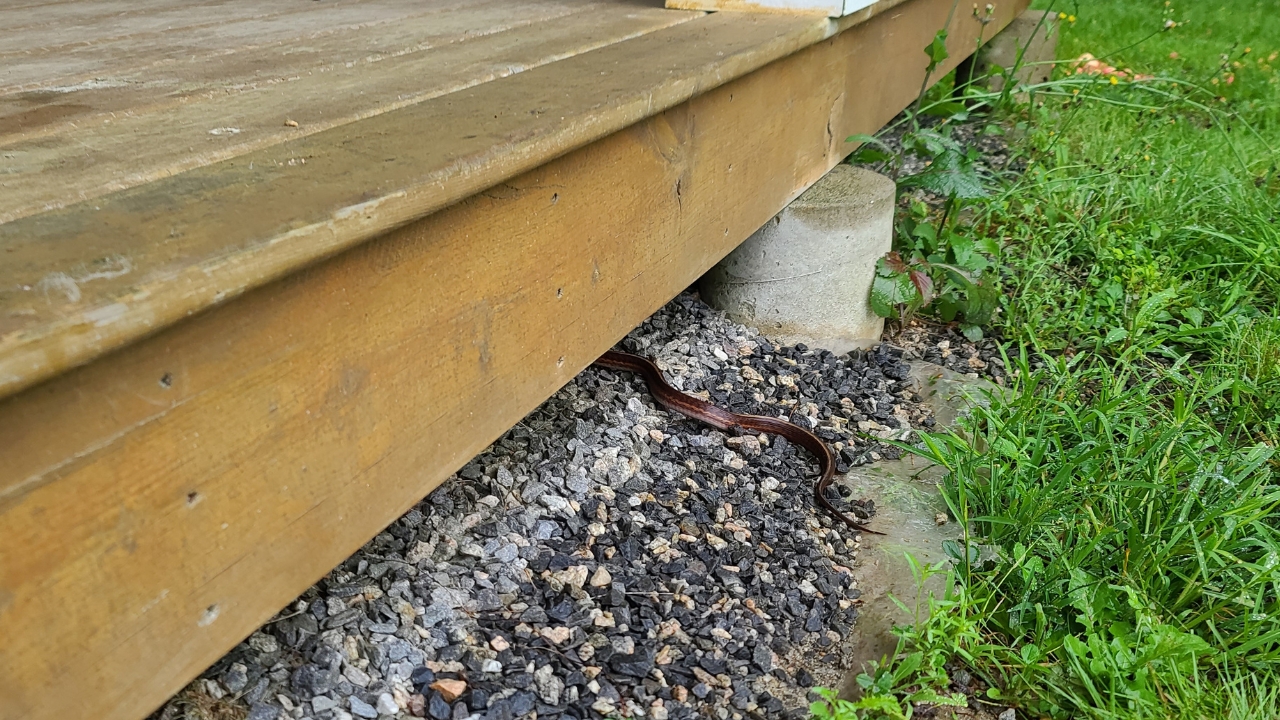
That open space under your deck is shaded, quiet, and often untouched—ideal snake territory. If the ground stays damp or cluttered with leaves, even more so.
Consider installing lattice or mesh skirting to block off access. If you already have a cover, check for gaps and seal them. Keeping that space dry and clear is one of the easiest ways to avoid unwanted guests.
Uncovered Drainage and Utility Areas
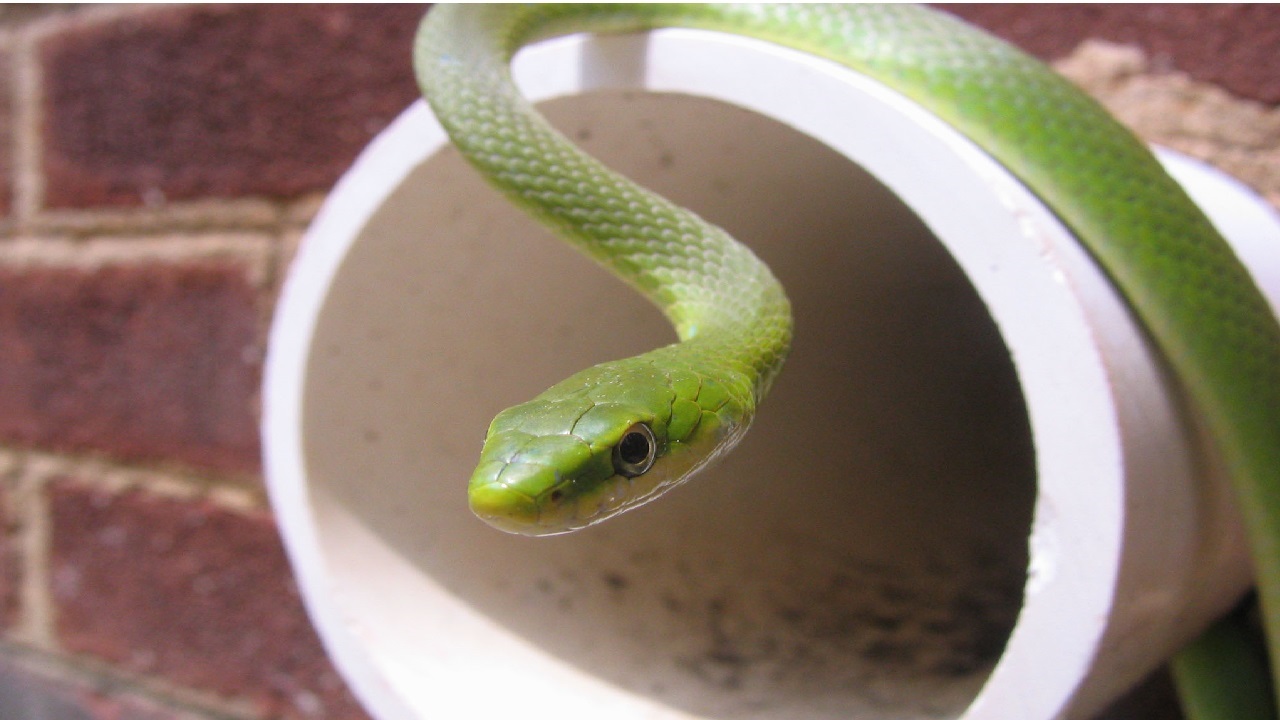
French drains, sump pits, or utility boxes often get ignored, but they can be easy access points for snakes. The cool air and damp environment make them prime hiding spots.
Make sure drains are covered and utility boxes are secured. If you’ve got a sump pump or exposed pipe setup, check for gaps around the entry points. It doesn’t take much for a snake to find its way in.
*This article was developed with AI-powered tools and has been carefully reviewed by our editors.