11 Clever Ways to Reuse Fallen Leaves in Your Yard
Fallen leaves can feel like one more chore on your list, but they’re actually free materials your yard can use all year. Instead of bagging them up and paying to haul them off, you can turn them into mulch, insulation, and soil food with a few simple habits.
Here are easy, yard-friendly ways to put those leaves to work.
1. Shred and use them as mulch in garden beds
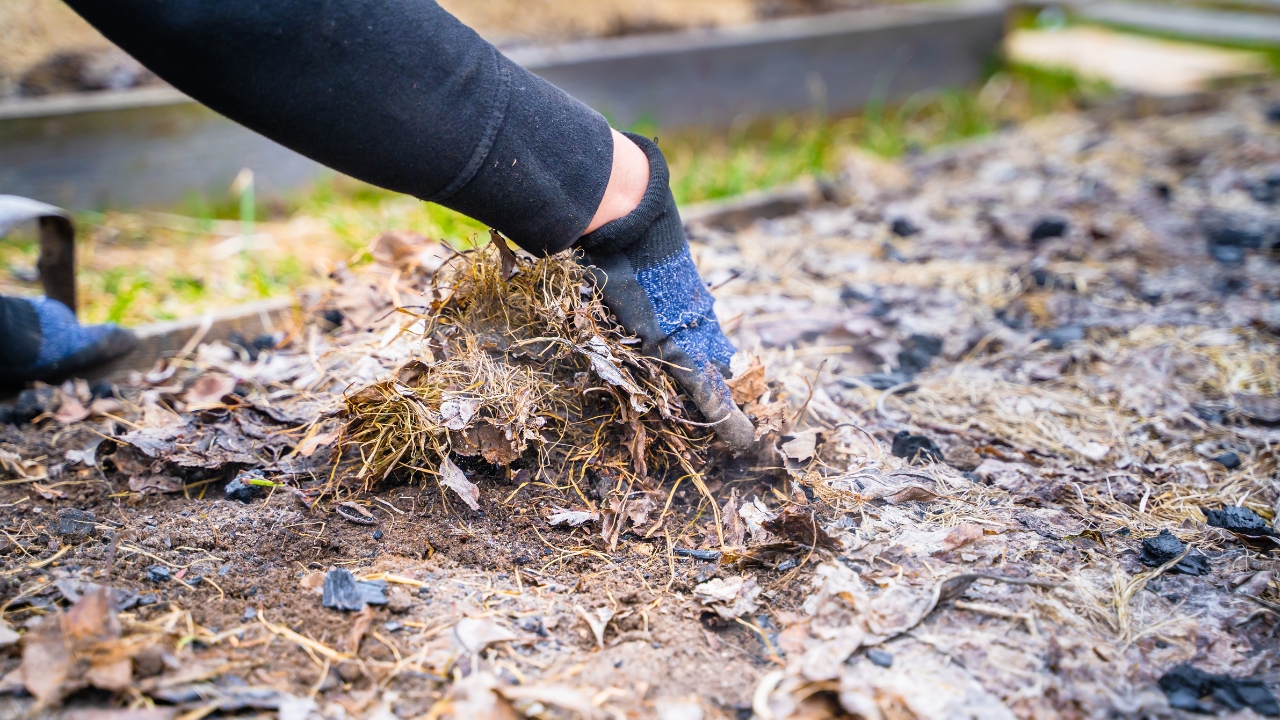
Chopped leaves make an excellent mulch. Run over dry leaves with a mower or use a leaf shredder, then spread the pieces a couple of inches thick around perennials, shrubs, and trees.
Shredding helps them break down faster and keeps them from matting into a slippery layer. This leaf mulch helps hold moisture, regulate soil temperature, and block weeds. By spring, a lot of it will have started to break down into richer soil, and you’ll have spent exactly zero dollars on bagged mulch.
2. Make “leaf mold” for future planting

Leaf mold is basically compost made from leaves only. It’s not fast, but it’s low effort and creates fantastic, crumbly soil conditioner.
Pile leaves in a bin, cage, or corner of the yard, moisten them slightly, and leave them alone. Turning once in a while speeds things up, but it’s not required. Over a year or two, the leaves break down into a dark, spongy material you can mix into beds or use around shrubs. It improves soil structure and water retention, especially in sandy or compacted areas.
3. Protect tender perennials with a leaf blanket
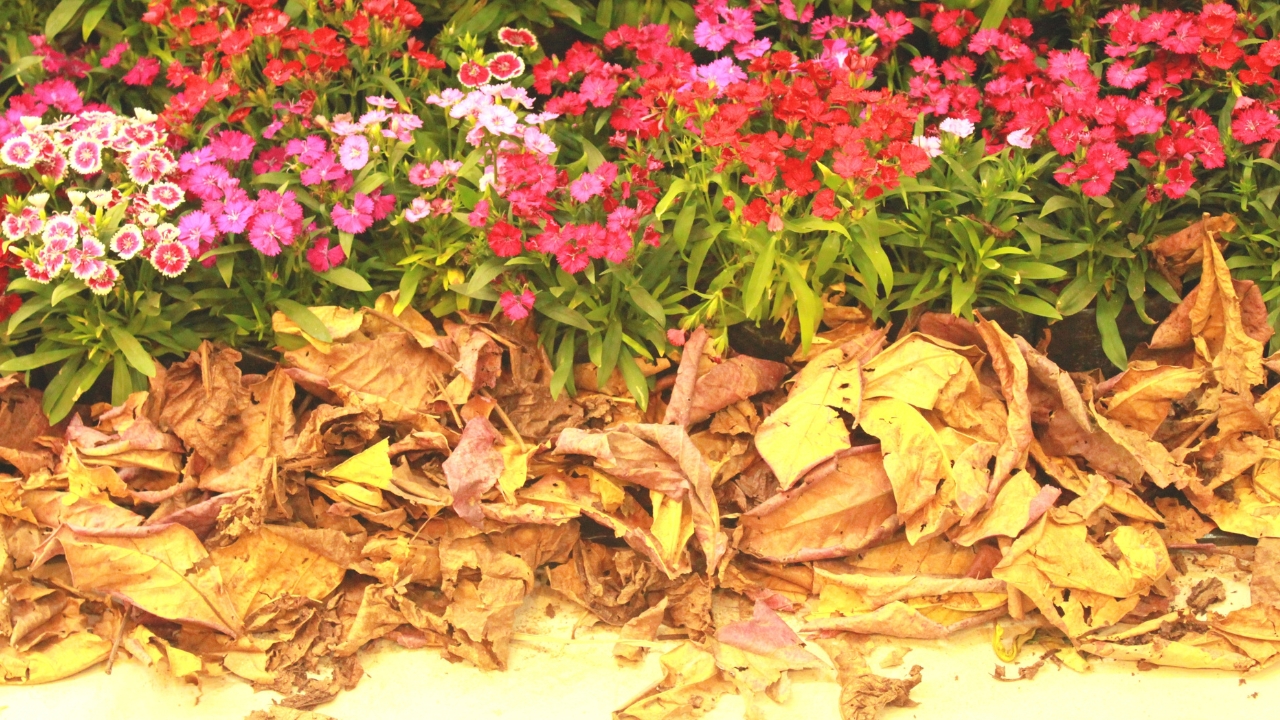
If you have perennials that are just barely hardy in your zone, leaves can help them through winter. After the ground cools but before it fully freezes, tuck a loose layer of shredded or whole leaves around the base of those plants.
Don’t bury stems too deeply; aim for a fluffy collar that insulates the roots. You can keep the leaves in place with a light layer of branches or a simple plant ring. In spring, gently pull the leaves back as temps warm up so new growth doesn’t get smothered.
4. Insulate raised beds for winter
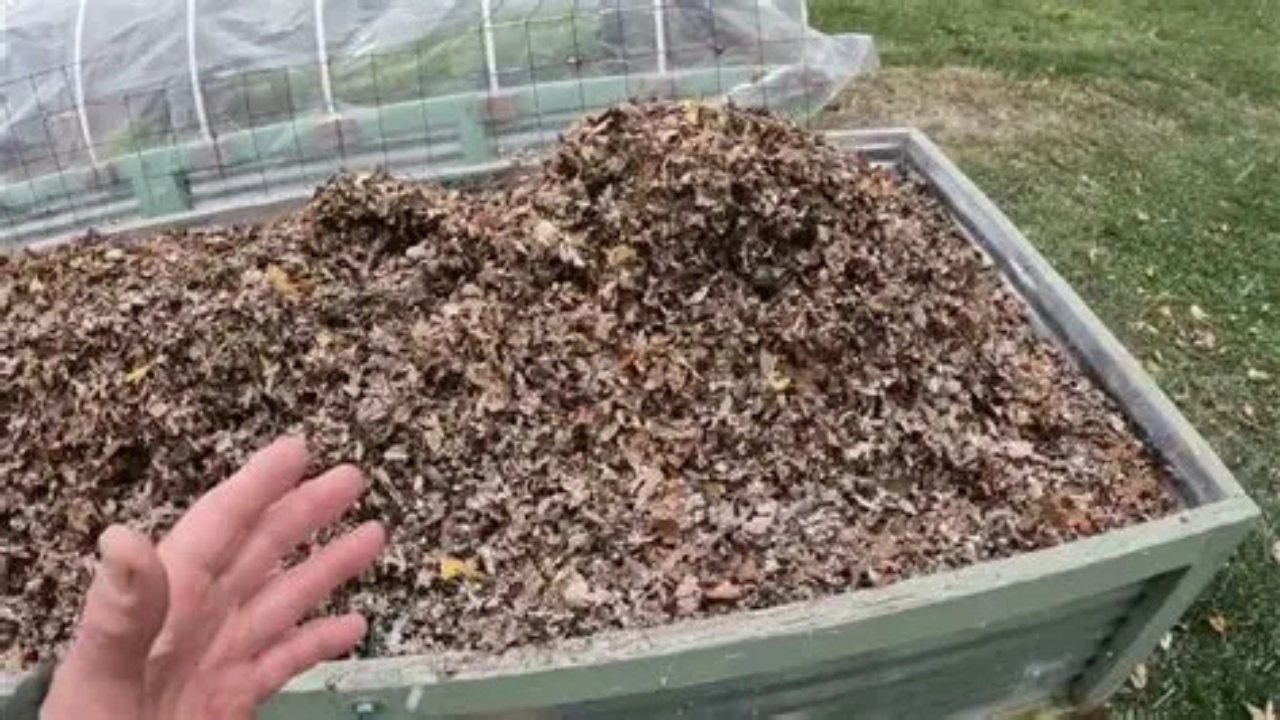
Raised beds lose heat faster than in-ground gardens. A layer of leaves can help moderate temperature swings and protect soil life.
Once you’ve finished your fall cleanup, lay a few inches of shredded leaves over the top of the bed. You can toss a piece of wire mesh or burlap over them to keep them from blowing away. Over winter, the leaves slowly break down, feeding the soil. When you’re ready to plant in spring, you can rake back what’s left or lightly mix it into the top layer.
5. Build a simple “lasagna” garden for new beds
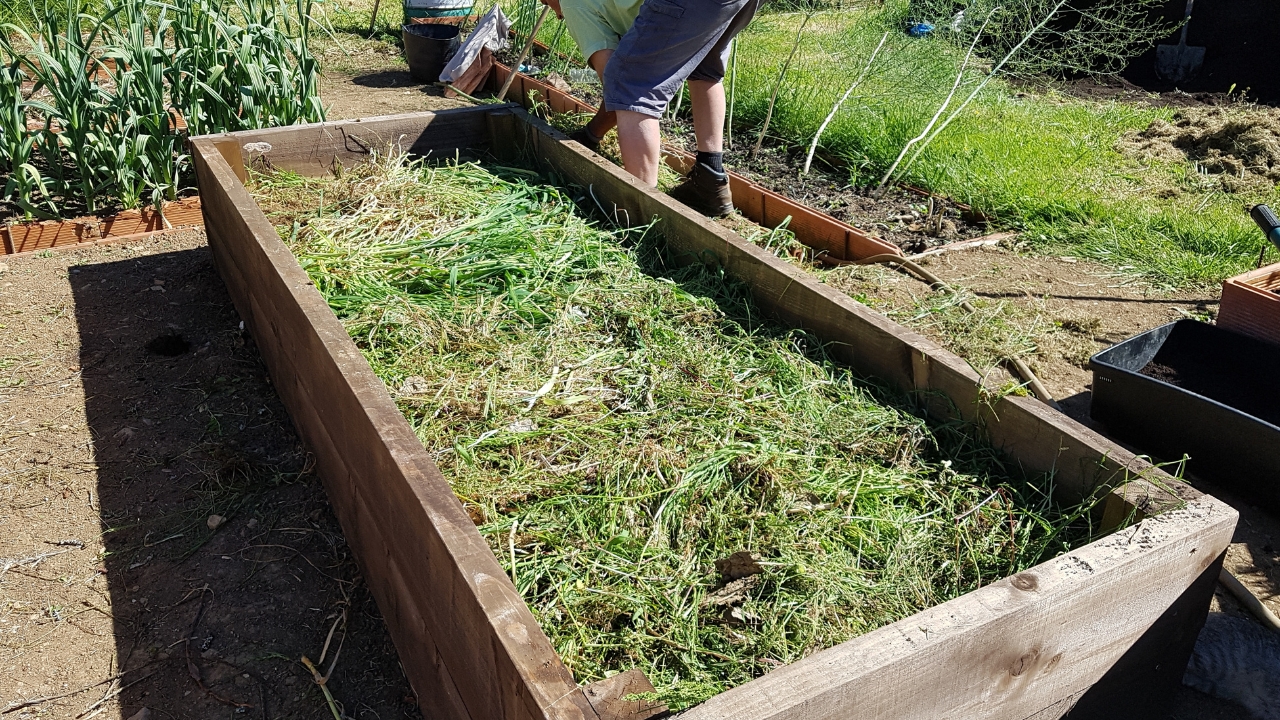
If you’re eyeing a new garden bed but don’t feel like digging up sod, leaves can help. Lay cardboard over the grass, then pile chopped leaves and other yard waste (like grass clippings) on top.
Alternate “brown” layers (leaves, small twigs) with “green” layers (fresh clippings, kitchen scraps), then let time do the work. Over months, the grass and cardboard break down, and the layers turn into rich soil. By the next growing season, you can plant right into that spot with far less digging.
6. Fill pathways with leaves for temporary weed control

If you have garden paths you’re not ready to hardscape yet, leaves can act as a temporary filler. Shredded leaves spread along the path help smother weeds and keep your shoes a little cleaner.
They will break down over time, so this isn’t a forever solution, but it buys you a season or two. As they decompose, you can either top them up or rake what’s left into nearby beds as extra organic matter.
7. Use leaves as brown material in compost
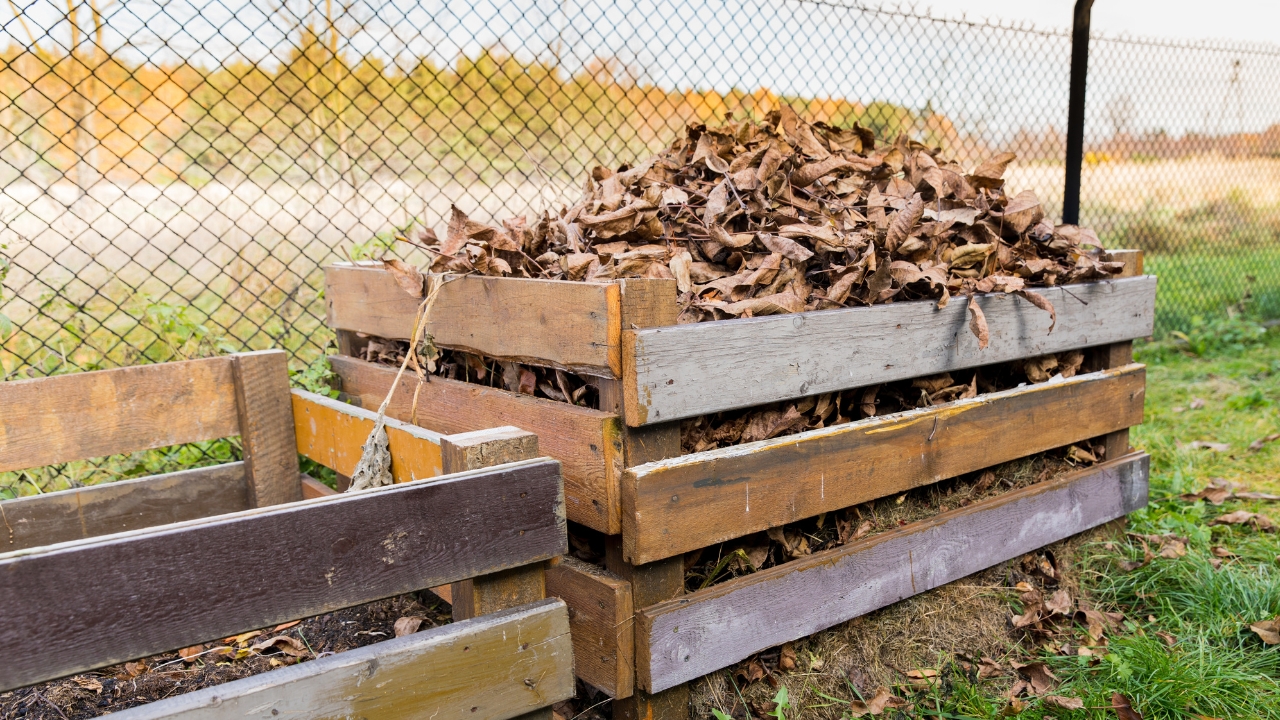
Compost works best when you balance “greens” (kitchen scraps, fresh grass) with “browns” (dry leaves, cardboard). Fallen leaves are a perfect brown material to keep on hand all year.
Bag or bin a stash of dry leaves in fall. As you add food scraps to your compost, toss in a handful or two of leaves. This helps control moisture and odor while giving microbes the carbon they need. You’ll get better, more balanced compost instead of a soggy, smelly pile.
8. Create a wildlife-friendly leaf corner

Not every leaf has to be “used” in a project. Leaving a small, tucked-away pile in a corner of the yard gives insects, toads, and other small critters shelter through winter.
Choose a spot away from the house and play areas. Pile whole leaves and maybe a few small branches. It doesn’t have to look perfect—this is the “wild” corner. You’ll be supporting beneficial insects and pollinators that help your garden later in the season.
9. Fill large pots and planters instead of more soil
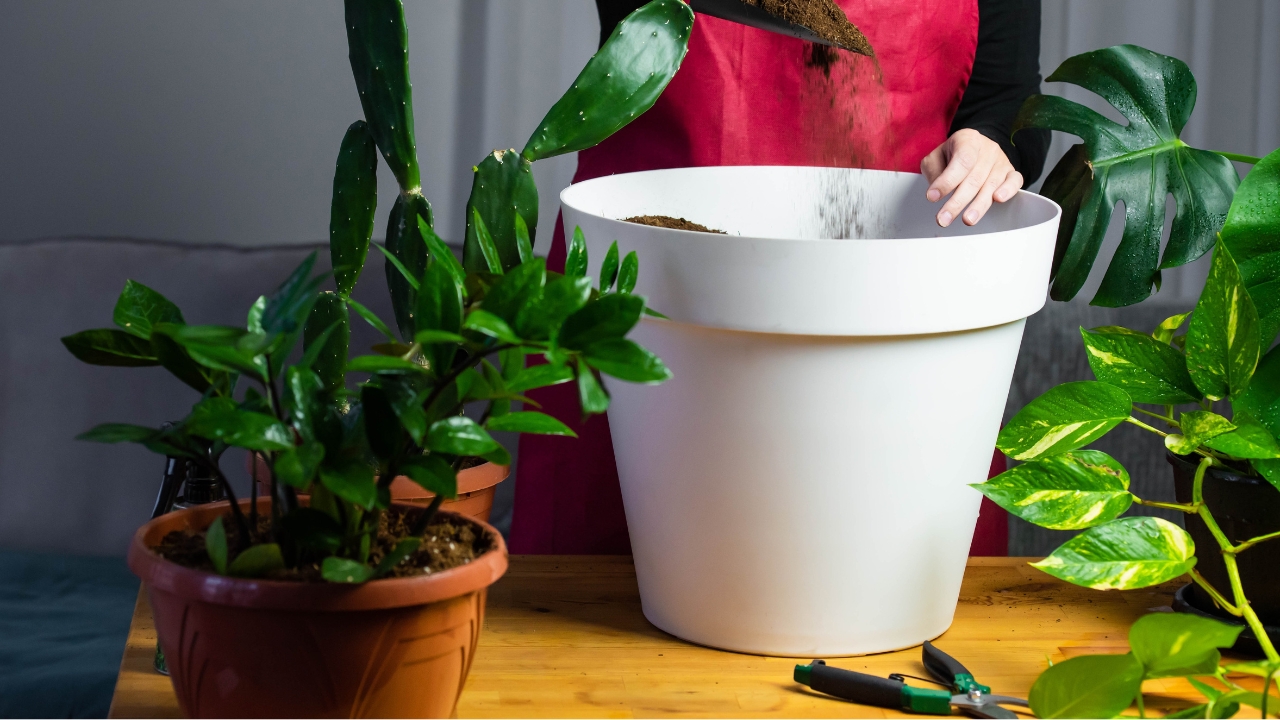
Big planters don’t need to be full of potting soil all the way down. For deep containers you’re planting with annuals, you can use leaves to fill the lower third.
Add a layer of leaves at the bottom (ideally slightly packed), then cover with potting mix on top. The roots of your plants will still have plenty of good soil to grow in, and the leaves slowly break down over time. It cuts down on how much soil you need to buy and keeps containers lighter.
10. Protect tree trunks with a leaf ring
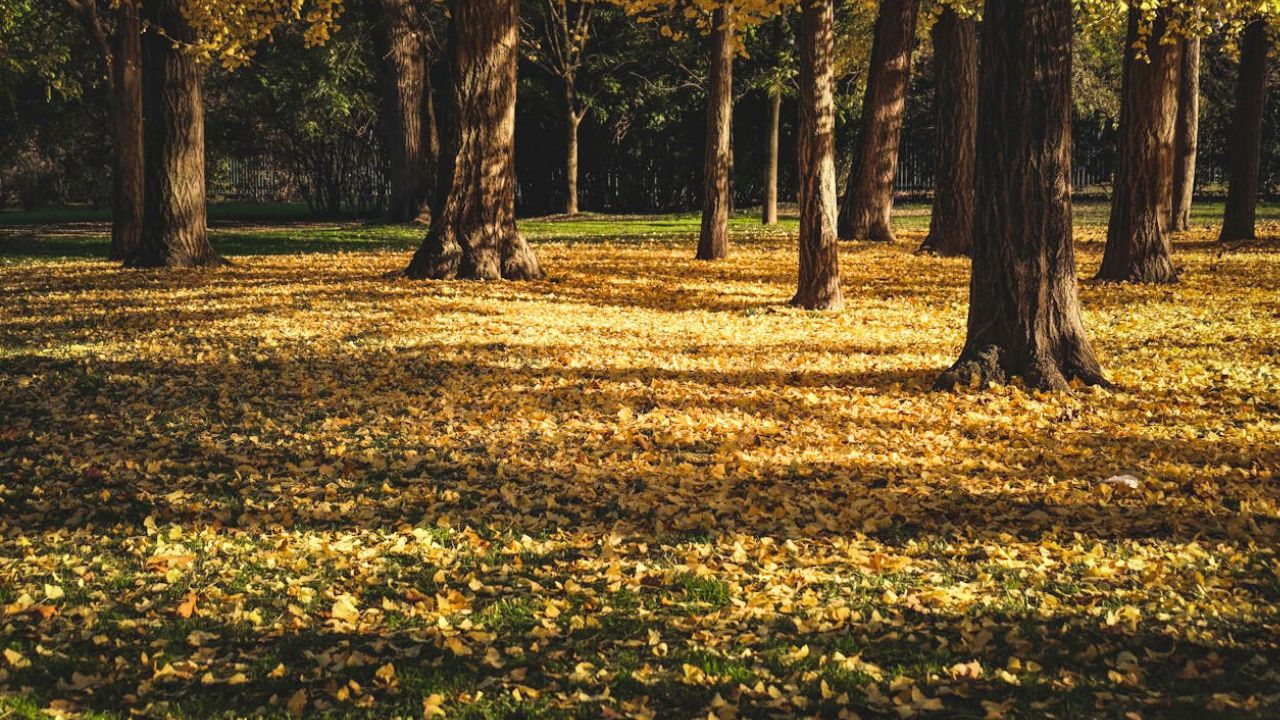
Newer trees benefit from a ring around the base that keeps mowing equipment away and moderates soil conditions. Leaves are an easy way to build that ring.
Spread shredded leaves out in a wide circle under the tree canopy, keeping them a few inches away from the trunk itself so moisture doesn’t sit against the bark. This ring helps retain moisture, reduce weeds, and protect the root zone. It also makes the yard look more finished without buying mulch.
11. Use leaves under straw for extra insulation in cold frames
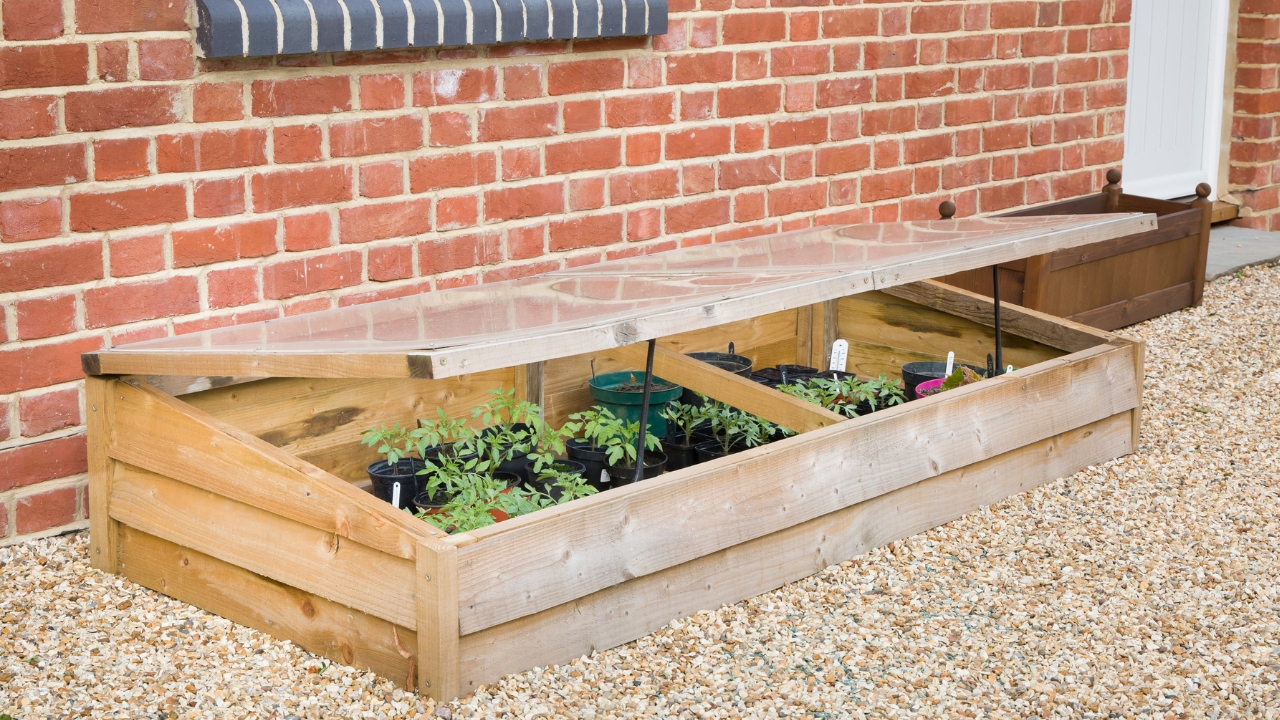
If you use cold frames or hoop tunnels, a layer of leaves under straw can give you a little extra insulation. Lay down leaves, then top with straw or hay to keep them in place and add another barrier.
This combo helps keep soil temperatures a bit more stable at night, which can extend your season for greens and cold-hardy crops. It’s not fancy, but it’s effective—and again, it’s using what you already have.
Like Fix It Homestead’s content? Be sure to follow us.
- I made Joanna Gaines’s Friendsgiving casserole and here is what I would keep
- Pump Shotguns That Jam the Moment You Actually Need Them
- The First 5 Things Guests Notice About Your Living Room at Christmas
- What Caliber Works Best for Groundhogs, Armadillos, and Other Digging Pests?
- Rifles worth keeping by the back door on any rural property
*This article was developed with AI-powered tools and has been carefully reviewed by our editors.