12 Cleaning Tools That Are Spreading Germs, Not Killing Them
You’d think the tools you use to clean your house would be, well, clean. But a lot of common cleaning gear ends up doing more harm than good if you’re not staying on top of maintenance. Sponges, mops, and even vacuum filters can hang on to bacteria, mold, and grime long after they’ve “done their job.”
So while you’re wiping and scrubbing with good intentions, you might actually be moving germs around instead of getting rid of them. Here’s what to watch out for—and what to do instead.
Kitchen Sponge

Kitchen sponges are one of the dirtiest things in the house. They stay damp, touch raw food residue, and usually sit around way too long. That makes them a perfect breeding ground for bacteria.
If you’re using the same sponge for days—or weeks—it’s probably spreading more than it’s cleaning. Replace it frequently or switch to a silicone scrubber that dries fast and doesn’t absorb as much. You can also toss your sponge in the microwave for 1–2 minutes or run it through the dishwasher to kill some germs in the short term.
Reusable Cleaning Cloths

Reusable cloths sound like a smart, eco-friendly choice—and they are if you’re washing them right. But too many people use the same rag over and over without properly disinfecting it between uses.
If you’re wiping down counters, tables, and sinks with the same cloth throughout the day, you’re dragging germs from one spot to another. Toss them in the laundry after every use and wash on hot with a good detergent. Keep separate cloths for the bathroom and kitchen.
Toilet Brush
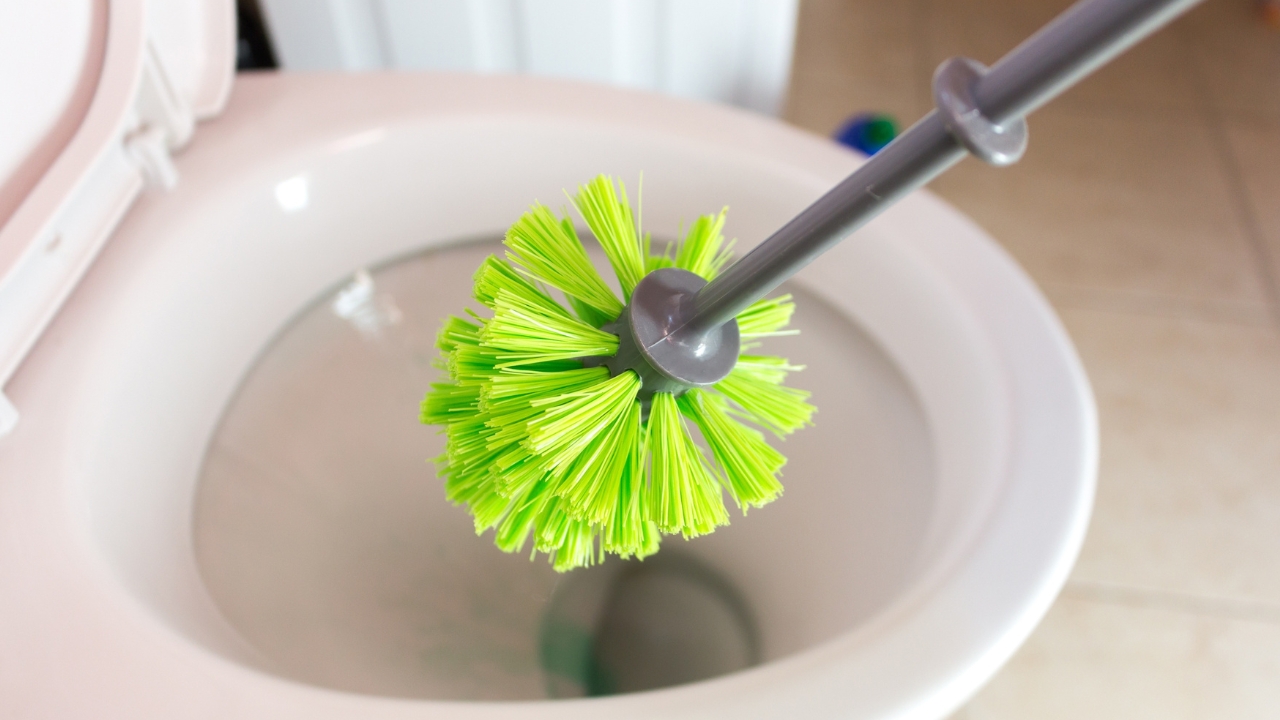
The toilet brush is often the most neglected cleaning tool in the house. After one use, it usually gets shoved back into its holder—wet, dirty, and full of bacteria.
If you’re not rinsing and disinfecting the brush after every use, it’s probably doing more to spread grime than remove it. Let it dry completely between uses, and spray it down with disinfectant regularly. And if it looks rough? It’s time for a new one.
Vacuum Filters
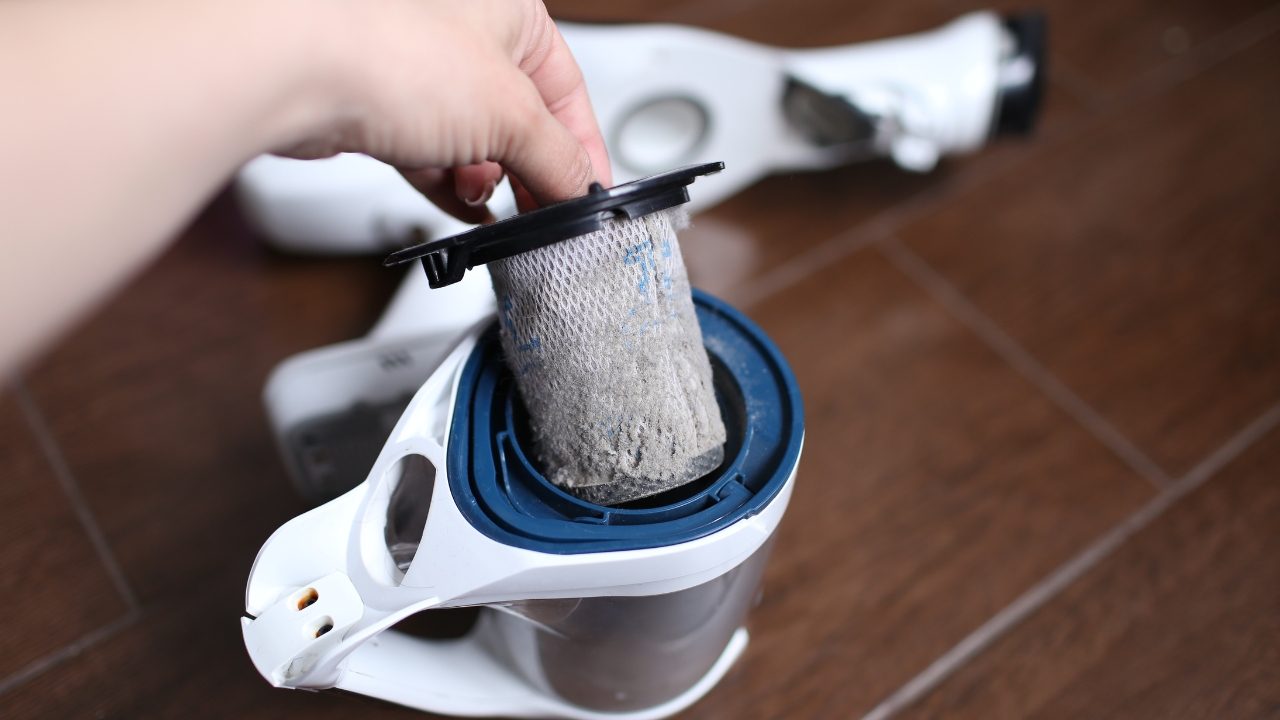
Vacuuming can help cut down on allergens and dust, but if you’re running it with a dirty filter or an overfilled bag, it’s throwing some of that mess right back into the air.
Check your filter often and replace or wash it as the manufacturer recommends. HEPA filters are best for trapping tiny particles, but even those stop working if they’re clogged. An overstuffed bag or canister can also push dust out the seams—so don’t let it get too full.
Dish Towels
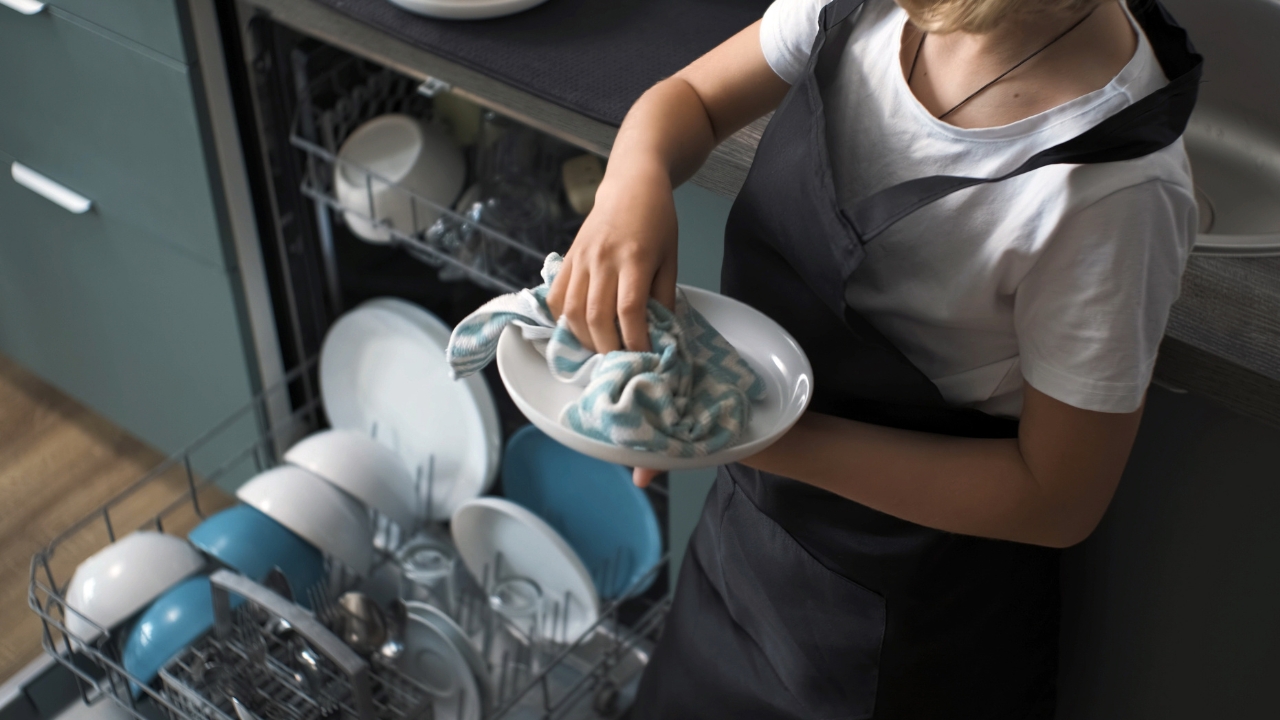
Dish towels see a lot of action—drying hands, drying dishes, cleaning up spills—and they rarely get swapped out as often as they should.
If they stay damp or hang around the sink too long, they can harbor bacteria and start to smell. Rotate them daily, wash in hot water, and never use the same towel to dry clean dishes and wipe up messes. That’s a cross-contamination mess waiting to happen.
Mop Heads

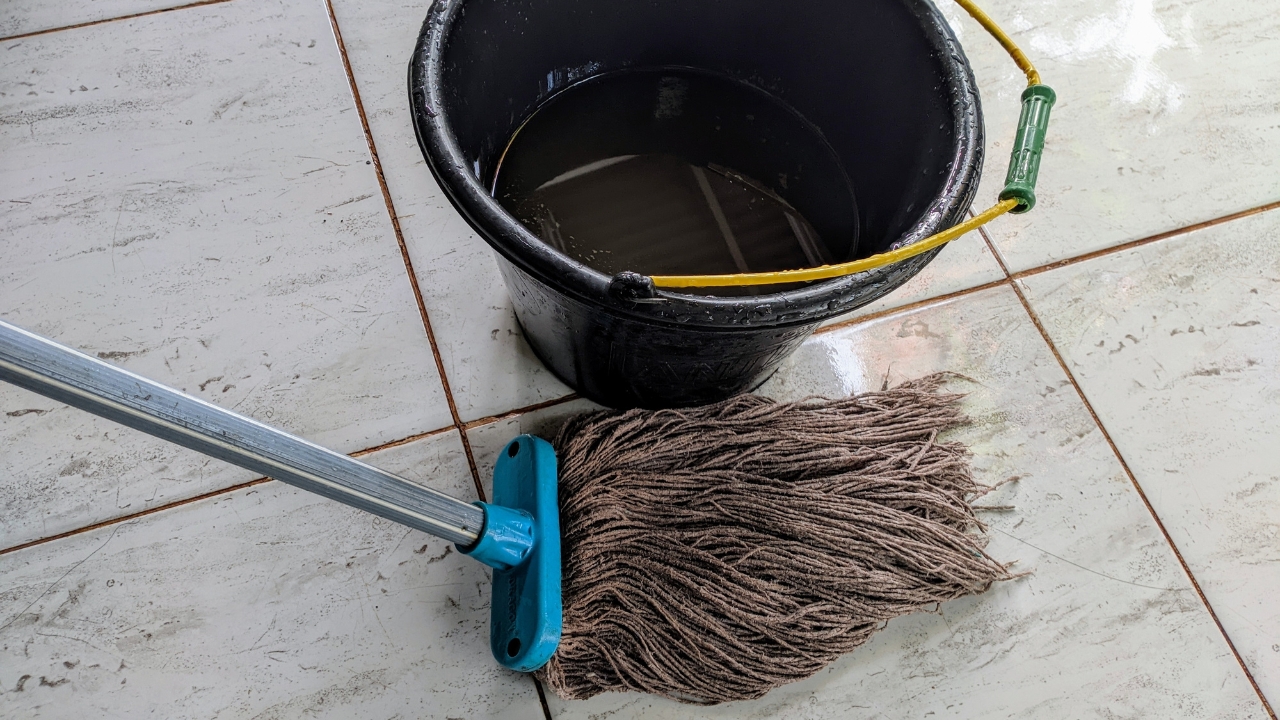
A dirty mop doesn’t clean floors—it smears around old grime and bacteria. If you’re not rinsing or replacing the mop head regularly, you’re likely making the floor worse.
Washable mop heads should be tossed in the laundry after every use. Disposable ones need to be thrown out after each cleaning session. And if your mop smells bad or looks gray and stringy, it’s overdue for retirement.
Broom Bristles

Brooms pick up hair, crumbs, and dust—but they can also hold onto bacteria, mold spores, and whatever else they sweep over. If you’ve used the same broom for months (or years) without cleaning it, it’s likely full of gunk.
Take it outside and shake it out after each use. Wash the bristles in warm, soapy water every now and then, and make sure it dries fully. That’ll help cut down on what you’re dragging from room to room.
Reusable Floor Pads
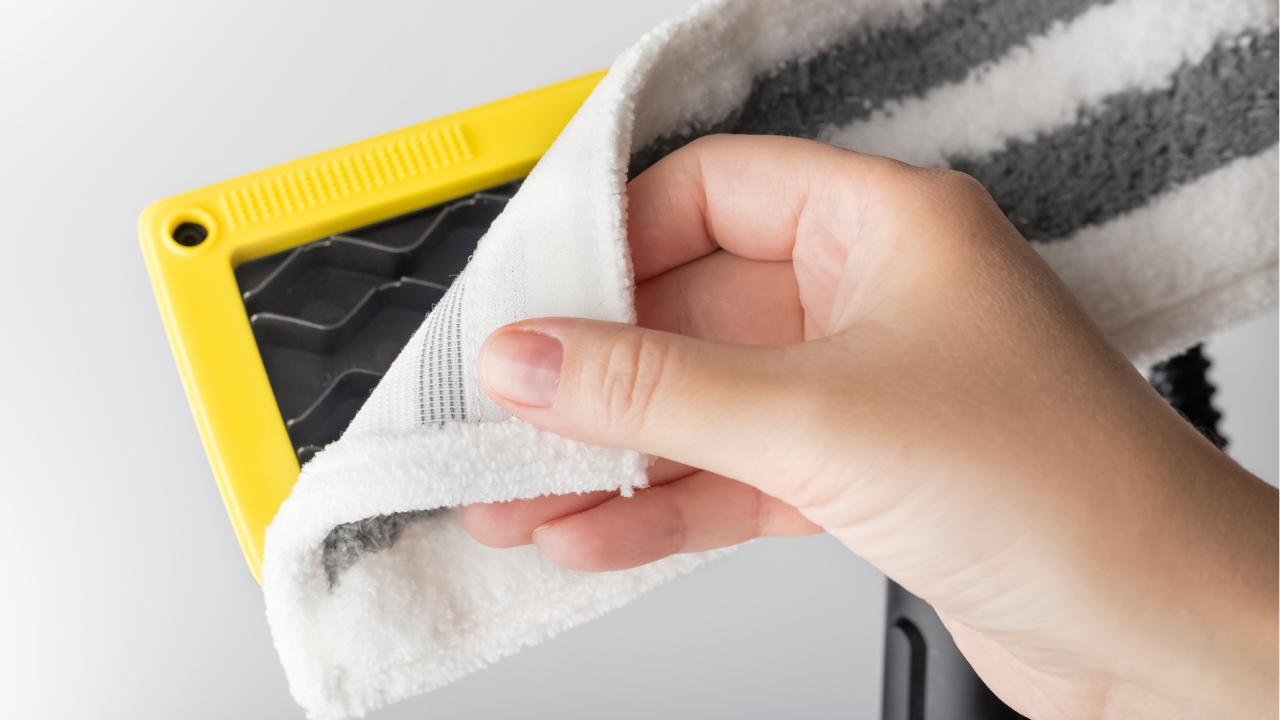
Spray mops with washable pads are convenient, but if you’re not swapping the pad out often, you’re just smearing dirt and bacteria across your floors.
Have a few extra pads on hand so you can change them during your cleaning session, especially if you’re tackling high-traffic areas. Always toss them in the wash right after and let them dry completely before storing.
Feather Dusters
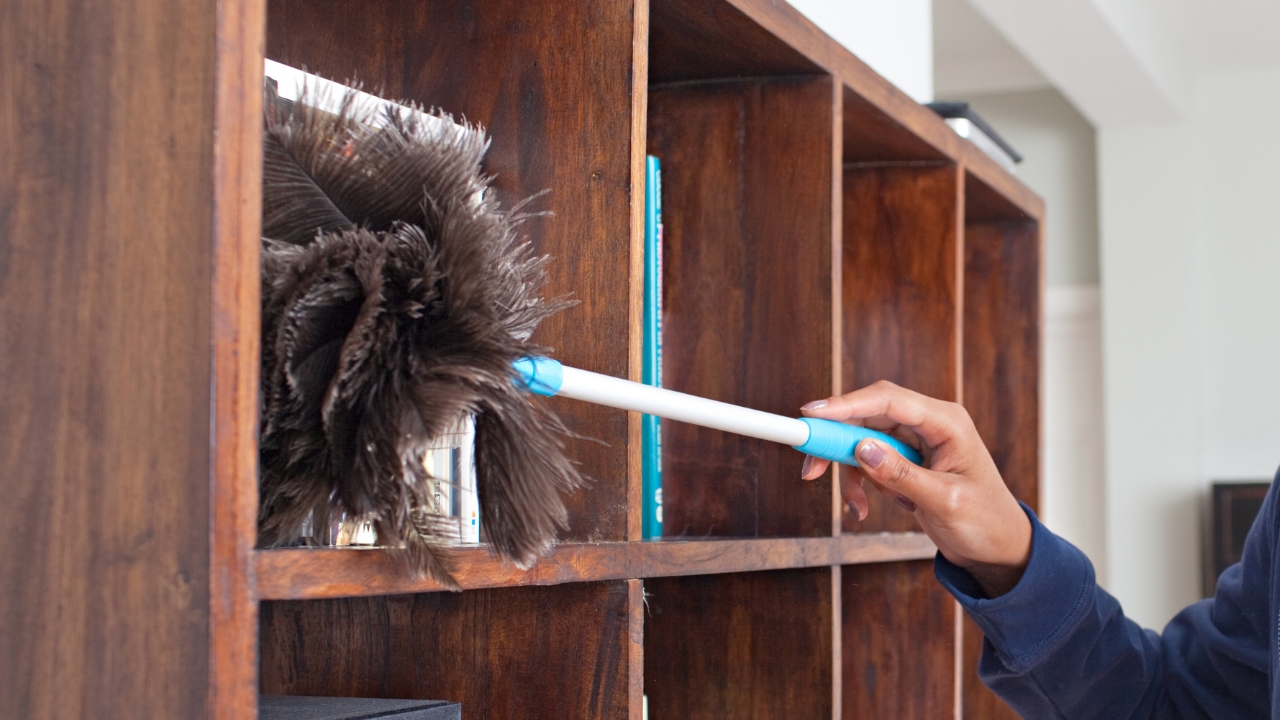
Feather dusters look old-school, and there’s a reason most people have moved on. They don’t trap dust—they push it around and send particles flying back into the air.
Microfiber dusters are a better bet. They actually hold onto dust instead of spreading it. If you’re still using a feather duster, it might be time for an upgrade.
Toothbrush Holders
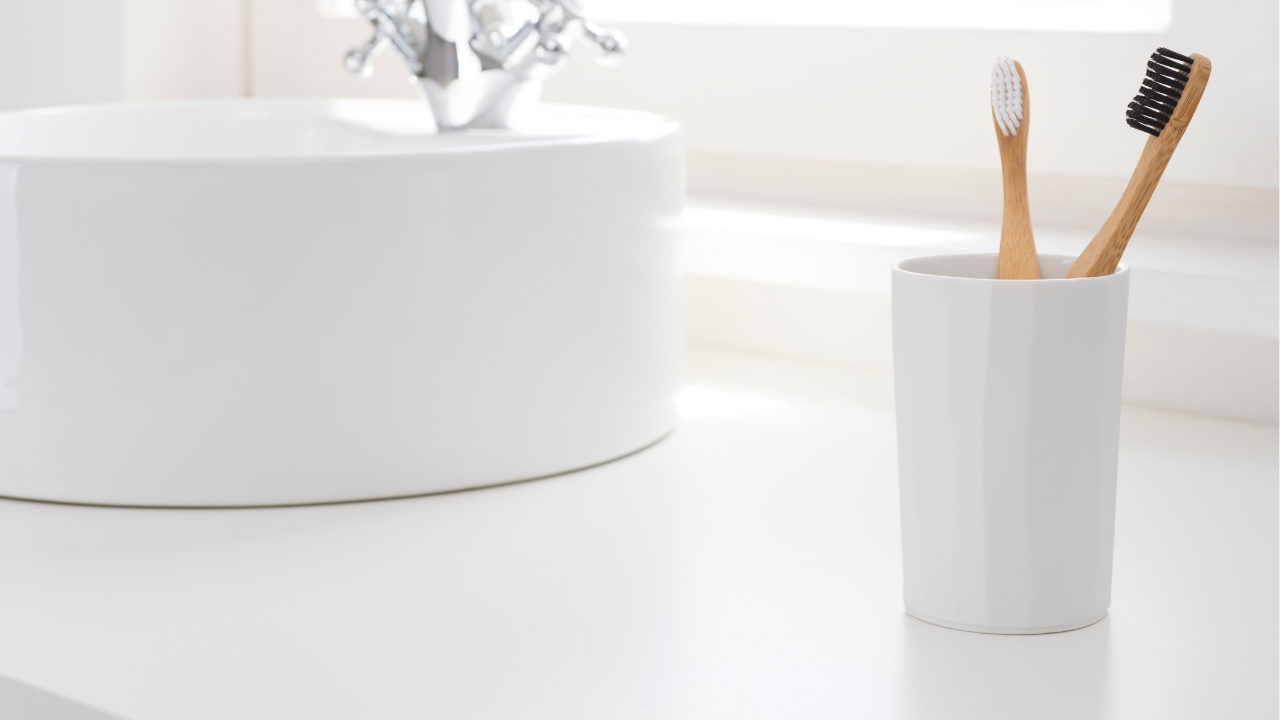
This one’s easy to overlook. You rinse your toothbrush, but where do the drips go? Right into the holder—where moisture and toothpaste gunk collect and turn into a bacteria farm.
Take it apart and wash it with hot, soapy water at least once a week. If it’s dishwasher safe, run it through a cycle. You’ll probably be surprised at what’s built up in there.
Bucket Water

If you’re mopping with one bucket of water and never changing it out, you’re basically cleaning your floors with dirty water. That’s especially true if you started in the kitchen and moved to the bathroom—or vice versa.
Dump and refill the water often while you’re cleaning, especially if it starts looking cloudy. Dirty water doesn’t clean—it coats your floors in everything you were trying to get rid of.
Old Sponges in the Bathroom
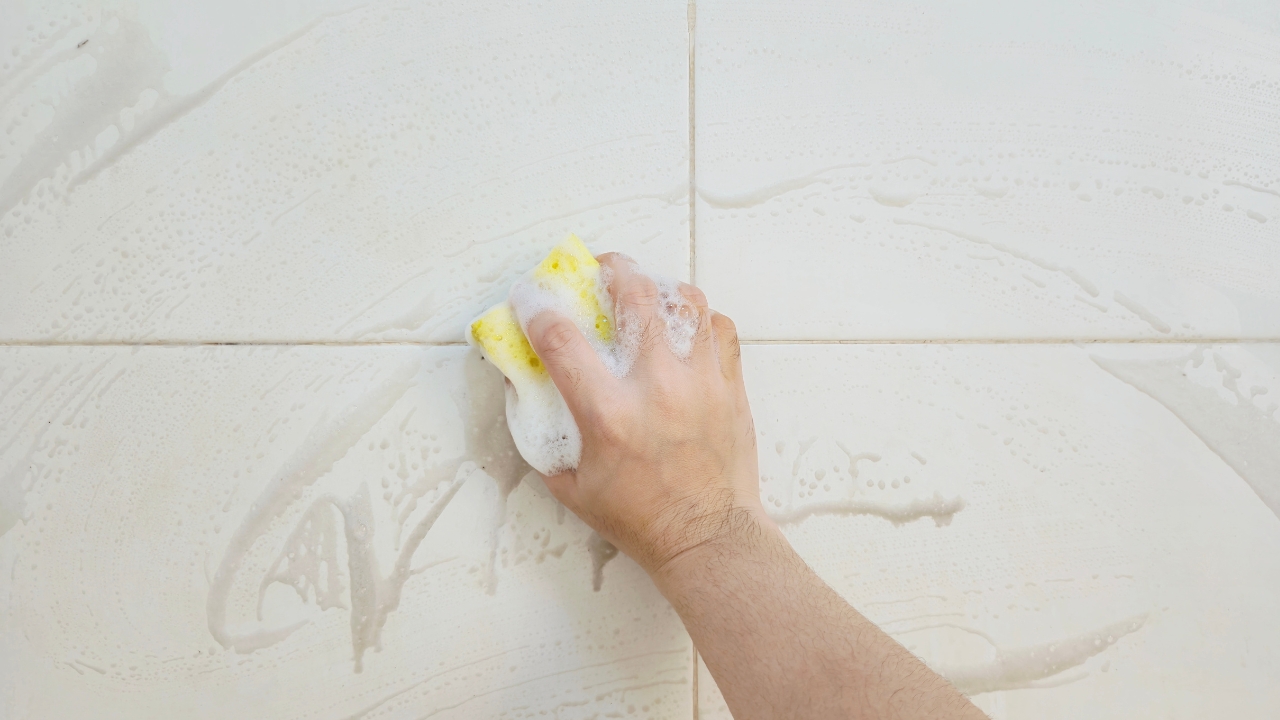
Kitchen sponges get a bad rap, but bathroom sponges can be even worse. If you’re using the same sponge for the sink, tub, and toilet without disinfecting or replacing it, you’re spreading bathroom germs around every surface.
Keep separate sponges for each area—or better yet, use disposable disinfecting wipes for the toilet zone. When in doubt, toss it out. It’s not worth the risk.
*This article was developed with AI-powered tools and has been carefully reviewed by our editors.