12 Decluttering Habits That Make the Whole House Feel Cleaner
A lot of homes don’t really need a deep clean as much as they need less stuff sitting out. When surfaces are covered, even freshly mopped floors and dusted shelves still feel messy. The good news is you don’t have to do a giant purge every weekend.
Small, repeatable habits make the biggest difference. These are the little things that quietly keep clutter from taking over, so the house feels cleaner even on a normal Tuesday.
1. Do a five-minute “reset sweep” once or twice a day

Instead of waiting for clutter to pile up until it becomes an hour-long job, get in the habit of a five-minute sweep. Set a timer, grab a basket, and walk the main areas putting things back where they actually belong.
You’re not organizing drawers or cabinets—just clearing what’s sitting out on tables, counters, and floors. A quick sweep after dinner or before bed keeps surfaces from becoming permanent parking spots for random things. Over time, five minutes a day does more for how your house feels than a once-a-week marathon.
2. Give flat surfaces a “capacity limit”

Counters, nightstands, and dressers are clutter magnets. One habit that helps is deciding ahead of time how many things are allowed to live there full-time.
For example:
- Nightstand: lamp, clock, book, water glass
- Kitchen counter corner: coffee maker, canister, spoon rest
Anything extra that starts hanging out there becomes a signal: this doesn’t belong long-term. When there’s a “limit,” it’s easier to notice when a surface is getting crowded and do a quick reset.
3. Keep a permanent donate box within reach

Decluttering is easier when “donate” isn’t a big production. Keep a simple box or bag in a closet or laundry room labeled “donate,” and make it part of normal life to drop things in.
Too-small clothes, extra mugs, duplicate kitchen tools, toys your kids have outgrown—if you run across something you’re done with, it goes straight in the box. When the box is full, it leaves the house. You’re not waiting for a perfect weekend to do one giant purge that never happens.
4. Use the “one in, one out” rule on repeat offenders
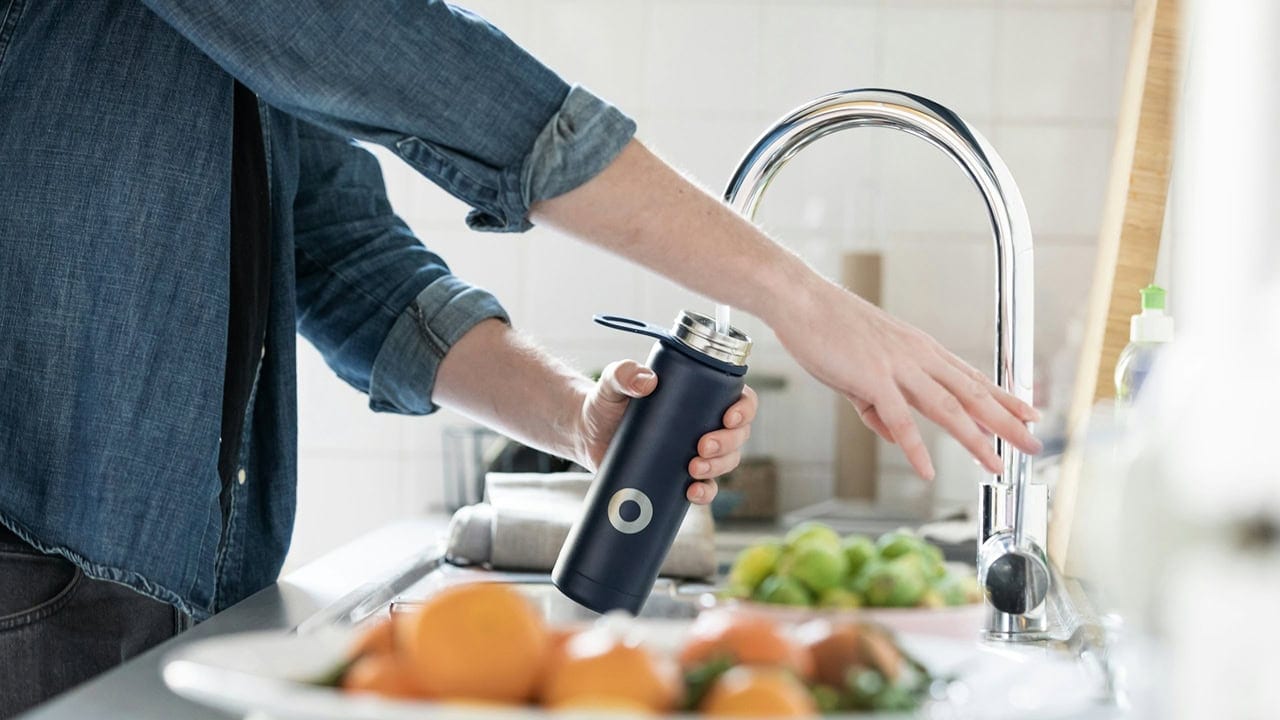
Some categories explode if you’re not careful: kids’ clothes, water bottles, pillows, storage containers. For these, the one in, one out habit keeps the numbers reasonable.
Any time a new item comes into one of those categories, something else has to go. Bought a new hoodie? One old one gets donated. New tumbler? One unused cup leaves. This keeps you from sneaking up on overflow and wondering why every cabinet is suddenly packed.
5. Clear bags and boxes the day they arrive

So much clutter starts with things never fully getting unpacked: Amazon boxes, school bags, shopping sacks. Instead of dropping them and walking away, build a habit of clearing them the same day.
Break down boxes and toss or recycle them. Empty bags completely—put away what belongs, toss the trash, and hang or store the bag. It takes a few extra minutes, but it stops those piles from becoming hallway decor.
6. Give “homeless” items a temporary holding spot
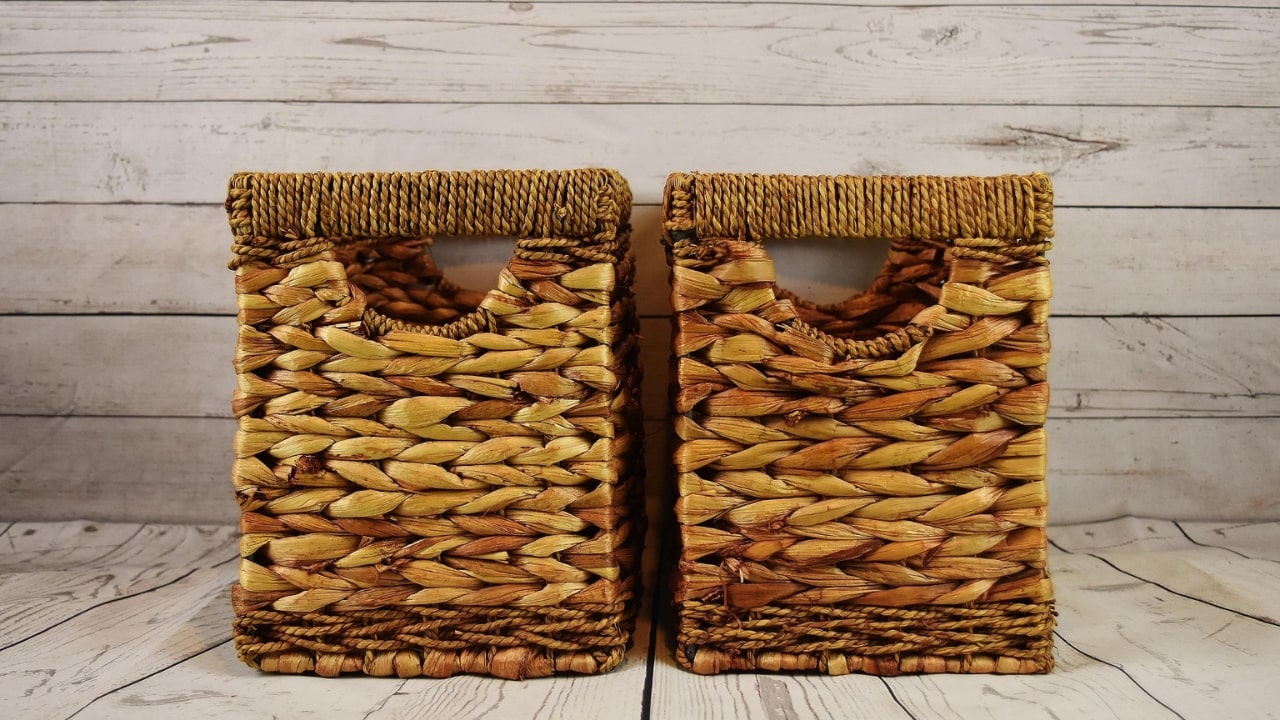
Sometimes you pick something up and think, “I have no idea where this should live.” Instead of throwing it back on a counter, keep a small bin or basket labeled “figure out later.”
That basket lives in a closet or laundry room, not the middle of the kitchen. Once a week, go through it and make decisions: find a real home, donate it, or let it go. The habit keeps random items out of sight while still forcing you to deal with them on a schedule.
7. Build a “landing zone” by the main door
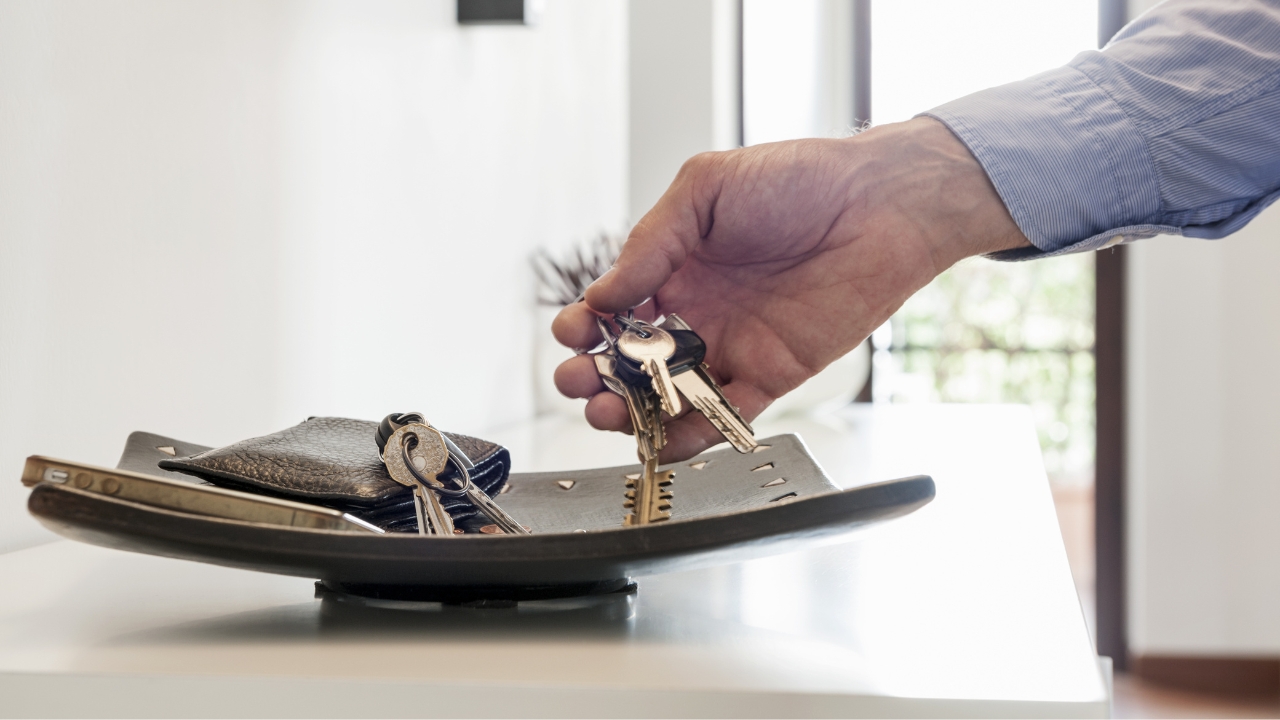
Shoes, bags, keys, mail—if you don’t give them a home near the door, they’ll land on the nearest horizontal surface. Setting up a small landing zone absorbs half your daily clutter before it spreads.
This doesn’t have to be fancy. A couple of hooks, a shoe tray or basket, a small bowl or tray for keys, and a mail spot are enough. When the family knows where those things go, you stop finding them scattered from the entryway to the kitchen table.
8. Do a nightly “kitchen surfaces clear” habit
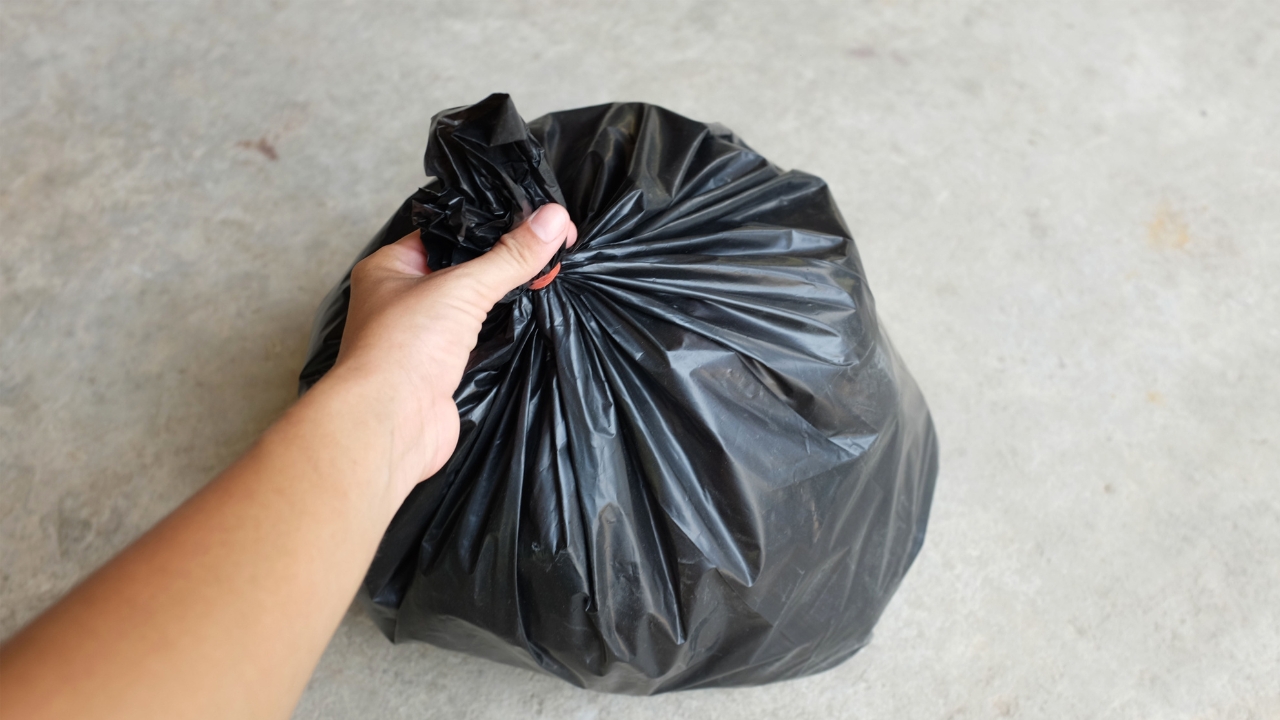
The kitchen is where clutter loves to win. One simple habit that pays off: every night, before you call it a day, clear the counters and table.
That means:
- Putting away food and snacks
- Rinsing or loading dishes
- Tossing trash and recycling
- Returning random items to where they belong
You don’t need spotless stainless steel. Just seeing mostly clear surfaces when you walk in the next morning makes the whole house feel calmer and cleaner, even if other areas still need work.
9. Limit how many “projects in progress” stay out
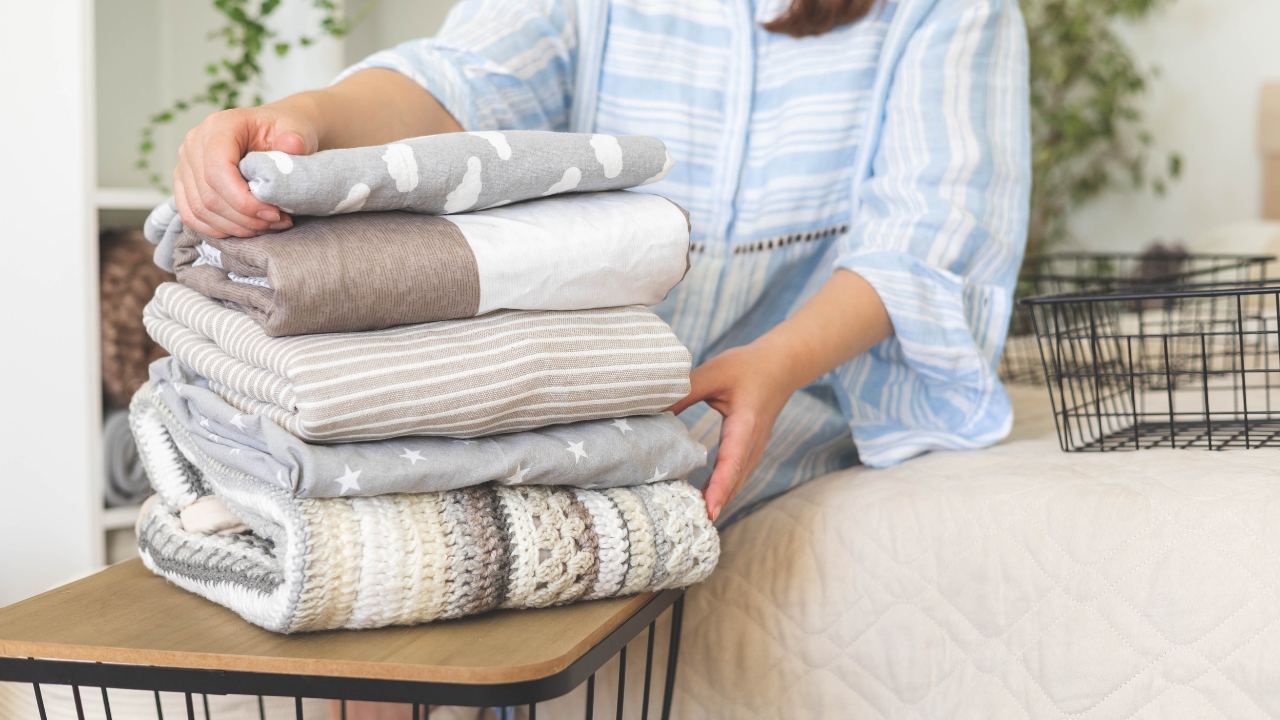
Crafts, puzzles, work papers, laundry piles—some things take a few days. The habit that matters is deciding how many of those “in progress” piles are allowed to stay out at once and where they’re allowed to live.
Maybe one project on the dining table, not four. One laundry basket in the living room, not three. When you hit your self-imposed limit, something has to get finished or put away before starting the next. This keeps your home from feeling like a permanent staging area.
10. Teach quick resets to everyone, not just you
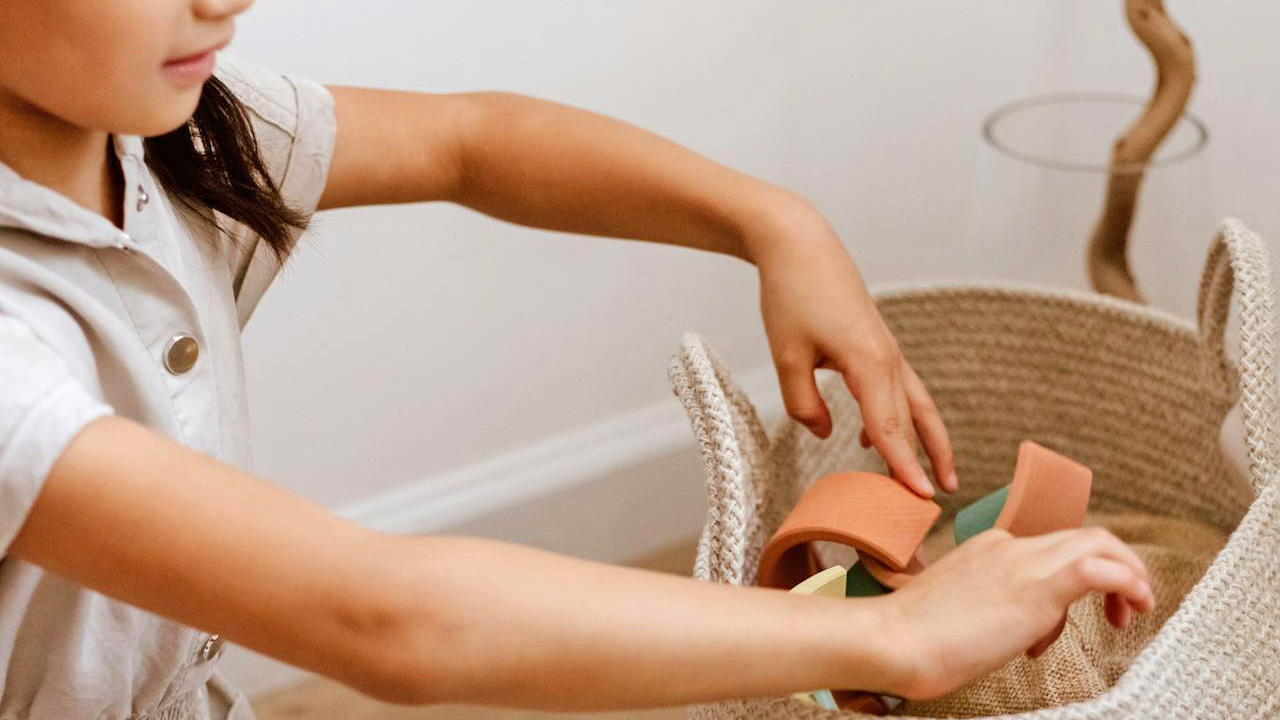
If you live with other people, clutter can’t just be “your” job. Even little kids can learn simple reset habits, like putting toys back in one bin before bed or hanging backpacks on a hook.
Make it a short shared routine—five minutes after dinner or a quick pick-up before a show. The point isn’t perfection; it’s letting everyone see themselves as part of keeping the house livable. When everyone pitches in a little, you’re not trying to fight the clutter alone.
11. Keep a trash bag handy during bigger chores
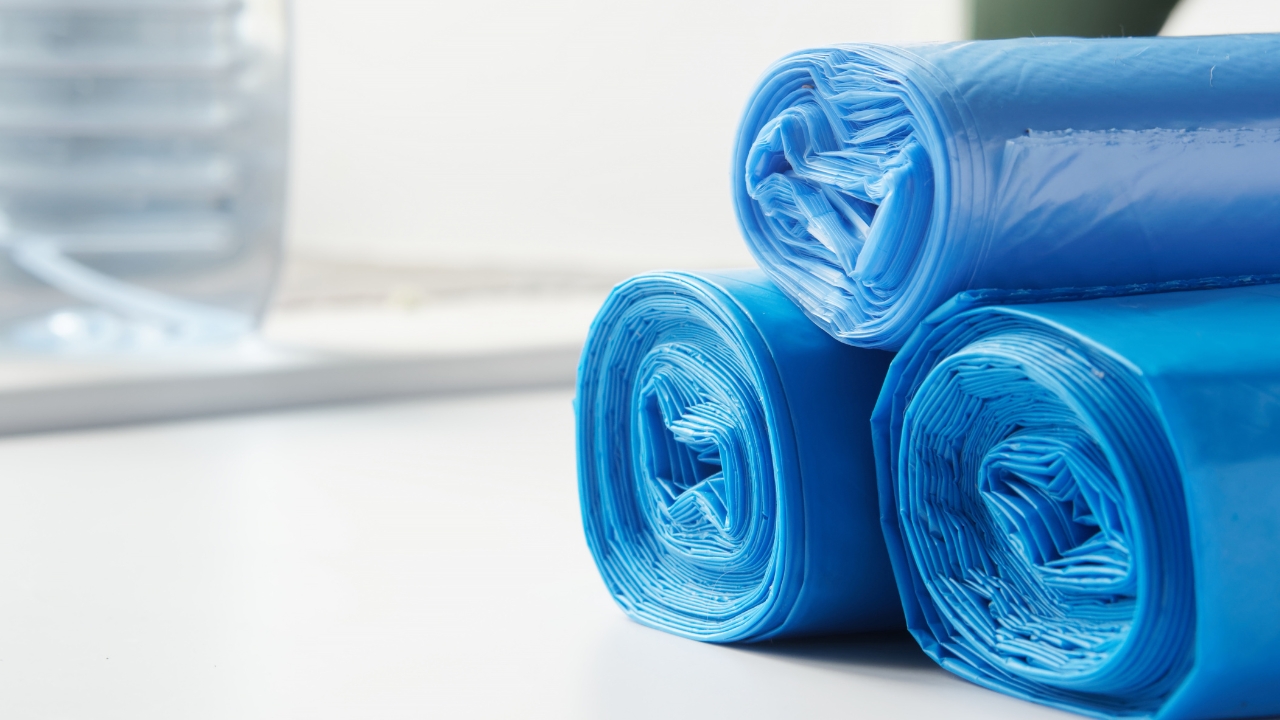
When you’re already in motion—doing laundry, cleaning a bathroom, organizing a closet—it’s the perfect time to let go of a few things. Keeping a trash bag or donate bag nearby turns “cleaning” into slow, steady decluttering.
If a towel is shredded, it goes straight in the rag or trash bag. Expired products leave the cabinet instead of going back in. That way, you’re not creating separate “declutter days” you never get to.
12. Decide what “clear enough” looks like for your house

Decluttering habits work better when you know your own version of “clean enough.” Maybe that means open floor paths, clear kitchen surfaces, and no piles on the stairs. It doesn’t have to mean an empty, minimalist house.
When you have a mental picture of what feels calm to you, it’s easier to notice when you’re drifting and do a quick reset. Over time, these small, repeatable habits matter more than any single big purge—and they keep your home feeling cleaner even on the days when life is a little chaotic.
Like Fix It Homestead’s content? Be sure to follow us.
- I made Joanna Gaines’s Friendsgiving casserole and here is what I would keep
- Pump Shotguns That Jam the Moment You Actually Need Them
- The First 5 Things Guests Notice About Your Living Room at Christmas
- What Caliber Works Best for Groundhogs, Armadillos, and Other Digging Pests?
- Rifles worth keeping by the back door on any rural property
*This article was developed with AI-powered tools and has been carefully reviewed by our editors.