12 Most Beautiful Christmas Plants
Using live plants at Christmas makes the house feel richer and more “put together” than plastic everything. They add color, scent, and movement, and a lot of them will keep going well after the holidays if you treat them right. You don’t have to turn your place into a greenhouse, either. A handful of the right plants in the right spots can carry the whole season.
Here are some of the prettiest Christmas plants to work into your home this year.
1. Classic red poinsettias
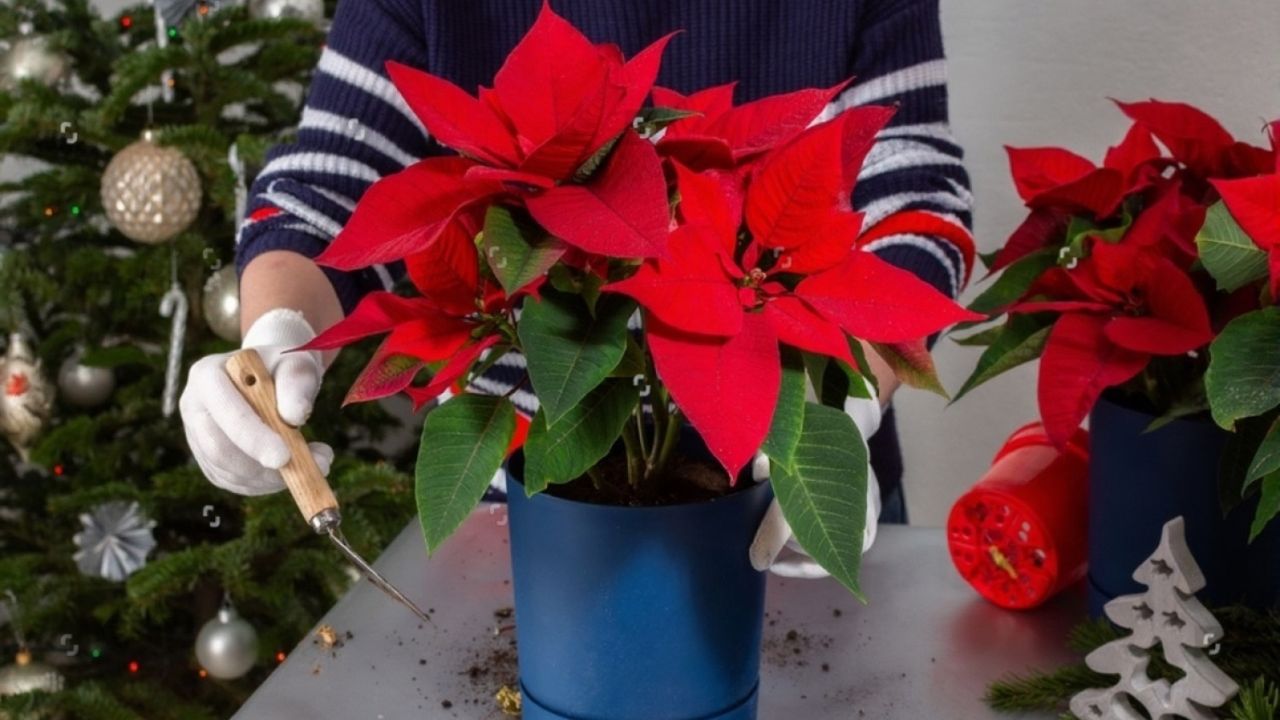
Red poinsettias are the default for a reason. They fill empty corners, dress up a fireplace, and make any entryway feel more festive the second you set them down. You can grab them at the grocery store, stick them in a simple basket or pot, and they suddenly look intentional instead of like a last-minute grab.
They’re pretty low-maintenance if you keep them out of cold drafts and away from heat vents. Water when the top of the soil feels dry, but don’t let them sit in a puddle. If you hate the foil wrap they come in, drop the whole thing into a nicer planter or basket and call it done.
2. White and blush poinsettias

If red feels too loud for your space, white or blush poinsettias look clean and calm. They work really well with neutral decor or homes that lean more modern or farmhouse. A group of smaller white poinsettias lined down a table runner or console instantly looks styled without much effort from you.
They like the same care as red ones: bright, indirect light and light, consistent watering. White poinsettias also pair well with wood tones, brass candleholders, and simple greenery. If your Christmas decor tends to get busy fast, these can balance things out and keep everything from feeling chaotic.
3. Christmas cactus
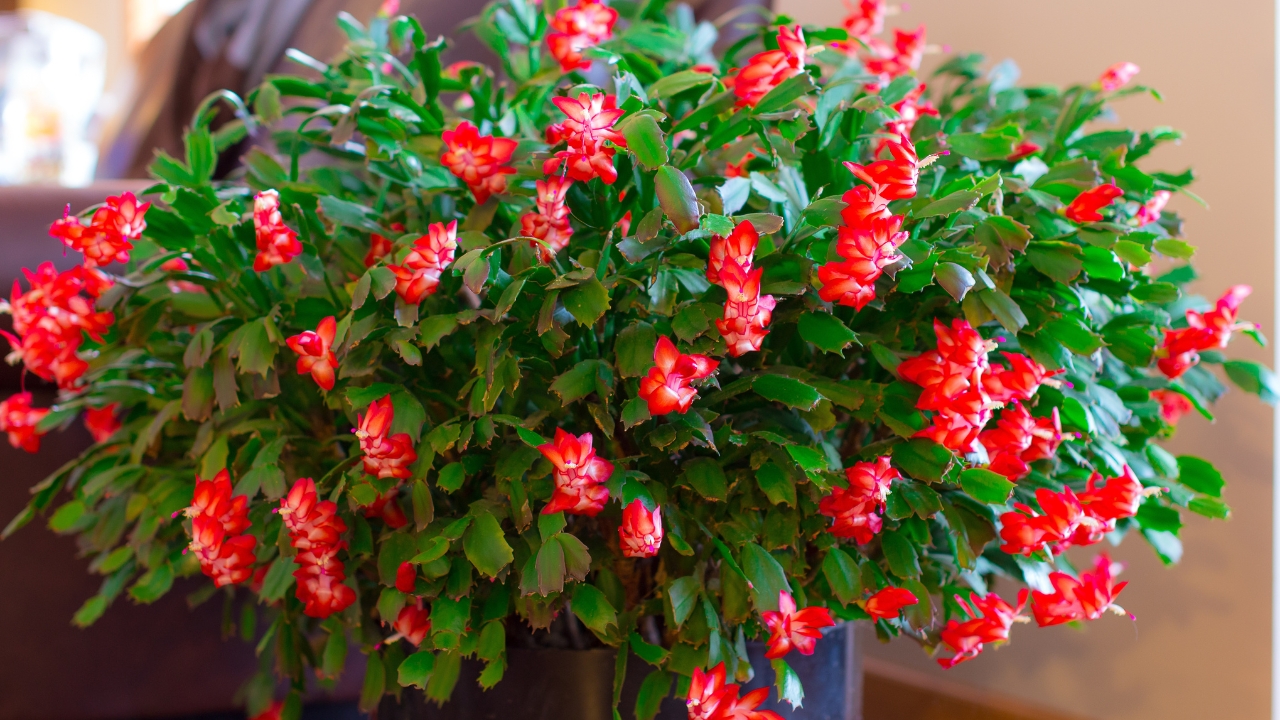
A Christmas cactus brings softer color than poinsettias and tends to feel a little more personal, almost like something you’d inherit from a grandparent. The blooms in pink, red, or white look great on a kitchen counter, coffee table, or nightstand. It’s a plant that actually looks good once the holidays are over too.
They like bright, indirect light and slightly moist soil, but they hate sitting in water. Let the top inch of soil dry out before watering again. If you treat it decently, it’ll bloom year after year. That makes it a nice “tradition” plant instead of something you toss in January.
4. Amaryllis

Amaryllis blooms look dramatic with very little work on your end. You usually buy a bulb in a pot, water it, and watch it send up a long stalk with big red or white flowers. It’s the kind of plant that makes guests comment when they walk by.
They’re perfect for a sideboard, kitchen island, or front window. The stalk can get tall, so you may need to rotate the pot to keep it from leaning toward the light. Once it’s done blooming, you can either compost it or let the leaves grow and try to rebloom it next year if you’re patient.
5. Paperwhite narcissus
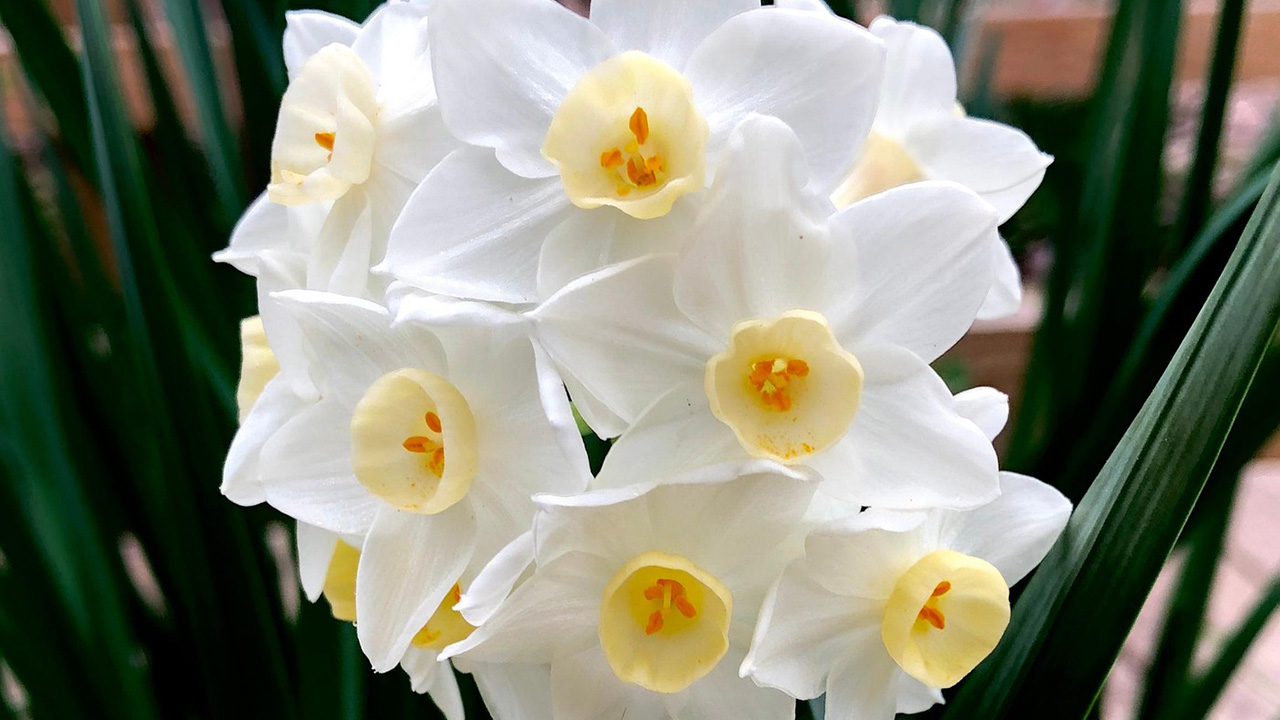
Paperwhites look delicate and a little fancy, but they’re actually super easy. You can grow them in pebbles and water or regular potting soil. A clear glass vase with pebbles and tall paperwhites instantly looks like “I tried” without you actually doing much.
They have a strong scent, so keep that in mind if you’re sensitive. They do best in bright light and cooler rooms, which helps keep them from stretching out and flopping. Use them where you want height—like a mantel, entry table, or bathroom counter—since they grow tall fast.
6. Rosemary topiaries
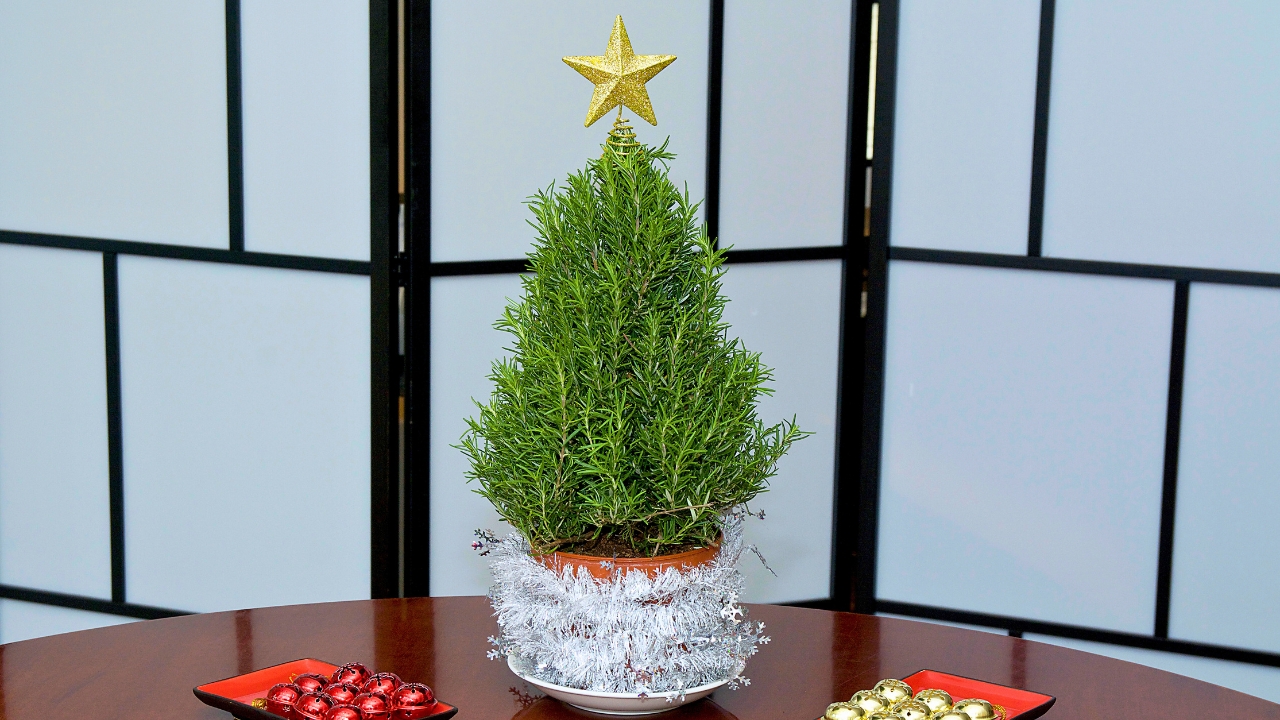
Rosemary trimmed into little trees pulls double duty: it looks like a mini Christmas tree and smells good every time you brush past it. It fits perfectly on a kitchen counter, breakfast table, or next to the stove, and you can snip some off for cooking.
These like bright light and well-draining soil. Let the top of the soil dry before watering again so you don’t drown the roots. If your kitchen decor is pretty simple, a rosemary topiary instantly brings in that holiday feel without adding another plastic decoration to dust.
7. Mini Norfolk Island pines
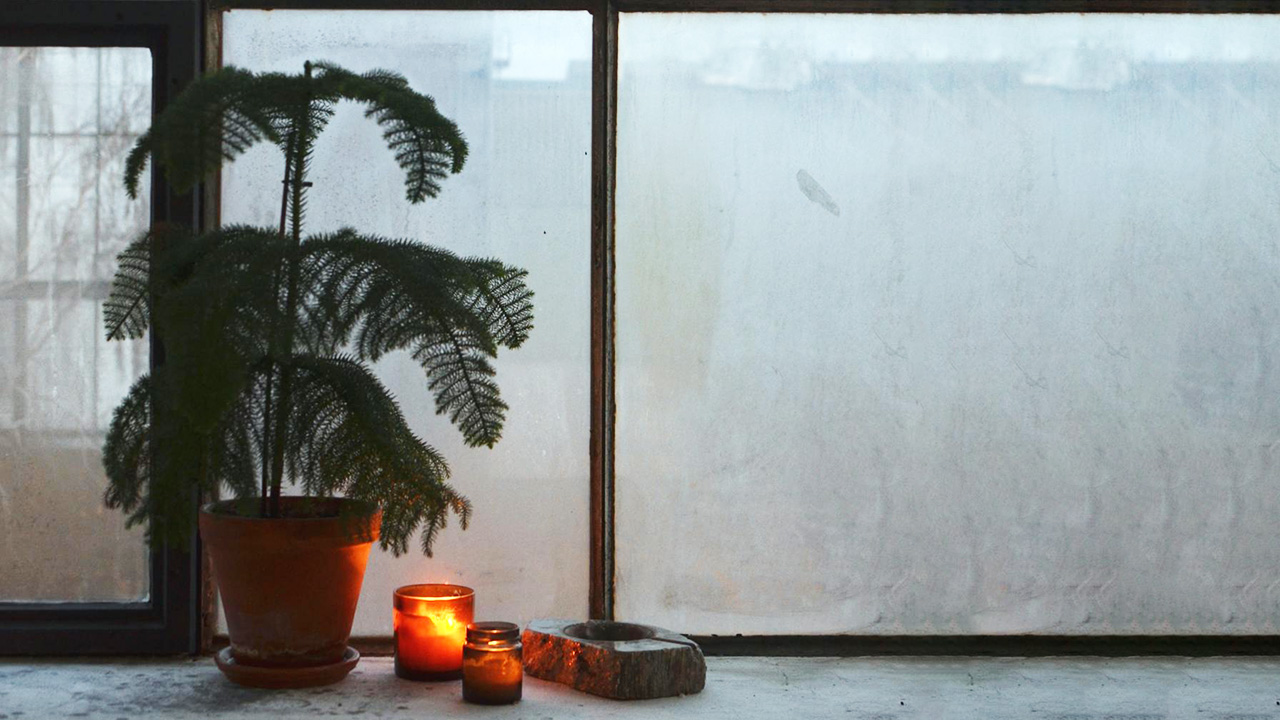
Mini Norfolk pines look like tiny full-size Christmas trees and are one of the easiest ways to bring that “tree” look into small spaces. You can stick them on a dresser, nightstand, or even in the bathroom with a few small ornaments or a simple ribbon.
They prefer bright, indirect light and slightly moist soil. They’re not cold-hardy, so keep them away from drafts and freezing windows. Treated well, they keep going long after Christmas, so you’re not buying something that’s trash by New Year’s.
8. Holiday cyclamen

Cyclamen gives you bright blooms and interesting leaves at the same time. The flowers come in red, white, or pink, and the variegated leaves look decorative on their own. These do really well as a pop of color on coffee tables, desks, or kitchen counters.
They actually like cooler rooms, which works in winter. Keep them away from heating vents and direct sunlight. Water from the bottom if you can (pour water into a saucer and let it soak up) so the crown doesn’t rot. When you treat them right, they’ll bloom for weeks.
9. Winterberry branches

If you don’t want another potted plant, winterberry stems in a vase are a good pick. The bright red berries look bold against white walls or neutral decor and can replace or mix with flowers that don’t last as long. They’re great on mantels, dining tables, or in an entryway.
You can use them on their own in a tall vase or mixed with eucalyptus and evergreens. They’ll slowly dry out but stay pretty for quite a while. If you have kids, keep the vase out of reach—winterberry is decorative only, not something to play with or chew on.
10. English ivy
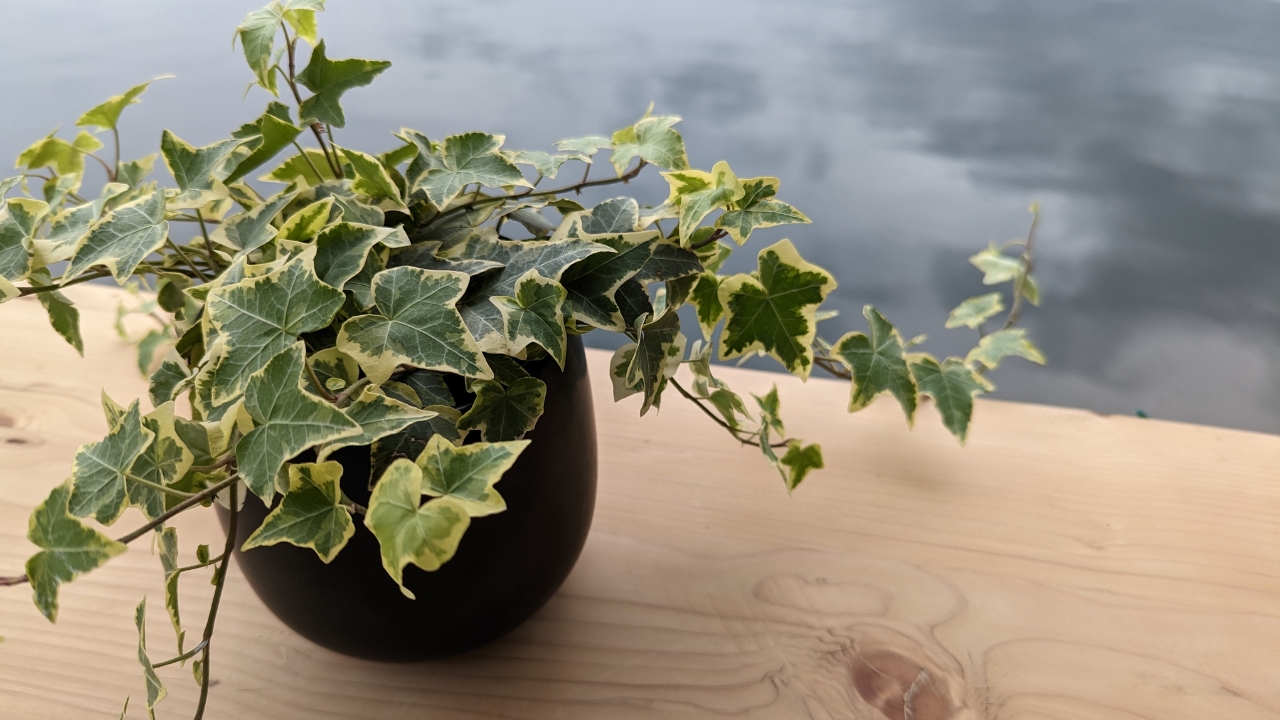
Ivy works well for softening hard edges—wrapped around a bannister, trailing from a shelf, or tucked into a centerpiece with other greenery. The trailing vines make decorations feel more finished instead of stiff.
It likes bright, indirect light and consistent but not soggy watering. You can keep it in its own pot and tuck the pot into arrangements so you’re not trying to plant it with everything else. If you’re using it indoors full-time, check leaves now and then for pests and trim back any wild vines.
11. Christmas rose (helleborus)
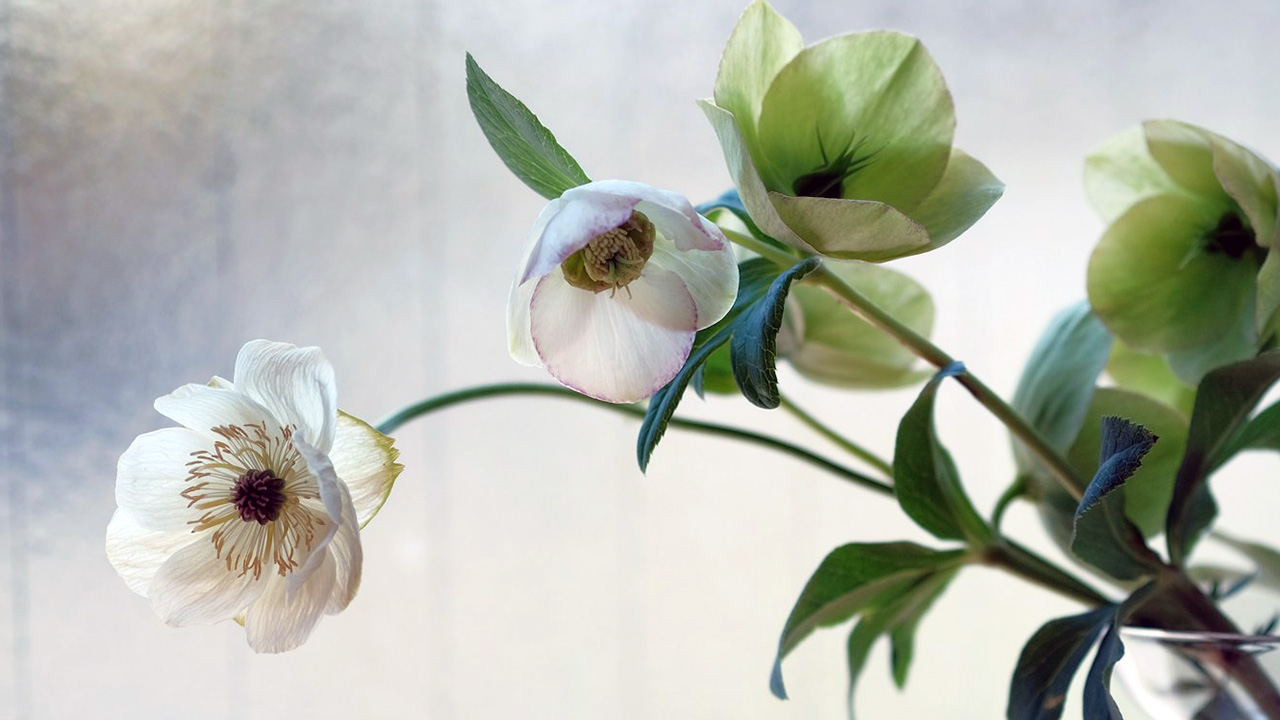
Christmas rose (Helleborus niger) is a winter-blooming plant with soft white flowers that feels calm and understated compared to bright red decor. It works well on a porch, cold sunroom, or cool indoor spot near a window.
Outdoors, it’s usually hardy in cooler climates and can keep going as a perennial. Indoors, it likes cooler temps and steady moisture without being waterlogged. If you plan ahead, you can enjoy it inside for the holidays and then plant it out in a shady bed once the ground thaws.
12. Mixed evergreen planters

A mixed evergreen planter—cedar, pine, fir, maybe some pine cones and berries—gives you scent and texture without needing daily care. On a porch, by the front door, or on a patio table, it makes the whole entry feel more pulled-together.
You can buy pre-made planters or stuff cut branches into soil or floral foam in a pot you already own. Mist them now and then or set them where they won’t get blasted by wind and sun. They’ll slowly dry out but still look good for most of the season, and you’re not storing anything afterward.
Like Fix It Homestead’s content? Be sure to follow us.
- I made Joanna Gaines’s Friendsgiving casserole and here is what I would keep
- Pump Shotguns That Jam the Moment You Actually Need Them
- The First 5 Things Guests Notice About Your Living Room at Christmas
- What Caliber Works Best for Groundhogs, Armadillos, and Other Digging Pests?
- Rifles worth keeping by the back door on any rural property
*This article was developed with AI-powered tools and has been carefully reviewed by our editors.