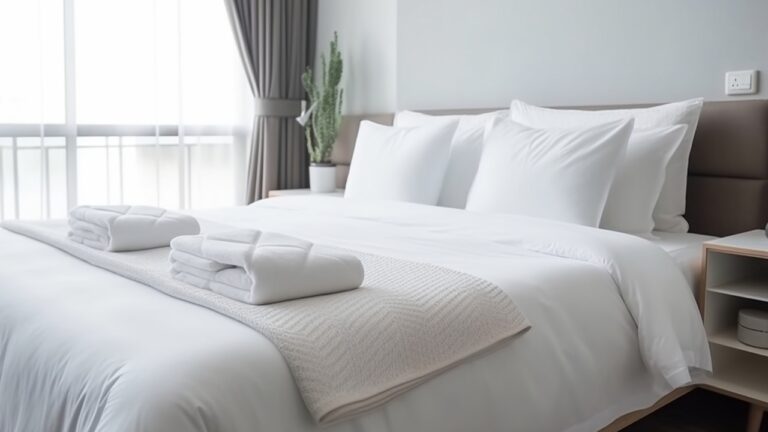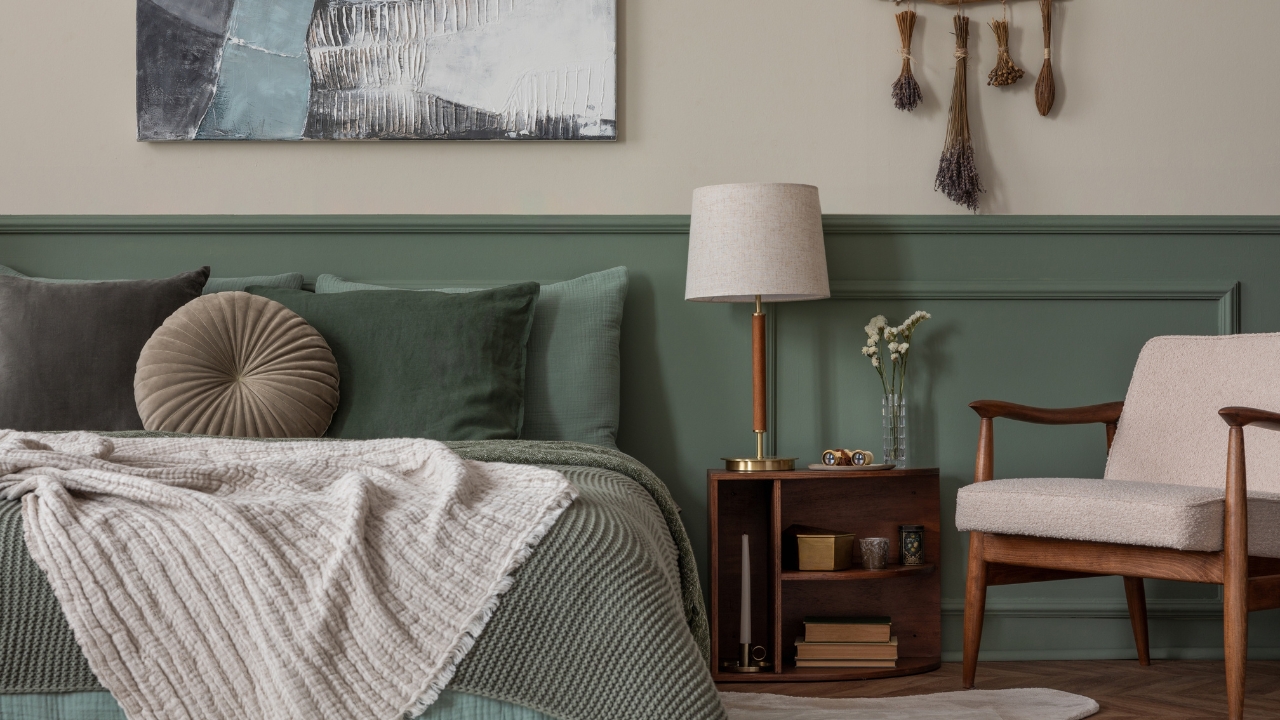
13 Cozy Bedroom Layers Designers Use When the Temps Drop
A warm bedroom in winter isn’t only about the thermostat. Layers—on the bed, windows, and floor—do a lot of the work. Designers think in terms of texture and weight, not just color. The goal is a room that feels calm, warm, and easy to settle into at the end of a cold day.
You don’t have to buy everything at once. Even a few of these layers can change how the room feels.
1. A breathable base sheet set

Start with comfortable cotton or linen sheets that don’t make you sweaty. You want something you can use year-round and layer on top of, not flannel so hot you kick everything off at 2 a.m.
Good base sheets mean you can adjust warmth with blankets and comforters instead of completely changing your bedding every season.
2. A medium-weight quilt or coverlet
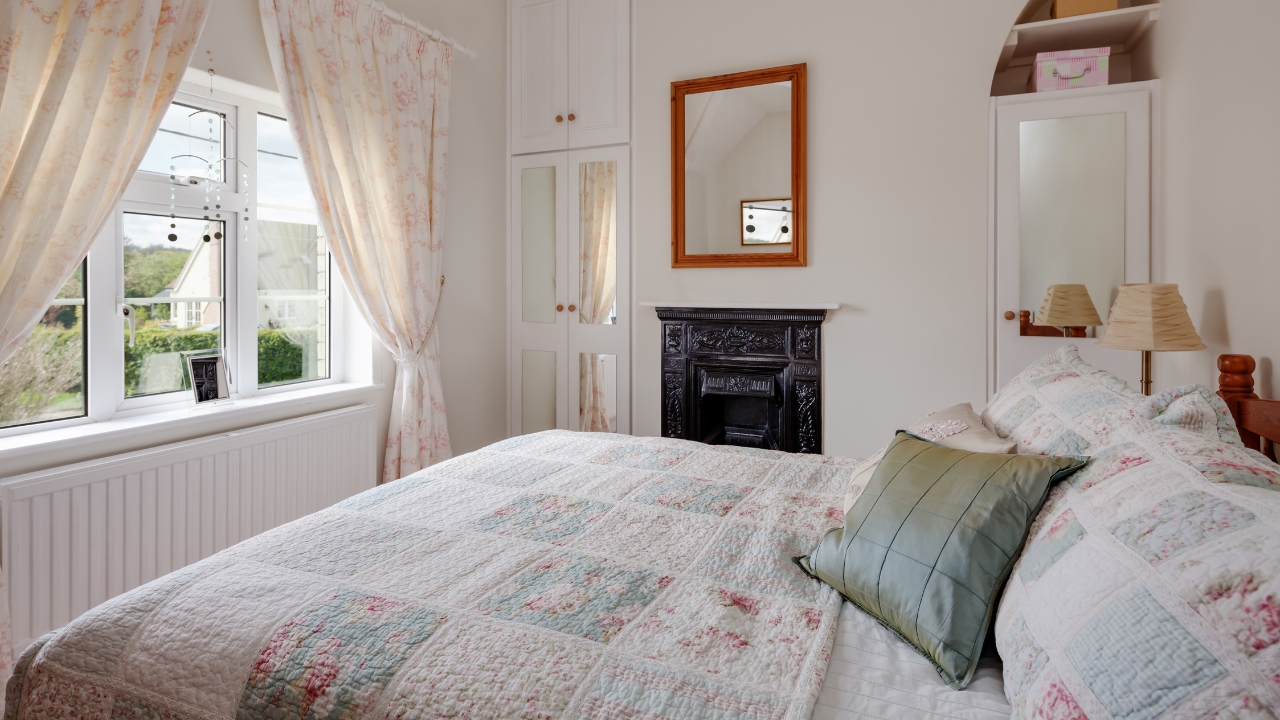
A quilt or coverlet adds that first layer of warmth and structure. It keeps the bed from feeling flimsy and works on its own in shoulder seasons when you don’t need the heaviest blanket.
Designers often use a solid or very subtle pattern here so they can change pillows and throws without everything competing.
3. A real, heavier top layer

When temps really drop, a duvet, comforter, or wool blanket is your main warmth. Look for something that feels substantial without being suffocating—down-alternative or layered blankets can both work.
You don’t have to keep it on the bed year-round. Fold it at the foot during the day or store it nearby in a basket when you don’t need it.
4. A throw blanket at the foot of the bed

A folded throw at the end of the bed looks nice, but it’s also practical. You can pull it up on cold nights or use it alone for naps when you don’t want the full weight of all your bedding.
Mixing textures—knit, faux shearling, or woven cotton—adds depth without much effort.
5. Layered pillows with different textures

Instead of twenty pillows you toss on the floor, aim for a few that earn their keep: sleeping pillows, two larger Euro shams, and maybe one lumbar or decorative pillow in front.
Mix textures—smooth cotton, linen, a bit of boucle or knit—so the bed feels dimensional, not flat. You don’t need wild patterns to get that effect.
6. A soft rug where your feet land

Stepping onto cold floors is a quick way to wake up the wrong way. Even in carpeted rooms, a small rug by the bed softens things.
Designers often place a rug under the bottom two-thirds of the bed so it peeks out on the sides and at the foot. In small rooms, even a runner on one side helps.
7. Heavier curtains or lined panels
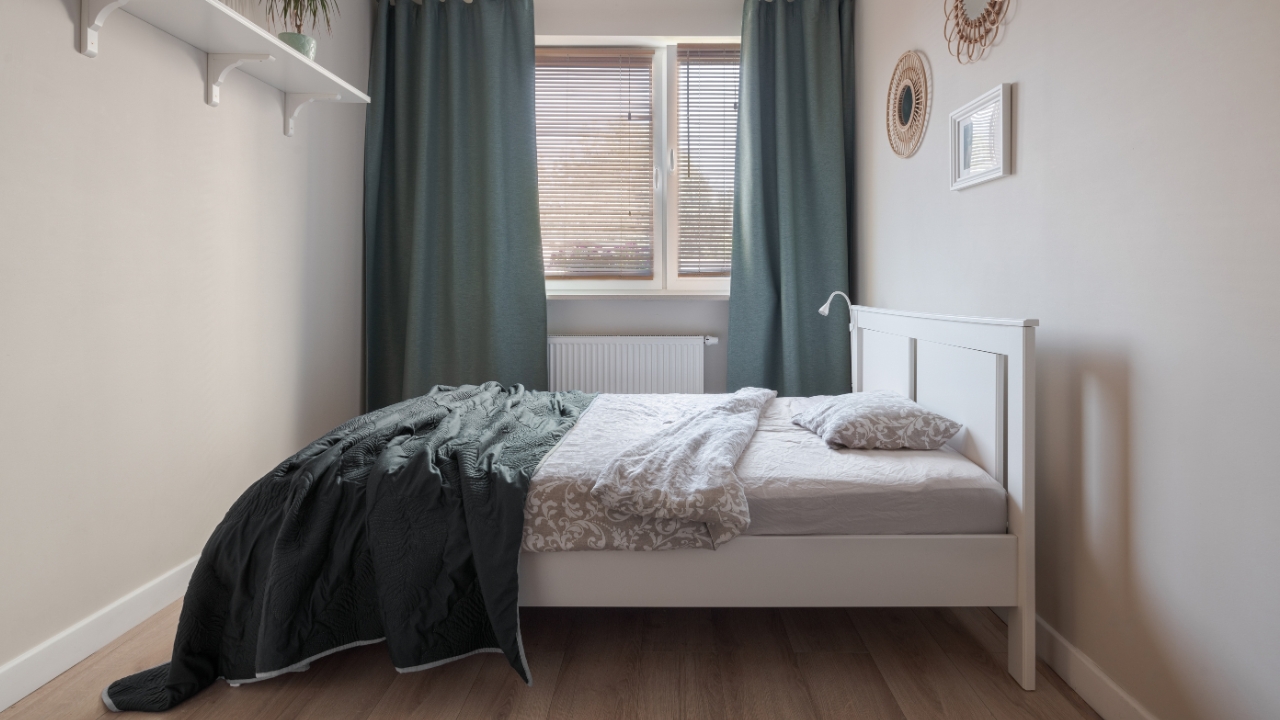
Thin, breezy curtains don’t do much in winter. Lined panels or thicker fabrics help block drafts and keep warmth in, especially at night.
You don’t have to go dark. Even light-colored curtains with a decent lining give you insulation and a more finished look.
8. Extra layers on the windowsill
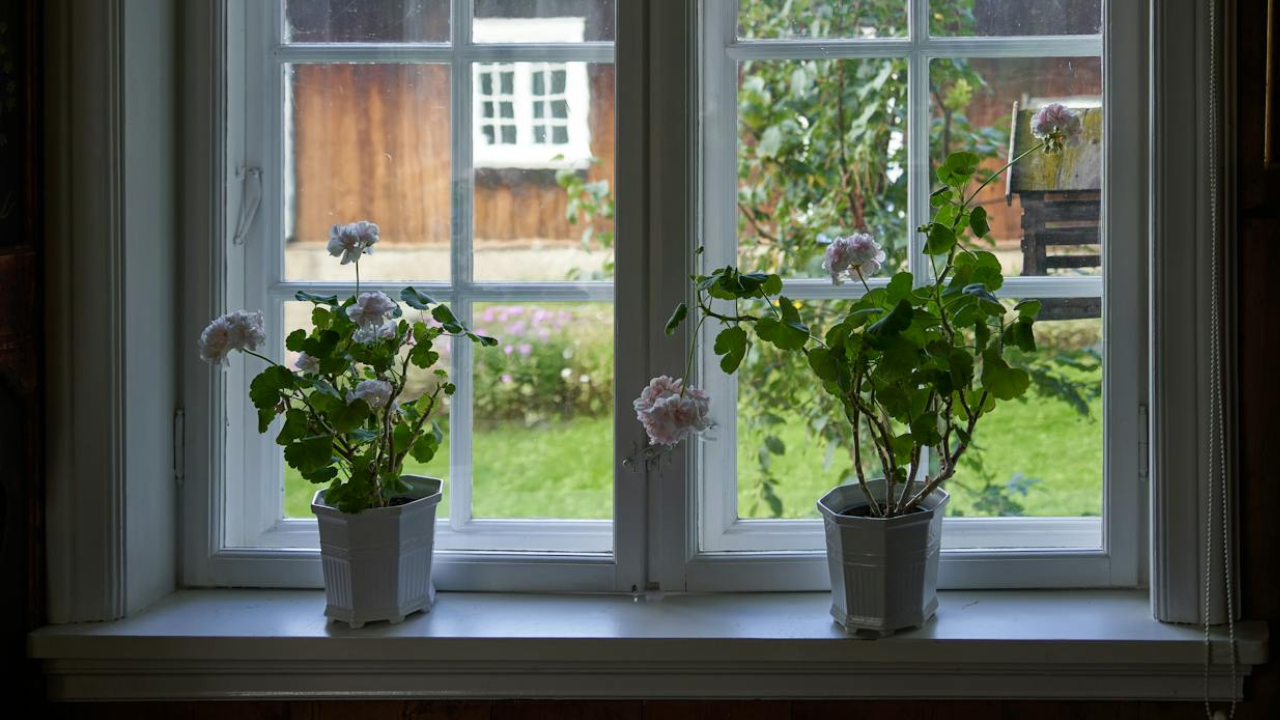
If you have a windowsill, treat it like a tiny shelf: add a small lamp, a plant, or a stack of books. It visually warms up that cold-glass area and makes the room feel more lived-in.
Just keep things simple so you can still open and close the curtains easily.
9. A small lamp for softer nighttime light
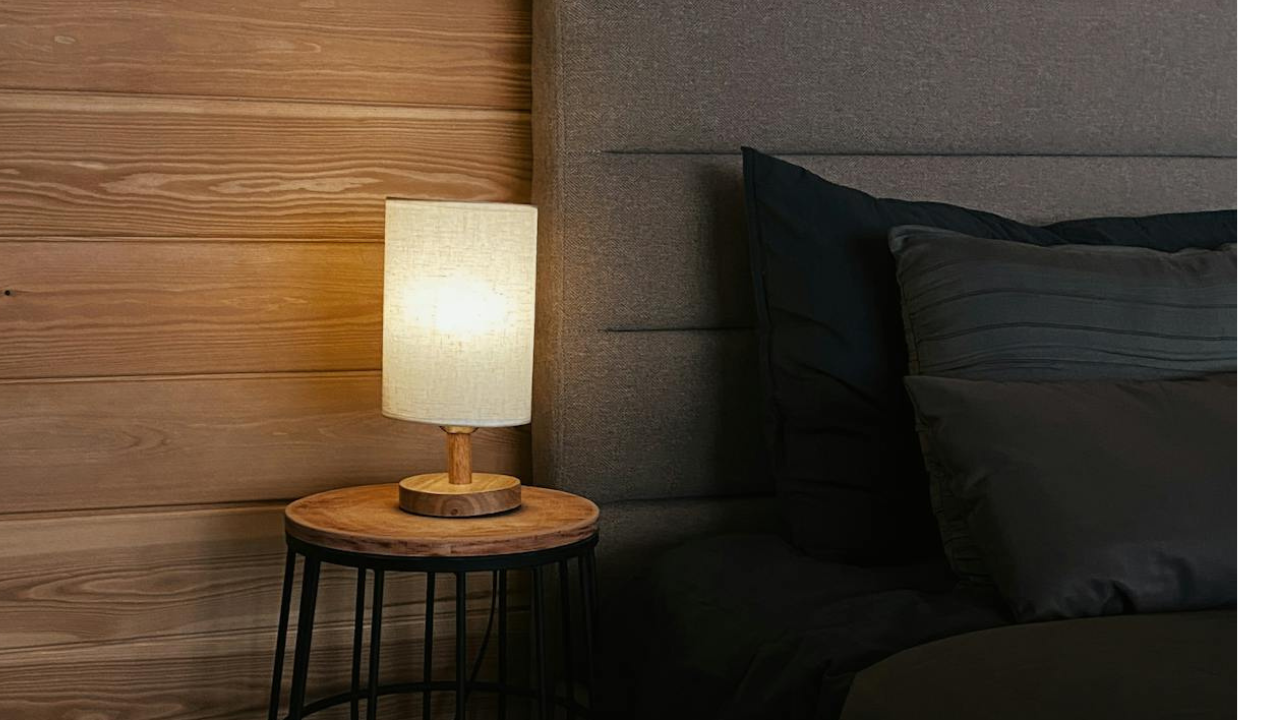
Overhead lights in a bedroom feel harsh, especially in winter. A bedside lamp or two with warm bulbs gives you soft, directional light for reading and winding down.
Designers almost always think about lamp height and shade size so the light hits around your book or lap, not right in your eyes.
10. A bench or basket for extra blankets

Having a dedicated spot for extra blankets keeps the room from looking like a linen closet exploded. A bench at the foot of the bed or a large basket in a corner works well.
It also makes it easy to add or subtract layers depending on the night without digging through another room.
11. Layered nightstands

A nightstand with just a lamp looks bare; one covered in clutter feels stressful. Designers usually layer a few useful items: lamp, small tray, book, maybe a plant or photo.
Those little layers make the space feel warmer without adding noise. The tray helps catch the small everyday stuff so it doesn’t spread.
12. Warm-toned accents

Even if your room is mostly neutral, bringing in warm tones—tan, rust, caramel, soft gold—through pillows, throws, or art keeps it from feeling cold.
You don’t have to repaint. A couple of well-chosen textiles can shift the whole mood of the space.
13. One “soft spot” that isn’t the bed
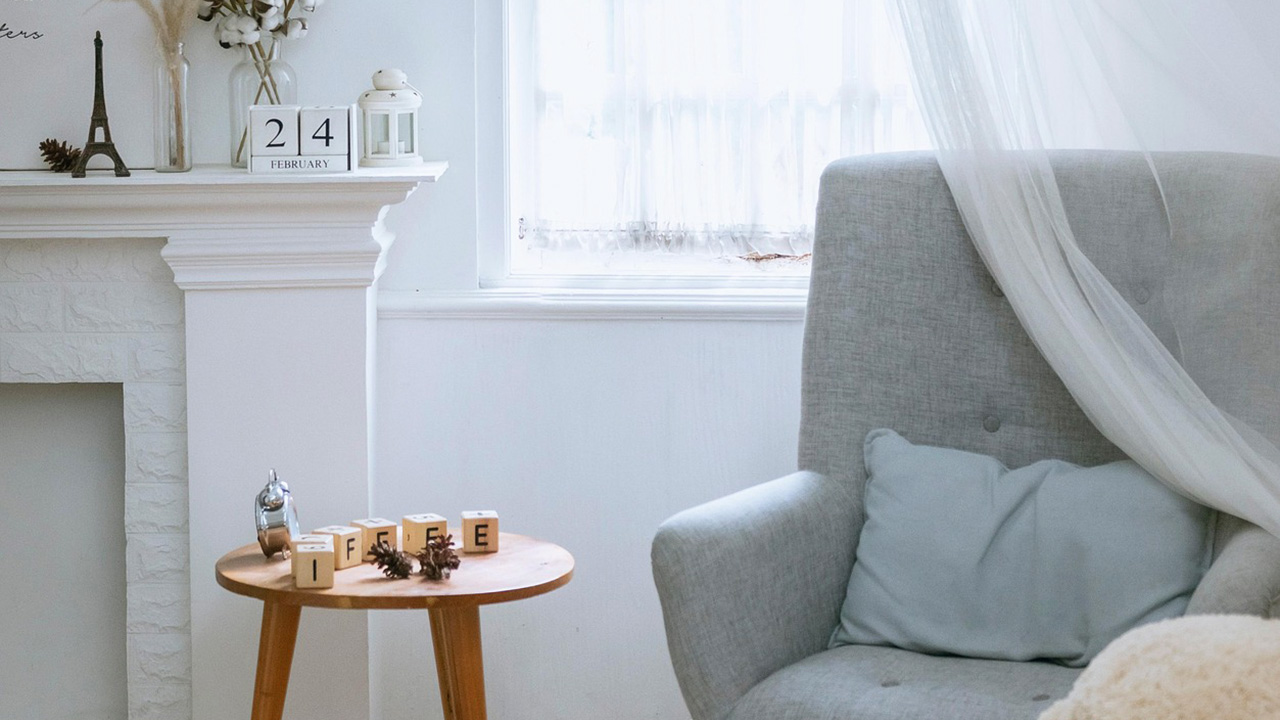
A simple chair with a throw, a small bench, or even a floor cushion gives you another soft place to land besides under the covers.
It’s nice to have a spot to sit, put on socks, or unwind for a few minutes without crawling straight into bed. That extra layer of comfort makes the room feel more like a retreat and less like a pass-through.
Like Fix It Homestead’s content? Be sure to follow us.
- I made Joanna Gaines’s Friendsgiving casserole and here is what I would keep
- Pump Shotguns That Jam the Moment You Actually Need Them
- The First 5 Things Guests Notice About Your Living Room at Christmas
- What Caliber Works Best for Groundhogs, Armadillos, and Other Digging Pests?
- Rifles worth keeping by the back door on any rural property
*This article was developed with AI-powered tools and has been carefully reviewed by our editors.