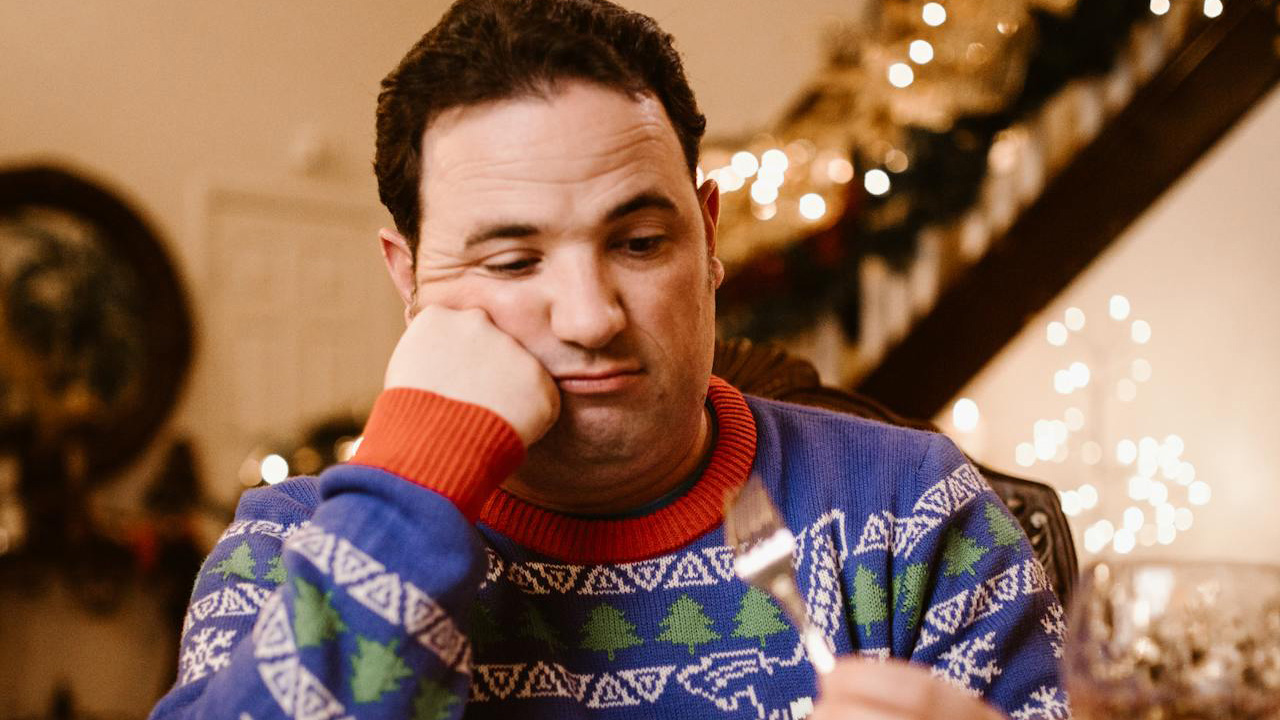
25 Ways to Make People Hate Coming to Your House for Christmas
Christmas can bring out the best in people—or the worst habits in a house. Most families don’t remember exactly what centerpiece you used, but they do remember how it felt to be there. If you want guests counting the minutes until they can leave (or secretly hoping they don’t get invited back), these are the habits that do the trick.
Use this as a checklist of what not to do. If you recognize yourself in a few, that’s fixable long before December 25th.
1. Make the Entryway a Tripping Hazard

Nothing says “Welcome” like bags, shoes, and random junk blocking the front door. If guests have to step over boots, dog toys, and Amazon boxes, they’ll feel in the way before they’ve even taken off their coat.
Clearing the entry isn’t about perfection, just basic safety and space. A small rug, a spot for shoes, and room for people to walk in without dodging piles goes a long way toward making them want to come back.
2. Ignore the Thermostat Completely
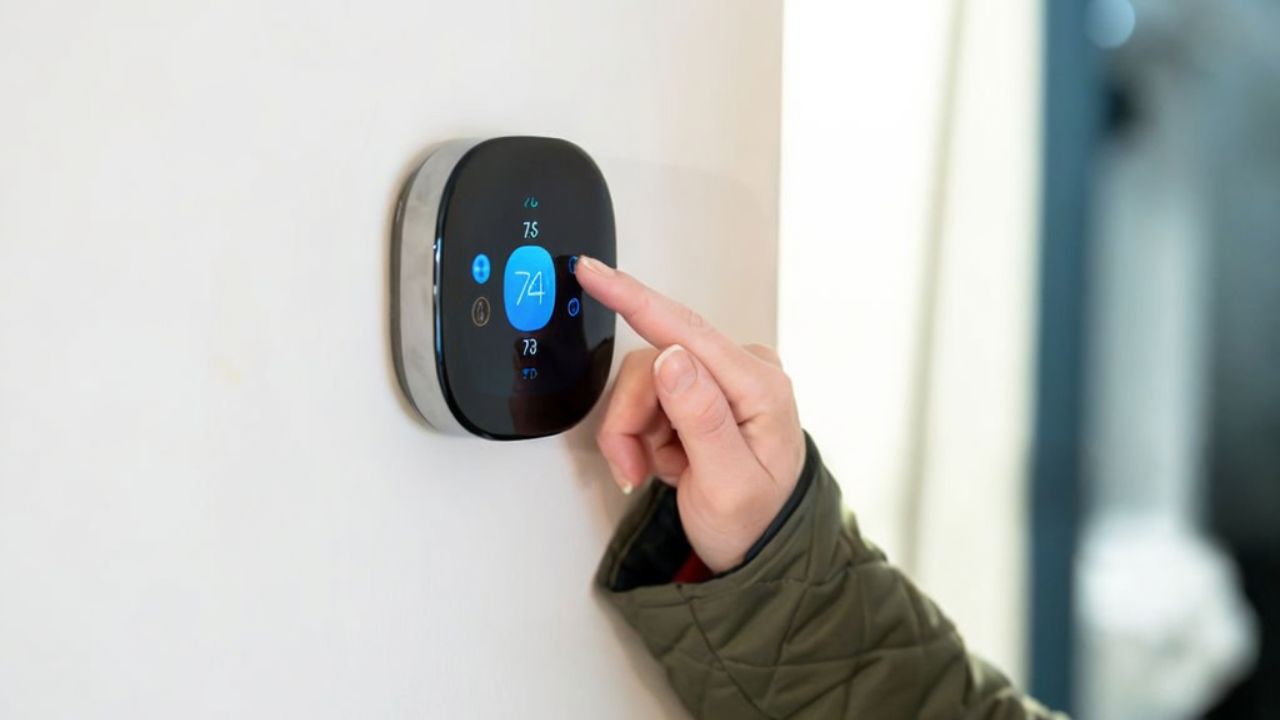
Keeping the house blazing hot because you’re cold, or freezing because you like it that way, is an easy way to make everyone miserable. Guests who sit there sweating in sweaters or shivering through dinner won’t be eager for round two.
You don’t have to cater to every preference, but aim for a normal middle ground. If someone looks miserable, offer a blanket or crack a window. People remember how physically uncomfortable they were more than how perfect the tree looked.
3. Don’t Clean the Bathroom First

If your bathroom trash is overflowing, the mirror is splattered, and there’s no soap, guests will notice. They might not say anything, but they’ll mentally move your house into the “avoid if possible” category.
Right before people arrive, give the bathroom ten minutes. Wipe the sink, swap the hand towel, empty the trash, and make sure there’s toilet paper and soap. It’s basic, but it matters more than half the little decor details you’re stressing over.
4. Leave Pet Hair Everywhere
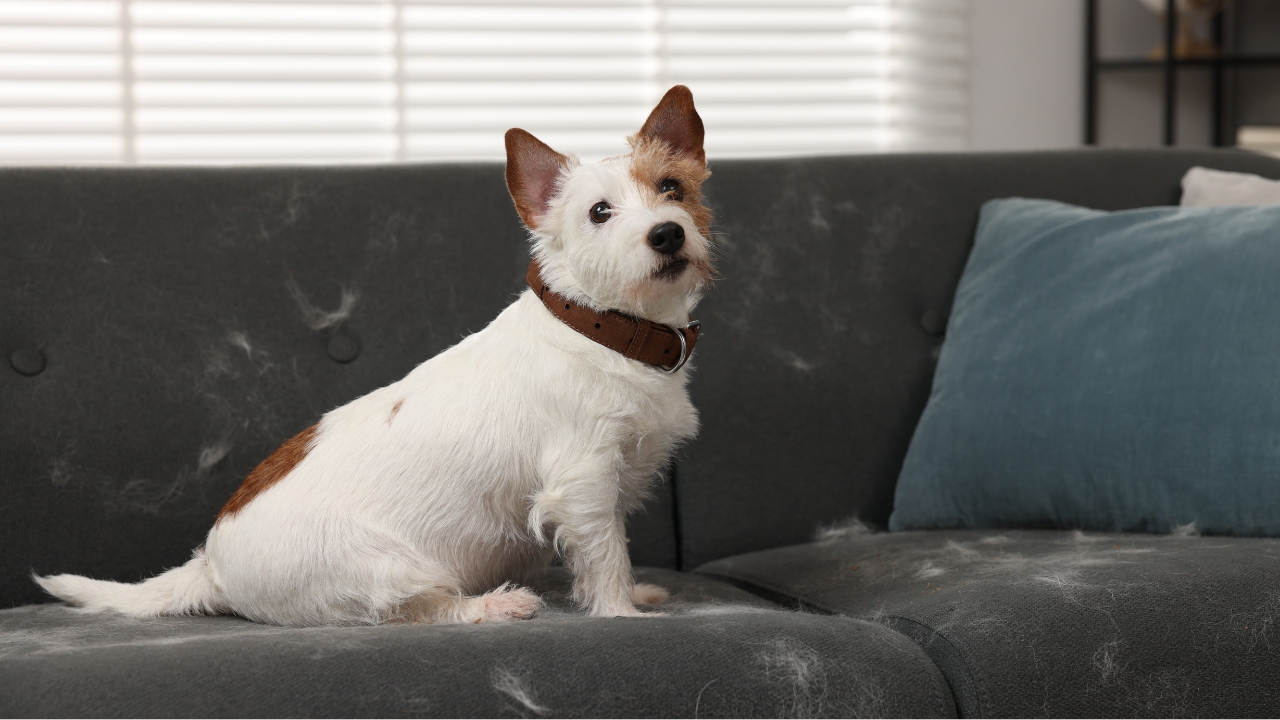
If your couch, chairs, and rugs are covered in pet hair, your guests’ black pants will be, too. Even people who like your dog don’t want to leave looking like they rolled in fur. Allergy-sensitive guests will be downright miserable.
Lint-rolling every surface isn’t always realistic, but a quick vacuum, a blanket washed recently, and one lint roller in easy reach shows you thought about it. Ignoring it completely guarantees complaints in the car on the way home.
5. Blast Music So Loud No One Can Talk
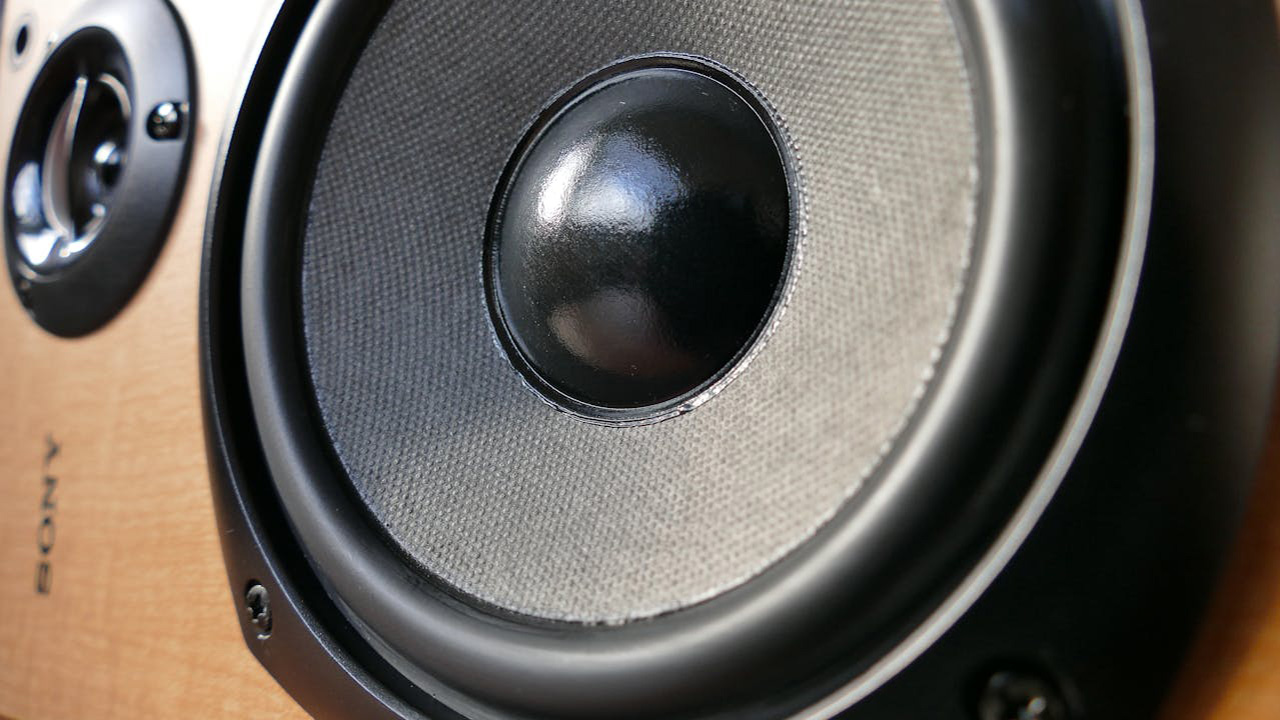
Holiday music is great until it’s so loud people can’t carry on a conversation without yelling. Guests shouldn’t have to work that hard to visit with the person next to them.
Play music, but keep it background level. If you have to raise your voice to be heard, it’s too much. Turning it down a notch doesn’t ruin the mood; it lets people actually enjoy each other.
6. Schedule Everything Down to the Minute

Having a plan for the day is helpful. Turning Christmas into a tightly timed agenda with no room to breathe wears everyone out. If kids can’t play, adults can’t chat, and every moment is “Okay, now we’re doing this,” guests start looking for the exit.
Build in some blank space. People like having time to sit, snack, and just be together. A loose plan is plenty. Overplanning makes the whole day feel like a school program instead of a holiday.
7. Make Every Conversation a Debate

If every topic turns into an argument, it’s exhausting. Picking fights over politics, parenting, or money at Christmas might entertain you, but it makes guests dread coming back.
You don’t have to agree with everyone, but you do control what topics you keep pushing. Not every comment needs a counterpoint. Let a few things slide, change the subject, and save the hot-button debates for another day.
8. Comment on Everyone’s Plate and Body

Talking about who’s eating what, who “doesn’t need seconds,” or how someone’s body has changed is a fast way to make people feel uncomfortable in your house. It turns a holiday meal into something they have to defend themselves through.
Serve plenty of food and let people manage their own plates. Compliment the recipes, not anyone’s size. Guests remember how you made them feel at the table long after they forget the menu.
9. Never Offer a Drink or Snack

Inviting people over for “Christmas at our house” and then not offering so much as water until hours later is a quiet way to make them feel like an afterthought. Guests shouldn’t have to ask for a drink while you’re busy in the kitchen.
Set out water, tea, or something simple as soon as people arrive. Even a small snack keeps everyone from getting cranky while you finish dinner. It doesn’t have to be fancy—just thoughtful.
10. Let the Trash Pile Up

Overflowing trash cans, random plates stacked everywhere, and cups balanced on every surface give the impression that no one’s in charge of basic cleanup. It starts to feel dirty instead of relaxed.
You don’t have to follow people around with a trash bag, but a couple of quick sweeps through the house to grab plates and cups keeps it from spiraling. People are more comfortable staying longer when they’re not surrounded by trash.
11. Forget to Plan for Kids
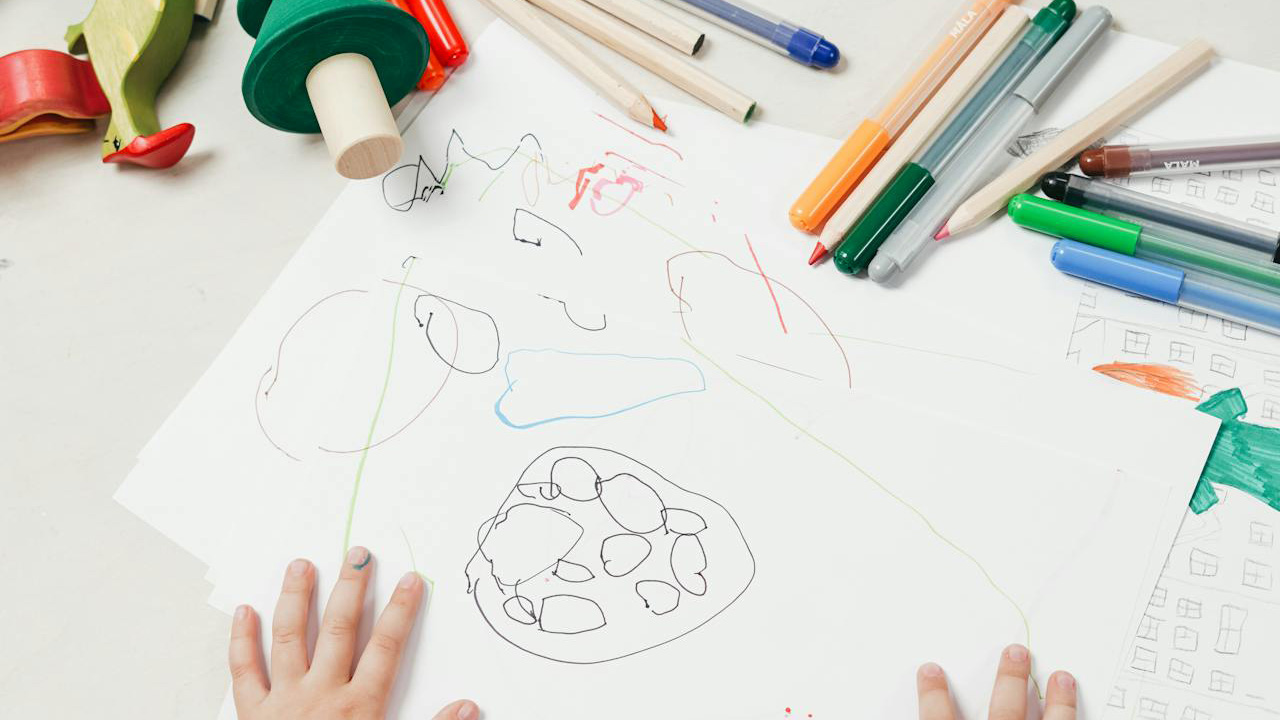
Inviting families and then expecting kids to sit quietly in a room full of breakable decor and zero toys is asking for stress. Parents spend the whole time apologizing, and kids leave thinking Christmas at your house is boring.
You don’t need a playroom. Just gather a few simple things—coloring supplies, blocks, a movie, or some small toys. Making space for kids to exist without constant shushing makes everyone’s day smoother.
12. Let the House Smell Like Last Night’s Fish

Smell hits people as soon as they walk in. Strong pet odors, trash, or old food smells are incredibly memorable in a bad way. Guests may smile through it, but they probably won’t want to repeat the experience.
Open a window for a bit, empty the trash, and clean anything that’s causing a smell. Light one or two good candles or simmer something mild on the stove. You’re aiming for “comfortable home,” not “whoa, what is that?”
13. Criticize Everyone’s Arrival Time
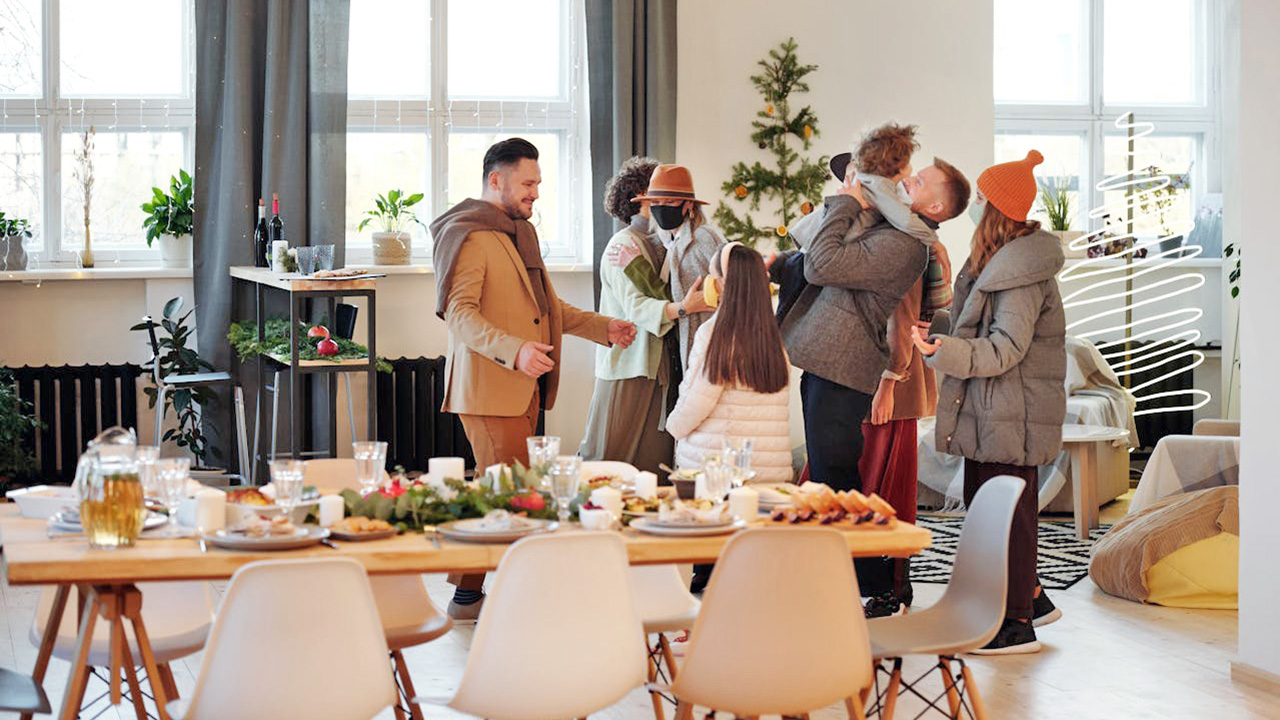
Telling people they’re late the second they walk in or making snarky comments about timing sets a tense tone right away. Life happens. Kids, church, traffic, and naps all run late sometimes.
If it’s truly a problem every single year, that’s a separate conversation. In the moment, greet people, hug them, and move on. No one gets excited to come to a house where the door is opened by a lecture.
14. Make Gifts Weird and Uncomfortable

Gifts that are clearly meant to send a message—like diet products, parenting books, or passive-aggressive home items—make people feel judged, not loved. They’ll remember that feeling every time they see your name on the invite.
Keep gifts simple and kind. If you can’t find something thoughtful, go practical or consumable. People don’t need expensive; they need to feel like you weren’t trying to fix them.
15. Refuse Any Help at All

There’s a difference between hosting and martyrdom. If you stomp around refusing help while making sure everyone knows how hard you’re working, guests feel guilty for relaxing and awkward for being there.
Let people bring something or help with small jobs. Share the load a little. It makes you more pleasant to be around and helps the day feel like family time instead of your personal performance.
16. Complain Constantly About the Work

If the entire day is a running commentary on how much effort this took, how expensive everything was, and how much you had to give up, guests feel like a burden. They won’t be eager to put you through it again.
You’re allowed to be tired, but save full venting for a trusted person later. On the day, try to focus out loud on the good parts. People can feel the difference between being welcomed and being resented.
17. Make Everything Extremely Fragile

If every surface is covered in glass, crystal, and delicate decor, people—especially parents—spend the day on edge. It doesn’t feel warm; it feels like walking through a store you can’t afford.
Have a few nice pieces, but give people a place to relax without worrying they’ll break something. Make one room more kid-friendly and low-stress. That’s usually where everyone will end up anyway.
18. Ignore Allergies and Food Needs Completely

You don’t have to run a restaurant, but shrugging off serious allergies or basic needs makes guests feel uncared for. They’ll nibble on bread and salad and quietly hope for fast food on the way home.
If someone mentions an allergy or restriction, ask a quick follow-up and plan one or two safe options. It doesn’t have to be its own separate menu—just enough that they’re not hungry and embarrassed.
19. Have Zero Seating That Makes Sense
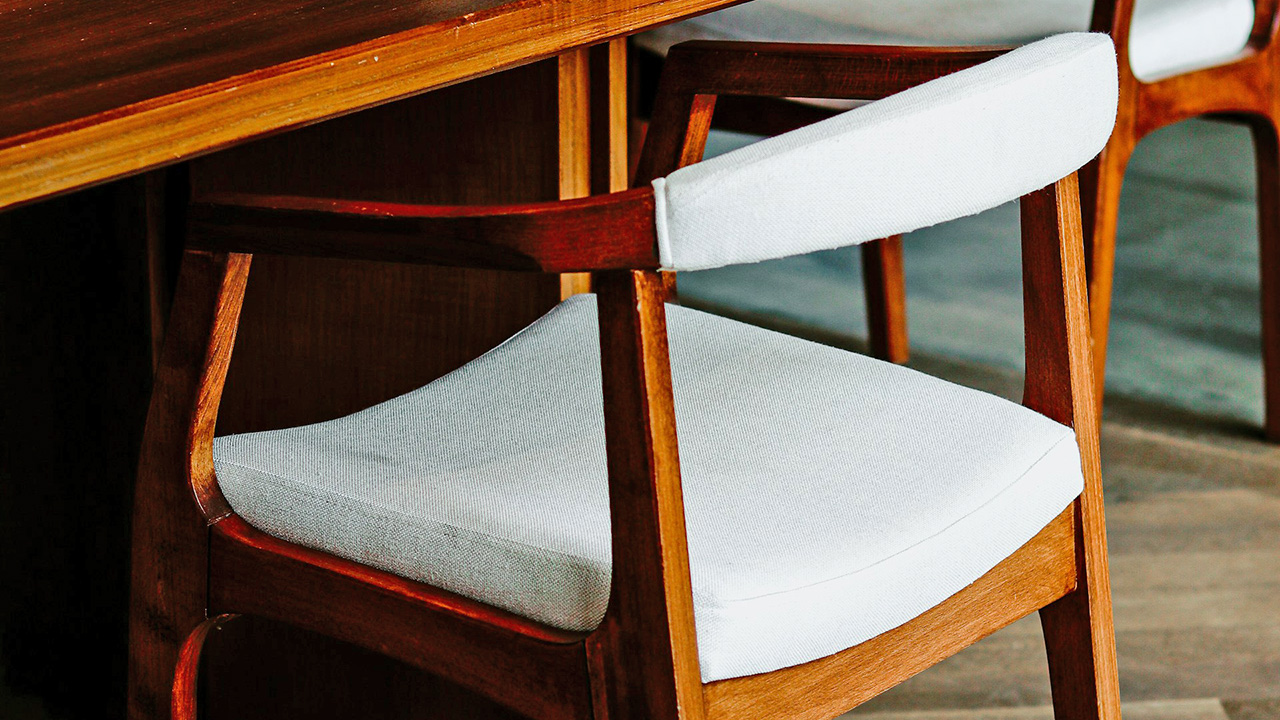
Too few chairs, awkward furniture placement, or chairs all facing the wrong direction make it hard to talk. If half the guests end up standing in doorways or perching on random stools, they’ll cut the visit short.
Before the day, look at your living area and dining space. Add folding chairs if needed, pull furniture in closer, and create a couple of natural conversation spots. People stay longer when they’re physically comfortable.
20. Keep the TV Blaring the Whole Time

Having a Christmas movie or game on for part of the day is fine. But if the TV never turns off, it takes over. People end up staring at the screen instead of connecting, and quieter guests check out altogether.
Pick intentional times for TV—during a game, a kids’ movie, or while cooking. Turn it off the rest of the time so conversations can actually happen.
21. Spring Big Surprises on People

Dragging everyone into last-minute activities they didn’t agree to—like surprise gift exchanges, forced games, or big announcements—can make guests feel trapped. Not everyone loves being put on the spot.
If you want to do something specific, give people a heads-up beforehand. Let them opt in mentally. Surprises are fun in small doses; constant curveballs wear people out.
22. Keep the House Freezing in the Morning and Sweltering by Night

Wild swings in house temperature as the oven runs, doors open, and more people show up can make everyone uncomfortable. Guests shouldn’t need to carry layers around the house just to stay okay.
Adjust as the day goes on. A quick thermostat tweak, opening or closing a vent, or cracking a window near the kitchen keeps things more stable and guests less cranky.
23. Make Everything About Photos

Snapping a few pictures is normal. Turning the entire day into a photoshoot where no one can eat until you get the perfect shot gets old fast. Kids melt down, adults sigh, and the whole thing feels performative.
Grab some quick pictures and then put the phone down. Candid moments are better anyway. People remember feeling relaxed more than whatever went on social media.
24. Talk Badly About Guests After They Leave the Room

If you loudly critique one family member the second they walk out, everyone else hears it and wonders what you say about them. It creates an edgy, gossipy atmosphere that doesn’t feel safe or kind.
If you need to vent about something serious, keep it private and away from the gathering. During the day, choose kindness out loud. That’s what people will remember.
25. Make Leaving Awkward or Guilt-Filled

Guilt-tripping guests when they stand up to go—comments about how early they’re leaving or how they never stay long enough—makes people dread the exit every year.
Walk them out, hug them, and tell them you’re glad they came. A warm goodbye goes a lot further than a guilt trip in making Christmas at your house something they look forward to instead of something they endure.
Like Fix It Homestead’s content? Be sure to follow us.
- Man Says He Found Out the Fence He Paid For Wasn’t Actually on His Property
- Woman Says Her Neighbor Started Taking Mulch From Her Delivery Pile Before She Could Even Spread It
- I made Joanna Gaines’s Friendsgiving casserole and here is what I would keep
- What Caliber Works Best for Groundhogs, Armadillos, and Other Digging Pests?
*This article was developed with AI-powered tools and has been carefully reviewed by our editors.